


























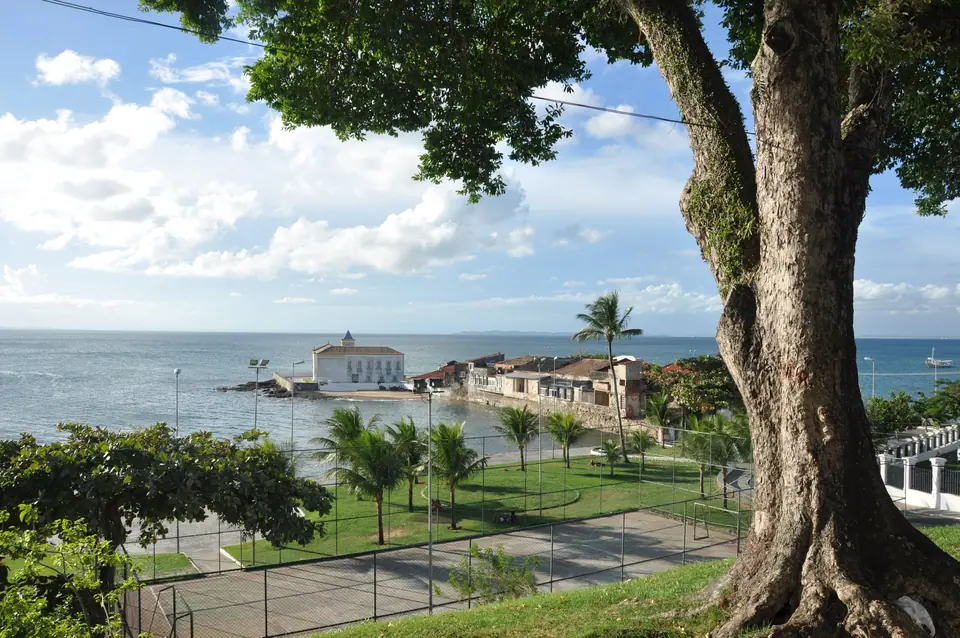
Bonfim Basilica, Forte de Monte Serrat & Itapagipe Peninsula Guide
Visit the sacred heart of Salvador on the Itapagipe Peninsula: tie wish ribbons at the 1754 Basilica of Nosso Senhor do Bonfim and watch sunset from Ponta de Humaitá.
Jutting into the calm waters of Baía de Todos-os-Santos six kilometres north of Cidade Baixa, the Itapagipe Peninsula is the spiritual and maritime heart of traditional Salvador. Away from the tourist buses of the Upper City, this calm bay peninsula combines Bahia's most revered pilgrimage shrine with a sixteenth-century coastal fortress, a romantic 19th-century lighthouse point, and a 1931 artisanal ice-cream parlour.
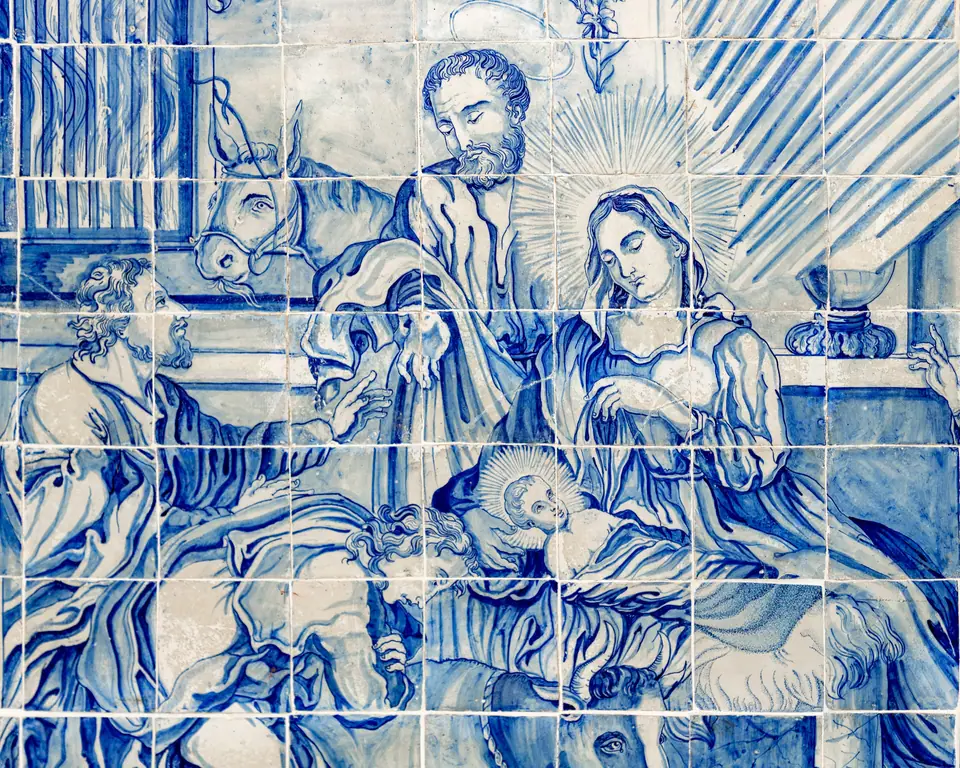
1. Basilica Sanctuary of Nosso Senhor do Bonfim (1745 to 1754)
Crowning the Colina Sagrada (Sacred Hill), the Basílica Santuário do Senhor do Bonfim was begun in 1745 and inaugurated in 1754 to house a carved cedar statue of the Crucified Christ brought from Setúbal, Portugal, by sea captain Theodózio Rodrigues de Faria. In Afro-Brazilian religious syncretism, Nosso Senhor do Bonfim is venerated simultaneously as Oxalá, the supreme Yoruba father of creation and peace.
- The Fitas do Bonfim Ritual: Outside the church, wrought-iron railings flutter with tens of thousands of colourful 47-centimetre ribbons ( originally measured to the length of the statue's right arm in 1809). Tradition holds that you tie a ribbon around your wrist with three knots, making one silent wish on each knot, and let the ribbon wear away naturally until it falls off on its own.
- Sala dos Milagres (Room of Miracles): Inside to the right of the nave, step into the extraordinary ex-voto museum where walls and ceilings are hung with thousands of wax, wooden, and silver body parts, ship paintings, and photographs left by pilgrims in thanksgiving for healed illnesses and survived shipwrecks.
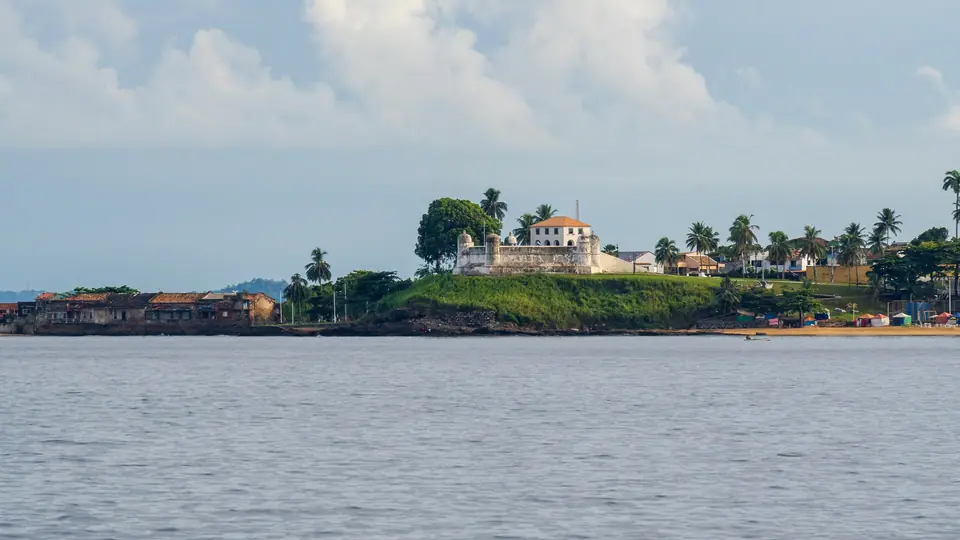
2. Forte de Monte Serrat (1583) and Ponta de Humaitá
Five minutes west of the Basilica, the peninsula narrows into two scenic headlands:
- Forte de Nossa Senhora de Monte Serrat (1583 to 1587): Designed in the late sixteenth century by Italian military architect Baccio de Filicaia, this six-bastioned polygonal castle with circular watchtowers and an entrance drawbridge is considered the most harmonious example of early Renaissance military architecture in Brazil.
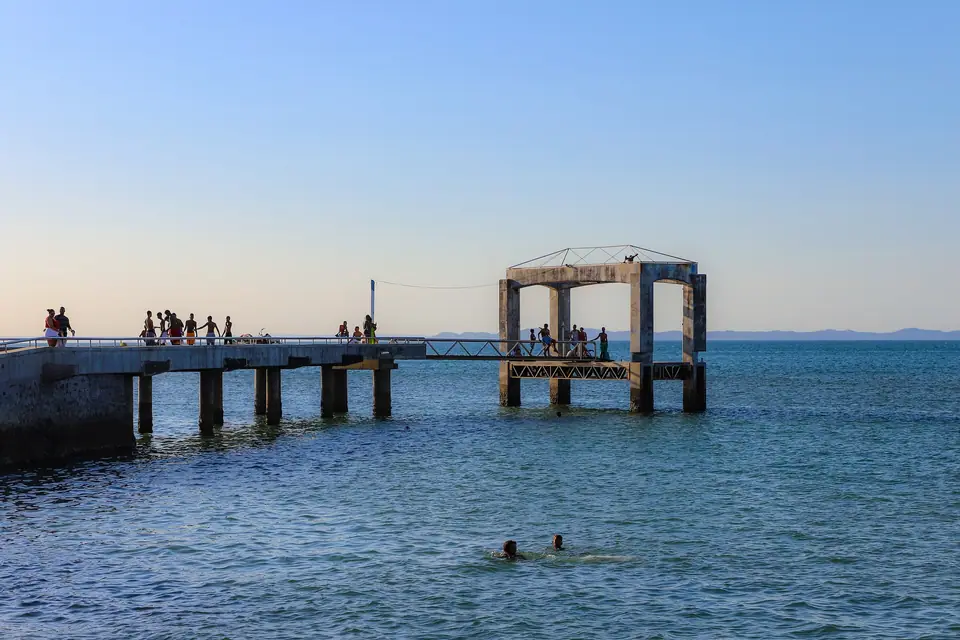
- Ponta de Humaitá: Just below the fort at the tip of the point, a sixteenth-century monastery church, old stone pier, and the red-and-white 1935 Humaitá Lighthouse look straight south across the bay toward the entire cliff skyline of Salvador, making it one of the most peaceful sunset spots in the city.
3. Sorveteria da Ribeira (1931) and Memorial Irmã Dulce
Before heading back, drive five minutes north along the bay to the tree-shaded waterfront of Ribeira to sample over 60 flavours of artisanal tropical fruit ice cream (such as umbu, mangaba, cupuaçu, and green coconut) at Sorveteria da Ribeira, operating continuously since 1931, or stop at Largo de Roma at the base of the peninsula to visit the Sanctuary and Memorial of Santa Dulce dos Pobres (Irmã Dulce), Brazil's first native-born female Catholic saint.
Traveller tips
Real advice from people who have been to Bonfim Basilica, Forte de Monte Serrat & Itapagipe Peninsula. Every tip is read by our team before it goes live.
No tips yet. Been here? Yours could be the first.
Thank you! Your tip will appear here after a quick review.
More in Salvador
Continue exploring Salvador with related neighbourhood, food, and planning guides
What to Eat in Salvador: Moqueca Baiana, Acarajé, Vatapá & Bobó de Camarão
Salvador, Brazil
Bahian Food Guide: What to Eat in Salvador
Salvador, Brazil
Pelourinho, Terreiro de Jesus & Golden São Francisco Church Guide
Salvador, Brazil
Day Trips from Salvador: Islands, Beaches and the Recôncavo
Salvador, Brazil
