Elevador Lacerda, Mercado Modelo & Cidade Baixa (Lower City) Guide
Ride the 1873 Elevador Lacerda 72 metres down the cliff from Praça Municipal to explore Mercado Modelo, Conceição da Praia Basilica, and São Joaquim Market.
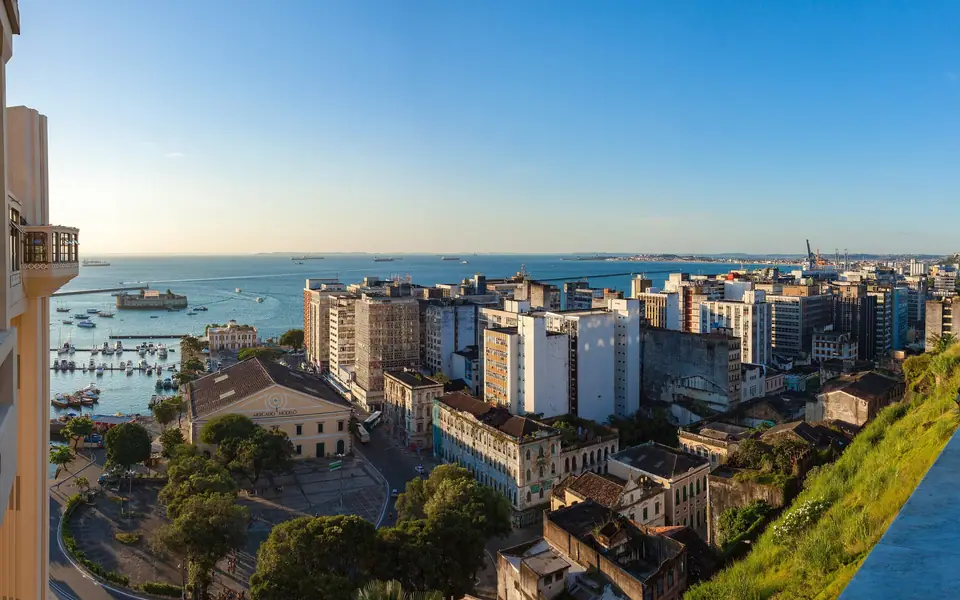
Since Salvador was founded in 1549, daily life has flowed vertically between the administrative palaces on the 72-metre cliff of Cidade Alta and the port wharves and warehouses of Cidade Baixa below. Connecting the two levels gives you the most iconic panoramic view in Bahia and brings you directly to the edge of All Saints' Bay.
1. Praça Municipal, Palácio Rio Branco, and the 1873 Elevador Lacerda
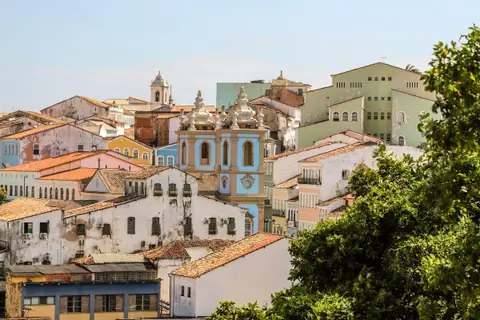
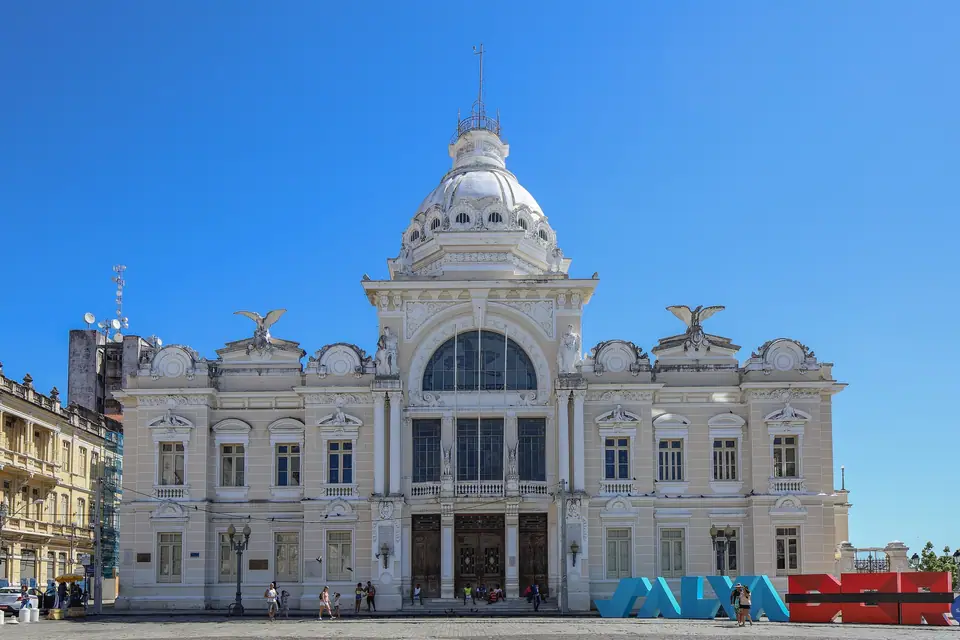
Before descending, pause on Praça Tomé de Sousa (Praça Municipal) at the southern end of Pelourinho. On one side stands the whitewashed 1660 Câmara Municipal (City Hall) with its bulbous seventeenth-century bell tower; on the other sits the domed neoclassical Palácio Rio Branco (rebuilt in 1919 on the site of the 1549 Governor-General's palace).
At the cliff edge rises the Elevador Lacerda, inaugurated on 8 December 1873 by engineer Antônio de Lacerda as the world's first urban public lift. Originally driven by steam and hydraulic pumps inside a rock-cut shaft and expanded in 1930 with an Art Deco reinforced-concrete second tower and cantilevered skybridge, its four cabin lifts carry nearly 900,000 passengers a month across the 72-metre vertical drop in just 30 seconds.
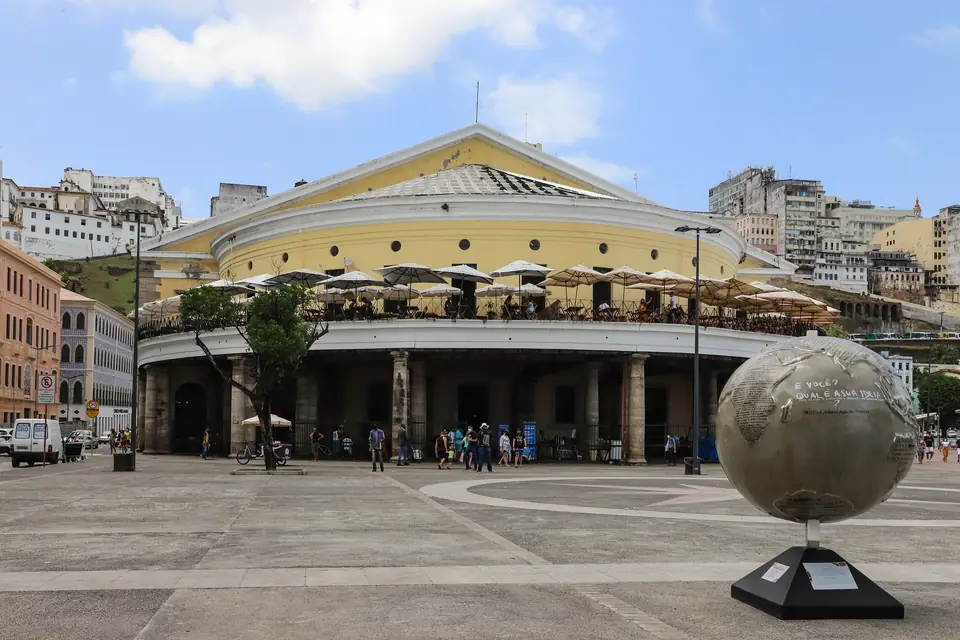
2. Mercado Modelo (1861) and Forte de São Marcelo
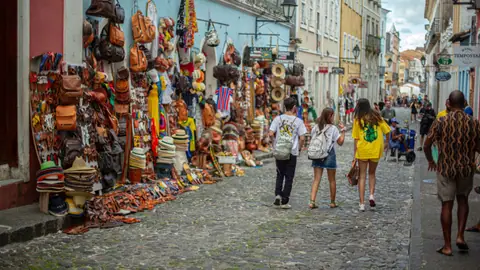
Stepping out of the lower lift lobby onto Praça Visconde de Cayru, you stand directly in front of the yellow neoclassical rotunda of the Mercado Modelo, erected in 1861 as the Imperial Customs House of Salvador and converted into the city's central craft market after a fire destroyed the original market building in 1969. Across two airy floors of over 250 stalls, browse hand-carved wooden Orixá sculptures, berimbau musical bows, embroidered Bahian lace, and bottled malagueta peppers, then step onto the second-floor sea terrace to look out at the circular 1650 Forte de São Marcelo floating 300 metres offshore (nicknamed the "Fort of the Sea" by novelist Jorge Amado).
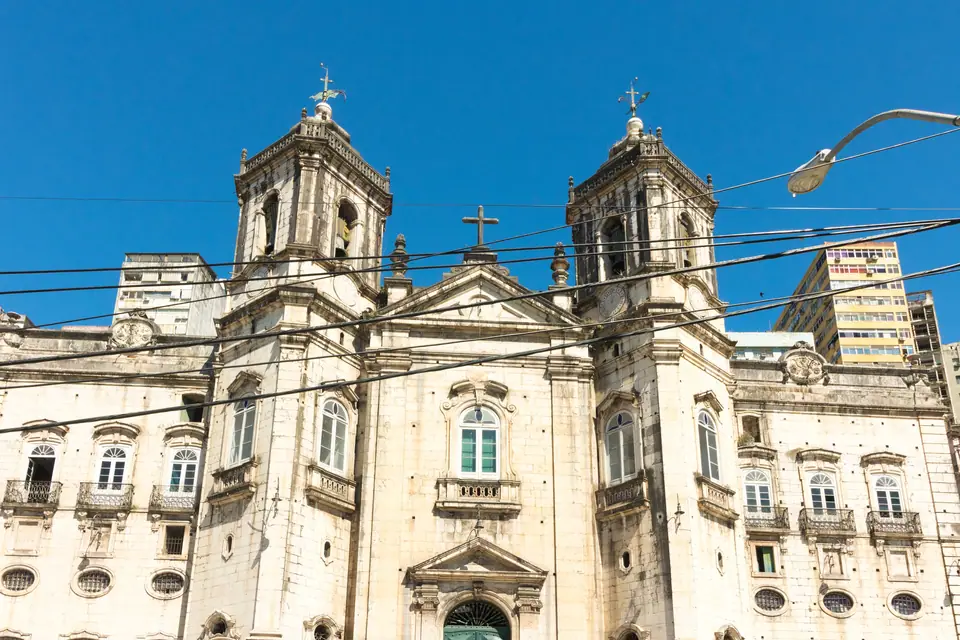
3. Basilica of Conceição da Praia (1736) and Feira de São Joaquim
- Basílica Santuário Nossa Senhora da Conceição da Praia: Immediately across the street from the lower entrance of Elevador Lacerda, this monumental baroque church was designed in Portugal in 1736 by military engineer Manuel Cardoso de Saldanha; every single pale lioz limestone block was cut and numbered in Lisbon, shipped across the Atlantic in caravels, and assembled like a giant stone puzzle at the foot of the cliff. Inside, look up at the Trompe-l'œil illusionistic ceiling masterpiece painted in 1772 by José Joaquim da Rocha.
- Feira de São Joaquim: Ten minutes north by taxi along the bay waterfront, Salvador's largest open-air traditional market is a sensory maze of clay moqueca pots from Maragogipinho, golden bottles of dendê oil, smoked shrimp, fresh tropical fruits, and sacred herbs.
Traveller tips
Real advice from people who have been to Elevador Lacerda, Mercado Modelo & Cidade Baixa (Lower City). Every tip is read by our team before it goes live.
No tips yet. Been here? Yours could be the first.
Thank you! Your tip will appear here after a quick review.
More in Salvador
Continue exploring Salvador with related neighbourhood, food, and planning guides