


























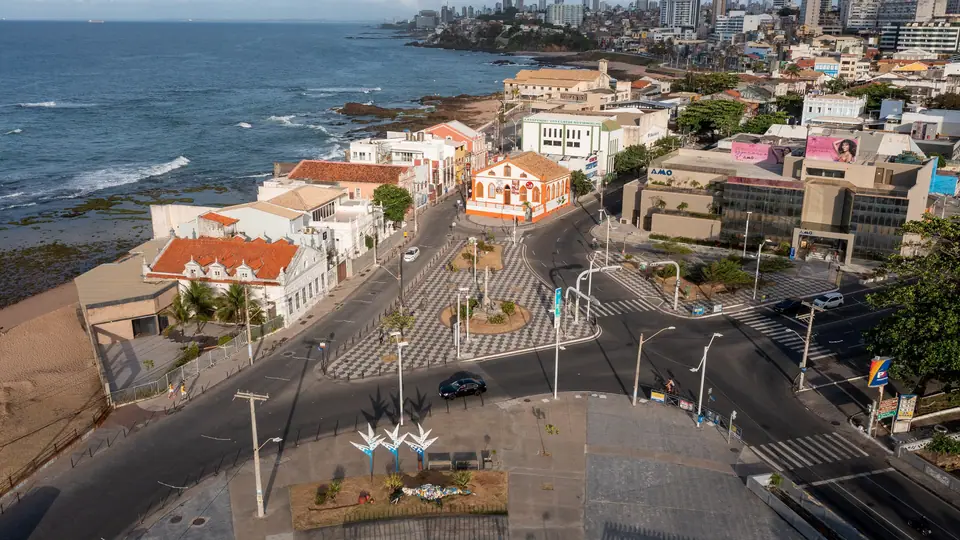
Rio Vermelho Guide: Casa de Jorge Amado, Iemanjá Shrine & Best Acarajé
Explore Salvador's bohemian seaside quarter of Rio Vermelho: tour Jorge Amado's garden home, taste legendary acarajé at Largo de Santana, and visit the Shrine of Iemanjá.
Four kilometres east of Barra along the Atlantic coast, Rio Vermelho is where Salvador's writers, musicians, fishermen, and chefs come together. Defined by rocky headlands, small fishing coves, and leafy plazas that come alive at dusk, it is the best neighbourhood in the city for an afternoon museum visit followed by an evening of street food and live music.
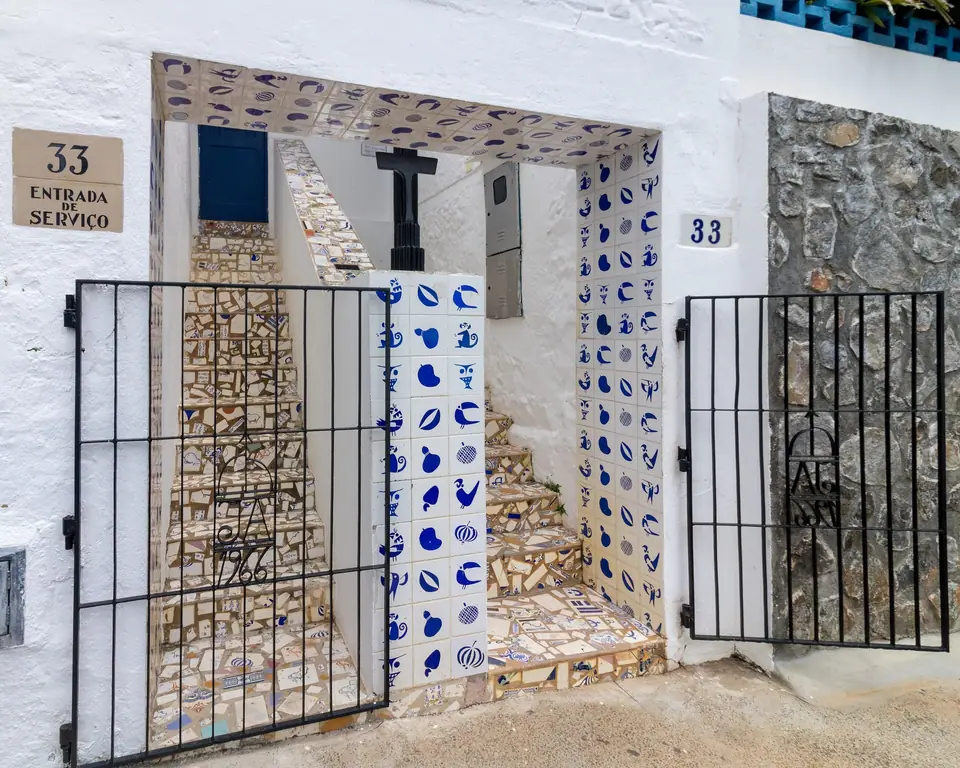
1. Casa do Rio Vermelho (Memorial of Jorge Amado and Zélia Gattai)
Tucked away on a quiet hilltop at Rua Alagoinhas 33 (a five-minute taxi ride uphill from the coast), Casa do Rio Vermelho is the sprawling house and tropical garden purchased by Bahian novelist Jorge Amado (1912 to 2001) and writer-photographer Zélia Gattai in 1960 with the film royalties from Gabriela, Clove and Cinnamon. For nearly forty years, their home welcomed guests ranging from Pablo Neruda and Simone de Beauvoir to Glauber Rocha and Caetano Veloso.
Carefully curated as an interactive memorial museum, the rooms preserve Amado's study (filled with folk ceramics, Exu sculptures, and international editions of his books), the lively Bahian kitchen, and over 30 hours of video projections where Bahian actors read passages from his novels. Beneath a mango tree on the garden terrace, a stone bench flanked by two carved bronze frogs marks the spot where Jorge and Zélia's ashes were scattered; check the official museum site for current visiting days.
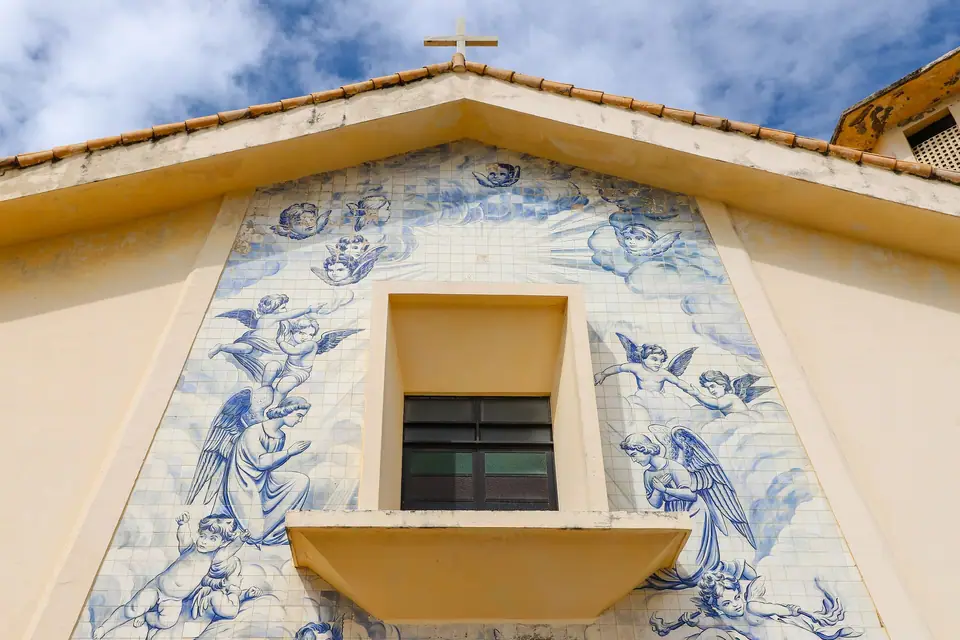
2. The Acarajé Squares: Largo de Santana and Largo da Mariquita
Every afternoon from 16:00 onwards, the breeze off the ocean carries the unmistakable aroma of boiling azeite de dendê across Rio Vermelho's two historic waterfront squares:
- Largo de Santana (Praça da Dinha): Directly in front of the white nineteenth-century Church of Sant'Ana sits the kiosk of Acarajé da Dinha, a third-generation family institution celebrated across Brazil for its crisp, light black-eyed-pea fritters served with creamy vatapá and dried shrimp, right beside tables from surrounding bars serving ice-cold bottled beer.
- Largo da Mariquita (Cira and Regina): One block east along the seafront promenade, the kiosk founded by the late Dona Cira draws an equally devoted local queue for both fried acarajé and banana-leaf-steamed abará.
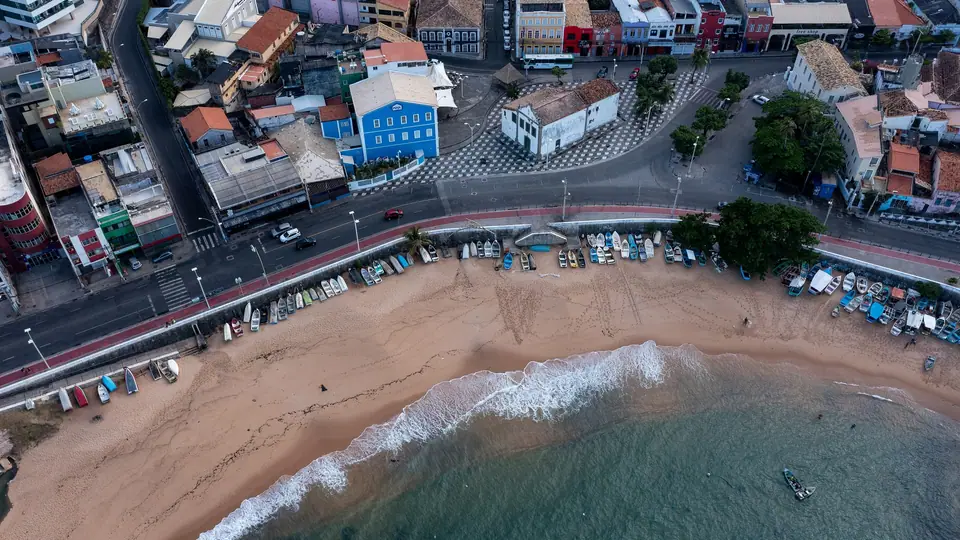
3. Casa de Iemanjá and the February 2 Ocean Festival
Between Largo de Santana and the cove of Praia da Paciência stands the blue-and-white Casa de Iemanjá (Colônia de Pescadores Z-1), the waterfront shrine maintained by local fishermen in honour of the Afro-Brazilian Queen of the Sea (Rainha do Mar). Every year on 2 February, tens of thousands of devotees dressed in white and sky blue line the beach at dawn to fill woven baskets with white roses, lavender water, and mirrors before a flotilla of over 300 fishing boats carries the offerings out to sea.
Traveller tips
Real advice from people who have been to Rio Vermelho Guide: Casa de Jorge Amado, Iemanjá Shrine & Best Acarajé. Every tip is read by our team before it goes live.
No tips yet. Been here? Yours could be the first.
Thank you! Your tip will appear here after a quick review.
More in Salvador
Continue exploring Salvador with related neighbourhood, food, and planning guides
3 Days in Salvador Itinerary: Pelourinho, Barra Sunset, Bonfim & Bay Islands
Salvador, Brazil
Pelourinho Guide: Salvador's Colonial Old Town
Salvador, Brazil
What to Eat in Salvador: Moqueca Baiana, Acarajé, Vatapá & Bobó de Camarão
Salvador, Brazil
Bahian Food Guide: What to Eat in Salvador
Salvador, Brazil
