What to Eat in Salvador: Moqueca Baiana, Acarajé, Vatapá & Bobó de Camarão
A culinary guide to Bahian cuisine in Salvador: understand clay-pot moqueca baiana, acarajé fried in dendê oil, abará, bobó de camarão, and tropical sweets.
Bahian cuisine (culinária baiana) is the richest regional food tradition in Brazil, forged in Salvador through the meeting of West African culinary techniques (especially Yoruba and Fon cooking using unrefined red palm oil, azeite de dendê, and malagueta chillies), Indigenous Tupinambá cassava roots, and Portuguese seafood stews. In 2010, the traditional craft of the Baianas do Acarajé was inscribed by IPHAN as Intangible Cultural Heritage of Brazil.
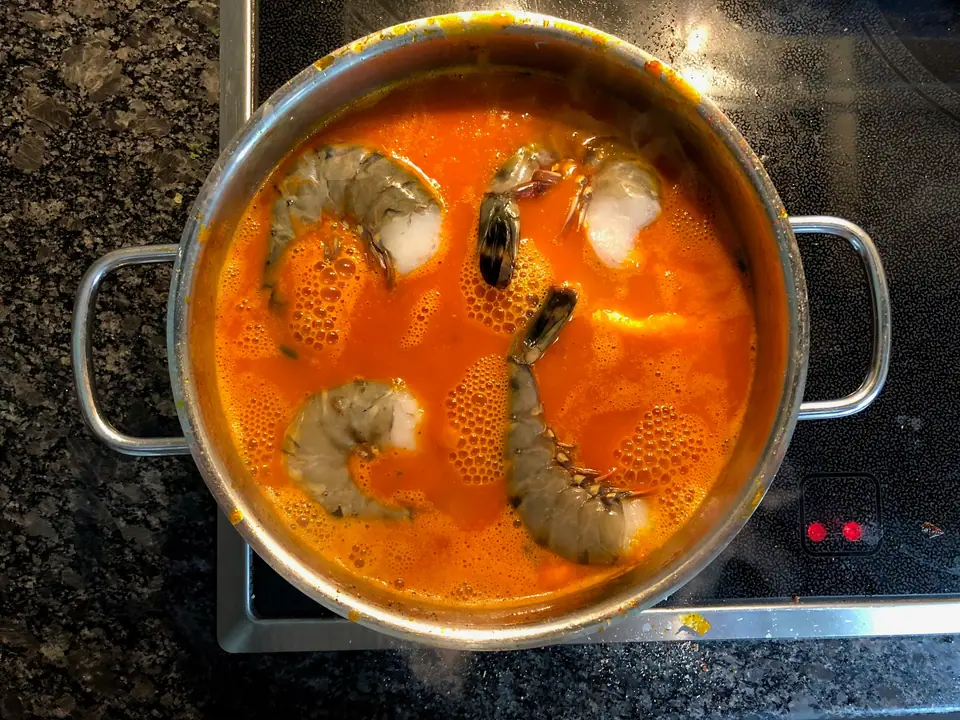
1. Moqueca Baiana and Bobó de Camarão
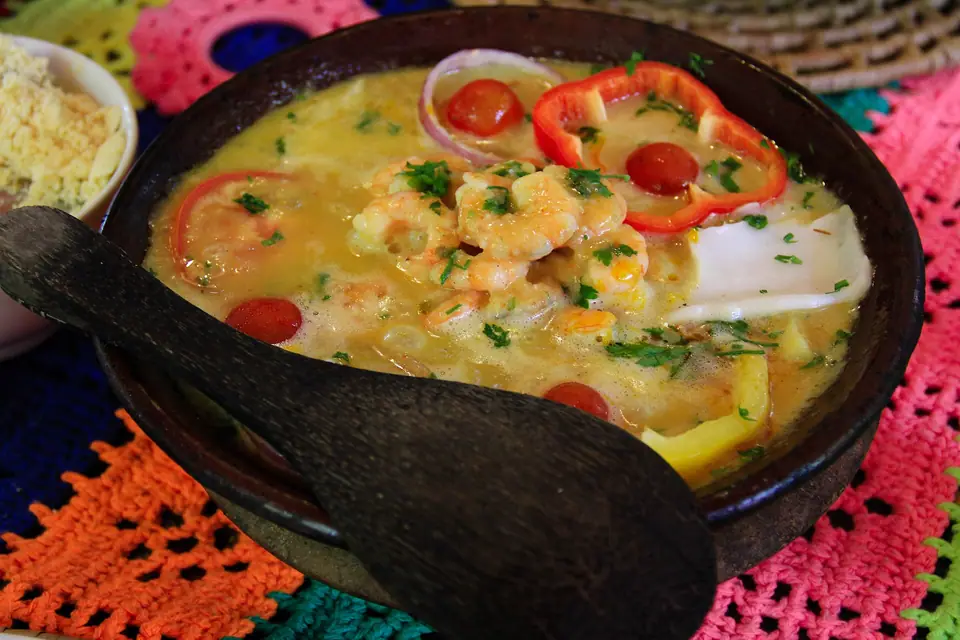
No trip to Salvador is complete without sitting down to a midday Moqueca Baiana, served bubbling hot at the table in a wide earthenware dish along the waterfront of Cidade Baixa, Rio Vermelho, or Pedra Furada and Itapuã:
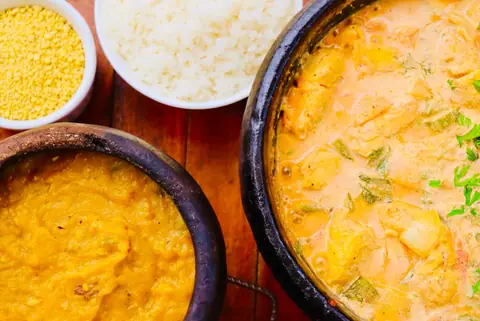
- Moqueca de Peixe, Camarão, or Mista: Firm white ocean fish (such as badejo, sea bass, or vermelho) and sweet bay prawns are marinated in lime juice and garlic, then layered with sliced tomatoes, onions, sweet peppers, fresh coriander, thick coconut milk (leite de coco), and a final swirl of orange-gold azeite de dendê. It always arrives with white rice, pirão (a velvety porridge whisked from fish broth and cassava flour), and toasted farofa de dendê.
- Bobó de Camarão: Equally beloved, bobó folds sautéed prawns into a rich, silky purée of boiled yellow cassava (aipim or mandioca) seasoned with ginger, coconut milk, cashew nuts, and palm oil.
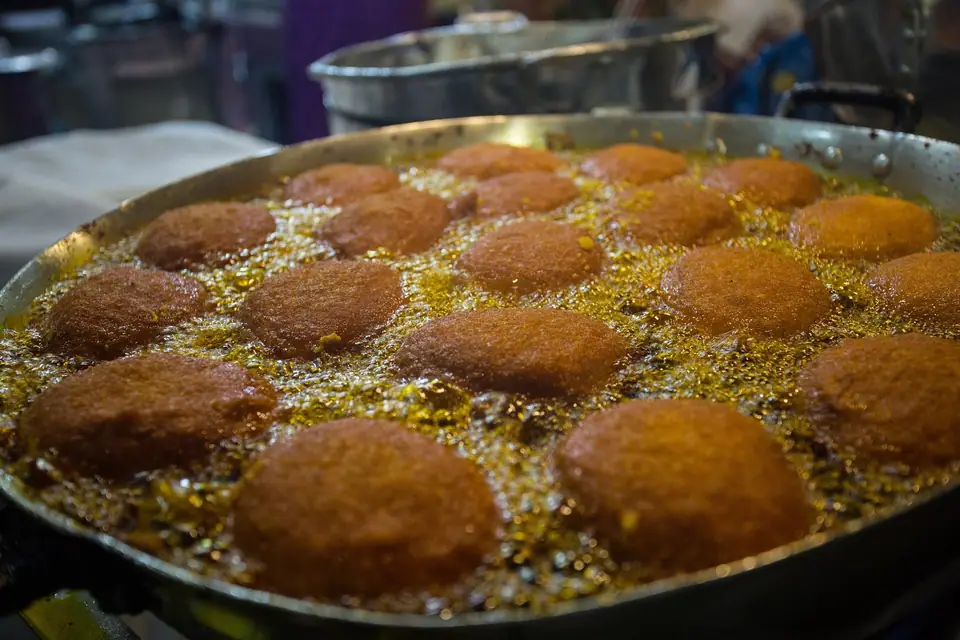
2. Acarajé, Abará, Vatapá, and Caruru
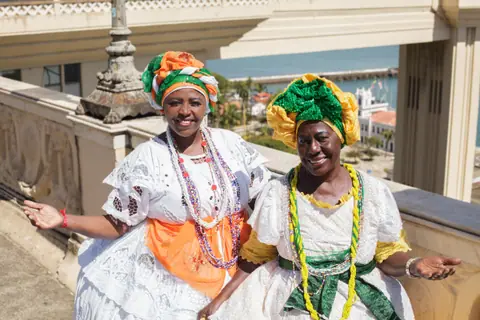
From late afternoon onwards, women dressed in starched white lace skirts and headwraps set up copper cauldrons across Salvador's squares to prepare two sacred Afro-Brazilian delicacies made from peeled, stone-ground black-eyed peas (feijão-fradinho) whipped with grated onion and salt:
- Acarajé: Shaped with two wooden spoons and deep-fried to a crisp bronze shell in boiling azeite de dendê, then split open and filled with vatapá (a spiced cream of bread or rice flour, roasted peanuts, cashews, ginger, dried shrimp, coconut milk, and dendê), caruru (stewed okra with nuts and palm oil), green tomato vinaigrette, and smoky whole dried prawns (camarão seco). When the cook asks "Quente ou frio?" ("Hot or cold?"), she is asking how much fiery malagueta pepper sauce you want, not the temperature of the fritter.
- Abará: The same seasoned black-eyed-pea batter enriched with a touch of dendê oil and dried shrimp, wrapped in green banana leaves, and steamed until tender and fragrant.
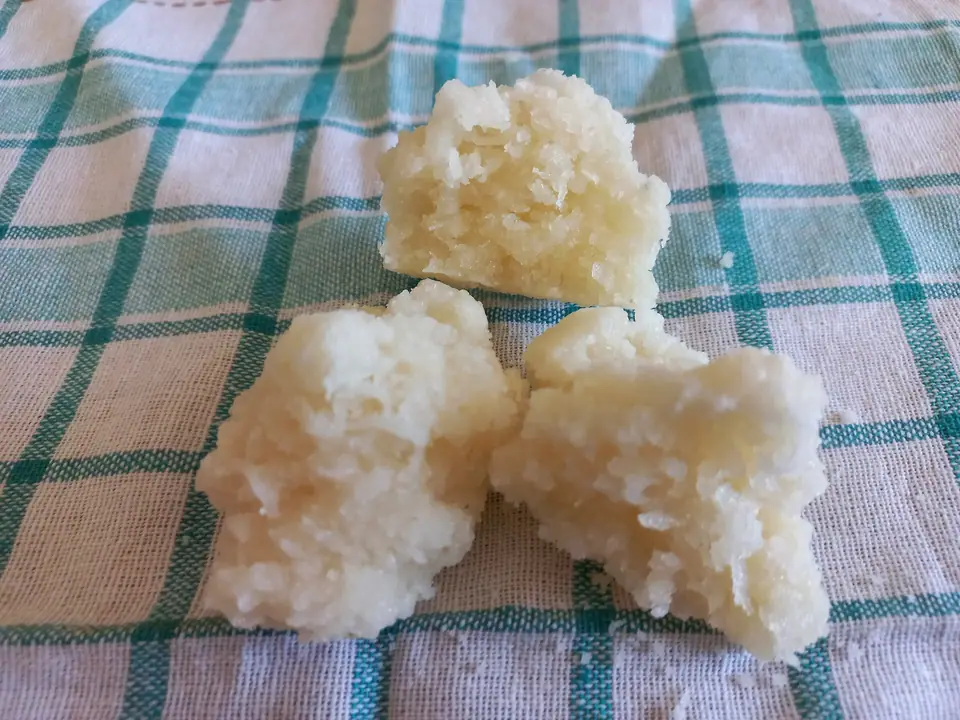
3. Moqueca de Banana-da-Terra, Bolinho de Estudante, and Cocadas
Vegetarians will find wonderful plant-based versions of Bahian classics across Santo Antônio Além do Carmo and Pelourinho, especially Moqueca de Banana-da-Terra com Palmito (sweet ripe plantains and heart of palm simmered in coconut milk). On the street trays alongside acarajé, always save room for a warm bolinho de estudante (crispy tapioca-and-coconut fritter rolled in cinnamon and sugar) or a square of chewy roasted-coconut cocada puxa.
Traveller tips
Real advice from people who have been to What to Eat in Salvador: Moqueca Baiana, Acarajé, Vatapá & Bobó de Camarão. Every tip is read by our team before it goes live.
No tips yet. Been here? Yours could be the first.
Thank you! Your tip will appear here after a quick review.
More in Salvador
Continue exploring Salvador with related neighbourhood, food, and planning guides