


























Salvador: Essential Planning for Bahia's Historic Capital
Everything you need to plan a trip to Salvador, Bahia: Upper vs Lower City geography, UNESCO Pelourinho, Atlantic beaches, transport, and safety tips.
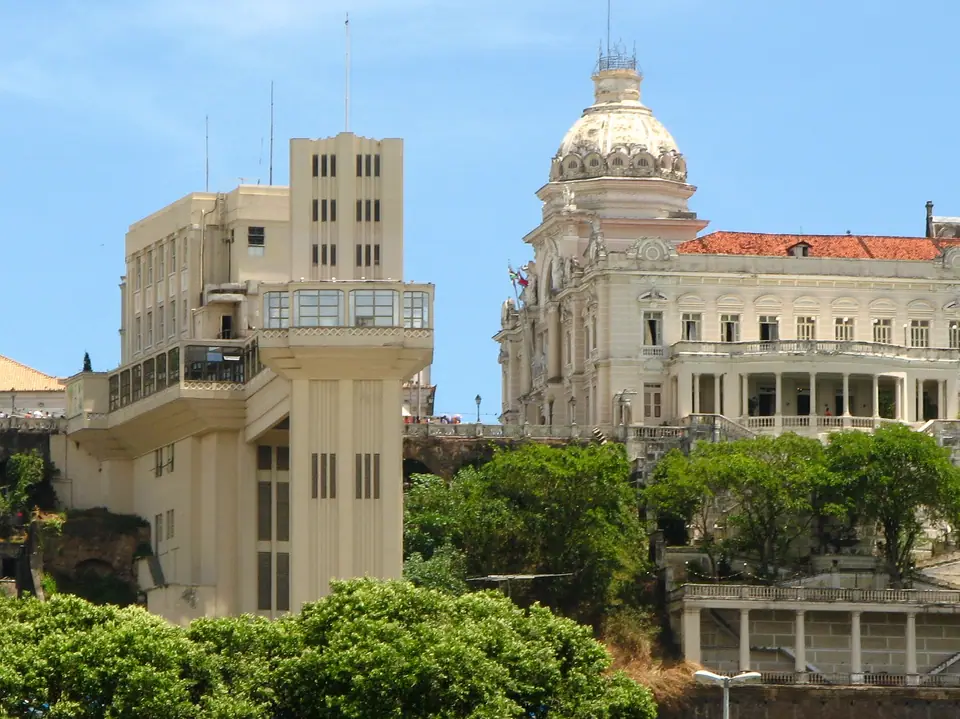
Occupying a triangular peninsula where the warm South Atlantic meets the sheltered 1,100-square-kilometre expanse of Baía de Todos-os-Santos (All Saints' Bay), Salvador was founded in 1549 as the seat of the Portuguese governor-general in the Americas. For more than two centuries it served as the political, religious, and sugar-trade capital of Brazil, leaving behind the largest concentration of seventeenth- and eighteenth-century baroque architecture in the Southern Hemisphere alongside a deep Afro-Brazilian cultural identity.
Understanding Salvador's Two-Tiered Geography
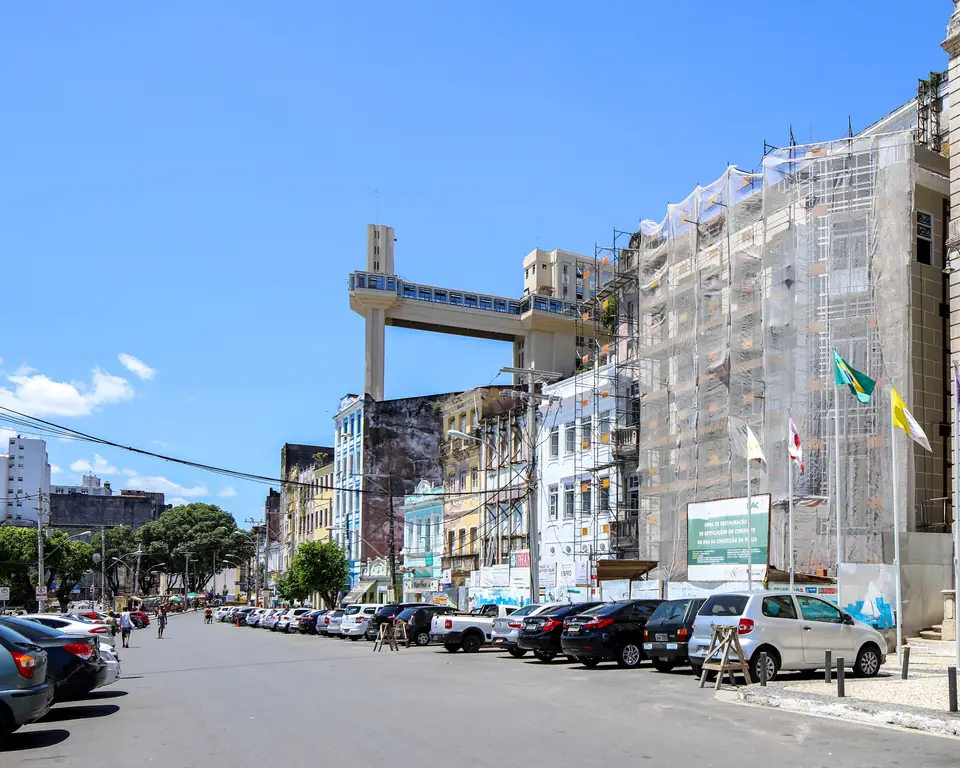
To navigate Salvador effortlessly, picture the peninsula divided into three distinct zones:
- Cidade Alta (Upper City): Perched 70 to 85 metres above the harbour along a steep cliff ridge, the Upper City encompasses the municipal plaza of Praça Municipal (Praça Tomé de Sousa), the cathedral square of Terreiro de Jesus, Largo do Pelourinho, and the quiet colonial ridge of Santo Antônio Além do Carmo.
- Cidade Baixa (Lower City) and the Bay Peninsula: Directly at the base of the cliff sit the harbourfront Mercado Modelo, the Basilica of Conceição da Praia, and the ferry terminals, extending north along the calm bay shore to the Itapagipe Peninsula, Monte Serrat, and Bonfim Church.
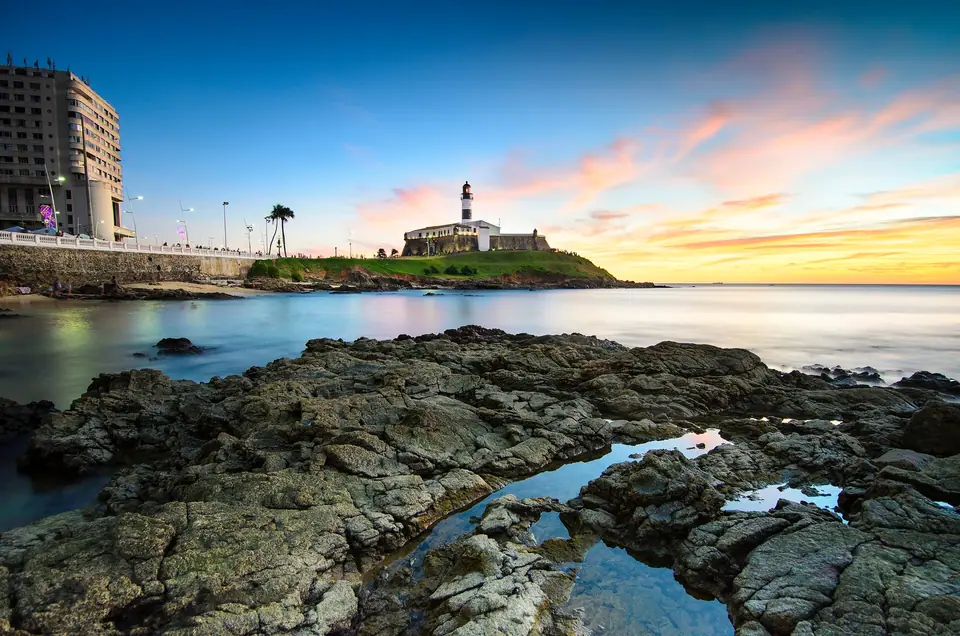
- The Atlantic Ocean Coast (Barra to Itapuã): Rounding the southern tip of the peninsula at Farol da Barra, the city opens onto 30 kilometres of palm-lined oceanfront avenues through Ondina, bohemian Rio Vermelho, Pituba, and the reef-sheltered beaches of Itapuã, Stella Maris, and Praia do Flamengo.
Essential Practical Tips Before You Arrive
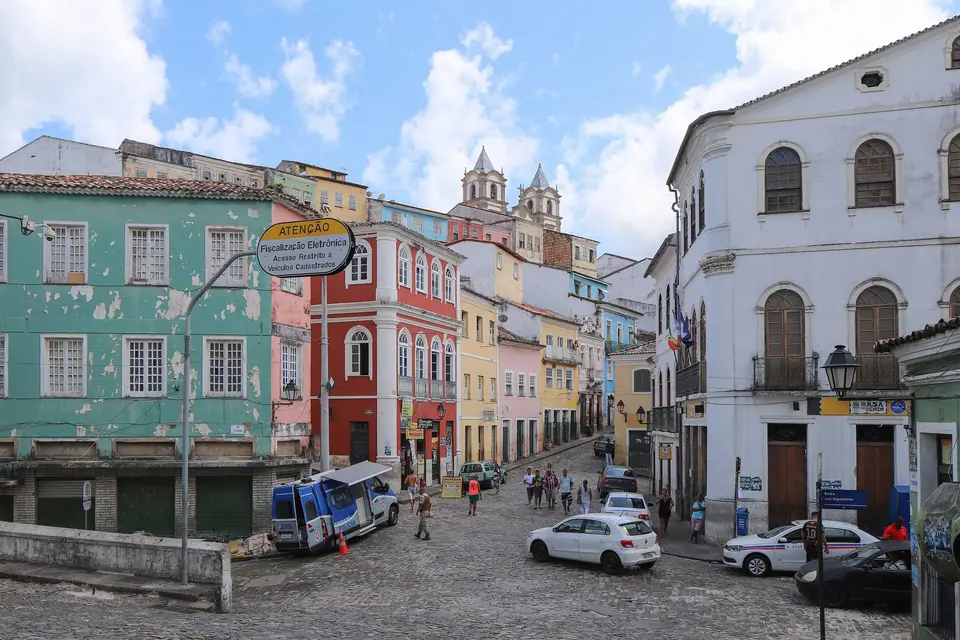
- Exploring Pelourinho Safely: The main squares of the historic centre (Praça Municipal, Terreiro de Jesus, Largo do Cruzeiro de São Francisco, and Largo do Pelourinho) are patrolled by tourist police and lively between 09:00 and 18:00. Leave expensive jewellery at your hotel, decline unsolicited "free" wrist ribbons (fitinhas) or necklaces from street hustlers with a polite "Não, obrigado", and stick to well-lit main squares or take an Uber directly to restaurant doors after dark.
- Voltage and Cash: Unlike Rio de Janeiro, standard voltage in Salvador is 220V (60Hz) with three-pin Type N sockets. International contactless cards are accepted almost everywhere, including on coconut water carts and acarajé stalls, though a few small notes are useful for church sacristies.
Traveller tips
Real advice from people who have been to Salvador: Essential Planning for Bahia's Historic Capital. Every tip is read by our team before it goes live.
No tips yet. Been here? Yours could be the first.
Thank you! Your tip will appear here after a quick review.
More in Salvador
Continue exploring Salvador with related neighbourhood, food, and planning guides
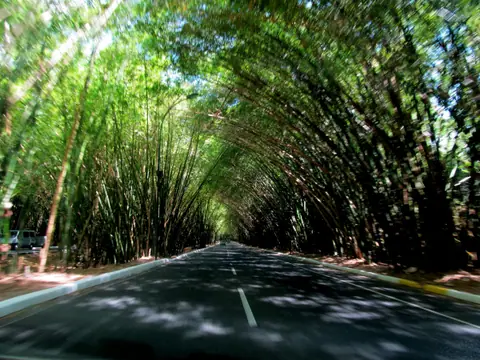
How to Get to Salvador: Airport (SSA), Bamboo Corridor, Metro & Ferries
Salvador, Brazil
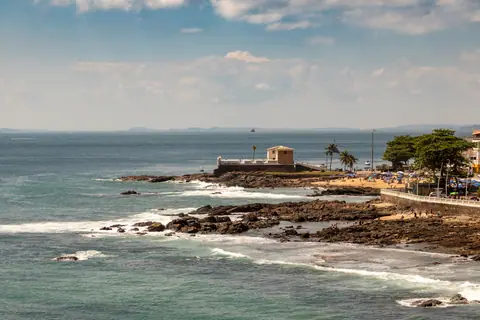
Best Time to Visit Salvador: Tropical Seasons, Summer Fiestas & Weather
Salvador, Brazil
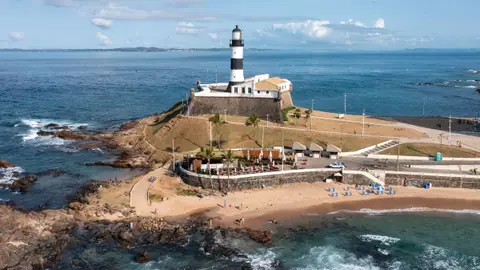
Where to Stay in Salvador: Barra, Santo Antônio Além do Carmo & Rio Vermelho
Salvador, Brazil
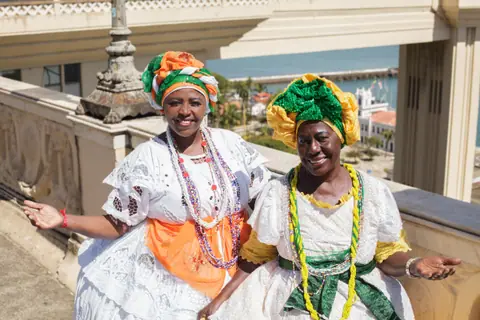
What to Wear in Salvador
Salvador, Brazil
