Salvador
Brazil's first colonial capital (1549 to 1763) and the heart of Afro-Brazilian culture, split by a 72-metre cliff between the baroque Pelourinho and the turquoise waters of All Saints' Bay.
Quick decisions
- How many days? 3 to 4 days for the Upper and Lower City, Barra, Rio Vermelho, and Bonfim; 5 to 6 days to add a boat trip to Ilha dos Frades, Morro de São Paulo, or Praia do Forte.
- Where should I stay? Barra (near Porto da Barra and the lighthouse) for safe evening walks and beaches; Santo Antônio Além do Carmo for colonial charm; Rio Vermelho for dining and music.
- Do I need a car? No for the city itself: Uber and 99 are inexpensive and convenient between Pelourinho, Barra, and Bonfim. Rent a car or book a transfer only for the Coconut Coast (Praia do Forte).
- Best for: Portuguese colonial baroque architecture, Afro-Brazilian music and percussion, acarajé and moqueca gastronomy, bay sunsets, and tropical islands.
- Before you go: Carry small notes for historic churches and museums, stick to busy squares in Pelourinho before dusk, and book Morro de São Paulo catamarans ahead in summer.
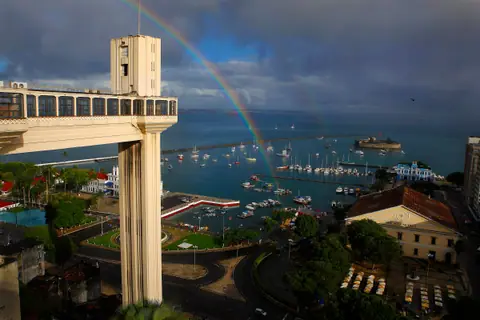
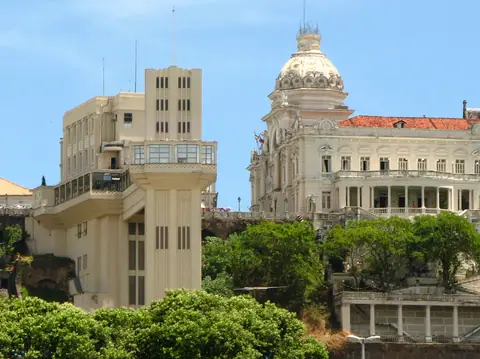
- Getting around: Ride the 1873 Elevador Lacerda or Plano Inclinado Gonçalves between Cidade Alta and Cidade Baixa, and use Uber or Metrô Line 2 from Salvador Airport (SSA).
- Continue your trip: Pair Salvador with Rio de Janeiro, colonial Ouro Preto via Belo Horizonte, or a catamaran crossing to car-free Morro de São Paulo and Boipeba.
Overview
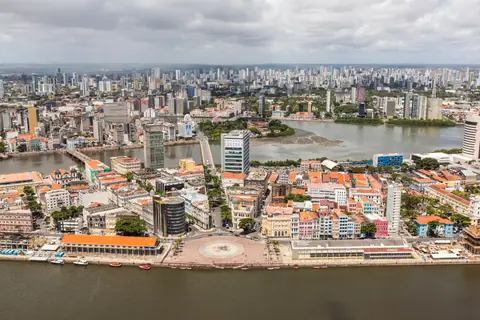
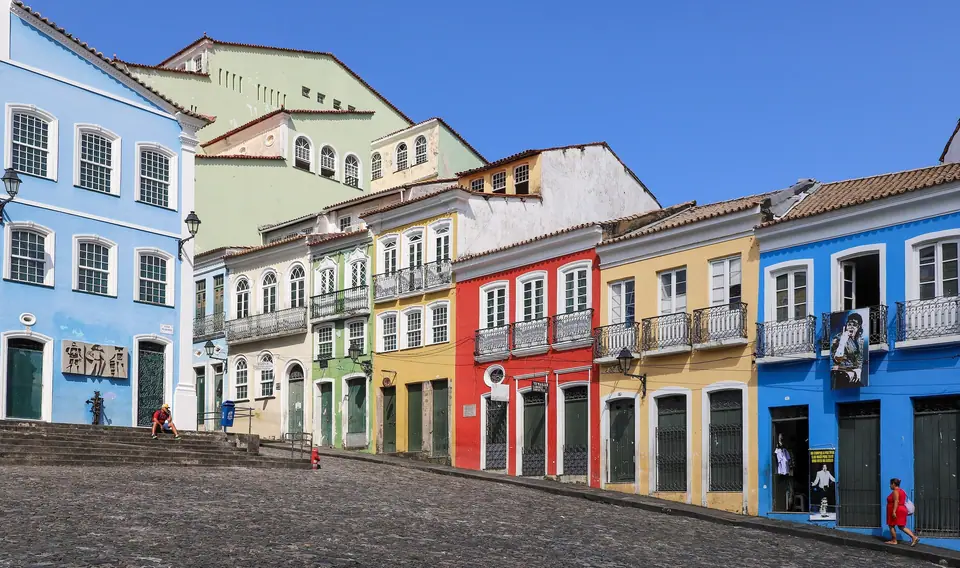
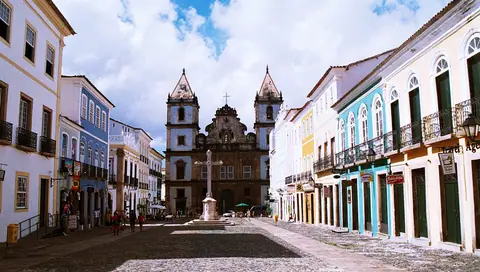
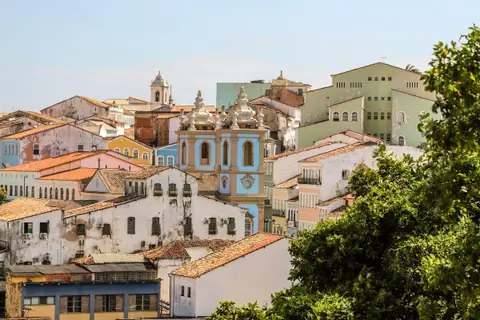
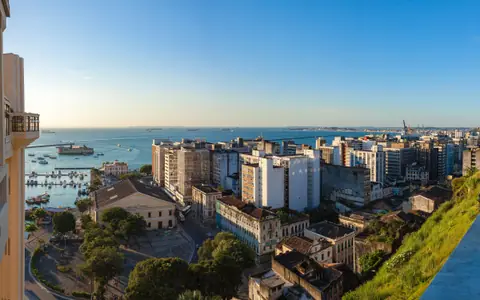
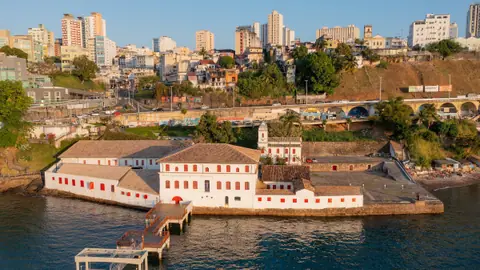
Founded on 29 March 1549 by Portuguese nobleman Tomé de Sousa as the first capital of colonial Brazil (a role it held until 1763), Salvador da Bahia rises above the entrance to the 1,100-square-kilometre Baía de Todos-os-Santos (All Saints' Bay). Designated a UNESCO World Heritage Site in 1985 and a UNESCO Creative City of Music in 2015, the city is split dramatically into two levels by an 85-metre tectonic escarpment: the Cidade Alta (Upper City), crowned by the pastel baroque palaces and gilded churches of Pelourinho, and the Cidade Baixa (Lower City), hugging the harbour, markets, and calm bay waters below.
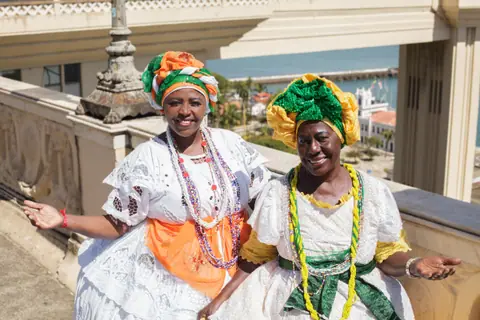
More than any other city in the Americas, Salvador is the cultural heartland of the African diaspora in Brazil. Across its cobblestone squares and oceanfront avenues, seventeenth-century Portuguese stonework meets Yoruba and Fon spiritual traditions, the rhythmic pulse of samba-reggae percussion, capoeira circles, and a culinary heritage built on palm oil (azeite de dendê), coconut milk, and fresh bay prawns.
Getting there
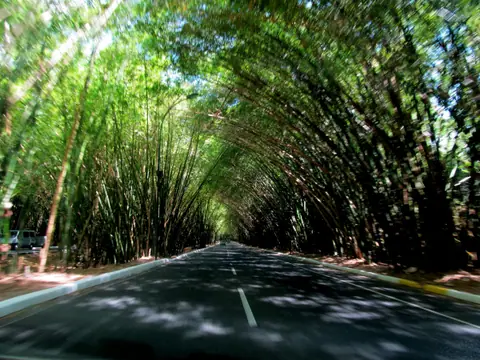
Salvador Deputado Luís Eduardo Magalhães International Airport (SSA) sits 28 kilometres northeast of the historic centre behind a famous 1.5-kilometre tunnel of living bamboo. A free shuttle connects the terminal to Aeroporto Metro Station (Line 2), while Uber and metered taxis reach Rio Vermelho, Barra, or Pelourinho in 30 to 45 minutes.
Where to stay
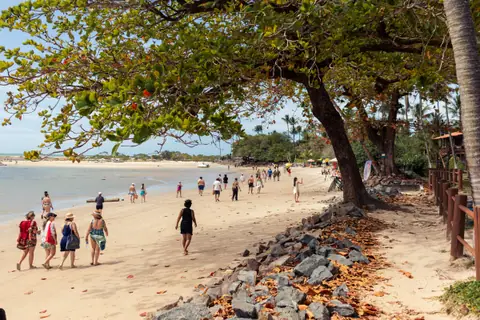
Most visitors choose between three coastal or historic districts: Barra (for walkable beaches, sunset views at Farol da Barra, and easy transport), Santo Antônio Além do Carmo (the tranquil residential hillside just north of Pelourinho), and Rio Vermelho (the bohemian dining and live-music hub).
Things to do
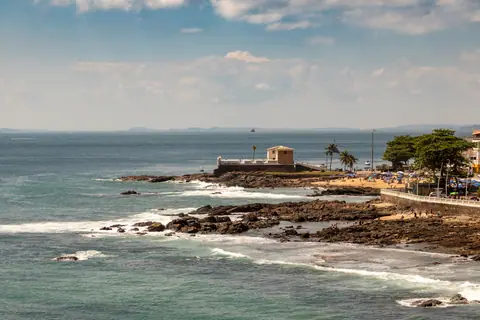
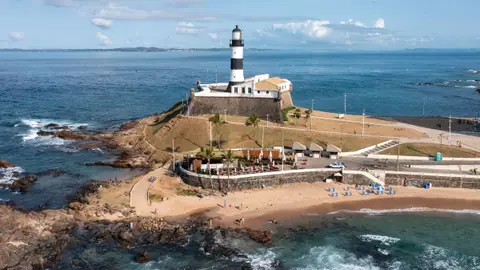
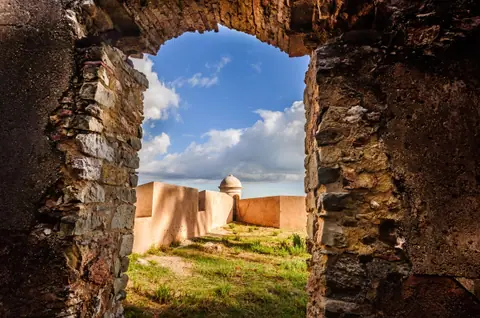
Start in the UNESCO-listed Historic Centre and Pelourinho to step inside the gold-leaf interior of the Church and Convent of São Francisco, ride the 72-metre Elevador Lacerda down to Mercado Modelo, watch the sun sink into the bay from the 1534 fort at Farol da Barra, and tie a wish ribbon outside the Basilica of Nosso Senhor do Bonfim.
Food and drink
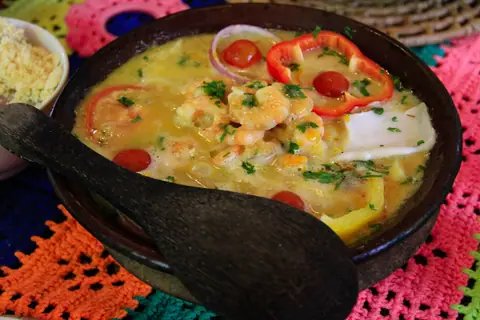
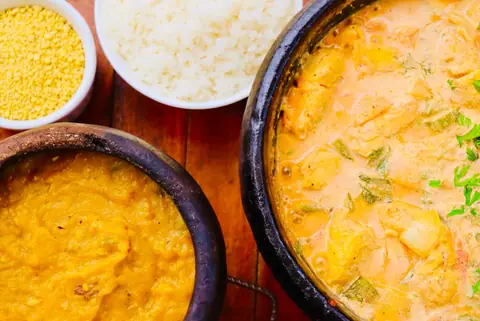
Bahian cuisine is a sensory feast anchored by moqueca baiana (slow-cooked fish or prawn stew in clay pots with coconut milk and golden dendê oil), crispy black-eyed-pea acarajé stuffed with vatapá and dried shrimp, smoky abará steamed in banana leaves, and creamy coconut cocadas.
Culture
On Tuesday evenings (Terça da Bênção), percussion ensembles fill the slopes of Pelourinho after Mass at the black brotherhood Church of Nossa Senhora do Rosário dos Pretos, while sunset at the waterfront sculpture park of Solar do Unhão (MAM) brings outdoor jazz and bay breezes.
Weather by month
Salvador is warmest in February, with average highs around 31°C, and coldest in July, when nights drop to about 21°C. May is the wettest month, with rain on about 18 days.
| Month | Low | Range | High | Rain | Rainy days |
|---|---|---|---|---|---|
| Jan | 24°C | 30°C | 63 mm | 9 d | |
| Feb | 24°C | 31°C | 70 mm | 10 d | |
| Mar | 24°C | 31°C | 84 mm | 12 d | |
| Apr | 24°C | 30°C | 112 mm | 16 d | |
| May | 23°C | 28°C | 126 mm | 18 d | |
| Jun | 22°C | 27°C | 119 mm | 17 d | |
| Jul | 21°C | 27°C | 119 mm | 17 d | |
| Aug | 21°C | 27°C | 98 mm | 14 d | |
| Sep | 22°C | 28°C | 70 mm | 10 d | |
| Oct | 23°C | 29°C | 63 mm | 9 d | |
| Nov | 23°C | 30°C | 63 mm | 9 d | |
| Dec | 24°C | 30°C | 56 mm | 8 d |
Averages of daily values from 2015 to 2024. Rainy days are days with at least 1 mm of rain. Source: Open-Meteo · Compare destinations by month.
Salvador on the map
Every place we cover in Salvador. Tap a category or pin to explore.
In-depth Salvador guides
Browse the guides grouped by topic: sights, neighbourhoods, food, transport, day trips and trip planning.
Sights, Landmarks & Parks
Key monuments, viewpoints, museums and nature trails.
- 12 Best Things to Do in Salvador: Golden Churches, Bay Sunsets & AcarajéFrom the 800 kg of gold leaf inside São Francisco Church and sunset at Farol da Barra to acarajé in Rio Vermelho and catamarans to Ilha dos Frades.
- Best Time to Visit Salvador: Tropical Seasons, Summer Fiestas & WeatherMonth-by-month weather guide to Salvador using official 1991-2020 INMET climate normals, comparing the sunny summer fiesta season, April-June rains, and spring shoulder months.
- 3 Days in Salvador Itinerary: Pelourinho, Barra Sunset, Bonfim & Bay IslandsA well-paced 3-day Salvador itinerary covering UNESCO Pelourinho and Elevador Lacerda on Day 1, Bonfim, Monte Serrat and Rio Vermelho on Day 2, and Ilha dos Frades on Day 3.
- Pelourinho, Terreiro de Jesus & Golden São Francisco Church GuideWalk through Salvador's UNESCO World Heritage historic centre: explore the gold-covered Church of São Francisco, the Cathedral Basilica, and Largo do Pelourinho.
- Elevador Lacerda, Mercado Modelo & Cidade Baixa (Lower City) GuideRide the 1873 Elevador Lacerda 72 metres down the cliff from Praça Municipal to explore Mercado Modelo, Conceição da Praia Basilica, and São Joaquim Market.
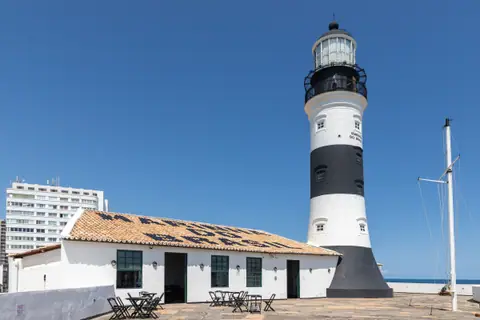
- Barra, Farol da Barra Lighthouse & Porto da Barra Beach GuideExplore the southwestern cape of Salvador: swim in the calm bay waters of Praia do Porto da Barra, tour the 1534 Fort of Santo Antônio, and watch Bahia's best sunset.
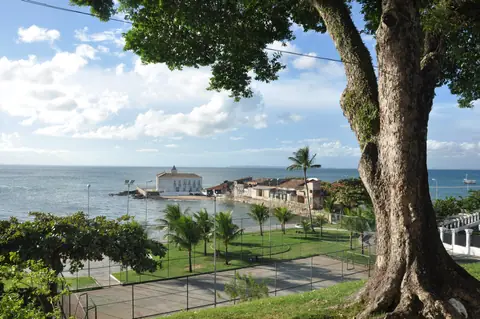
- Bonfim Basilica, Forte de Monte Serrat & Itapagipe Peninsula GuideVisit the sacred heart of Salvador on the Itapagipe Peninsula: tie wish ribbons at the 1754 Basilica of Nosso Senhor do Bonfim and watch sunset from Ponta de Humaitá.
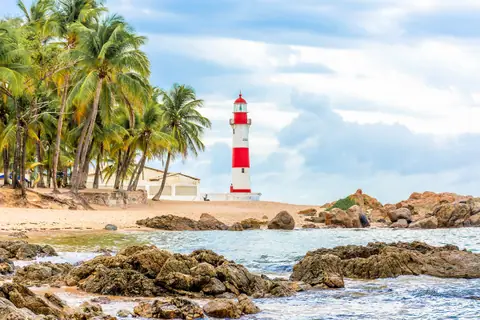
- Itapuã, Stella Maris & Praia do Flamengo Guide: Salvador's North BeachesExplore the palm-lined northern Atlantic beaches of Salvador: visit the 1873 Itapuã Lighthouse, swim in natural reef pools at Stella Maris and Flamengo, and see Lagoa do Abaeté.
Neighbourhoods & Where to Stay
Districts, historic quarters and the best bases for your stay.
- Salvador: Essential Planning for Bahia's Historic CapitalEverything you need to plan a trip to Salvador, Bahia: Upper vs Lower City geography, UNESCO Pelourinho, Atlantic beaches, transport, and safety tips.
- Where to Stay in Salvador: Barra, Santo Antônio Além do Carmo & Rio VermelhoCompare the best neighbourhoods to stay in Salvador: walkable beachfront Barra, quiet colonial Santo Antônio Além do Carmo, bohemian Rio Vermelho, or Pelourinho.
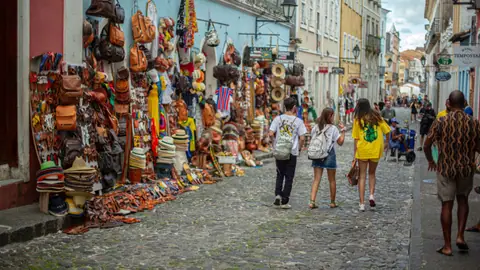
- Pelourinho Guide: Salvador's Colonial Old TownA walking route through the colonial centre, and how to enjoy it safely.
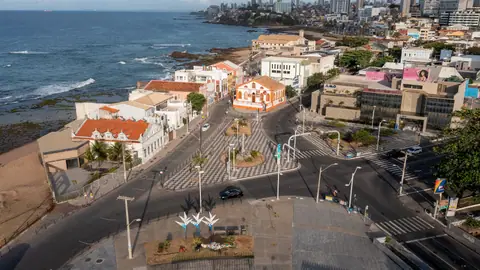
- Rio Vermelho Guide: Casa de Jorge Amado, Iemanjá Shrine & Best AcarajéExplore Salvador's bohemian seaside quarter of Rio Vermelho: tour Jorge Amado's garden home, taste legendary acarajé at Largo de Santana, and visit the Shrine of Iemanjá.
- Santo Antônio Além do Carmo & Solar do Unhão (MAM) GuideStroll north of Pelourinho through the quiet colonial streets of Santo Antônio Além do Carmo and watch sunset at the waterfront sculpture park of Solar do Unhão.
Food & Drink
Local dishes, markets, cafés and dining districts.
- What to Eat in Salvador: Moqueca Baiana, Acarajé, Vatapá & Bobó de CamarãoA culinary guide to Bahian cuisine in Salvador: understand clay-pot moqueca baiana, acarajé fried in dendê oil, abará, bobó de camarão, and tropical sweets.
- Bahian Food Guide: What to Eat in SalvadorPalm oil, coconut and the street food that defines the city.
Getting Around & Arrival
Airport transfers, public transit, passes and driving rules.
Day Trips & Excursions
Easy half-day and full-day trips from the city.
- Day Trips from Salvador: Islands, Beaches and the RecôncavoIslands in the bay, turtle beaches, and a colonial town up the river.
- Morro de São Paulo, Ilha dos Frades & Praia do Forte Day Trips GuidePlan the three best coastal and island excursions from Salvador: sail to Blue Flag Ilha dos Frades, take the catamaran to car-free Morro de São Paulo, or visit Praia do Forte.
Trip Planning & Itineraries
When to visit, what to pack and day-by-day routes.
Need your embassy or consulate in Brazil? See embassies and consulates in Brazil.
Reviews
Log in to write a review.
No reviews yet.