


























Santo Antônio Além do Carmo & Solar do Unhão (MAM) Guide
Stroll north of Pelourinho through the quiet colonial streets of Santo Antônio Além do Carmo and watch sunset at the waterfront sculpture park of Solar do Unhão.
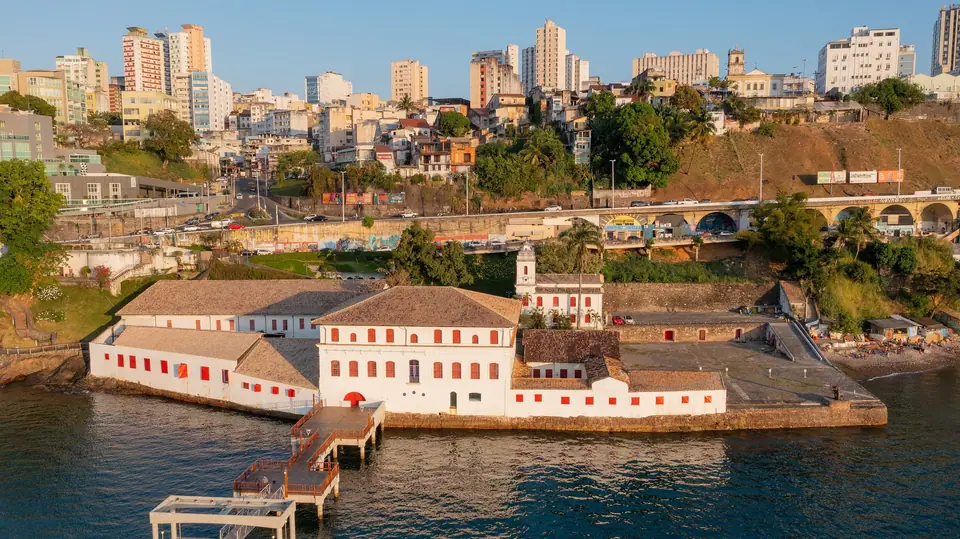
For travellers who want to experience Salvador's colonial heritage and contemporary arts away from souvenir crowds, two historic sites bookend the UNESCO cliff ridge: the bohemian residential village of Santo Antônio Além do Carmo to the north, and the waterfront sugar estate of Solar do Unhão (Museum of Modern Art of Bahia) directly at the water's edge to the south.
1. Passo do Carmo and Santo Antônio Além do Carmo
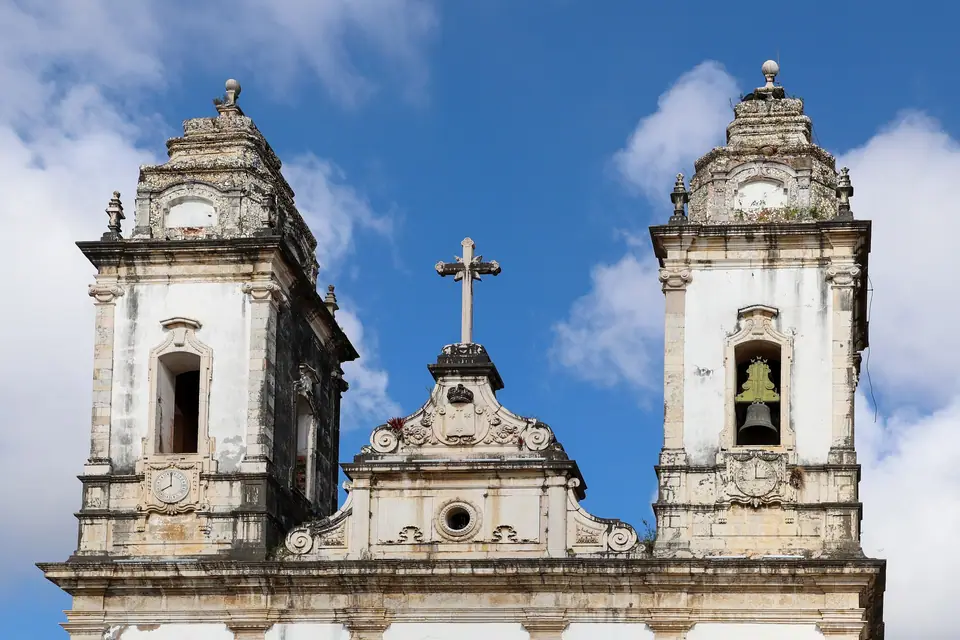
Climbing the monumental 54-step staircase of the Escadaria do Passo from the top of Largo do Pelourinho leads you along Rua Direita do Carmo past two landmark convents:
- Convento e Igreja do Carmo (1586) & Third Order of Carmo (1788): Where Dutch forces signed their surrender to Luso-Brazilian troops in 1625, and where the sacristy of the Third Order houses the moving 1780 polychrome cedar sculpture of the Dead Christ by enslaved Bahian sculptor Francisco das Chagas (O Cabra), studded with 2,000 rubies representing drops of blood.
- Rua Direita de Santo Antônio: Continuing ten minutes north along the ridge, the street opens into the quiet, colourful neighbourhood of Santo Antônio Além do Carmo. Single- and two-storey townhouses painted in turquoise, ochre, and coral pink host independent bookstores, antique galleries, and west-facing balcony bistros looking out over the shipping cranes and sailboats of All Saints' Bay.
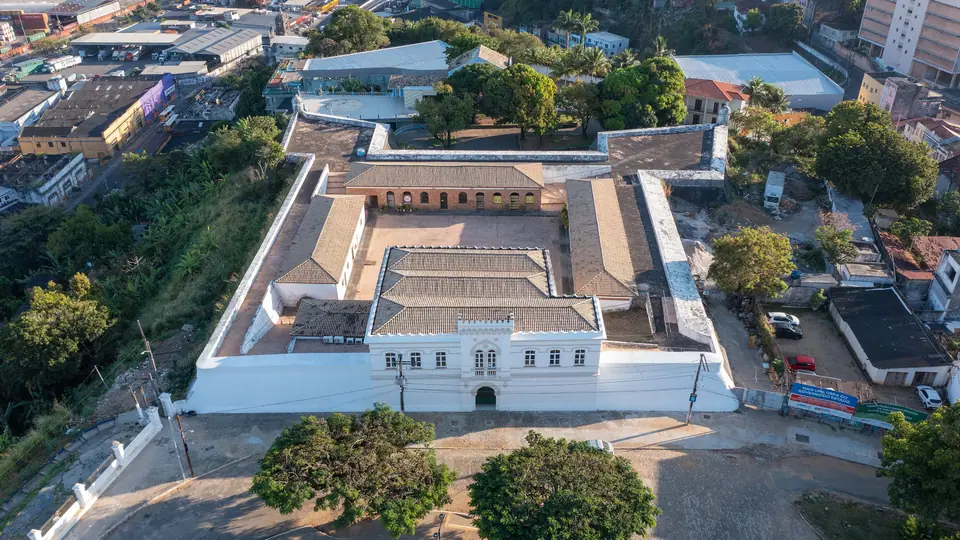
- Forte da Capoeira (Forte de Santo Antônio Além do Carmo): At the northern Largo de Santo Antônio stands a whitewashed seventeenth-century fortress converted in 2006 into the Centro de Cultura Popular Forte da Capoeira, where master academies of both Capoeira Angola (founded by Mestre Pastinha) and Capoeira Regional (founded by Mestre Bimba) hold evening training and percussion circles.
2. Solar do Unhão and the Museum of Modern Art of Bahia (MAM)
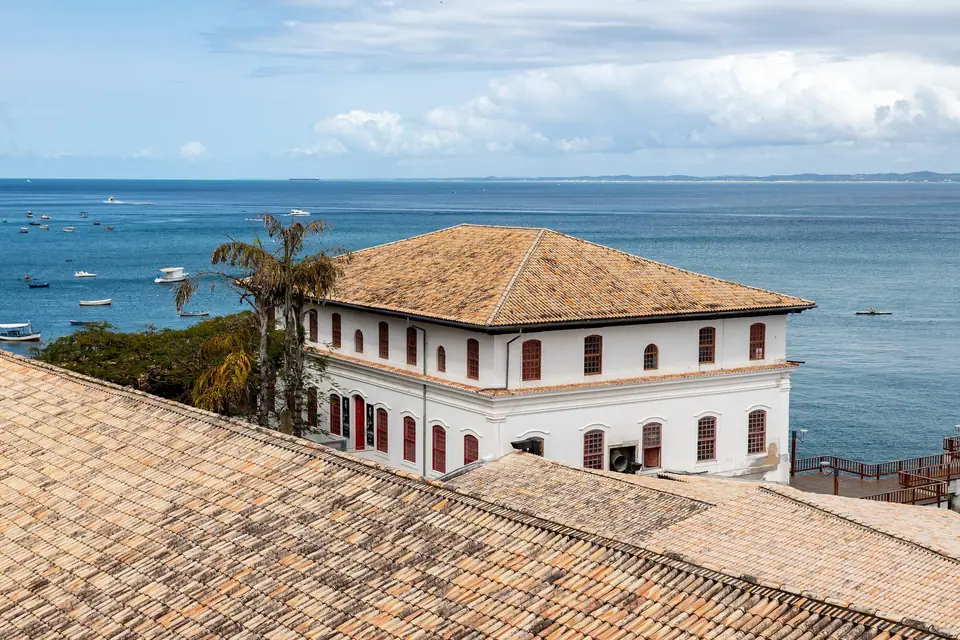
At the opposite, southern end of the historic ridge along Avenida Contorno (a 5-minute taxi ride from Elevador Lacerda), a cobblestone ramp descends to the water's edge at Solar do Unhão. Built in the seventeenth and eighteenth centuries as an urban sugar agro-industrial estate (engenho) with its own private wharf, manor house, vaulted sugar warehouse, and the baroque Chapel of Nossa Senhora da Conceição, the complex was restored in the early 1960s by Italian-Brazilian modernist architect Lina Bo Bardi to house the Museu de Arte Moderna da Bahia (MAM-BA).
Inside the main manor house, Lina Bo Bardi designed a famous spiral wooden staircase constructed entirely with traditional Bahian ox-cart joinery and zero metal nails. Outside along the breakwater, the open-air Sculpture Park frames contemporary works against the sparkling water of All Saints' Bay, making the stone pier of Solar do Unhão one of the most atmospheric places in Salvador to watch the late-afternoon sunset or attend the Saturday evening Jam no MAM jazz sessions; check the official MAM-BA portal for exhibition and concert schedules.
Traveller tips
Real advice from people who have been to Santo Antônio Além do Carmo & Solar do Unhão (MAM). Every tip is read by our team before it goes live.
No tips yet. Been here? Yours could be the first.
Thank you! Your tip will appear here after a quick review.
More in Salvador
Continue exploring Salvador with related neighbourhood, food, and planning guides
Morro de São Paulo, Ilha dos Frades & Praia do Forte Day Trips Guide
Salvador, Brazil
Salvador: Essential Planning for Bahia's Historic Capital
Salvador, Brazil
12 Best Things to Do in Salvador: Golden Churches, Bay Sunsets & Acarajé
Salvador, Brazil
How to Get to Salvador: Airport (SSA), Bamboo Corridor, Metro & Ferries
Salvador, Brazil
