





















What to Eat in Salzburg: Salzburger Nockerl, Original Fürst Mozartkugel, Kasnocken, Bosna & Café Tomaselli
Taste Salzburg's culinary classics: how to spot a handmade 1890 Fürst Mozartkugel in blue-and-silver foil, three-peaked Salzburger Nockerl soufflé, Pinzgauer Kasnocken, the 1949 Bosna, and 1703 Café Tomaselli.
Salzburg's kitchen brings together two distinct culinary worlds. From the court of the Prince-Archbishops comes an aristocratic pastry and coffeehouse tradition of whipped egg-white soufflés, hand-dipped pistachio marzipan truffles, and wood-fired monastery brioche. From the high pastures of the surrounding Pongau and Pinzgau Alps comes hearty mountain skillet cooking based on aged beer cheese, clarified butter, and wild game. A few insider details help you tell an authentic 1890 handmade Mozartkugel from a factory souvenir box. They also lead you straight to the medieval courtyards where locals eat.
1. Original Salzburger Mozartkugel (1890): Why Blue-and-Silver Foil Matters
Every souvenir shop along Getreidegasse stacks red-and-gold boxes of chocolate balls bearing Mozart's portrait. However, those mass-produced factory sweets are not the original. In 1884, master confectioner Paul Fürst opened his pastry shop at Brodgasse 13 beside the Alter Markt. In 1890, he invented the Mozart-Bonbon (later named the Mozartkugel), winning a gold medal at the 1905 Paris Exhibition. Because Paul Fürst never patented the recipe name, industrial factories began copying it. Following a landmark 1996 court ruling, only the Fürst family (led in the fifth generation by Martin Fürst) holds the legal title. Only their handmade truffle may be called the "Original Salzburger Mozartkugel":
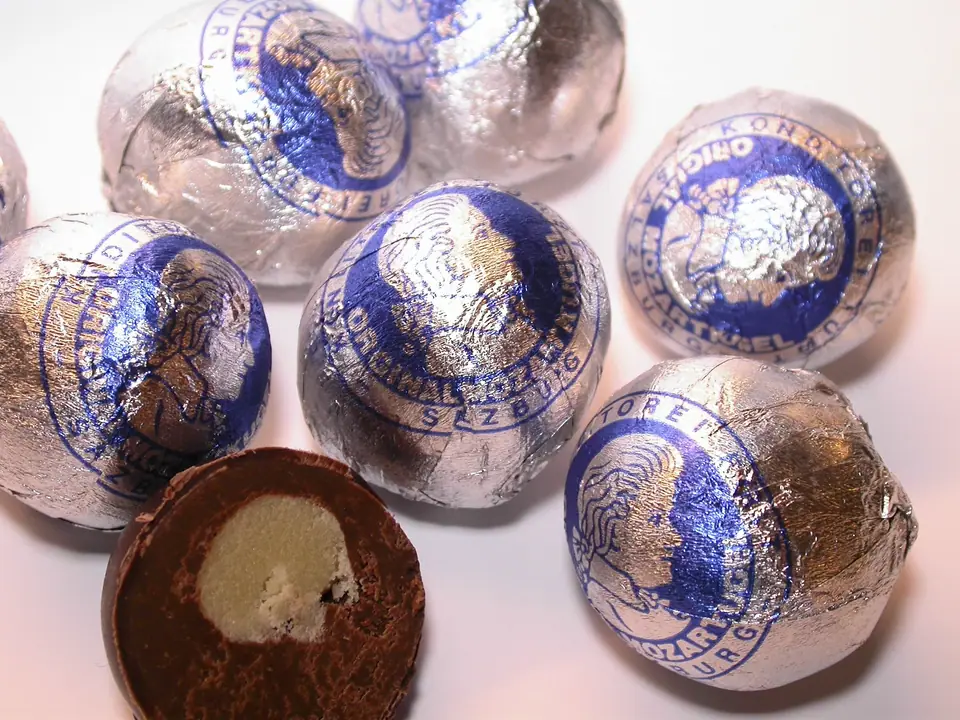
- How it is made by hand. Confectioners roll a ball of green pistachio marzipan around a heart of rich hazelnut nougat. Next, they impale each sphere on a wooden stick and dip it into dark couverture chocolate. Once cooled, they pull out the stick and plug the tiny hole with a dot of chocolate.
- How to spot the real one. Authentic Fürst Mozartkugeln are wrapped exclusively in silver foil printed with a blue portrait of Mozart (never red and gold). Because they contain zero artificial preservatives, they have a fresh shelf life of roughly eight weeks. You can buy them only at Konditorei Fürst's four Salzburg shops. Those branches sit at Brodgasse 13 on the Alter Markt, Mirabellplatz 5, Getreidegasse 47, and the Ritzerbogen passage.
2. Salzburger Nockerl: The Three Snow-Dusted Mountains on a Plate
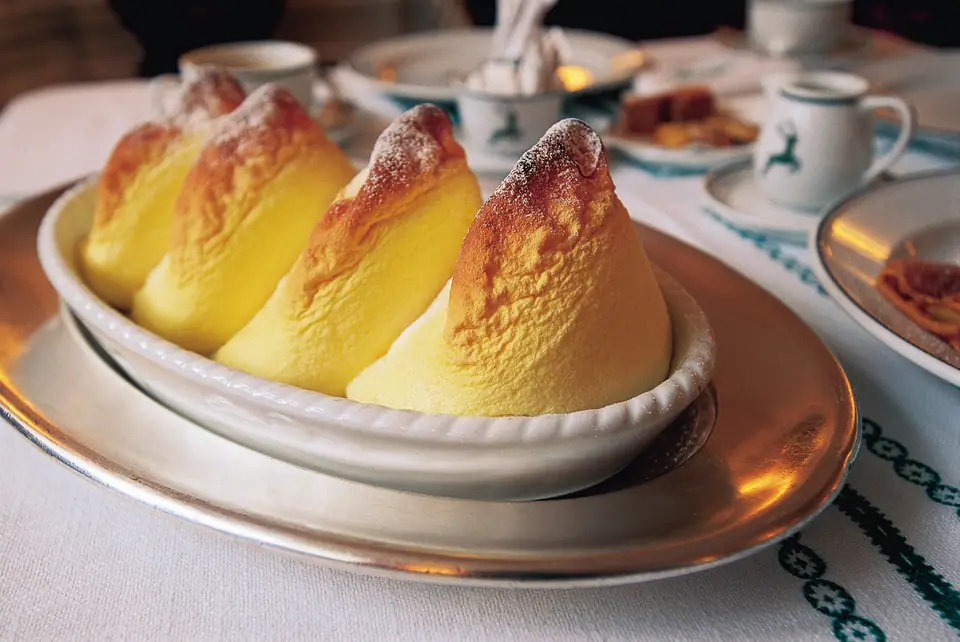
Salzburg's signature hot dessert is Salzburger Nockerl (pronounced NOK-erl), a feather-light sweet soufflé created for the Prince-Archbishops' court. Pastry chefs whip egg whites and fine caster sugar into stiff peaks, then fold in egg yolks, vanilla, and a whisper of flour. Next, they shape the cloud-like batter into three tall mounds inside a buttered oval porcelain gratin dish. Warm tart lingonberry or raspberry compote lines the bottom before the dish bakes for 12 minutes until golden brown.
The soufflé arrives straight from the oven dusted with icing sugar (Staubzucker). Its three golden peaks represent Salzburg's three town mountains (the Mönchsberg, Kapuzinerberg, and Festungsberg / Gaisberg) dusted with fresh alpine snow. Every portion is whipped to order and takes 20 to 25 minutes to bake. Order your Salzburger Nockerl at the same time as your main course. One portion easily serves two or three people at classic taverns such as Bärenwirt, Wilder Mann, or Stiftskeller St. Peter.
3. Five Savoury Salzburg & Alpine Classics
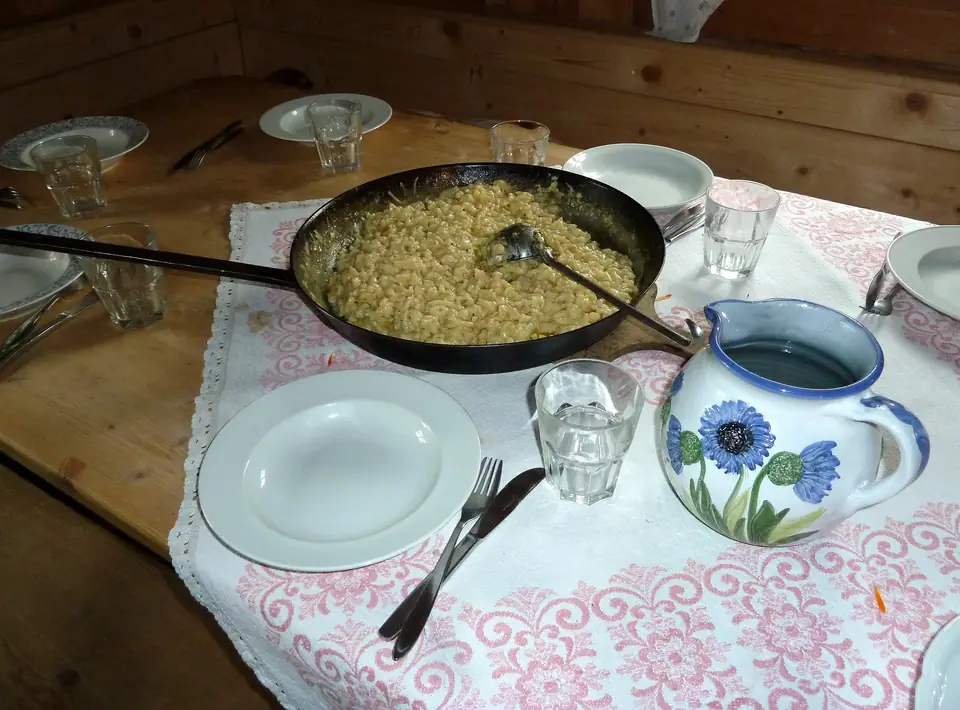
- Pinzgauer Kasnocken (pronounced KAHS-nok-en). Salzburg's answer to mac and cheese comes from the alpine pastures of the Pinzgau region. Cooks press small flour-and-egg dumplings (Spätzle / Nocken) into boiling water. Next, they toss the hot dumplings in a heavy cast-iron skillet (Pfandl) with melted clarified butter and caramelised onions. Pungent regional Pinzgauer Bierkäse (aged mountain beer cheese) melts into strings before a topping of crispy fried onion rings (Röstzwiebeln) and fresh chives finishes the dish.
- The 1949 Bosna at Balkan Grill Walter (Getreidegasse 33). Step into the narrow medieval Durchhaus archway at Getreidegasse 33 (connecting to Universitätsplatz). There a tiny tiled window has drawn a daily queue since 1950. Born in Bulgaria, Zanko Todoroff invented the Bosna in Salzburg in 1949. Two sizzling grilled pork Bratwurst sausages are tucked inside a toasted white bread roll pressed crisp on a contact iron. The roll is dressed with finely chopped raw white onions, fresh parsley, and a secret aromatic blend of mustard and yellow curry powder. Carry cash and order the classic "Nummer 1" (two sausages with onions, mustard, and curry).
- Wiener Schnitzel vom Kalb & Backhendl. Thinly pounded milk-fed veal escalopes are coated in flour, beaten egg, and fresh breadcrumbs. Cooks soufflé-fry them in bubbling clarified butter (Butterschmalz) and serve them with parsley potatoes and lingonberry jam (Preiselbeeren). Equally beloved in Salzburg is golden-fried Backhendl, consisting of breaded free-range chicken pieces served with warm potato-and-lamb's-lettuce salad drizzled with dark Styrian pumpkin-seed oil. For authentic tavern cooking, book a table at Gasthof Bärenwirt (founded 1663 in Mülln) or Pauli Stubm below the Fortress. Two more local favourites are Zwettler's Wirtshaus on Kaigasse and Andreas Hofer Weinstube on Steingasse.
- Kaspressknödel & Bauernschmaus. Pan-fried pressed grey-cheese bread dumplings are served either floating in clear beef consommé (Kaspressknödelsuppe) or on warm sauerkraut. Hearty Bauernschmaus platters pair roast pork, smoked Geselchtes, and Frankfurter sausage with bread dumplings.
- Wood-Fired Sourdough Brioche at Stiftsbäckerei St. Peter. Hidden behind the wooden waterwheel of the Almkanal at Kapitelplatz 8 operates Salzburg's oldest monastery bakery, first documented in the twelfth century. Bakers pull dark natural-starter rye loaves (Holzofenbrot) and warm spiced currant brioche buns (Vinschgerl and Milchbrötchen) straight from a wood-fired brick oven.
4. Café Tomaselli (1703) & Café Bazar: How Salzburg Coffeehouse Etiquette Works
Before Vienna opened its famous Ringstrasse cafés, Salzburg founded the oldest continuously operating coffeehouse in Austria. On 30 March 1700, Prince-Archbishop Johann Ernst von Thun granted court merchant Johann Fontaine a licence to serve coffee, tea, and chocolate. The café relocated to its current corner house on the Alter Markt 9 in 1703. Confectioner Carl Tomaselli acquired the business in 1852, and his descendants still run it today. Wolfgang Amadeus Mozart was a regular customer who loved ordering almond milk (Mandelmilch). Later, his widow Constanze lived right upstairs in the same house from 1820 to 1826.
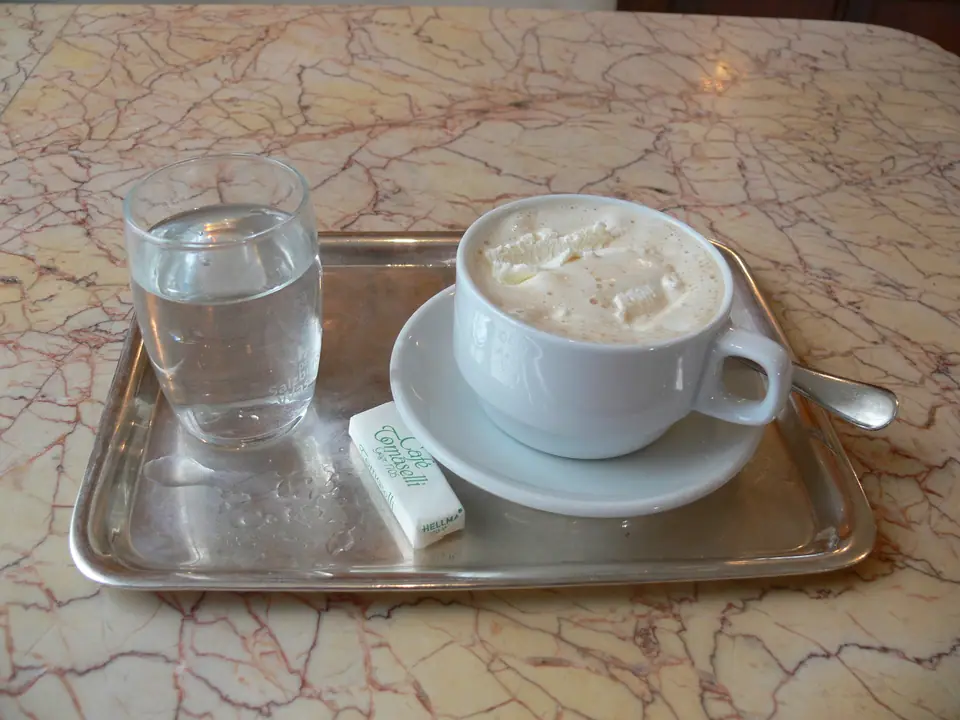
Inside Café Tomaselli's wood-panelled parlour or up on its flower-draped summer kiosk terrace, coffeehouse service follows a two-century-old ritual. First, a bow-tied waiter (Herr Ober) takes your drink order on a silver tray. Classic orders include a Melange with steamed milk foam, a Verlängerter, or an Einspänner black Mokka topped with whipped cream. Moments later, the Kuchendame ("cake lady") arrives carrying a large wicker display tray directly to your marble table. Her tray holds twenty homemade strudels, Esterházy slices, fruit tarts, and Dobostorte, and you pay her in cash on the spot. Afterwards, cross the river to the 1881 Café Bazar on the Right Bank (Schwarzstrasse 3) next to the Mozarteum. Its riverside terrace looks straight across the Salzach toward the Left Bank domes.
Traveller tips
Real advice from people who have been to Salzburg. Every tip is read by our team before it goes live.
No tips yet. Been here? Yours could be the first.
Thank you! Your tip will appear here after a quick review.
More in Salzburg
Continue exploring Salzburg with related neighbourhood, food, and planning guides
Best Time to Visit Salzburg: GeoSphere Austria Climate Normals, Salzburg Festival & Christkindlmarkt
Salzburg, Austria
What to Wear in Salzburg: Alpine Schnürlregen Rain Gear, Cobblestone Footwear & Festspielhaus Dress Code
Salzburg, Austria
Where to Stay in Salzburg: Left Bank Altstadt, Right Bank Neustadt, Mülln, Nonntal & Leopoldskron Compared
Salzburg, Austria
Salzburg 3-Day Itinerary: Old Town Domes, Hohensalzburg, Mozart & Mirabell, Hellbrunn & Salzkammergut Lakes
Salzburg, Austria
