





















Best Things to Do in Salzburg: Hohensalzburg Fortress, Mozart Sites, DomQuartier, Mirabell & Sound of Music
Discover the essential experiences in Salzburg, from climbing to the 1077 Hohensalzburg Fortress and touring the DomQuartier to Mozart's Birthplace, Mirabell Gardens, Hellbrunn, and Sound of Music sites.
Few European cities pack such architectural drama and musical history into a compact two-kilometre valley. Within a single morning in Salzburg, you can ride an 1892 funicular up a sheer dolomite cliff into Central Europe's largest intact medieval fortress. Down on the valley floor, you can cross the marble arches where a seventeen-year-old Wolfgang Amadeus Mozart performed for the Prince-Archbishops. By afternoon, you can dodge seventeenth-century water-powered mechanical fountains at Hellbrunn or trace 1965 filming locations from The Sound of Music. Unlike larger capitals such as Vienna or Munich, Salzburg lets you link medieval castles, Italianate cathedrals, and Alpine peaks without long transit rides.
Eight essential experiences across the city
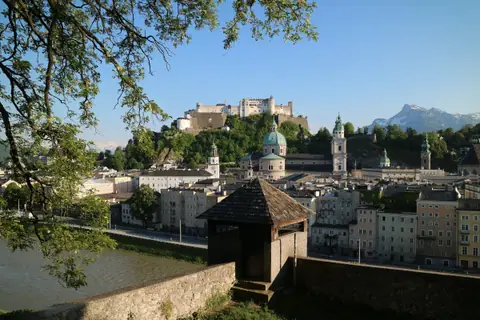
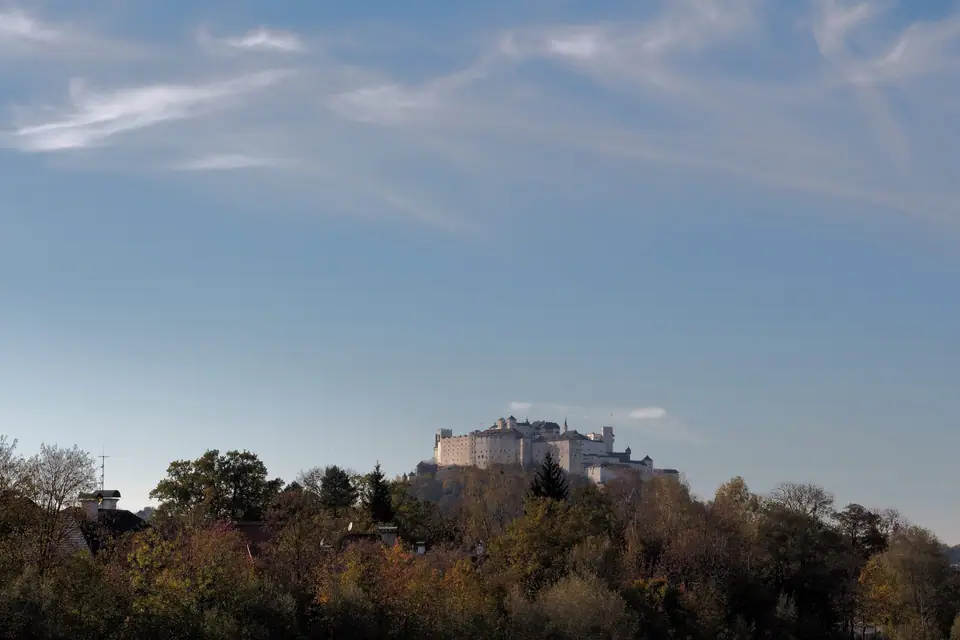
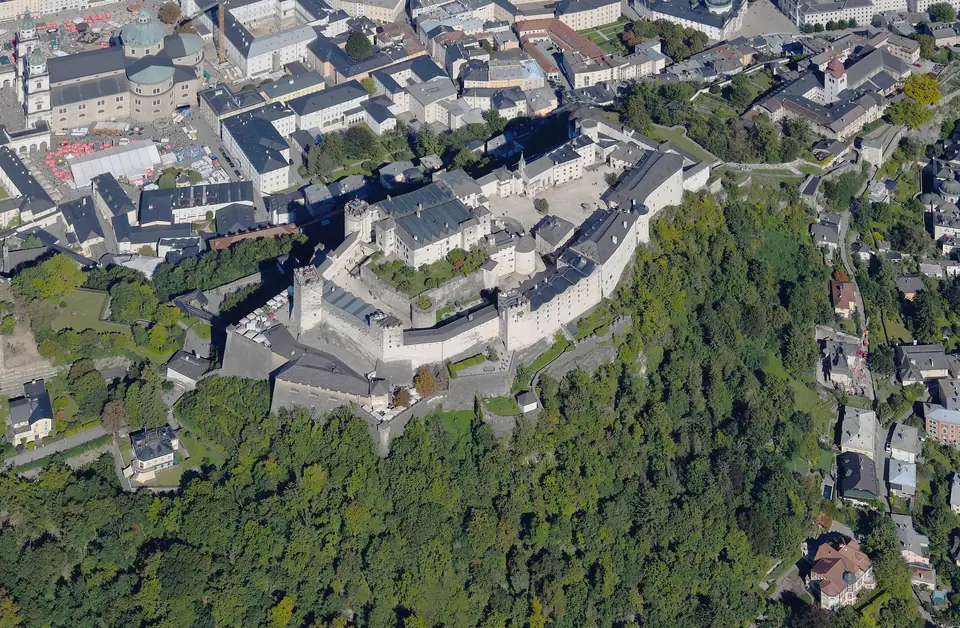
- Ascend the 1077 Hohensalzburg Fortress: Archbishop Gebhard founded this citadel in 1077 during the Investiture Controversy, and Prince-Archbishop Leonhard von Keutschach expanded it around 1500. Today Hohensalzburg Fortress stands as the largest fully preserved medieval castle complex in Central Europe. Ride the 1892 Festungsbahn funicular in 54 seconds from Festungsgasse 4, or walk up the steep footway past 714 CE Nonnberg Abbey. Inside, tour the late-Gothic gilded Princes' Chambers (Fürstenzimmer) and climb to the 360-degree Reckturm viewpoint. Three times daily, the 1502 mechanical pipe organ known as the Salzburger Stier ("Salzburg Bull") plays across the valley.
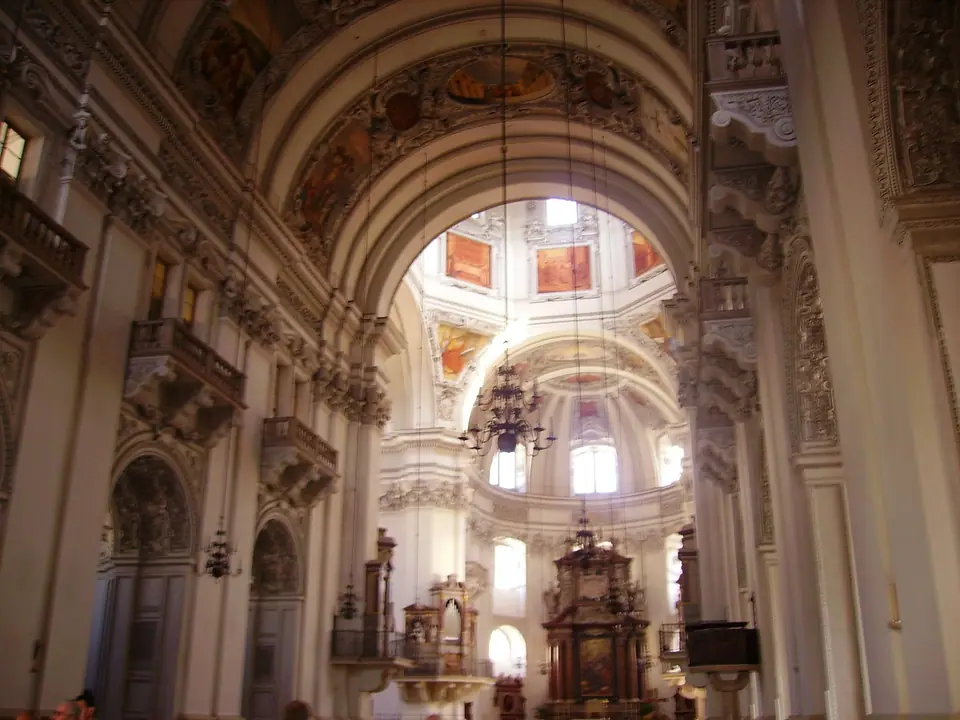
- Walk the DomQuartier & Salzburg Cathedral: Enter the seventeenth-century Salzburg Cathedral (Salzburger Dom) to admire the 1321 bronze baptismal font. Here infant Wolfgang Amadeus Mozart was christened on 28 January 1756, one day after his birth. Next, follow the DomQuartier, a continuous first-floor museum loop opened in 2014 across the palace arches. Its elevated walkways unite the State Rooms of the Alte Residenz, the 66-metre-long Carabinierisaal, and the Residenzgalerie painting collection. From the Cathedral organ loft, the route continues into St. Peter's Abbey (founded 696 CE), St. Peter's Cemetery, and the rock-cut Catacombs.
- Visit Mozart's Birthplace & Residence: Stroll beneath the wrought-iron guild signs of Getreidegasse (geh-TRY-deh-gah-seh) and step through its medieval Durchhäuser courtyards. Halfway down the lane stands the bright yellow Hagenauer townhouse at Getreidegasse 9. Leopold and Anna Maria Mozart rented a third-floor apartment here from 1747 to 1773. Their son Wolfgang Amadeus was born in the back room on 27 January 1756, where his childhood violin and concert clavichord remain on display. Afterwards, cross the Salzach River to the eight-room Mozart Residence (Mozart-Wohnhaus) at Makartplatz 8 to see his original Hammerflügel fortepiano.
- Tour the Salzburg Festival Halls: Three theatres of the Salzburg Festival (founded in 1920) sit carved into the vertical quarry wall of the Mönchsberg along Hofstallgasse. Join an afternoon guided tour to step inside the 1693 open-air stone arcades of the Felsenreitschule (Summer Riding School). The tour also visits the 1,495-seat Haus für Mozart and Clemens Holzmeister's 2,179-seat Grosses Festspielhaus (opened in 1960). Outside on Herbert-von-Karajan-Platz shines the 1695 frescoed Pferdeschwemme royal horse bath beside the 1765 Siegmundstor tunnel.
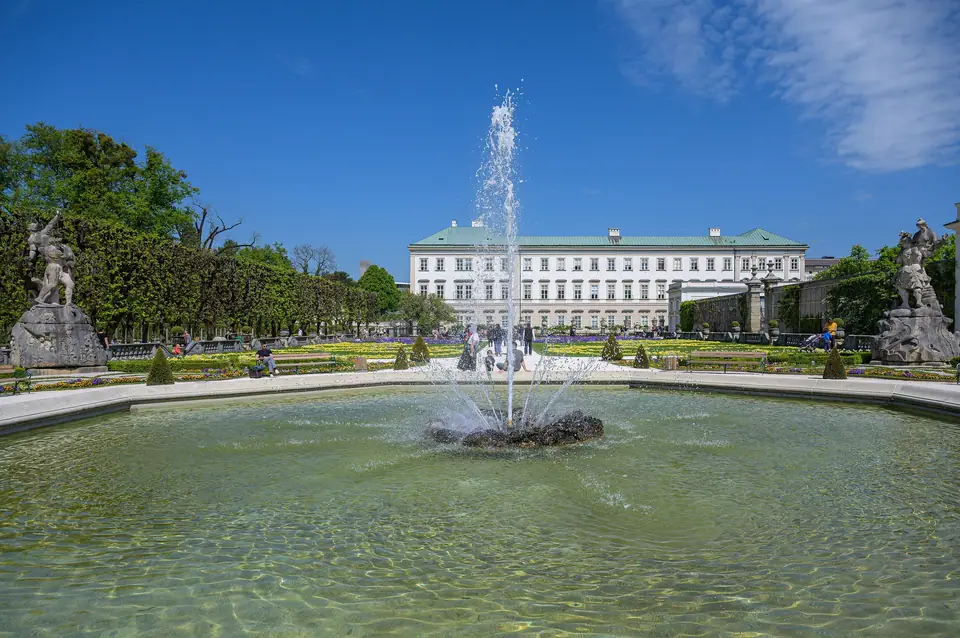
- Stroll Mirabell Gardens & Kapuzinerberg: Across the river on the Right Bank unfold the geometric parterres of Mirabell Palace and Gardens. Imperial architect Johann Bernhard Fischer von Erlach redesigned these gardens around 1690 along a visual axis facing the Fortress. Admire the 1661 bronze Pegasus Fountain, the 1715 baroque Hedge Theatre, and the 17 marble statues of the Dwarf Garden (Zwergelgarten). Inside the palace, Raphael Donner's 1727 Angel Staircase leads up to the gilded Marble Hall. Across Linzer Gasse, the 250 steps of the Imbergstiege climb onto the forested bastions of Kapuzinerberg.
- Experience Hellbrunn & the Untersberg Cable Car: Ride Bus 25 twenty minutes south to Schloss Hellbrunn, built between 1612 and 1615 by Santino Solari for Prince-Archbishop Markus Sittikus. Join the guided tour through the world's best-preserved late-Renaissance Trick Fountains (Wasserspiele). Highlights include water-jet stone dining stools, shell grottos, and the 1750 water-driven Mechanical Theatre of 200 wooden figures. Continue 10 minutes further south on Bus 25 to Grödig, where the Untersberg Cable Car climbs to the 1,776-metre Geiereck peak.
- Trace The Sound of Music filming locations: Director Robert Wise filmed the 1965 musical across Salzburg in spring 1964. You can visit nearly every location independently on foot or by city bus. Spot the Pegasus Fountain, Hedge Tunnel, and Do-Re-Mi steps in Mirabell Gardens before crossing to Nonnberg Abbey. Continue to the rocky arcades of the Felsenreitschule and the wrought-iron arcades of St. Peter's Cemetery. Further south lie the lakeside views of Schloss Leopoldskron from Meierhofweg and the white Sound of Music Pavilion (gazebo) inside Hellbrunn Park.
- Pour a stein at Augustiner Bräu & taste a Fürst Mozartkugel: End the afternoon at Augustiner Bräu Kloster Mülln (founded 1621), Austria's largest historic beer tavern. Gravity-tapped wooden barrels dispense unpasteurised Märzen beer into cold stone mugs beneath a 1,400-seat chestnut garden. Pair your visit with two sweet classics from our Salzburg food guide. Pick up a handmade silver-and-blue Original Salzburger Mozartkugel at Konditorei Fürst (invented in 1890) and share a warm Salzburger Nockerl soufflé.
Combining city highlights with a Salzkammergut or Berchtesgaden day trip
Three days in Salzburg cover the Left and Right Bank monuments, Hellbrunn, and the Untersberg summit at an unhurried pace. If you add a fourth day, Salzburg sits 30 to 90 minutes from two Alpine regions detailed in our Salzburg day trips guide. East of the city stretches the Salzkammergut Lake District. Postbus 150 runs in 50 minutes to St. Gilgen on Wolfgangsee. Ferry boats link St. Gilgen to the 1893 Schafbergbahn cog railway in St. Wolfgang. From there, buses and trains continue to imperial Bad Ischl and UNESCO-listed Hallstatt. Directly south across the German border, Bus 840 reaches Berchtesgaden in 48 minutes. There you can visit the 1517 Salt Mine, electric boats on Königssee, and the seasonal 1,834-metre Eagle's Nest (Kehlsteinhaus).
Traveller tips
Real advice from people who have been to Salzburg. Every tip is read by our team before it goes live.
No tips yet. Been here? Yours could be the first.
Thank you! Your tip will appear here after a quick review.
More in Salzburg
Continue exploring Salzburg with related neighbourhood, food, and planning guides
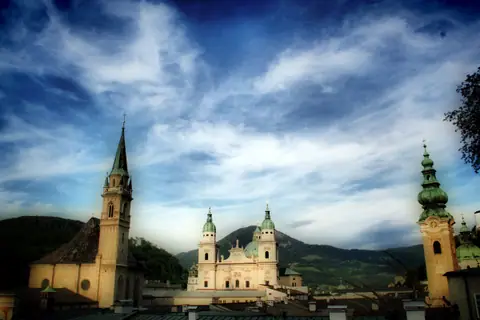
Salzburg 3-Day Itinerary: Old Town Domes, Hohensalzburg, Mozart & Mirabell, Hellbrunn & Salzkammergut Lakes
Salzburg, Austria
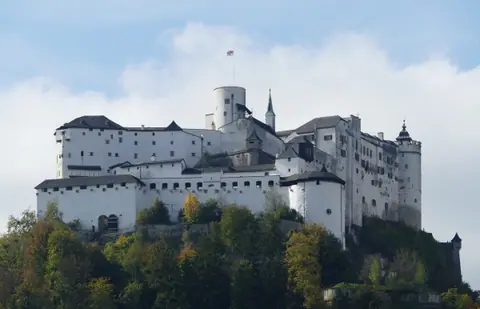
Hohensalzburg Fortress, 1892 Festungsbahn Funicular, Nonnberg Abbey & Mönchsberg Clifftop Walk
Salzburg, Austria
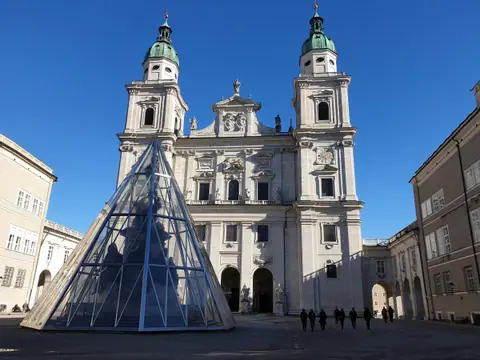
Salzburg Cathedral, DomQuartier State Rooms, St. Peter's Abbey, Catacombs & Kapitelplatz Guide
Salzburg, Austria
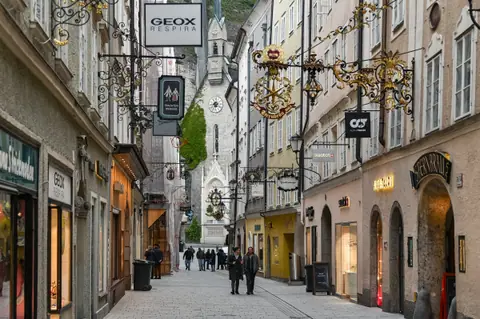
Getreidegasse Guild Signs, Mozart's Birthplace, Mozart Residence & Grosses Festspielhaus Walk
Salzburg, Austria
