


























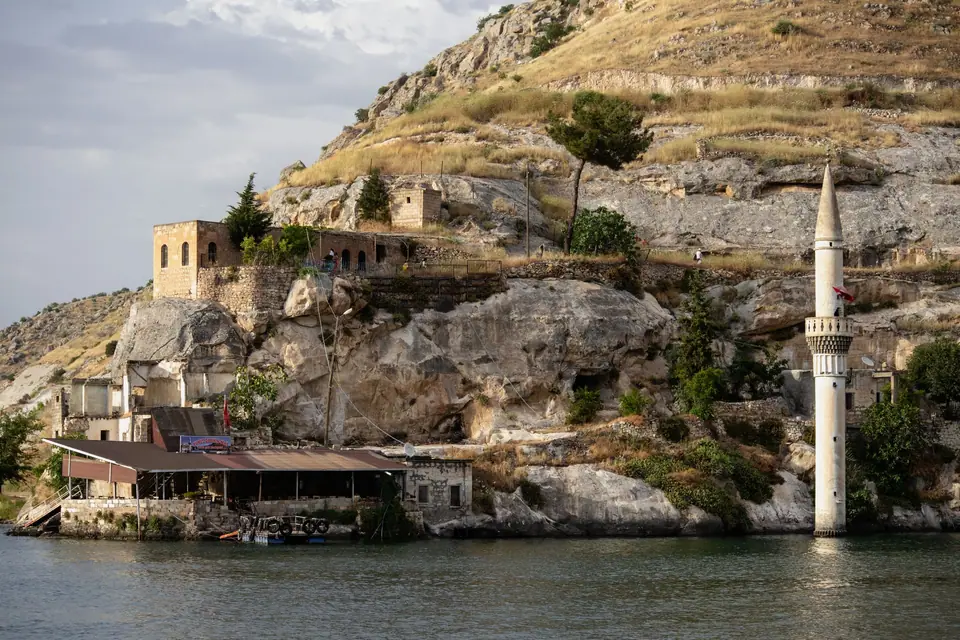
Best Time to Visit Şanlıurfa: Spring Green Hills, Golden Autumns and Avoiding July Heat
Why spring (March to May) and autumn (October to November) are the essential seasons for walking Göbeklitepe and Harran.
Lying at 520 metres elevation at the northern edge of the Syrian-Mesopotamian desert plain, Şanlıurfa has one of the hottest, sunniest summer climates in Turkey, contrasted with mild winters and two glorious shoulder seasons. To enjoy open-air prehistoric sites like Göbeklitepe, Karahantepe and Harran in complete comfort, plan your trip for mid-March to late May or October to late November.
Spring: Emerald Hills & Black Roses (March, April and May) is extraordinary. While summertime photos show Göbeklitepe surrounded by dry yellow hills, in March and April the entire Germuş mountain range and the Harran Plain are carpeted in lush green grass, red wild poppies and mustard flowers under 20°C to 27°C skies. In April, the famous black roses of Halfeti bloom along the Euphrates, the endangered Bald Ibis nest on the cliffs of Birecik, and fresh spring garlic and loquat kebabs arrive on Urfa grills.
Autumn: Golden Light & Isot Season (Late September, October and November) is equally rewarding. Daytime temperatures drop from 31°C in late September to an ideal 22°C to 27°C in October and 18°C in November, the air is crystal-clear for sunset photography at Göbeklitepe and Urfa Castle, and the freshly harvested crop of sun-fermented purple-black Urfa isotu pepper and new-season pistachios fills the historic bazaars.
Summer (June, July and August) is fiercely hot and bone-dry, with midday temperatures regularly reaching 39°C to 43°C. If your travel dates fall in summer, follow a strict desert-siesta schedule: visit Göbeklitepe or Karahantepe at early in the morning sharp, spend the middle of the day during core daytime hours inside the air-conditioned Şanlıurfa Archaeology and Haleplibahçe Mosaic Museum or the shaded vaults of Gümrük Hanı, and come back out to Balıklıgöl and Kızılkoyun in the early evening when the city comes alive until midnight.
Winter (December to February) is mild compared to central Anatolia (daytime highs of 10°C to 14°C, rarely snowing), making winter a surprisingly peaceful, crowd-free time to explore Göbeklitepe and warm up at an indoor Sıra Gecesi. Check what to wear in Şanlıurfa before packing.
Traveller tips
Real advice from people who have been to Best Time to Visit Şanlıurfa: Spring Green Hills, Golden Autumns and Avoiding July Heat. Every tip is read by our team before it goes live.
No tips yet. Been here? Yours could be the first.
Thank you! Your tip will appear here after a quick review.
More in Sanliurfa
Continue exploring Sanliurfa with related neighbourhood, food, and planning guides
Where to Stay in Şanlıurfa: Old Town Stone Mansions (Konaklar) vs Modern Haliliye
Sanliurfa
What to Wear in Şanlıurfa: Balıklıgöl Dress Rules, Sun Gear and Trail Shoes
Sanliurfa
3 Days in Şanlıurfa: Göbeklitepe, Karahantepe, Balıklıgöl, Museums and Harran
Sanliurfa
Şuayip Ancient City, Soğmatar Planetary Cult and Tek Tek Mountains National Park
Sanliurfa
