


























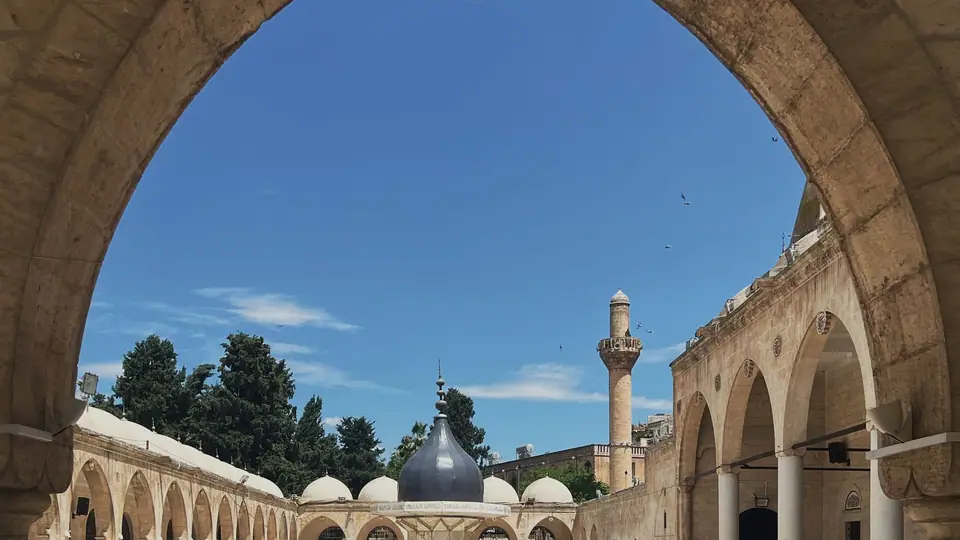
Gümrük Hanı (1563) and the Vaulted Bazaars of Şanlıurfa (Sipahi & Kazaz)
Stepping directly from Balıklıgöl into Suleiman the Magnificent's 1563 caravanserai and the vaulted silk and copper souks.
Walk out the eastern gate of the Balıklıgöl park complex through the vaulted tunnel passage of Haşimiye and you step directly into one of the most authentic, unchanged 16th-century market quarters in the Middle East. Unlike modernized tourist bazaars, Urfa's covered souks still supply villagers, nomads and city families with everything from hand-forged copper and raw silk to sacks of purple-black isot pepper.
1. Gümrük Hanı
Commissioned in 1563 by Behram Pasha, Ottoman Governor of Urfa during the reign of Sultan Suleiman the Magnificent (and known historically as the Yetmiş Hanı), this monumental two-storey caravanserai built from alternating courses of honey-yellow limestone and dark basalt is the social living room of old Urfa:
- The Stream from Balıklıgöl: notice the open stone water channel running right through the middle of the courtyard under the giant plane trees, that is the actual overflow stream of sacred spring water (Halil-ür Rahman suyu) flowing out of Balıklıgöl.
- What to Drink at the Courtyard Tables: pull up a low wooden stool alongside elderly locals playing backgammon and dominoes to order a frothy cup of menengiç kahvesi, dark bitter mırra in a handleless cup, or iced meyan şerbeti (licorice root sherbet) poured by traditional brass-Pitcher sellers wearing fezzes, while tailor workshops on the upper gallery stitch traditional şalvar trousers.
2. Kazaz Pazarı (The 1562 Bedesten), Sipahi Pazarı & Bakırcılar Çarşısı
Pass through the small iron-plated stone door in the southern wall of Gümrük Hanı directly into the cool, dimly lit stone vaults of Kazaz Pazarı (Bedesten, 1562). For nearly five hundred years, this vaulted hall has been dedicated exclusively to silk thread spinners (kazaz) and textile merchants selling shimmering gold-and-silver-threaded local shawls (puşi and agabani) and velvet fabrics. Surrounding the Bedesten radiate the specialized guild lanes:
- Sipahi Pazarı (The Carpet & Felt Market): another vaulted 16th-century stone hall parallel to Kazaz Pazarı displaying hand-knotted wool carpets, saddlebags and natural sheepskins.
- Hüseyniye Çarşısı (Bakırcılar / Coppersmiths' Bazaar): roofed in the 1880s with vaulted stone arches where tinsmiths hammer massive copper çiğ köfte kneading trays (leğen) and coffee pots.
- Attar Pazarı & Isot Pepper Stalls: where you must buy a vacuum-sealed bag of genuine PGI-protected Urfa İsotu, sun-dried red peppers fermented under plastic sheets in the August sun and massaged daily with olive oil and salt until they turn glossy, smoky purple-black with flavours of raisin, chocolate and warm heat.
Traveller tips
Real advice from people who have been to Gümrük Hanı (1563) and the Vaulted Bazaars of Şanlıurfa (Sipahi & Kazaz). Every tip is read by our team before it goes live.
No tips yet. Been here? Yours could be the first.
Thank you! Your tip will appear here after a quick review.
More in Sanliurfa
Continue exploring Sanliurfa with related neighbourhood, food, and planning guides
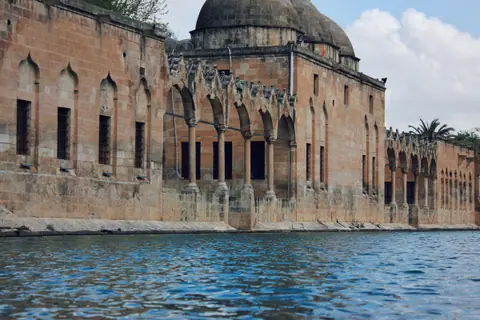
Urfa Castle (Twin Columns) and the Illuminated Kızılkoyun Rock Necropolis
Sanliurfa
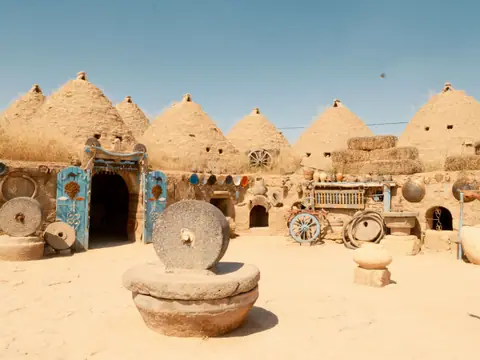
Harran Beehive Houses, the First Islamic University, Bazda Caves and Soğmatar
Sanliurfa
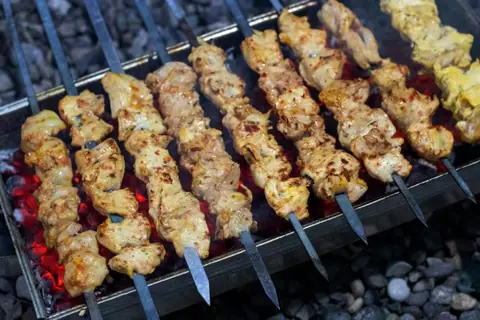
What to Eat in Şanlıurfa: Dawn Liver Skewers (Ciğer), Kebabs, Çiğ Köfte and Sıra Gecesi
Sanliurfa
Walking Old Urfa: Stone Mansions (Konaklar), Kabaltı Tunnels, Ulu Cami and Reji Church
Sanliurfa
