


























Karahantepe and the Taş Tepeler ('Stone Hills') Project: Beyond Göbeklitepe
Visiting Göbeklitepe's extraordinary sister site where 11,400-year-old pillars and a human face were carved out of solid bedrock.
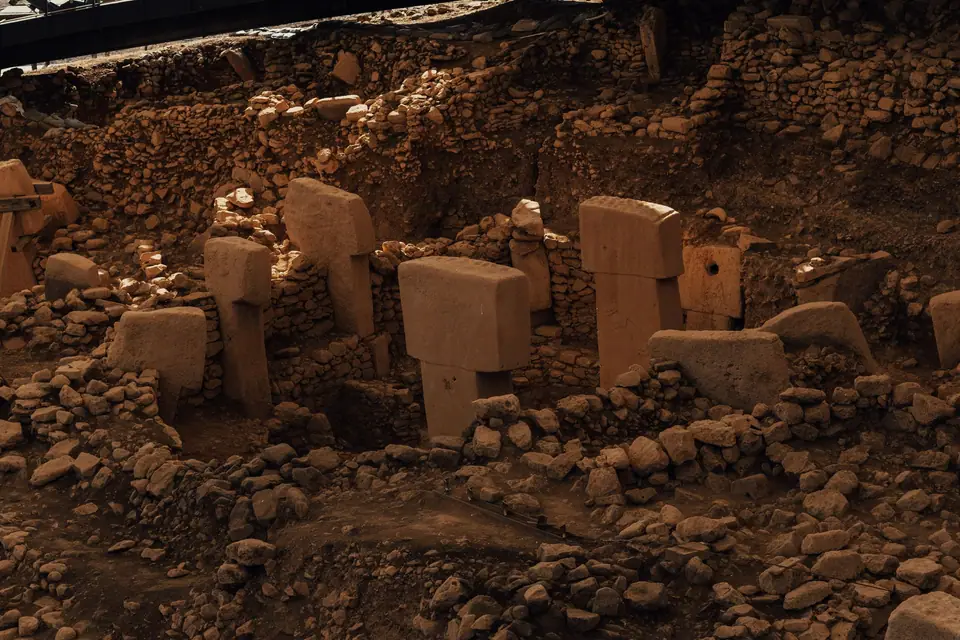
While Göbeklitepe was once thought to be a solitary anomaly in the desert, the Turkish Ministry of Culture and Tourism's landmark Taş Tepeler ('Stone Hills') Project has revealed that Göbeklitepe was actually one hub in a 100-kilometre network of at least twelve monumental Pre-Pottery Neolithic settlements (including Karahantepe, Sayburç, Sefertepe, Çakmaktepe and Yeni Mahalle) dating between 9600 BC and 8000 BC. Opened to visitors with a wooden viewing walkway and visitor centre inside Tek Tek Mountains National Park (55 km / 50 minutes south-east of Şanlıurfa via the Harran/Kargalı road), Karahantepe is an essential half-day pairing with Göbeklitepe or Harran.
How Karahantepe Differs from Göbeklitepe (Human Faces vs Animal Totems)
Excavated since 2019 under the direction of Prof. Necmi Karul, Karahantepe contains more than 250 T-shaped obelisks visible right on the surface of the hill and displays a fascinating evolution in Neolithic art:
- Structure AD (The Bedrock Pit Chamber with 11 Pillars & The Human Head): right next to the huge 23-metre communal building (Structure AB), excavators uncovered a circular semi-subterranean chamber (7 metres in diameter) that was not built from stacked blocks, but hollowed straight down out of the solid living limestone bedrock. Eleven upright cylindrical pillars were left standing attached to the rock floor, while carved directly out of the western bedrock wall is a haunting, three-dimensional human head with thick lips, prominent cheekbones, deep-set eyes and a long serpent-like neck peering into the room.
- The 2.3-Metre Realistic Human Statue (2023 Discovery): in autumn 2023, archaeologists at Karahantepe unearthed the largest realistic prehistoric human statue ever found, a 2.3-metre-tall seated limestone figure with carved ribs, collarbones and hands holding its phallus, alongside a painted life-size statue of a wild boar with surviving red, white and black pigment.
How to Combine Karahantepe, Bazda Caves, Soğmatar and Harran in One Loop
Because public buses do not yet serve the remote Tek Tek Mountains road, rent a car or hire a local taxi driver for a 5-to-6-hour southern archaeological loop: drive first from Şanlıurfa to Karahantepe (50 mins) while the morning sun is cool, continue 20 minutes south through the mountains to the planetary temples of Soğmatar, walk inside the colossal subterranean Roman-medieval stone quarries of Bazda Caves and Han el-Ba'rur Caravanserai (15 mins), and finish in the beehive houses of Harran (25 mins) before returning to Urfa.
Traveller tips
Real advice from people who have been to Karahantepe and the Taş Tepeler ('Stone Hills') Project: Beyond Göbeklitepe. Every tip is read by our team before it goes live.
No tips yet. Been here? Yours could be the first.
Thank you! Your tip will appear here after a quick review.
More in Sanliurfa
Continue exploring Sanliurfa with related neighbourhood, food, and planning guides

What to Eat in Şanlıurfa: Dawn Liver Skewers (Ciğer), Kebabs, Çiğ Köfte and Sıra Gecesi
Sanliurfa
Walking Old Urfa: Stone Mansions (Konaklar), Kabaltı Tunnels, Ulu Cami and Reji Church
Sanliurfa
The Shrine of Prophet Job (Eyyüp Peygamber Makamı) and Germuş Armenian Church
Sanliurfa
Day Trip West to Sunken Halfeti, Rumkale and the Bald Ibis of Birecik
Sanliurfa
