


























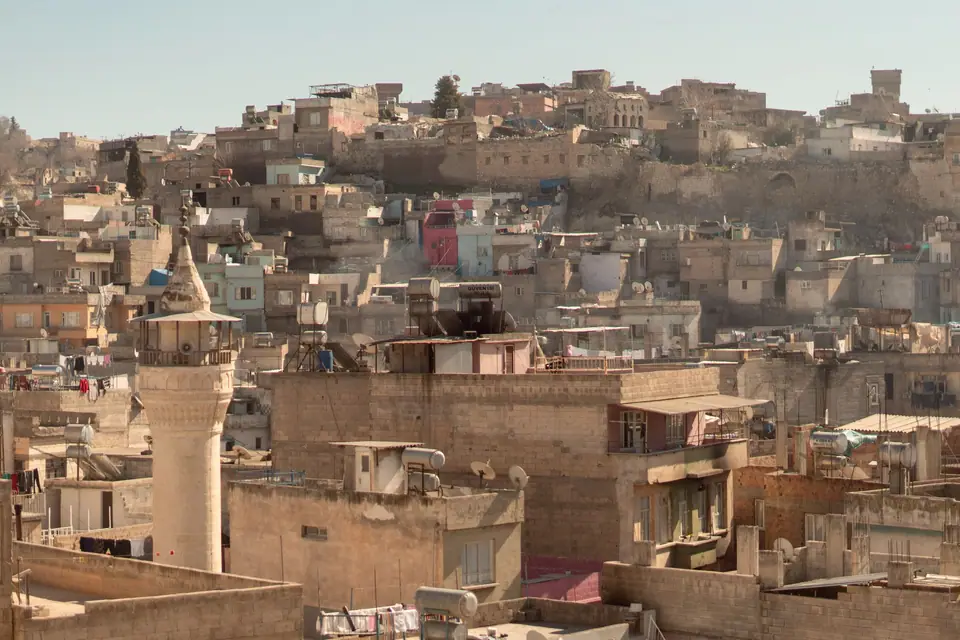
Şuayip Ancient City, Soğmatar Planetary Cult and Tek Tek Mountains National Park
Completing the Tek Tek Mountains loop: the rock-cut cave city of Prophet Jethro (Şuayip) and the Moon-God hill of Soğmatar.
Stretching east of Harran and south of Karahantepe is the dramatic limestone wilderness of Tek Tek Mountains National Park (Tek Tek Dağları Milli Parkı). Along a paved 25-kilometre country loop linking the Bazda Caves with Karahantepe stand two extraordinary late-antique rock cities that blend Roman masonry, planetary paganism and Biblical prophecy.
1. Şuayip Ancient City (Şuayip Şehri, 15 km east of the Bazda Caves)
Walled in by 4th- and 5th-century AD Late Roman / early Byzantine cut-stone fortifications spread across a wide limestone hill, Şuayip Şehri consisted of hundreds of rock-cut underground cave dwellings (used by residents to escape the scorching summer desert heat) topped by two-storey ashlar stone houses and wine/olive presses:
- The Cave Sanctuary of Prophet Shu'ayb (Jethro): in Islamic and local Mesopotamian tradition, the Biblical and Qur'anic prophet Shu'ayb (identified with Jethro, the Midianite priest and father-in-law of Prophet Moses) lived here, and Moses himself tended Shu'ayb's flocks in these rocky pastures for ten years before returning to Egypt. Visitors descend a stone staircase into a cool, carpeted two-chamber rock-cut cave shrine revered as Prophet Shu'ayb's home and prayer niche.
2. Ancient Soğmatar (Yağmurlu, 14 km north of Şuayip City, right next to Karahantepe)
Just fifteen minutes north of Şuayip City (and only 10 kilometres from Karahantepe), the village of Soğmatar was founded in the 1st and 2nd centuries AD by citizens of Edessa fleeing Parthian attacks and served until the Islamic era as the principal sacred cult centre of the Sabian Moon and Planet worshippers of Harran:
- The Sacred Hill (Kutsal Tepe) of the Moon God Sin: in the middle of the village rises a bare limestone rock mound carved on all sides with 2nd-century AD human busts, relief panels of the Moon God Sin (Marilaha) and the Sun God Shamash, and more than a dozen monumental Old Syriac (Estrangelo) inscriptions prayed over at a rock-cut libation altar.
- The Seven Planetary Temples / Tombs: encircling the central hill like planets orbiting a star stand seven square and circular monumental stone tower-tombs (and the open-air temple court of Pognon's Cave) representing the Sun, Moon, Saturn, Jupiter, Mars, Venus and Mercury, alongside a 4,000-year-old Early Bronze Age necropolis and the "Well of Moses" (Musa Kuyusu) in the village square.
Traveller tips
Real advice from people who have been to Şuayip Ancient City, Soğmatar Planetary Cult and Tek Tek Mountains National Park. Every tip is read by our team before it goes live.
No tips yet. Been here? Yours could be the first.
Thank you! Your tip will appear here after a quick review.
More in Sanliurfa
Continue exploring Sanliurfa with related neighbourhood, food, and planning guides
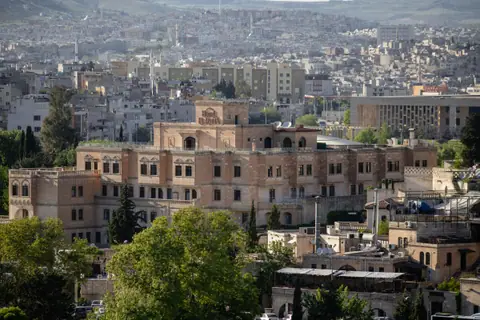
Walking Old Urfa: Stone Mansions (Konaklar), Kabaltı Tunnels, Ulu Cami and Reji Church
Sanliurfa
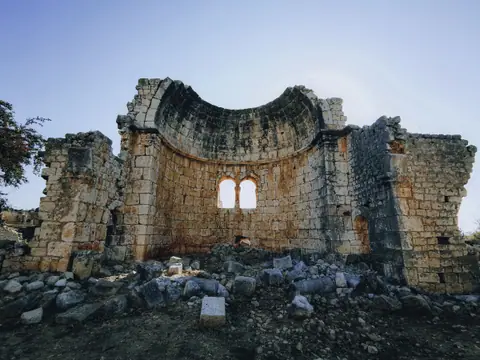
The Shrine of Prophet Job (Eyyüp Peygamber Makamı) and Germuş Armenian Church
Sanliurfa
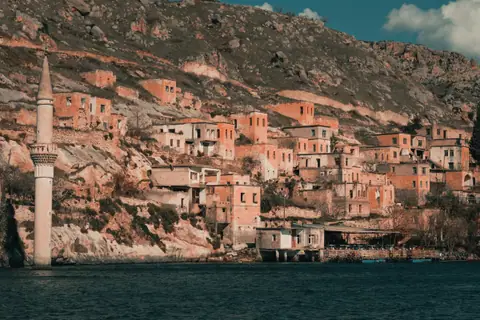
Day Trip West to Sunken Halfeti, Rumkale and the Bald Ibis of Birecik
Sanliurfa
Getting to Şanlıurfa: GAP Airport (GNY) Havaş Coaches and Overland Connections
Sanliurfa
