


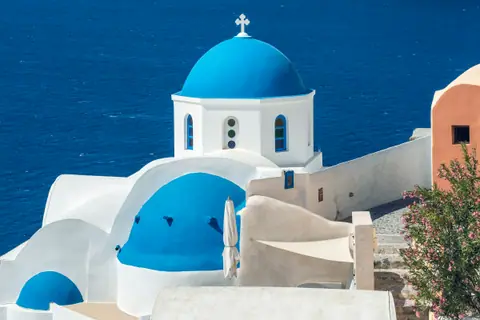

Santorini
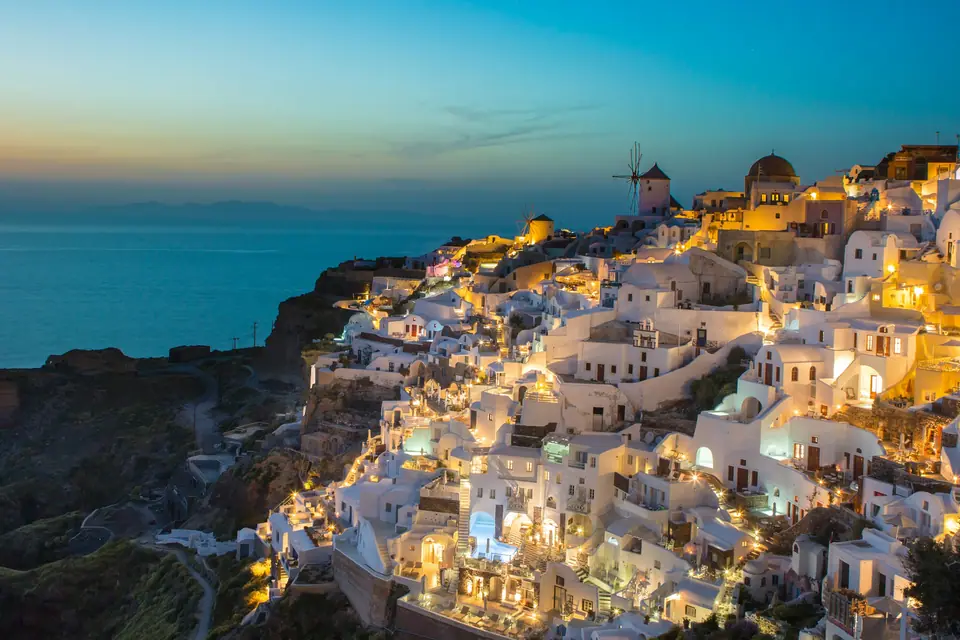
Whitewashed villages on the rim of a flooded volcano, black-sand beaches and some of the oldest vineyards in the Aegean.
Quick decisions
How many days?
2 days: the caldera villages, one sunset, Akrotiri. 3 to 4 days: add the Fira to Oia hike, a boat trip and a winery afternoon. 5 days or more: slow down on the east coast beaches, or take a ferry on to Naxos or Milos.
Where should I stay?
Fira: the bus hub, busy, most choice. Imerovigli or Firostefani: caldera views, quieter evenings. Oia: the famous postcard, the highest prices. Kamari or Perissa: beaches and better value. More in our where to stay guide.
Do I need a car?
Not for the caldera villages. The KTEL buses link Fira with most of the island. A car for a day or two helps with wineries, Pyrgos and the southern beaches. Parking in Oia and Fira in summer is a real headache.
Best for
Couples: this is what the island is built around. First-timers to Greece: yes, though it's the most expensive island in the Cyclades. Families: fine on the east coast, less so in cliffside hotels full of steps. Budget travellers: hard in July and August, manageable in spring.
Before you go
Book early: caldera rooms for summer go months ahead. Akrotiri: buy tickets on the official Hellenic Heritage e-ticket site. Local rules: after the 2025 earthquakes, some spots around the Old Port and Ammoudi are restricted until 2027, so check the latest before planning.
Getting around
Arriving: Santorini airport (JTR) is a short ride from Fira, and ferries dock at Athinios port below the cliffs. On the island: buses from Fira, taxis (there are never enough), or a hire car. Details in our getting there guide.
Continue your trip
Ferries run north to Ios, Naxos, Paros and Mykonos, and south to Crete, with Heraklion a couple of hours away by fast boat. Milos and Folegandros are close too, for a quieter island afterwards.
Overview
Santorini is what's left of a volcanic island that blew itself apart around 3,600 years ago. The sea poured into the hole, and the result is the caldera: a lagoon ringed by cliffs of red, black and grey rock up to 300 metres high, with white villages balanced along the top. Almost everything people picture when they think of Santorini happens on that rim, from Fira and Imerovigli to Oia at the northern tip.
It is crowded in summer and not cheap, and the Oia sunset can feel more like a queue than a moment. Come in May, June, September or October, sleep somewhere quieter than Oia, and spend at least one day away from the cliffs. Our Santorini travel guide covers the practical side.
Getting there
Most visitors fly into Santorini airport, about 6 km from Fira, or arrive by ferry from Piraeus or another Cycladic island at Athinios port. Cruise passengers come ashore by tender at Fira's Old Port. Our getting there guide covers all three, plus the buses.
Where to stay
A caldera view is what most people pay for, and it costs a lot in Oia and a little less in Imerovigli or Firostefani. Fira is the practical base. The beach towns on the east coast are flatter, calmer and far better value. Our where to stay guide compares them.
Things to do
Walk the caldera path, see the Bronze Age town at Akrotiri, take a boat into the caldera, and catch one sunset properly. Our things to do list has the rest, and we have separate guides to the Oia sunset, the beaches and wine tasting.
Food and drink
Order fava, a smooth purée of yellow split peas grown on the island, with capers and raw onion on top. Then tomatokeftedes, fritters made from Santorini's small, sweet cherry tomatoes. The caldera restaurants charge for the view. Pyrgos, Megalochori and the fish tavernas at Vlychada and Ammoudi give you more for your money.
Culture
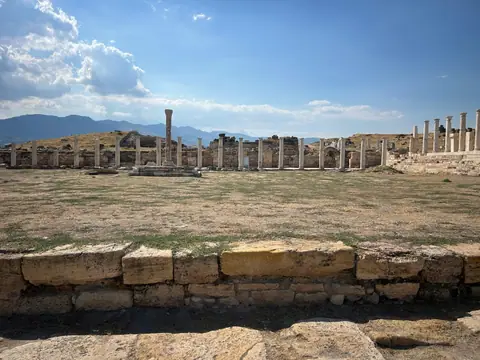
Long before the whitewash, Santorini was home to a rich Bronze Age town at Akrotiri, buried in ash by the great eruption and dug out only in the 20th century. Venetian lords later built castles on the high points, and the cliff villages grew from homes cut straight into the soft volcanic rock. Many hotels today are those old cave houses.
In-depth Santorini guides
Practical guides for planning your visit.
- Santorini Travel Guide: What to Know Before You Go
- Best Things to Do in Santorini
- How to Get to Santorini
- Best Time to Visit Santorini
- What to Wear in Santorini
- Oia Sunset Guide: Where to Watch and How to Beat the Crowds
- Santorini Beaches Guide
- Santorini Wine Tasting Guide
- Where to Stay in Santorini: Villages and Beaches Compared
- Santorini 3-Day Itinerary
Reviews
Log in to write a review.
No reviews yet.