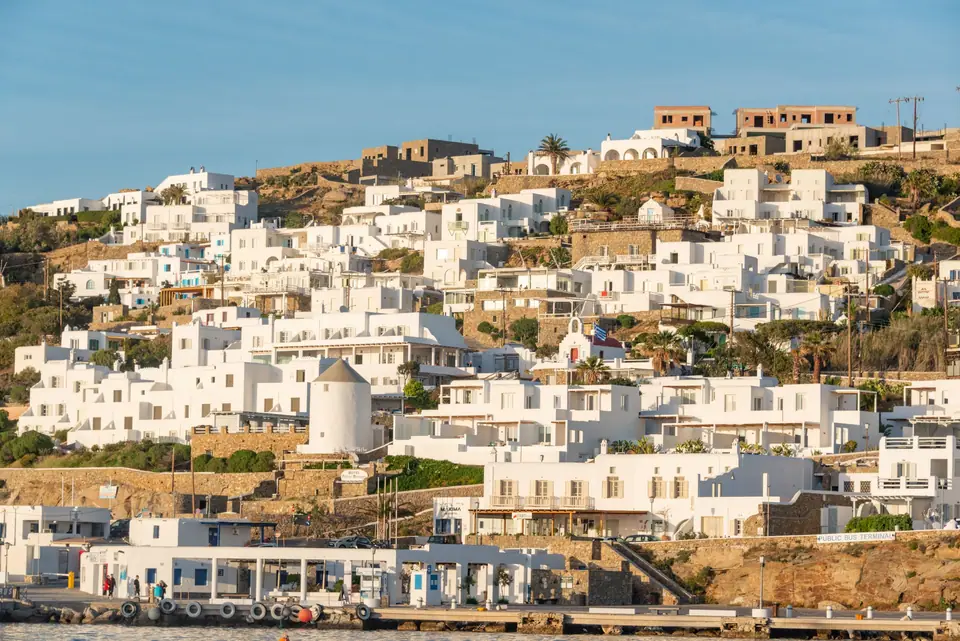
Crete
Greece's largest island, a 260-kilometre world of Venetian harbour towns in Chania and Rethymno, the 4,000-year-old Minoan Palace of Knossos, the pink coral sands of Elafonisi, turquoise Balos Lagoon and the White Mountains of Samaria Gorge.
Quick decisions
How many days?
4 to 7 days: Chania's Venetian Harbour and Balos Lagoon or Elafonisi Beach in the west on days one and two, Samaria Gorge or Rethymno and Preveli Palm Beach in the centre on day three, and the Minoan Palace of Knossos, Heraklion Museum and Spinalonga in the east on day four. Follow our multi-day route.
Where should I stay?
Chania Old Town: the most romantic Venetian-Ottoman harbour base for western beaches (Balos, Elafonisi, Falassarna). Rethymno: halfway between Chania and Heraklion with a long sandy town beach. Heraklion or Agios Nikolaos: best for Knossos, ferries to Santorini and eastern Crete. Compare bases in our island overview.
Do I need a car?
Highly recommended for beaches and mountain villages. While green KTEL intercity buses link Chania, Rethymno, Heraklion and Agios Nikolaos reliably along the northern highway, renting a car unlocks Elafonisi, Falassarna, Preveli and southern coast coves.
Best for
World-famous lagoons: turquoise Balos and pink-sand Elafonisi. Europe's oldest civilization: 1900 BC Minoan palaces at Knossos and Phaistos. Epic canyon hikes: the 16-kilometre Samaria Gorge and Lycian-like Loutro.
Before you go
Never try to see all 260 km of Crete from a single hotel base: driving from Chania in the west to Vai Palm Forest in the far east takes five hours one way. Pick West Crete (Chania/Rethymno) or split your nights between Chania and Heraklion. Read our practical briefing.
Getting around
Two international airports & two main ferry ports: Chania Airport (CHQ) serves the west and Heraklion Airport (HER) serves the east, while high-speed ferries link Heraklion to Santorini in under two hours. Details in arrival and transport.
Overview
Stretching for 260 kilometres along the southern edge of the Aegean Sea between Europe, Asia and Africa, Crete (Kriti) is Greece's largest island and fifth-largest island in the Mediterranean, so vast, mountainous and self-contained that it feels like an independent country. Four towering limestone mountain rangesexceeding 2,400 metres, the White Mountains (Lefka Ori) in the west, Mount Ida (Psiloritis, birthplace of Zeus) in the centre, and the Dikti Mountains in the east, form a dramatic alpine spine pierced by deep canyons like the 16-kilometre Samaria Gorge.
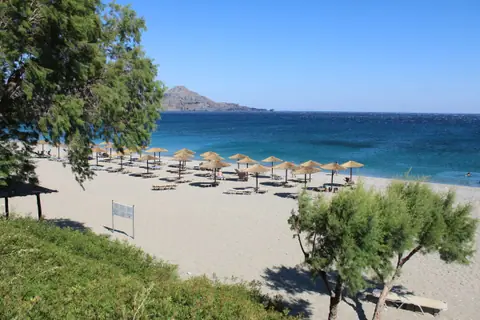
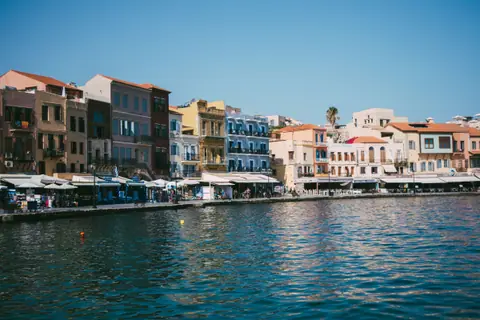
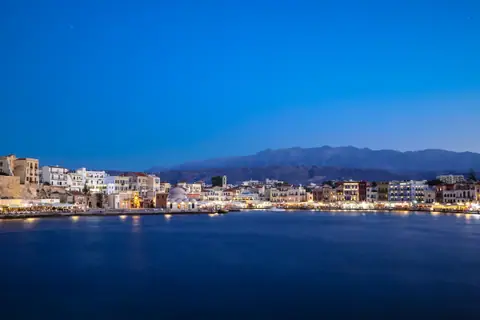
Four thousand years ago, Crete gave birth to Europe's earliest advanced civilization, the Bronze Age Minoans, whose multi-storey frescoed labyrinth at Knossos Palace and treasures inside the Heraklion Archaeological Museum remain unmatched. Centuries of Venetian and Ottoman rule later shaped the pastel waterfront mansions and 16th-century lighthouse of Chania Old Town and the fortress streets of Rethymno, while at the island's corners glow the shallow turquoise lagoons of Balos, the pink crushed-shell sands of Elafonisi, the palm river of Preveli and the island fortress of Spinalonga. Start with our before-you-go briefing and top things to do in Crete.
Getting there
Because Crete is 260 kilometres long, always match your arrival airport or ferry port to the half of the island you plan to explore: fly into Chania International Airport (CHQ) for western Crete (Chania, Balos, Elafonisi, Samaria Gorge and Rethymno), or fly/sail into Heraklion (HER) for central and eastern Crete (Knossos, Agios Nikolaos, Elounda and high-speed ferries to Santorini). Along the northern coast, the VOAK (E75) national highway and green KTEL coaches link Chania, Rethymno, Heraklion and Agios Nikolaos every 30 to 60 minutes. See getting to Crete and how KTEL buses and car rental work.
Where to stay
On a 3- to 5-day first visit, base yourself in Chania Old Town (or nearby coastal Kissamos/Agia Marina) for walkable Venetian harbour evenings and easy day trips to Balos, Elafonisi, Falassarna and Samaria Gorge, or choose Rethymno to sit right between Chania and Heraklion. If you have 6 to 7 days, split your stay: spend 3 or 4 nights in Chania for the western beaches, and 2 or 3 nights in Heraklion or Elounda/Agios Nikolaos for Knossos, Spinalonga and the morning ferry to Santorini. Compare all 4 regions in where to stay in Crete.
Things to do
Walk out along the 16th-century stone mole to the Egyptian Lighthouse in Chania's Venetian Harbour, sail from Kissamos to the turquoise sandbars of Balos Lagoon and Gramvousa Castle, wade through the pink coral shallows of Elafonisi Beach, hike through the 300-metre rock walls of Samaria Gorge to car-free Loutro, tour the Minoan Palace of Knossos and Heraklion Archaeological Museum, and boat to Spinalonga Island. Full list in things to do in Crete.
Food and drink
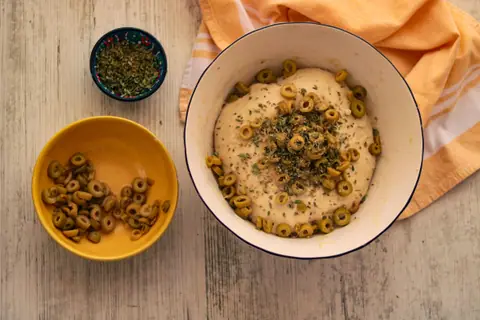
The scientific model for the UNESCO-recognized Mediterranean Diet was based directly on 1950s rural Crete, where residents consume more extra-virgin olive oil and wild mountain greens (stamnagathi) than anywhere else on earth. Feast on crunchy barley rusks topped with tomato and creamy mizithra cheese (dakos), slow-roasted mountain lamb (antikristo and tsigariasto), fried snails (chochlioi boubouristi), honey-drizzled cheese pies (kalitsounia and sfakiani pita), and complimentary post-meal carafes of chilled grape tsikoudia (raki). Read more in our Cretan food and raki guide.
Culture
Home to a fiercely proud mountain and maritime culture shaped by Minoan myth, Byzantine fresco painters (including Domenikos Theotokopoulos, El Greco, born in Fodele near Heraklion in 1541), the three-stringed Cretan lyra, and a tradition of hospitality (philoxenia) where every tavern meal ends with free fruit, sweets and a jug of raki on the house.
Weather by month
Crete is warmest in August, with average highs around 31°C, and coldest in January, when nights drop to about 9°C. December is the wettest month, with rain on about 11 days. For mild weather with fewer rainy days, aim for April and May.
| Month | Low | Range | High | Rain | Rainy days |
|---|---|---|---|---|---|
| Jan | 9°C | 16°C | 112 mm | 11 d | |
| Feb | 9°C | 16°C | 92 mm | 9 d | |
| Mar | 11°C | 18°C | 62 mm | 7 d | |
| Apr | 13°C | 21°C | 28 mm | 4 d | |
| May | 17°C | 25°C | 12 mm | 2 d | |
| Jun | 20°C | 29°C | 3 mm | 1 d | |
| Jul | 23°C | 31°C | 1 mm | 0 d | |
| Aug | 23°C | 31°C | 1 mm | 0 d | |
| Sep | 21°C | 29°C | 14 mm | 2 d | |
| Oct | 17°C | 25°C | 52 mm | 5 d | |
| Nov | 14°C | 21°C | 78 mm | 7 d | |
| Dec | 11°C | 17°C | 118 mm | 11 d |
Averages of daily values from 2015 to 2024. Rainy days are days with at least 1 mm of rain. Source: Open-Meteo · Compare destinations by month.
Crete on the map
Every place we cover in Crete. Tap a category or pin to explore.
- Balos Lagoon and Gramvousa Pirate Island: Boat vs Driving & Hiking →
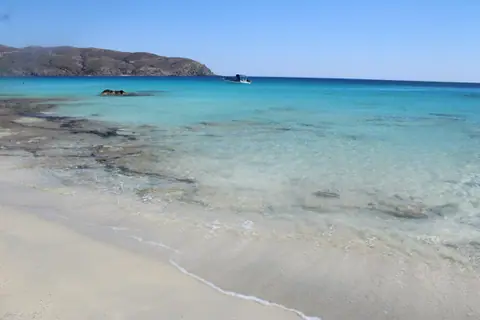
- Elafonisi Pink Sand Beach, Secret Kedrodasos and Sunset at Falassarna →
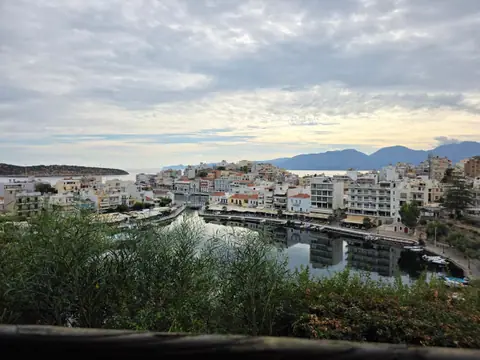
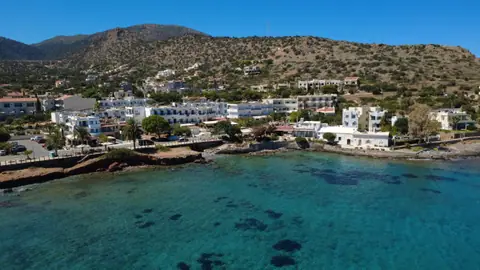
- Eastern Crete: Agios Nikolaos (Lake Voulismeni), Elounda and Spinalonga Island →
- Car-Free Loutro, Hora Sfakion, Sweetwater Beach and Aradena Gorge →
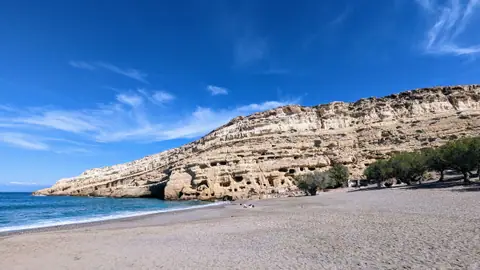
- Southern Heraklion: Phaistos Minoan Palace, Gortyn and the Hippie Caves of Matala →
- Inland & Far East Crete: Lasithi Plateau, Kritsa, Vai Palm Forest and Chrissi Island →
In-depth Crete guides
Browse the guides grouped by topic: sights, neighbourhoods, food, transport, day trips and trip planning.
Sights, Landmarks & Parks
Key monuments, viewpoints, museums and nature trails.
- Best Things to Do in CreteVenetian harbours, 4,000-year-old Minoan palaces, pink coral beaches, turquoise lagoons and alpine gorges.
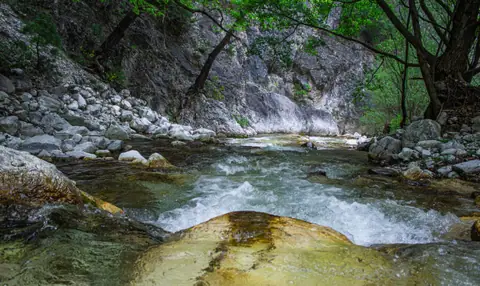
- Hiking Samaria Gorge (16 km): Complete Logistics, Iron Gates and Imbros AlternativeStep-by-step logistics for descending Europe's famous 16km alpine canyon from Omalos to the Libyan Sea.
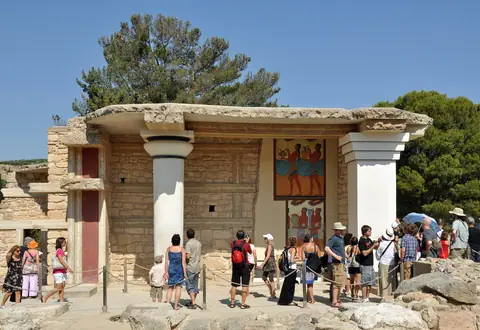
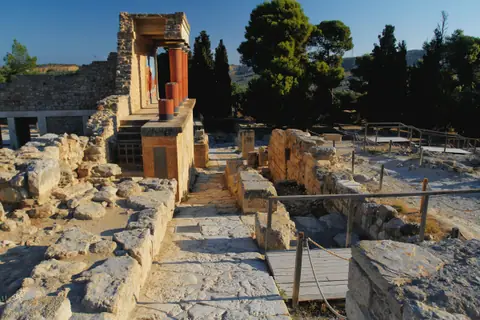
- The Minoan Palace of Knossos (1900 BC) and Heraklion Archaeological MuseumStepping inside Europe's oldest throne room at 1900 BC Knossos and seeing the original frescoes in Heraklion.
- Preveli Palm Beach, Kourtaliotiko Gorge Waterfalls and Plakias (South Rethymno)Driving 40 minutes south of Rethymno through the waterfalls of Kourtaliotiko Gorge to the palm river of Preveli.
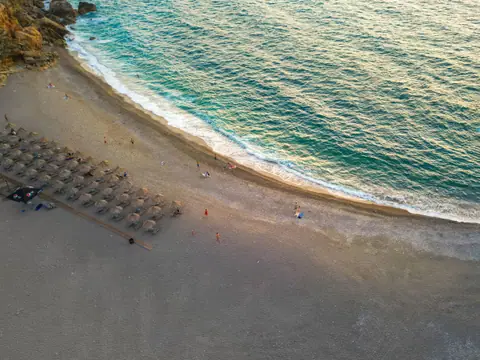
Neighbourhoods & Where to Stay
Districts, historic quarters and the best bases for your stay.
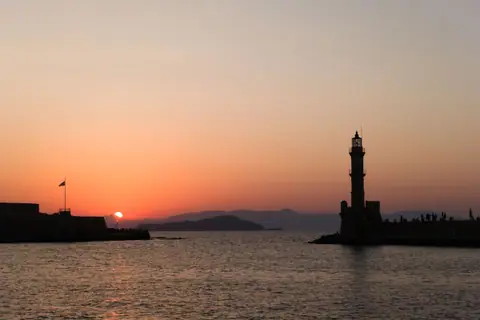
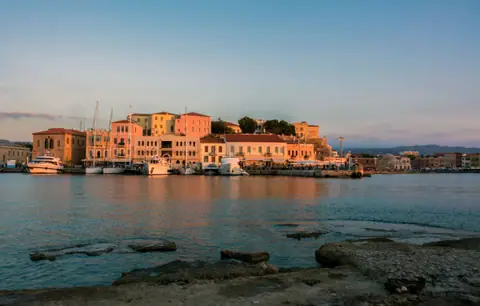
- Chania Old Town: The Venetian Harbour, 1595 Lighthouse, Topanas and TabakariaWalking the romantic Venetian-Ottoman alleys, stone lighthouse seawall and historic quarters of Chania Old Town.
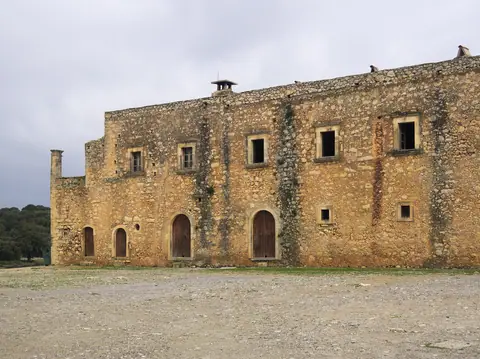
- Rethymno Old Town, the 1573 Venetian Fortezza and Arkadi MonasteryHalfway between Chania and Heraklion: Renaissance stone doorways, wooden Ottoman bay windows and the 1573 Fortezza.
- Where to Stay in Crete: Chania vs Rethymno, Heraklion and Elounda/Agios NikolaosHow to choose the right base, or split your stay, across Crete's 260-kilometre coastline.
Food & Drink
Local dishes, markets, cafés and dining districts.
Getting Around & Arrival
Airport transfers, public transit, passes and driving rules.
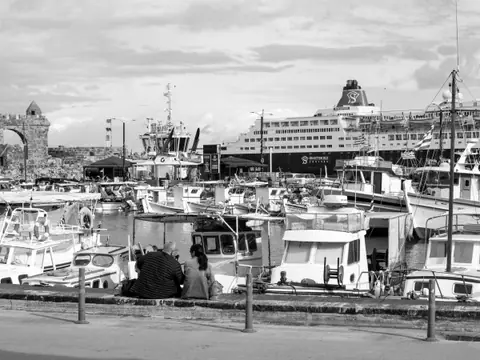
- Getting to Crete: Chania (CHQ) vs Heraklion (HER) Airports and Santorini FerriesChoosing the right arrival airport (Chania vs Heraklion) and boarding the 1h 50m catamaran between Crete and Santorini.
- Getting Around Crete: Renting a Car (VOAK Highway Rules) vs KTEL Green BusesNavigating Crete's reliable green KTEL coach network and learning the local shoulder-driving rule on the VOAK highway.
Day Trips & Excursions
Easy half-day and full-day trips from the city.
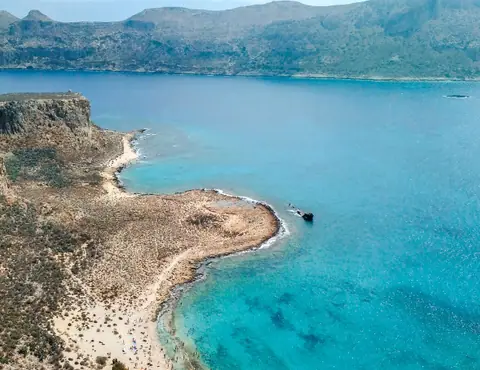
- Balos Lagoon and Gramvousa Pirate Island: Boat vs Driving & Hiking GuideHow to experience the surreal white sandbars and neon-turquoise shallows of Balos Lagoon by boat or cliff trail.
- Elafonisi Pink Sand Beach, Secret Kedrodasos and Sunset at FalassarnaWading through the rose-tinted coral sands of Elafonisi and watching the sun sink into the sea at wide Falassarna.
- Eastern Crete: Agios Nikolaos (Lake Voulismeni), Elounda and Spinalonga IslandAround Mirabello Bay: the cliff-ringed lagoon of Agios Nikolaos, Elounda's bays and the Venetian fortress of Spinalonga.
- Car-Free Loutro, Hora Sfakion, Sweetwater Beach and Aradena GorgeSailing 15 minutes from Hora Sfakion into the silent, car-free amphitheatre bay of blue-and-white Loutro.
- Southern Heraklion: Phaistos Minoan Palace, Gortyn and the Hippie Caves of MatalaDriving one hour south of Heraklion to the panoramic Minoan Palace of Phaistos and the cliff-carved caves of Matala.
- Inland & Far East Crete: Lasithi Plateau, Kritsa, Vai Palm Forest and Chrissi IslandClimbing to the 850-metre agricultural bowl of the Lasithi Plateau and swimming beneath the 5,000 palms of Vai.
Trip Planning & Itineraries
When to visit, what to pack and day-by-day routes.
- Crete: What to Know Before You GoUnderstanding Crete's four regions, realistic driving times across its 260km spine and local customs.
- Best Time to Visit Crete: The Longest Swimming Season in Greece (April to November)Why Crete's southern position near Africa gives it warm 24°C seas right into late October and early November.
- What to Wear in Crete: Gorge Trail Shoes, Water Shoes for Pebbles and Mountain LayersPacking smartly for an island that goes from coral sandbars to 1,250-metre alpine canyons in an hour.
- 3 to 5 Days in Crete: Chania, Balos Lagoon, Elafonisi, Rethymno and KnossosA realistic, well-paced itinerary covering Chania, Balos Lagoon, Elafonisi Pink Beach, Rethymno and Knossos.
Need your embassy or consulate in Greece? See embassies and consulates in Greece.
Reviews
Log in to write a review.
No reviews yet.