Best Time to Visit Tbilisi: Seasons, Hills and City Pace
Choose a season for Tbilisi by balancing outdoor walks, hillside conditions, museum time and your tolerance for changing weather.
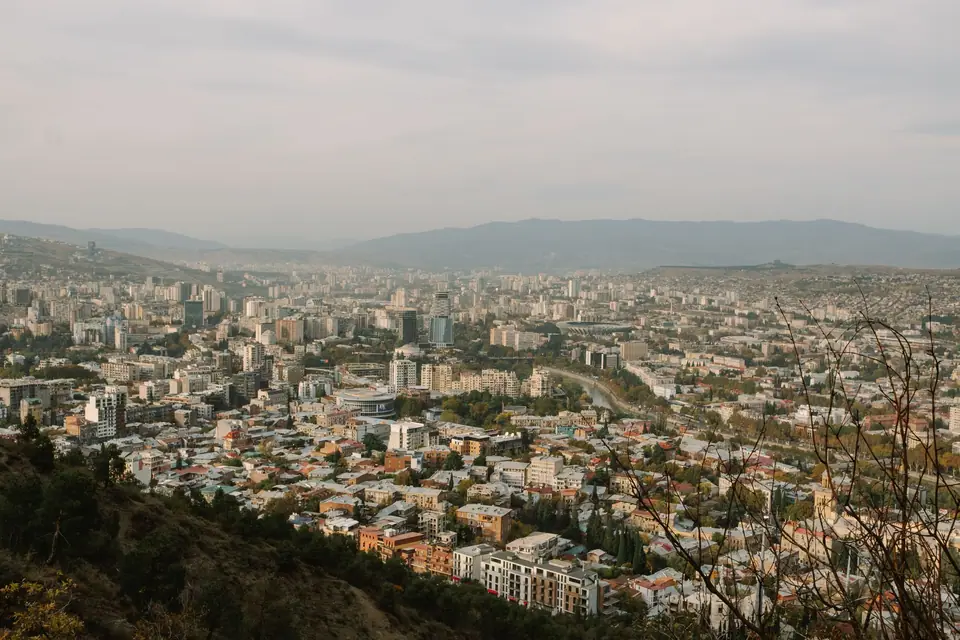
There is no single month that makes Tbilisi work for every traveller. The right time depends on how much of the trip you want to spend outside, whether steep walks appeal, and how comfortably you handle heat or cold. The city has museums and indoor meals for unsettled days, but its best-known neighbourhoods are experienced on foot. Hills, uneven lanes and exposed viewpoints make weather more relevant here than a simple city temperature suggests. Georgia's National Environmental Agency provides climatological services, while official tourism guidance describes the country's seasons. Check a current forecast before departure and do not treat a broad regional summary as a precise street-level prediction.
For many visitors, the useful choice is between a shoulder-season trip with comfortable walking conditions and a warmer period that supports longer evenings outside. Winter can suit travellers who prefer museums, cafes and a quieter sightseeing pace, though a cold or wet day makes the stone slopes less pleasant. Summer encourages outdoor plans but can make exposed hill climbs tiring. In every season, keep one flexible block for weather and build the itinerary around district clusters rather than fixed hourly schedules. Our three-day plan shows how to swap indoor and outdoor stops without losing the shape of the visit.
Spring: prioritise flexible walks
Spring is useful for travellers who want the city to feel walkable without committing every day to long outdoor excursions. Conditions can change, so carry a light waterproof layer and keep a museum or covered stop in reserve. The old quarter works well in short sections: look around the bath district, pause for a meal, then decide whether to continue towards Metekhi or the slopes above the river. This approach avoids turning a promising morning into a long exposed climb if the weather shifts.
Flowering parks and greener hillside paths may draw attention, but do not assume every garden path or waterfall route will be in the same condition all season. Check the botanical garden's own visitor information and any local notices before setting out. Rain can make stone steps and uneven lanes slick. Footwear with grip matters more than a fashionable shoe, especially if your plan includes Narikala or Leghvtakhevi. For a district-focused alternative, walk through Sololaki and spend more time studying the balconies than chasing a distant viewpoint.
Summer: protect the middle of the day
Warm weather makes outdoor dining and late-day walks more appealing, but it does not make the city's climbs disappear. Plan the most exposed ascent for a cooler part of the day, carry water and take breaks in shade. A route that looks short can feel strenuous when it rises from the river towards a hilltop. The ropeway may be an option for Narikala, but check live operating information rather than assuming it will run during your visit. Keep a backup route that does not depend on a single service.
Summer evenings are a natural time to revisit the riverfront or sit down for a long meal. Avoid stacking several viewpoints into one day simply because daylight lasts longer. The city is better understood when you leave time between stops. A bathhouse visit can provide a slower indoor contrast, but services, booking requirements and conditions differ by establishment. Ask the bathhouse directly what is included and what to bring. Our Abanotubani guide gives context for the district without promising any particular bath service.
Autumn: a strong season for neighbourhood time
Autumn often works well for a trip built around walking, architecture and meals, though conditions still vary from week to week. Rustaveli's museums can anchor a grey day, while a break in the weather makes Sololaki and Chugureti more rewarding. Do not let a city-break calendar push you into a rigid plan. Check the forecast in the morning, then choose between an outdoor route and an indoor-heavy alternative.
Market visits become more interesting when you focus on ingredients and seasonal produce rather than a promise of a particular item. Availability changes, and a market is a working place. Ask before photographing people or goods. If the weather turns, pair the market area with a meal or a museum that is already part of your itinerary. Our Chugureti guide explains how to make that district more than a quick market stop.
Winter: use the indoor city well
Winter suits visitors who are happy to slow down and spend more time inside museums, restaurants and bathhouses. Daylight is shorter, and wet or cold weather makes the steepest routes less comfortable. Focus on a compact area rather than trying to cross the whole centre. Rustaveli and the museum district offer a practical anchor, while the old lanes can be explored in shorter loops around a meal. Confirm museum days and current access through each institution's official information.
Winter does not guarantee snow in the city, and we do not promise a particular landscape. If views matter to you, check the weather close to the trip and keep the hilltop outing optional. A grey day can still be rewarding when the plan rests on architecture, food and indoor collections. Read our Rustaveli guide for a cultural route, then use the food guide to decide what to try between visits.
Plan around the activity, not a slogan
Choose your travel window by matching it to the kind of day you want. Hill walks call for comfortable conditions and flexible timing. Museums and food-led itineraries are easier to adapt if the weather is unsettled. A bath visit is an indoor option, but it should be booked and checked directly. A day trip to Mtskheta adds another outdoor element and depends on current transport arrangements, so confirm those details before committing.
Pack layers regardless of season because shade, wind and elevation can change how a walk feels. Check the National Environmental Agency's climate information if you need a formal climate reference, and use a live forecast for actual travel dates. No monthly averages are published here because a verified city-station normal series was not established in our research. For a practical route in any season, begin with the city orientation and keep one alternative ready. That small amount of flexibility is more useful than planning every hour around an assumed weather pattern.
Sources we checked
Where it is
- 1Tbilisi
- Tbilisi International Airport (TBS) · about 12 km from Tbilisi in a straight line
- Directions in Google Maps
Stations and taxi ranks: OpenStreetMap. Airports: OurAirports. Distances are in a straight line.
Traveller tips
Real advice from people who have been to Tbilisi. Every tip is read by our team before it goes live.
No tips yet. Been here? Yours could be the first.
Thank you! Your tip will appear here after a quick review.
More in Tbilisi
Continue exploring Tbilisi with related neighbourhood, food, and planning guides