Things to Do in Tbilisi: Choose by District, Not Checklist
Plan Tbilisi's bath quarter, hilltop landmarks, river walks and museums as connected districts instead of isolated stops.
Tbilisi's strongest sights make a route when grouped by slope and riverbank. The bath quarter, the lanes around Meidani, Metekhi and Narikala belong in the same mental cluster, but they do not form an effortless flat circuit. Sololaki is a different kind of visit, centred on residential architecture rather than a single monument. Rustaveli Avenue is useful for museums and institutions. Start by choosing the city's texture you want that day, then add one nearby landmark. This avoids spending the afternoon crossing the valley simply to tick off another pin.
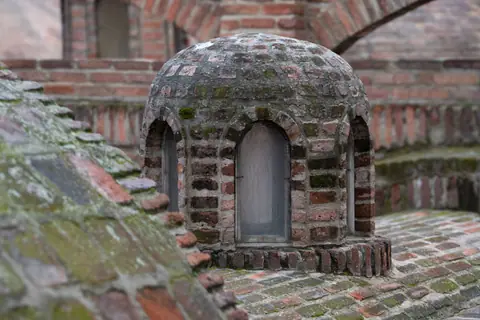
For a short stay, give the old quarter a full day. Look at the brick bath domes, follow the lane towards the gorge at Leghvtakhevi, then cross the river for the Metekhi viewpoint. Narikala adds a climb or ropeway ride and a broad perspective over the roofs. If you want a guided bath visit, check the bathhouse's current offer and conditions directly. The official tourism board describes several bathhouses, but services and access can vary. Our Old Town and Abanotubani walk separates the architecture walk from the bathing experience.
Start with the city rather than one monument
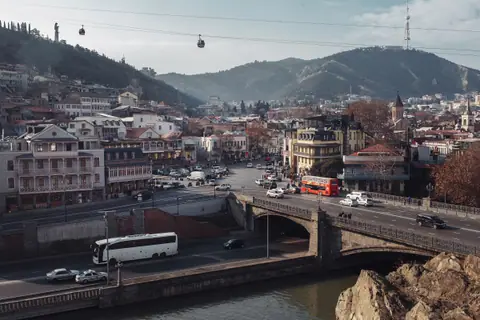
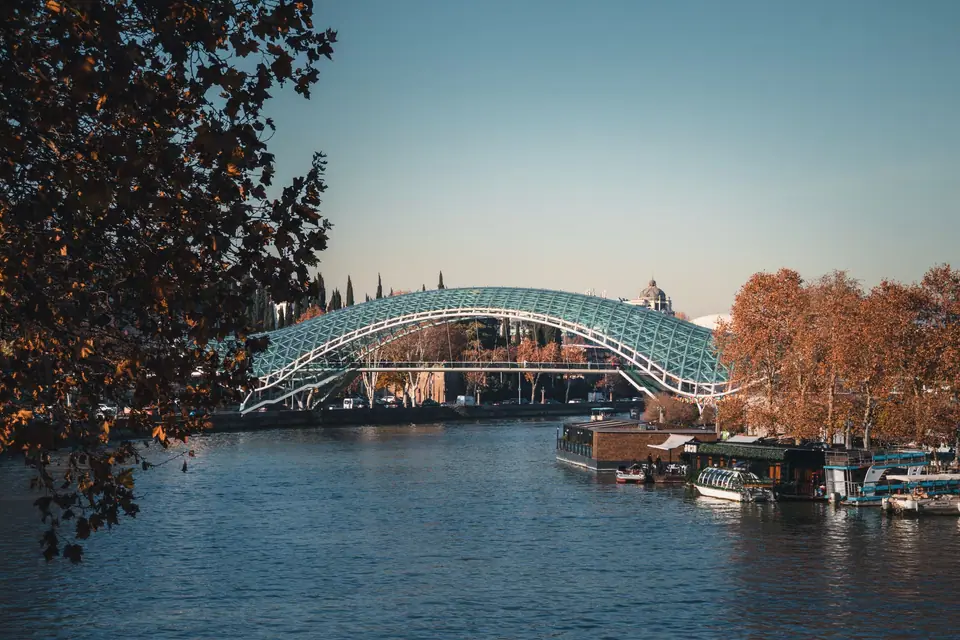
From the old streets, the city reveals itself in layers. The steep bank brings churches and old houses into the same view, while modern bridges connect the centre's public spaces. The UNESCO Tentative List record describes the historic district's setting around the river and its accumulated architecture. That context is useful, but it should not be overstated: Tbilisi is not a World Heritage inscription. Approach the quarter as a living centre with religious buildings, homes, bathhouses and businesses, not as a preserved outdoor museum.
Meidani is a practical starting point because it connects several parts of the old core. Walk towards the baths early, before you are tired of slopes. Then decide whether to follow the gorge path or return through the residential lanes. The gorge route adds a green break and a waterfall at its end, but it is a short excursion, not a substitute for exploring the district. If the path is closed or wet, keep to the streets and use the time to compare the bath facades and tiled domes.
Choose a viewpoint that suits your day
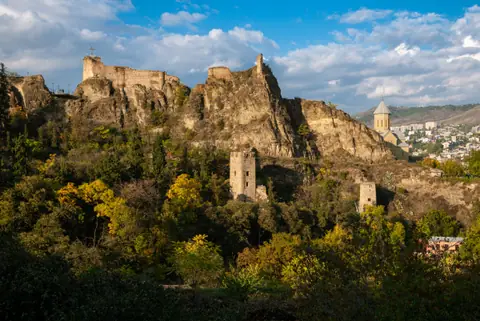
Narikala is the high point many visitors associate with Tbilisi. The fortress walls sit above the old centre, so even a quick visit changes how the city reads. The slope can be demanding, and visitors should decide between walking and using the Rike Park ropeway based on mobility, weather and how much time they want to spend at the top. The transport company operates the ropeway, but check current service status before building a plan around it. Skip a difficult ascent if conditions make the route uncomfortable.
Mtatsminda gives another elevated perspective and can be treated as a separate outing. It works well after a slower day in the central districts, especially for travellers who want a broad overview rather than a close look at historic lanes. Do not combine every hill in one afternoon. Choose Narikala for the old-town setting and Mtatsminda for a different sweep of the city. The dedicated Narikala and botanical garden guide explains how to balance the fortress, garden and slope.
Give one day to architecture and museums
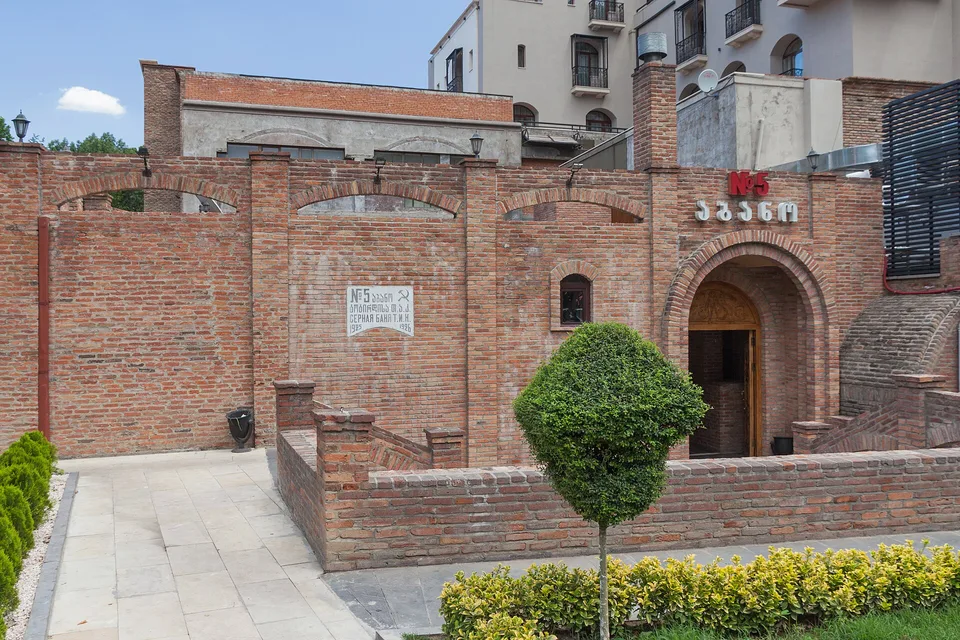
Sololaki rewards travellers who notice details at street level. Its residential facades, balconies and courtyards give a sense of how domestic architecture differs from the bath district's public buildings. The neighbourhood is better approached slowly than as a rapid photo route. Look upward, but keep an eye on uneven paving and traffic. Some courtyards are private spaces, so admire them from the street unless access is clearly public. Our Sololaki architecture walk focuses on what to look for without treating residents' homes as attractions.
Rustaveli Avenue makes more sense when a museum or performance is your anchor. Museums can change exhibitions and visitor arrangements, so confirm current details on their own sites. The avenue itself is broad and easier to navigate than the old lanes, but it is not a reason to rush past adjacent streets. Pair an institution with a short walk through the nearby centre, then leave time for a meal. Our Rustaveli and museums guide helps choose a manageable combination.
Look beyond the familiar centre
Avlabari and Metekhi sit across the river from the best-known old-town lanes. The cathedral and church viewpoints make this side deserving of time, but the neighbourhood should not be reduced to a single panoramic stop. Cross on foot when the bridge route suits your plan, and notice how the elevation shifts as you move away from the river. Details are in our Avlabari and Metekhi guide.
Chugureti gives the trip a more everyday rhythm, with a market focus and streets that feel different from the monumental centre. A market visit is most useful when you arrive curious about ingredients and local shopping habits, rather than expecting a polished food hall. Ask before photographing sellers or products, and do not block working aisles. Pair the market with a walk in the surrounding district, not with every central attraction on the same day. See the Chugureti and Deserters' Bazaar guide.
When to leave the city
Mtskheta is a separate destination outside central Tbilisi. UNESCO lists the historic monuments of Mtskheta as a World Heritage property, including Jvari Monastery and Svetitskhoveli Cathedral. Those sites have a different scale and setting from the capital, and the outing deserves dedicated time. Do not confuse Mtskheta's inscribed status with Tbilisi's Tentative List status. Our day-trip guide sets out what to check before going.
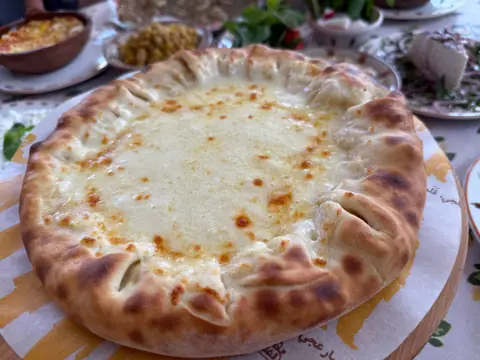
Food can shape the itinerary as much as a landmark. Try a dish because its ingredients or form interest you, not because a list promises a perfect version. Khinkali, khachapuri, bean dishes and walnut-based preparations appear in Georgia's national tourism guide to Tbilisi food. Our food guide explains names and useful questions. Keep the day simple: one district, one main cultural stop and one meal is a satisfying plan in a hilly city.
Sources we checked
Where it is
- 1Tbilisi
- Tbilisi International Airport (TBS) · about 12 km from Tbilisi in a straight line
- Directions in Google Maps
Stations and taxi ranks: OpenStreetMap. Airports: OurAirports. Distances are in a straight line.
Traveller tips
Real advice from people who have been to Tbilisi. Every tip is read by our team before it goes live.
No tips yet. Been here? Yours could be the first.
Thank you! Your tip will appear here after a quick review.
More in Tbilisi
Continue exploring Tbilisi with related neighbourhood, food, and planning guides