Tbilisi
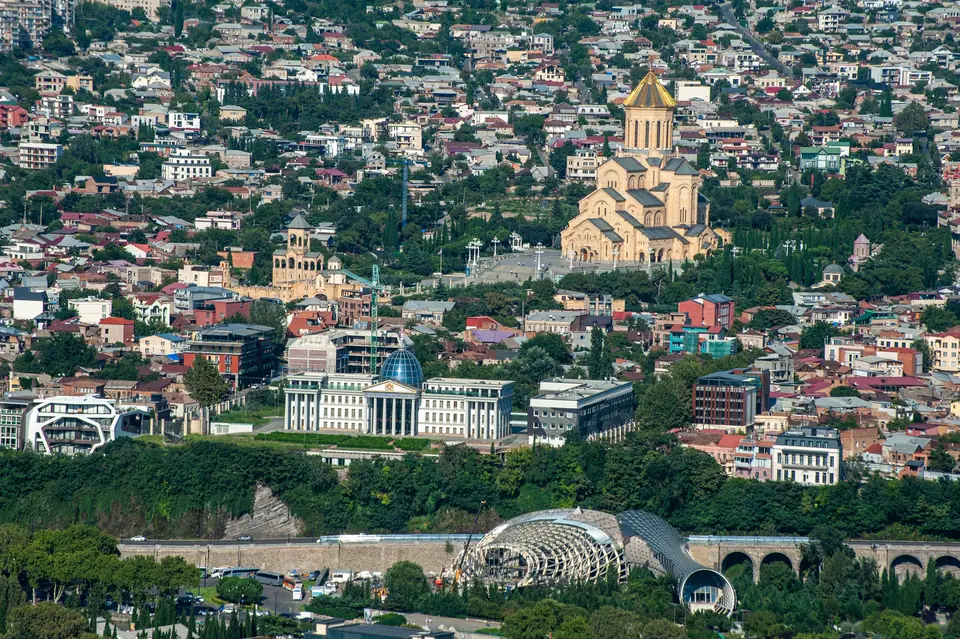
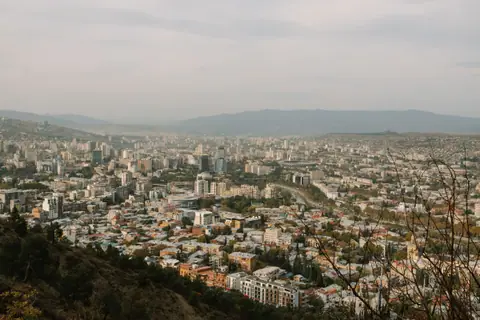
Tbilisi follows the Mtkvari River through a steep valley, where bathhouse lanes, hillside churches, Soviet avenues and newer bridges make each district feel distinct.
Quick decisions
How many days?
Allow three days for the Old Town, its bath district and hilltop viewpoints. Add a day for Mtskheta if you want to see Georgia's former capital beyond the city.
Where should I stay?
Choose the Old Town for walks to the baths and river, Rustaveli for museums and a wider avenue, or Chugureti for a different mix of streets and markets. Compare the trade-offs in our neighbourhood guide.
Do I need a car?
No car is needed for central Tbilisi. Hills and river crossings make some walks slower than a map suggests, while the municipal metro and buses link districts beyond the core.
Best for
Layered city history, sulphur-bath architecture, Georgian food, hillside walks and a capital where old lanes meet broad twentieth-century streets.
Before you go
Check current entry rules for your passport, keep an offline map for steep lanes, and verify airport transport on the airport and TTC sites before landing.
Getting around
Walk the compact historic core, then use TTC journey planning for longer cross-city trips. Routes and payment details can change, so check the operator's live information.
Continue your trip
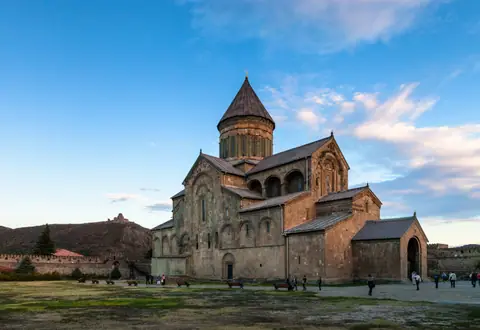
Pair Tbilisi with Mtskheta for a day beyond the capital, or compare Georgia's capital with Istanbul before choosing your next city stop.
Overview
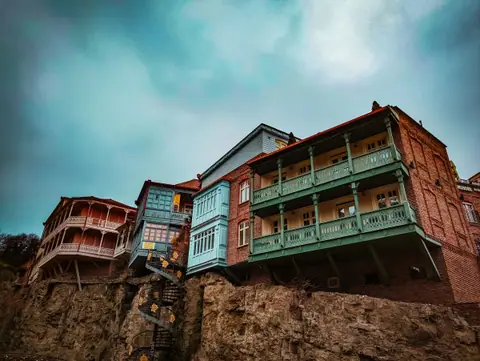
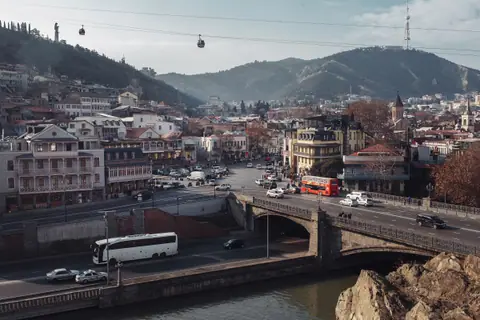
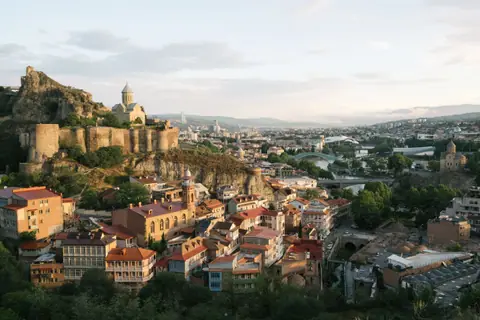
Georgia's capital is easiest to read from the river. The Mtkvari cuts through a narrow valley, with the Old Town climbing from its banks towards Narikala and the statue of Kartlis Deda. The steep setting is more than a scenic detail. It explains why a short distance on a map can involve stairs, a bridge or a sharp climb, and why the city is best planned by adjoining districts rather than by a checklist of isolated sights. UNESCO's Historic District entry is on the Tentative List, not the World Heritage List. The proposed area records a city shaped by the river, fortifications, religious buildings and later streets. Start with our orientation guide before fixing day plans.
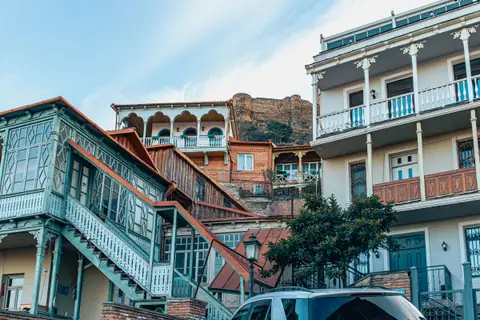
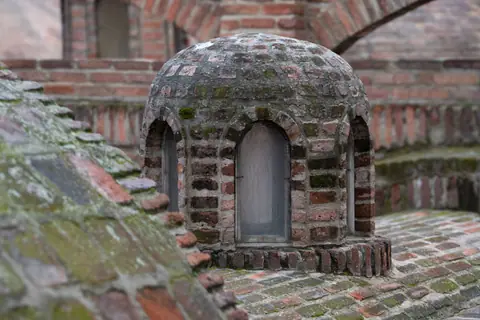
In the historic core, bath domes and narrow lanes give way to broad avenues, museum fronts and newer public spaces. Abanotubani's sulphur-bath buildings sit close to the river; the route towards Metekhi crosses a different slope and viewpoint. North and west, Sololaki's residential streets reward slower looking at balconies and façades, while Rustaveli is more useful for museums and city institutions. Tbilisi Transport Company operates the metro and municipal buses, with a ropeway linking Rike Park and Narikala. Use the official trip planner for current routes. For an initial visit, our sights guide groups the city by geography, while the food guide explains what to look for at the table.
Getting there
Fly into Shota Rustaveli Tbilisi International Airport and check the airport's current route 337 information before travel. Georgian Railway publishes passenger schedules through its official site. Compare arrival options in our transport guide.
Where to stay
Stay in the Old Town for the bath district and river lanes, around Rustaveli for museums and wider streets, or in Chugureti for a different urban texture. Hills, slopes and bridges affect the walk from each base. See our district guide.
Things to do
Read the historic centre as a route between the river, Abanotubani, Metekhi and Narikala, then give separate time to Sololaki or Rustaveli. The sights guide explains what to combine, and the three-day plan keeps the climbs manageable.
Food and drink
Georgian menus pair breads and dumplings with herb-led dishes, beans, walnuts and grilled food. Learn the names and what to ask about in our Tbilisi food guide, including options described by the national tourism authority.
Culture
Tbilisi's cultural layers are visible in its religious sites, bath district, residential balconies and museums. The historic centre is on UNESCO's Tentative List, not the inscribed World Heritage List. Explore this distinction in our Old Town walk.
Weather by month
Tbilisi is warmest in August, with average highs around 30°C, and coldest in January, when nights drop to about -2°C. May is the wettest month by rainfall (101 mm), with rain on about 14 days. For mild weather with fewer rainy days, aim for September.
| Month | Low | Range | High | Rain | Rainy days |
|---|---|---|---|---|---|
| Jan | -2°C | 6°C | 22 mm | 6 d | |
| Feb | -1°C | 8°C | 25 mm | 6 d | |
| Mar | 2°C | 11°C | 71 mm | 12 d | |
| Apr | 6°C | 17°C | 81 mm | 12 d | |
| May | 11°C | 21°C | 101 mm | 14 d | |
| Jun | 16°C | 27°C | 76 mm | 10 d | |
| Jul | 19°C | 30°C | 50 mm | 7 d | |
| Aug | 19°C | 30°C | 31 mm | 6 d | |
| Sep | 15°C | 25°C | 50 mm | 7 d | |
| Oct | 9°C | 17°C | 58 mm | 9 d | |
| Nov | 3°C | 11°C | 48 mm | 7 d | |
| Dec | 0°C | 7°C | 28 mm | 6 d |
Averages of daily values from 2015 to 2024. Rainy days are days with at least 1 mm of rain. Source: Open-Meteo · Compare destinations by month.
Tbilisi on the map
Every place we cover in Tbilisi. Tap a category or pin to explore.
In-depth Tbilisi guides
Browse the guides grouped by topic: sights, neighbourhoods, food, transport, day trips and trip planning.
Sights, Landmarks & Parks
Key monuments, viewpoints, museums and nature trails.
- Things to Do in Tbilisi: Choose by District, Not ChecklistPlan Tbilisi's bath quarter, hilltop landmarks, river walks and museums as connected districts instead of isolated stops.
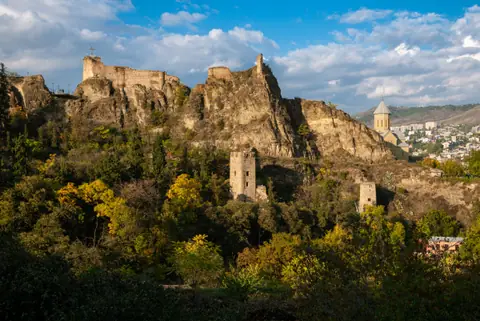
- Narikala and Tbilisi Botanical Garden: Plan the HillPair Narikala's high position above the Old Town with the botanical garden when the terrain and route suit your day.
- Rustaveli Avenue and Tbilisi's Museum QuarterUse Rustaveli Avenue as a cultural spine for museums and civic buildings, and check each institution before planning a visit.
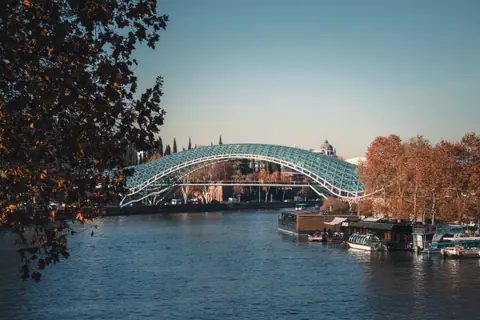
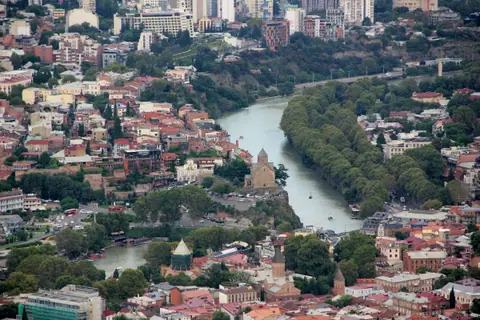
- Avlabari and Metekhi: Tbilisi from the Opposite BankCross the Mtkvari to explore Metekhi's riverside position and Avlabari's streets without reducing the district to one viewpoint.

Neighbourhoods & Where to Stay
Districts, historic quarters and the best bases for your stay.
- Where to Stay in Tbilisi: Pick a Base That Fits Your RouteCompare the Old Town, Rustaveli, Sololaki and Chugureti by slope, transport access, street character and the trips you plan.
- Old Tbilisi and Abanotubani: A Walk Around the Bath QuarterExplore the river edge, bathhouse domes and old lanes of Abanotubani with a route that accounts for slopes and the gorge path.
- Sololaki Architecture Walk: Balconies, Streets and CourtyardsRead Sololaki through its residential facades, balconies and street pattern while respecting private courtyards and steep approaches.
Food & Drink
Local dishes, markets, cafés and dining districts.
- What to Eat in Tbilisi: Georgian Dishes and How to OrderLearn the names and basic differences between Tbilisi's Georgian breads, dumplings, bean dishes, walnut preparations and grilled plates.
- Chugureti and Deserters' Bazaar: A Market-Led Tbilisi WalkVisit Deserters' Bazaar as a working market, then use the surrounding streets to understand Chugureti beyond its produce stalls.


Getting Around & Arrival
Airport transfers, public transit, passes and driving rules.
- How to Get to Tbilisi: Airport, Bus and Railway ChecksCompare arrival options for Tbilisi and verify current airport bus and rail information with the transport operators.
- Getting Around Tbilisi: Metro, Bus, Ropeway and HillsUse walking for the historic centre, TTC route planning for longer trips, and check live rules for buses, metro and the Narikala ropeway.

Day Trips & Excursions
Easy half-day and full-day trips from the city.
Trip Planning & Itineraries
When to visit, what to pack and day-by-day routes.
- Tbilisi: Reading the City by River, Ridge and DistrictGet oriented around Tbilisi's river valley, steep historic lanes and distinct central districts before planning your visit.
- Best Time to Visit Tbilisi: Seasons, Hills and City PaceChoose a season for Tbilisi by balancing outdoor walks, hillside conditions, museum time and your tolerance for changing weather.
- Three Days in Tbilisi: A River-to-Ridge City PlanUse three district-based days to explore the Old Town, central museums and a neighbourhood beyond the main visitor route.

Reviews
Log in to write a review.
No reviews yet.