Photo: Giuseppe Basile 99 · CC BY 4.0
Trieste on the Edge: Italy's Habsburg Adriatic Port
Wedged between pale Karst limestone and the Adriatic Sea, Trieste pairs Viennese neoclassical boulevards with Italian piazzas, Slovene ridge villages and literary bookshops.
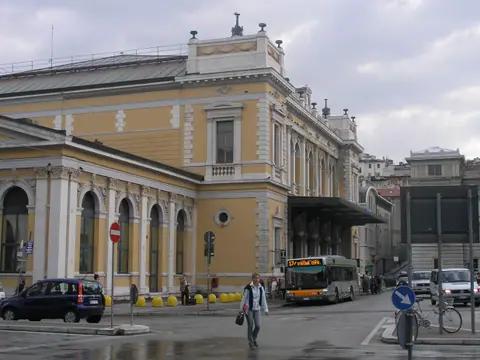
Few Italian cities declare their border identity as swiftly as Trieste does on a morning walk down to the water. Turn one corner and pale Viennese neoclassical facades ordered under Maria Theresa rise overhead. Turn the next and an open Adriatic quay greets you with salt air, roasted coffee and pine wind blowing off the ridge.
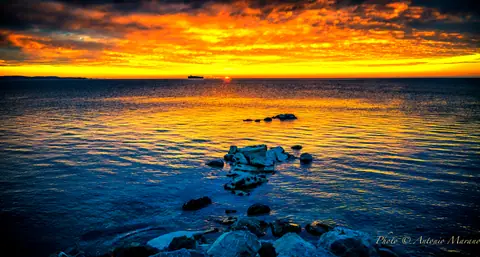
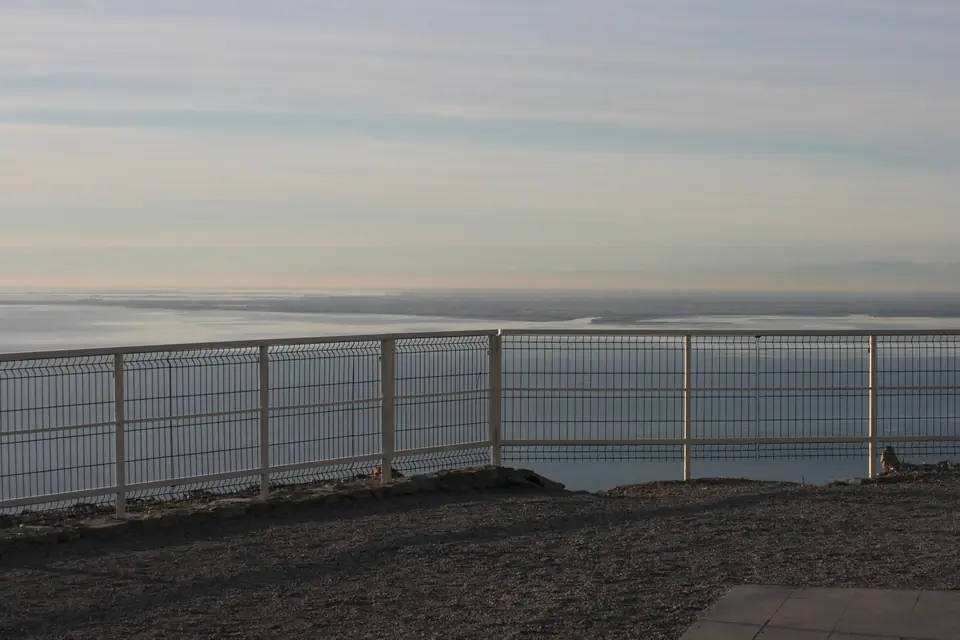
Behind the harbourfront looms the rocky rim of the Carso, pressing urban streets onto a tight coastal shelf between hillside vineyards and shipping lanes. Rather than feeling isolated on a quiet edge of northeastern Italy, Trieste sits like a stone theatre facing west toward Istria and Venice.
Every pavement detail reflects that maritime reach. Wide white flagstones absorb bright northern glare. Ship bollards still stud solid granite piers, and merchant insurance palaces outnumber baroque churches along the seafront. Even local speech mixes Venetian cadence with Slovene nouns and German loanwords for railway timetables, tools and kitchen dishes.
Austria's Adriatic Doorway Meets the Italian State
Trieste owes its distinctive skyline to centuries under Habsburg rule. That bond lasted from voluntary allegiance in 1382 until the close of the First World War in 1918. Emperor Charles VI proclaimed Trieste an Imperial Free Port in 1719, turning a small coastal settlement into Central Europe's main oceanic gateway.
Traders soon arrived from Vienna, Bohemia, Greece, Dalmatia and northern Italian cities. Over reclaimed coastal salt flats they constructed tall warehouses, Orthodox churches, a neoclassical stock exchange and a monumental synagogue near Piazza Oberdan. Even after union with Italy in 1918, frontiers kept shifting around the gulf.
After the Second World War, Allied forces administered Zone A of the Free Territory of Trieste from 1947 until the London Memorandum restored the city to Italian sovereignty in 1954. Street plaques, family surnames and hillside memorials preserve each transition candidly. Rather than hiding awkward decades, Trieste keeps Austrian, Italian and Slavic layers in clear view.
From Canal Grande to the Seafront Rive
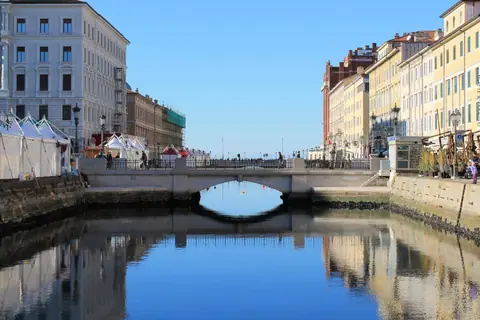
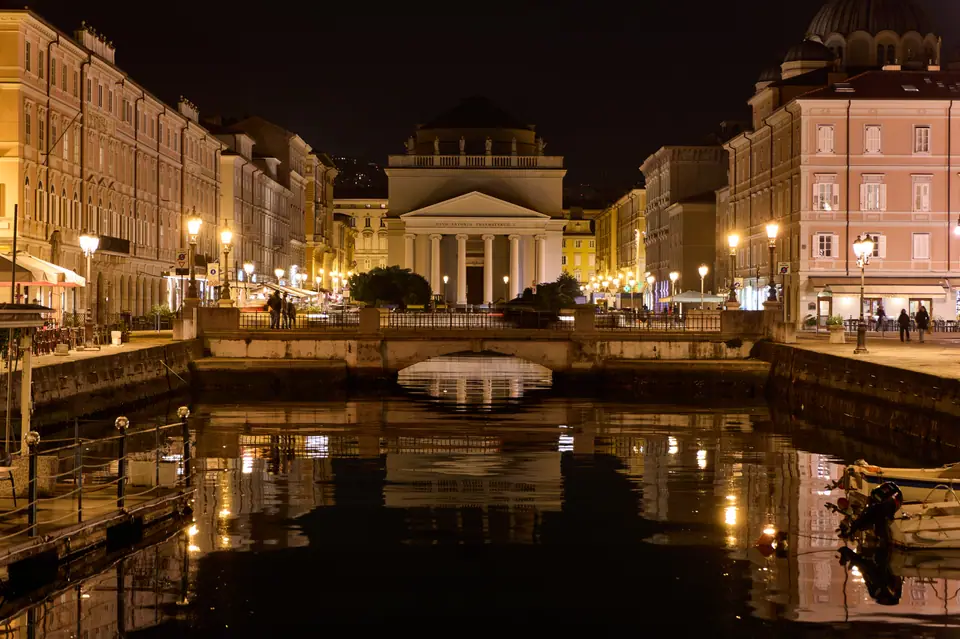
An opening orientation should trace the level streets of Borgo Teresiano straight toward the open bay. Centred along the narrow salt channel of Canal Grande, this 18th-century merchant quarter links Palazzo Gopcevich, Sant'Antonio Nuovo and Serbian Orthodox San Spiridione within easy walking reach. Flat stone pavements make brisk errands feel relaxed from dawn onward.
Step onto the sweeping promenade known locally as the Rive, where passenger liners and timber brigs once packed long granite piers. This harbourfront reveals the commercial engine that financed the city's grand imperial architecture. Pair your harbour stroll with our free-port and coffee guide to trace the historic docks.
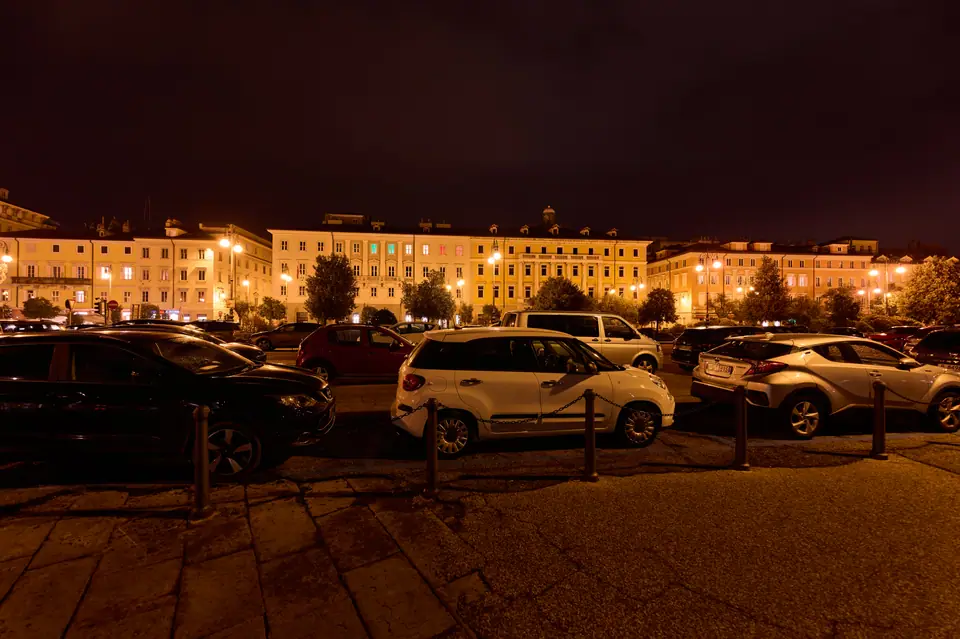
Standing along Riva Nazario Sauro clarifies how Trieste breaks neatly into three clear tiers. Seafront flats hold grand squares and historic coffee parlours. Mid-slope lanes conceal Roman stones and intimate wine bars behind Piazza Unità d'Italia, while medieval ramparts crown Piazza Unità d'Italia and San Giusto hill.
Give yourself slow mornings to wander between tiers without rushing tick-box monuments. Morning sun catches pale Istrian stone down at water level before shifting late over the hilltop bell tower. Late afternoons bring locals down onto seafront stone steps to watch ferries curve south toward Muggia.
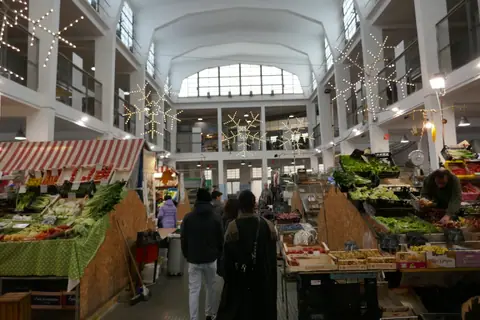
Even everyday shopping stays pleasantly grounded in maritime tradition. Neighbourhood bakeries smell of vanilla and warm butter beside corner hardware counters, while evening crowds gather casually along Riva Tre Novembre before dinner.
Slovene Villages and Karst Limestone Behind the Quays
Cross the railway edge or board an uphill bus and harbour traffic vanishes in roughly 20 minutes. High across the Karst plateau, rusty iron-rich red soil nurtures stone walls, oak copses, pine groves and terraced coastal vineyards. Bilingual signposts mark Italian and Slovene village names side by side across windswept limestone lanes.
Trieste's rural hinterland belongs geographically with Ljubljana and western Slovenia rather than the flat Po valley. Half a day spent inland explains why dining rooms lean toward hearty bean soup, smoked cured pork and crisp mineral wines. Map your plateau walk with our guide to Grotta Gigante and the Carso.
Bookshops, Literary Echoes and Border Crossings
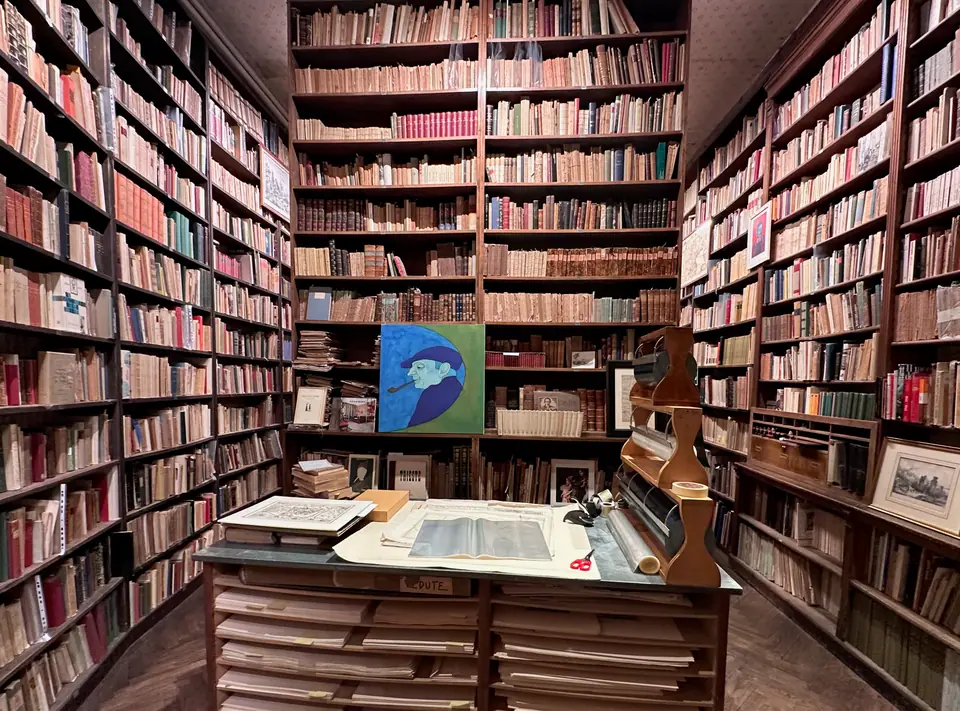
Writers never drifted into Trieste by accident during the early 1900s. Busy maritime schools, multilingual bookshops and quiet winter cafés attracted sharp minds seeking cosmopolitan life away from crowded capitals. Strolling Via San Nicolò still leads past the timber shelves of Libreria Antiquaria Umberto Saba, taken over by the poet in 1919 and still operating today.
James Joyce taught English across Trieste from 1904 to 1915. He drafted Dubliners, A Portrait of the Artist as a Young Man and early chapters of Ulysses near Piazza Unità d'Italia while exchanging ideas with novelist Italo Svevo.
Today that quiet literary streak lives on inside cellar secondhand bookshops, university lecture halls and maritime publishing houses tucked off Cavana. Visitors notice how readily locals step between languages mid-sentence without ceremony. Coffee counters, fish stalls and bookshop desks still carry conversations speckled with regional expressions shaped by shifting frontiers.
Contemporary Trieste rewards unhurried trips lasting three relaxed days. Reserve mornings for harbourfront squares, art galleries and independent bookshops along Via Cavana. Drift upward onto limestone pine trails after lunch, then return downhill as twilight deepens across Istria for espresso, white wine and calm sea air. Walking back down past neon-lit pastry counters lets evening settle smoothly beside dark water.
Where it is
- 1Trieste
- Trieste Airport (TRS) · about 31 km from Trieste in a straight line
- Venice Marco Polo Airport (VCE) · about 112 km from Trieste in a straight line
- Directions in Google Maps
Stations and taxi ranks: OpenStreetMap. Airports: OurAirports. Distances are in a straight line.
Traveller tips
Real advice from people who have been to Trieste. Every tip is read by our team before it goes live.
No tips yet. Been here? Yours could be the first.
Thank you! Your tip will appear here after a quick review.
More in Trieste
Continue exploring Trieste with related neighbourhood, food, and planning guides