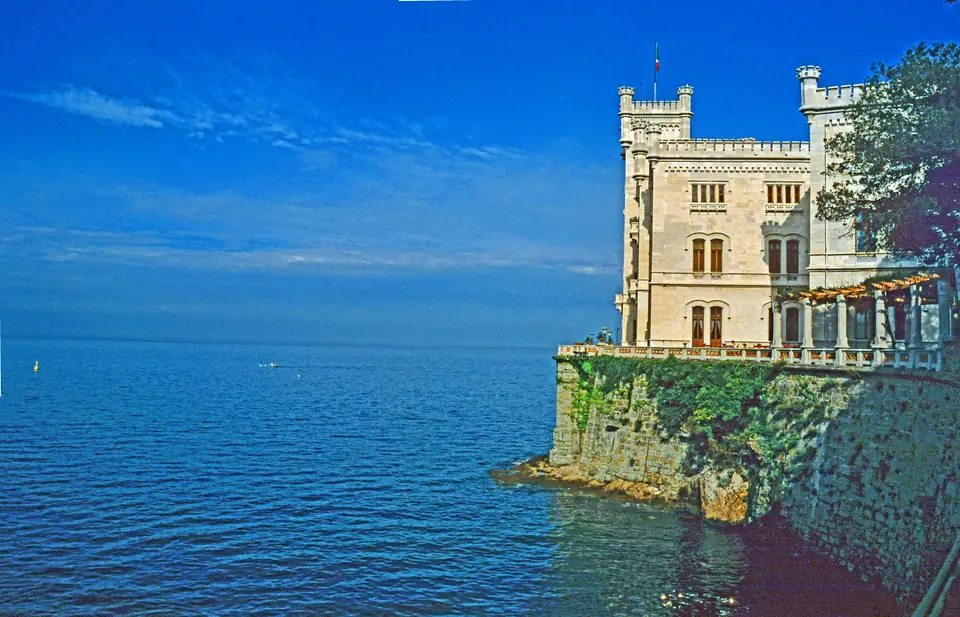
Photo: Guido Radig · CC BY-SA 4.0
Maximilian's White Promontory: Miramare Castle
Built of gleaming white Istrian stone over Grignano Bay, Miramare Castle blends Habsburg naval state rooms with a 22-hectare clifftop park linked by Bus 6.
Anchored on a rugged karst headland roughly eight kilometres northwest of Piazza Unità d'Italia, Castello di Miramare rises cleanly over Grignano Bay like a white marble ship ready to sail. Gleaming white Istrian limestone sharpens brightly against dark coastal cypresses and blue Adriatic swells, crafting Trieste's most recognisable shorefront skyline.
An Austrian Archduke on the Limestone Headland
Archduke Ferdinand Maximilian of Habsburg was younger brother to Emperor Franz Joseph and commander of the Imperial Austrian Navy. In 1855 rough seas forced his small boat ashore near Grignano, leading him to claim this rocky point. Viennese architect Carl Junker blended neo-Gothic towers with Renaissance stone balconies facing the sea. Masons laid the foundation stone on 1 March 1856 and raised primary walls through 1860.
Maximilian and his Belgian wife Princess Charlotte spent happy early seasons inside the finished ground floor while managing naval affairs downtown. That quiet life ended abruptly when Maximilian accepted the troubled Mexican crown and sailed west in 1864. Executed before a firing squad in Querétaro in 1867, Maximilian never saw Miramare again, leaving Charlotte to long decades of seclusion. Today portrait galleries still recall those brief Adriatic years cleanly across sunlit bays.
Inside the Eclectic State Apartments and Sea View
Walking through the Historic Museum of Miramare Castle exposes a deliberate contrast between private naval restraint downstairs and gilded Habsburg formality above. Original walnut furniture, crimson silk damask, naval canvases and quiet libraries remain preserved across both floors, framing wide coastal horizons through tall arched windows.
The Novara Rooms and Maximilian's Study
Downstairs, Maximilian built his personal study and bedroom as exact timber copies of his cabin aboard the Austrian frigate SMS Novara. Curved oak walls, polished brass hardware and broad sea casements hold bright coastal water right under his writing table. Upper state apartments line throne rooms and royal bedrooms linking Habsburg rule from Vienna across Adriatic waters toward Rome and Venice.
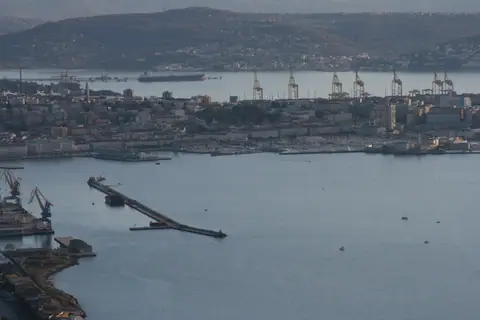
Pause beside corner stone balconies above the small coastal jetty where launches tied cleanly beneath the walls. Quiet morning air mirrors pale Istrian battlements across glassy turquoise bay water. Carl Junker angled tall window casements purposefully toward Trieste's distant port skyline so daylight shifted across walnut panelling from dawn into dusk.
Room captions trace shifting coastal history plainly without stiff formality. Visitors move swiftly between Maximilian's maritime study, velvet audience halls and quiet side corridors displaying period botanical watercolours and ship models.
Twenty-Two Hectares of Transplanted Botanical Gardens
When Carl Junker began clearing bedrock in 1856, Grignano point held little beyond windswept limestone scrub stripped bare by winter squalls. Maximilian shipped barges packed with rich topsoil down from Styria and Carinthia to build 22 hectares of sheltered botanical gardens tumbling down toward sea cliffs.
Chapels, Terraced Beds and Coastal Pines
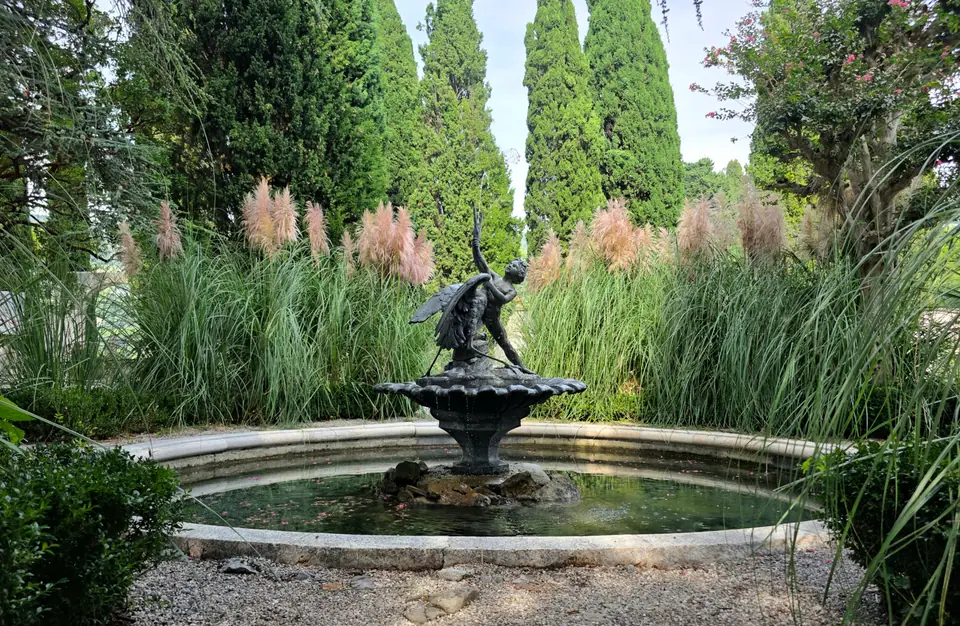
Gravel lanes curve gently beneath towering Himalayan cedars, coastal stone pines, giant sequoias, holm oaks and manicured Italian parterres. Stop beside the serene lakeside Castelletto garden house where Maximilian and Charlotte lived while stonemasons finished major vaulting out on the point. Warm spring afternoons tracked inside our seasonal weather guide fill woodland paths with sweet pine resin.
Wander past secluded fountains down toward the carved Egyptian granite Sphinx watching silently above the coastal harbour. Shaded stone benches offer cool refuge from bright midday sun well away from busier courtyard entrance gates. Listen carefully under cypress groves for cicadas drumming through summer heat while coastal freighters glide steadily south toward Trieste's main port cranes.
Grignano Bay and the Marine Protected Area
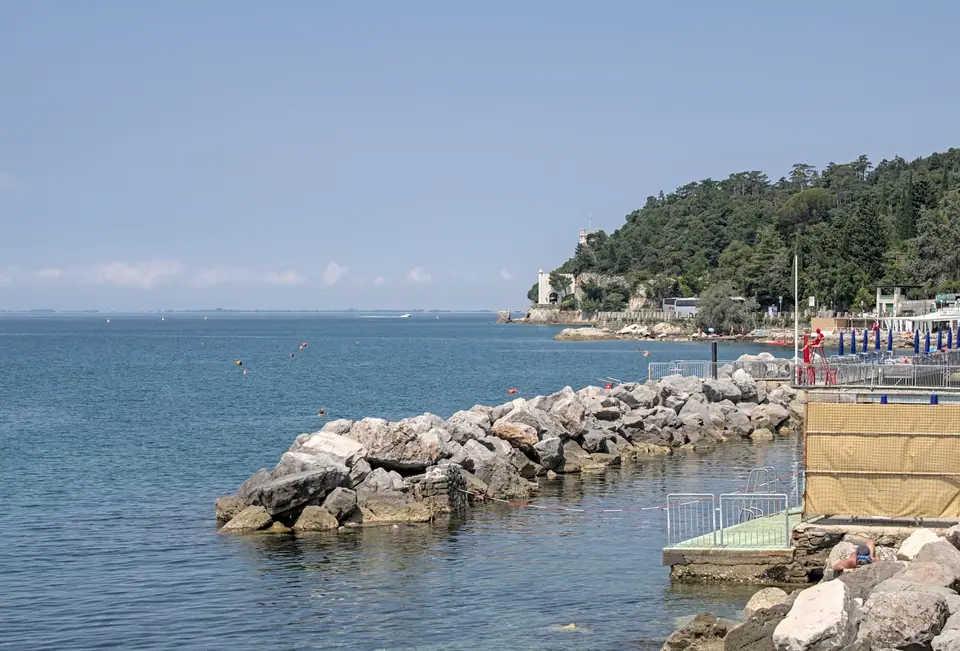
Directly off the castle's stone seawalls stretches the Miramare Marine Protected Area. Started as a coastal marine park in 1973, it became Italy's first national marine reserve in 1986 under WWF Italy management. Sheltered limestone reefs host sea bream, nimble damselfish, octopuses and lush seagrass beds protected from boat anchors.
Walkers stroll smoothly along wide seaside flagstones linking Grignano harbour past Miramare's lower ramparts back down toward Barcola. Seabirds wheel overhead while swimmers spread towels on sunlit stone ledges further south. Coastal cliffs glow crisp white against clear afternoon sea light. Bring hats, water and sturdy trainers in warm months. Pale limestone terraces bounce sharp Adriatic glare skyward all afternoon.
Reaching Miramare Cleanly by Bus 6 or Regional Train
Visiting Miramare takes no private car and stays effortless year-round without fighting scarce parking bays beside Viale Miramare.
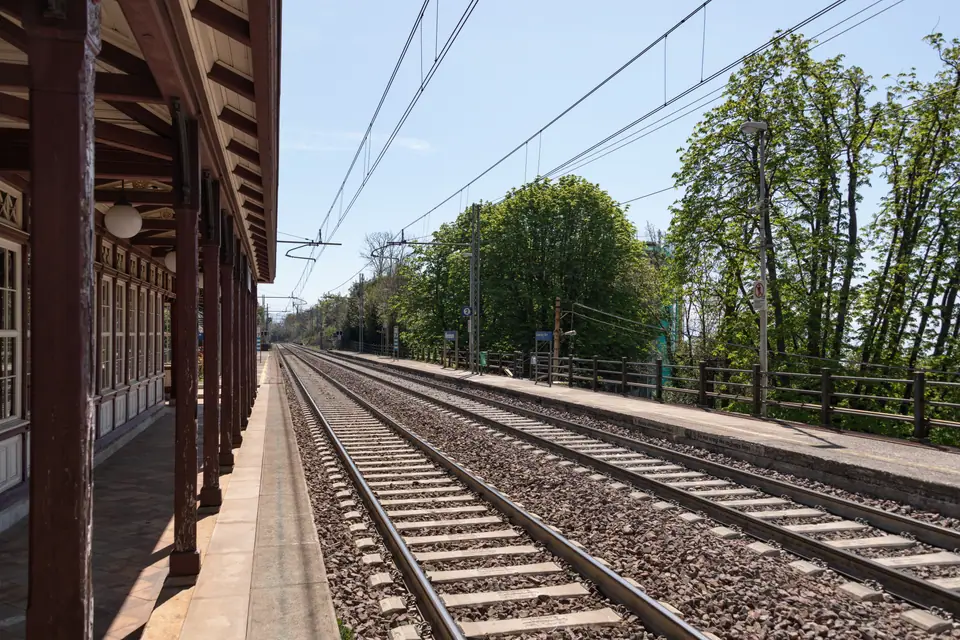
Frequent blue-and-white city Bus 6 glides north from Piazza Oberdan past Barcola's seafront wall straight to Grignano square right beside the castle gate. Rail travellers can hop aboard fast Trenitalia regional trains from Trieste Centrale straight to the quiet Miramare stop sitting just above the northern garden gate. Once finished touring gardens and rooms, many guests walk south back toward Barcola for seaside espresso before catching urban buses home.
Allow unhurried time out along the cliff paths so neither palace rooms nor woodland slopes feel rushed before sunset. Shaded stone steps descend gently down toward Grignano harbour's quiet stone piers, letting tired walkers rest above gentle swell lines before returning south. Warm timber jetties catch late afternoon sea glow while fishing boats drift smoothly back into shelter. Check transit routes inside our city transport guide or link back with Trieste's central waterfront.
Where it is
- 1Maximilian's White Promontory
- Trieste Airport (TRS) · about 24 km from here in a straight line
- Venice Marco Polo Airport (VCE) · about 108 km from here in a straight line
- Directions in Google Maps
Stations and taxi ranks: OpenStreetMap. Airports: OurAirports. Distances are in a straight line.
Traveller tips
Real advice from people who have been to Trieste. Every tip is read by our team before it goes live.
No tips yet. Been here? Yours could be the first.
Thank you! Your tip will appear here after a quick review.
More in Trieste
Continue exploring Trieste with related neighbourhood, food, and planning guides