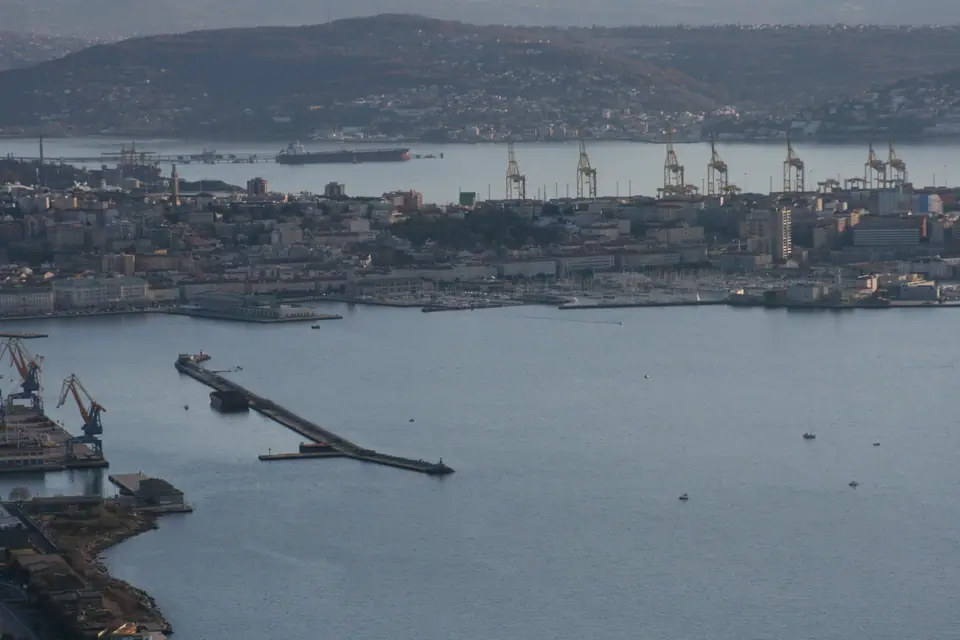
Photo: Giuseppe Basile 99 · CC BY 4.0
The Free Port, Porto Vecchio and the Triestine Coffee Code
Trace Trieste's story from 1719 Imperial Free Port warehouses at Magazzino 26 to historic literary salons and the precise five-term Triestine coffee ordering code.
Before leisure travellers ever strolled the Rive, roasted coffee sacks and duty-free maritime cargo laid out Trieste's broad waterfront streets. Stand beside the giant brick warehouses north of the station or lean against an espresso counter at morning rush. Within minutes the city's maritime engine explains almost everything around you.
Duty-Free Imperial Docks That Built Modern Trieste
When Emperor Charles VI granted Trieste Imperial Free Port privileges in 1719, merchants across Central Europe gained exemption from customs duties on maritime cargo loaded or unloaded across these piers. Habsburg planners later raised the sweeping stone warehouses of Porto Vecchio between 1868 and 1894 directly along the northern seafront past Trieste Centrale.
Sailing brigs and steam vessels unloaded raw green coffee beans from Brazil, East Africa and Red Sea ports straight into stone storerooms. Southern Railway goods trains carried heavy sacks steadily up over Alpine passes toward Vienna, Prague and Budapest. Modern container cranes work further south along newer piers today, while keeping Trieste crowned still as Italy's largest green-coffee import hub.
Porto Vecchio-Porto Vivo and Magazzino 26
Stretching roughly 66 hectares between the main railway platforms and Barcola, historic Porto Vecchio stayed hidden behind customs barriers for decades as deep-water terminals shifted south. Under ongoing Porto Vecchio-Porto Vivo redevelopment schemes, wide stone dock avenues and shaded imperial warehouse alleys have steadily opened to runners, cyclists and curious weekend walkers.
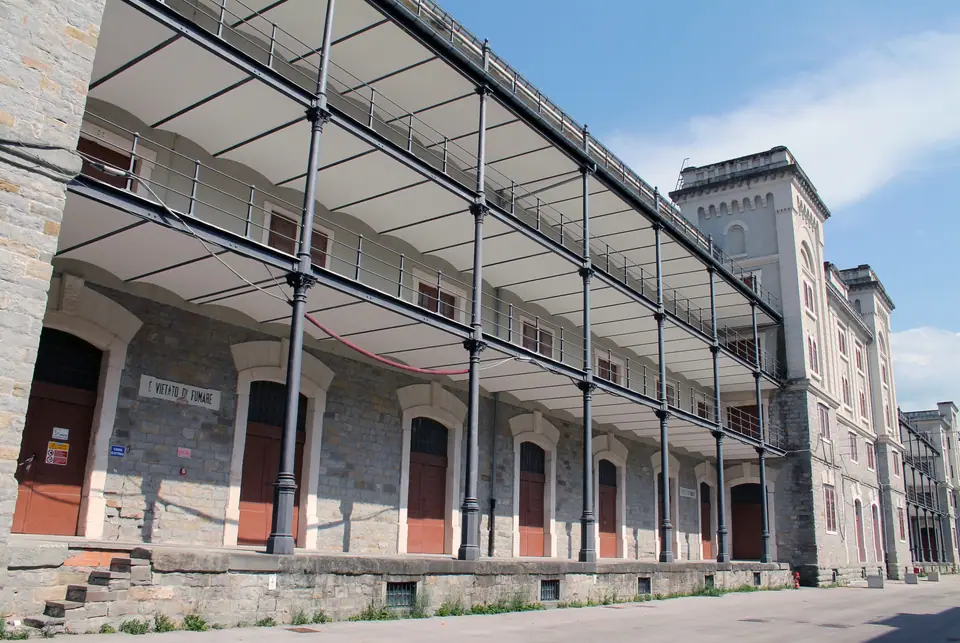
Anchor any harbour walk inside Magazzino 26 along the broad inner dock boulevard. Built during the 1868 to 1894 port expansion, this vast brick-and-stone depot now shelters hands-on Immaginario Scientifico science halls as well as maritime collections from the Museo del Mare and seasonal exhibition spaces. Walking beneath its cavernous bays conveys the imperial ambition captured across our main city guide.
Cracking the Triestine Coffee Lexicon at the Counter
Step up to a traditional wooden coffee counter downtown and order casually for an espresso or macchiato, and baristas spot an out-of-towner within seconds. Long Habsburg salon habits fused with brisk Italian morning counters forged five clear spoken codes separating milk proportions and ceramic cups from clear glass.
| Local Order | Served In | What Arrives at the Counter | Everyday Equivalent |
|---|---|---|---|
| Nero | Ceramic espresso cup | Brisk black coffee shot | Standard Italian espresso |
| Capo | Ceramic espresso cup | Coffee with steamed milk foam | Classic espresso macchiato |
| Capo in b | Small glass tumbler | Signature shot with warm foam | Macchiato in glass |
| Nero in b | Small glass tumbler | Straight black espresso shot | Black coffee in glass |
| Gocciato | Ceramic cup or glass | Espresso marked by single drop | Lightly spotted espresso |
Baristas pull shots briskly all morning while regular customers chat briefly at the counter before rushing onto offices or port ferries. Ordering a quick standing capo in b fits naturally into Triestine mornings without feeling hurried or formal. Watching clear warm milk froth settle gently inside glass tumblers makes choosing local terminology part of everyday neighbourhood routine.
Historic Literary Cafés Worth Knowing by Interior
Unlike European capitals that rope off historic tea salons for quiet museum viewing, Trieste keeps grand literary cafés buzzing as everyday living rooms. Neighbours debate morning headlines, retirees skim paperbacks and students linger calmly over a single capo in b at marble tables haunted once by James Joyce, Italo Svevo and local culinary writers.
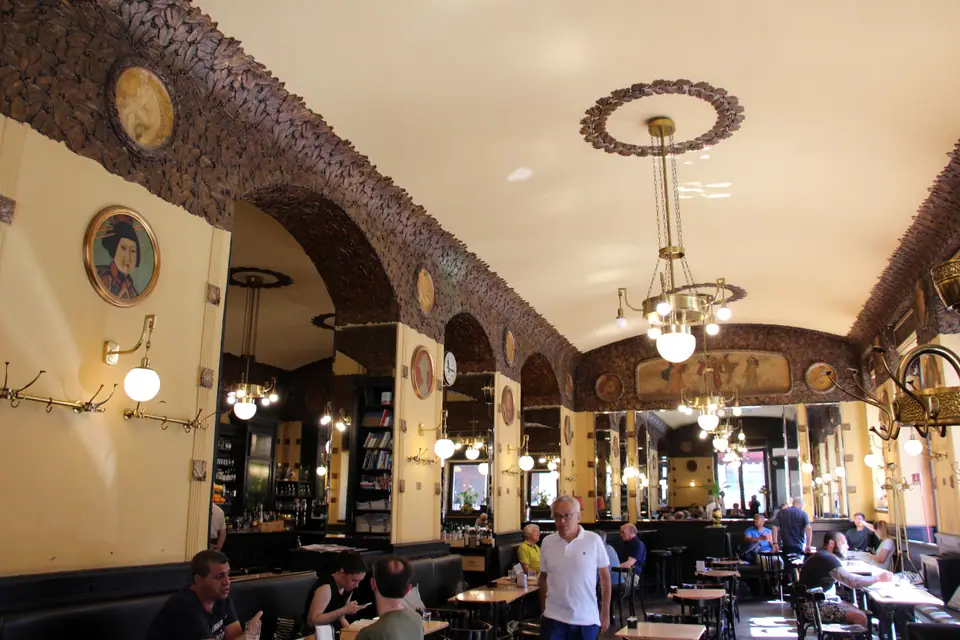
- Caffè San Marco (Via Cesare Battisti). Opened on 3 January 1914 and carefully restored following First World War ransacking. Rich Viennese Secessionist woodwork, wrought-iron coffee-leaf lamps and marble tables share space cleanly with an adjoining indie bookshop room.
- Caffè Tommaseo (Piazza Tommaseo). Operating continuously since 1830 near the harbourfront Rive as Trieste's oldest historic café. Tall Venetian mirrors, gilded ceiling trim and crisp white table service still frame quiet afternoon cake breaks.
- Caffè degli Specchi (Piazza Unità d'Italia). Opened inside ground-floor Palazzo Stratti in 1839. Unmatched seafront terraces watch pale evening daylight shift across stone facades lining Trieste's grand seafront square.
From Roasting Houses to Everyday Morning Counters
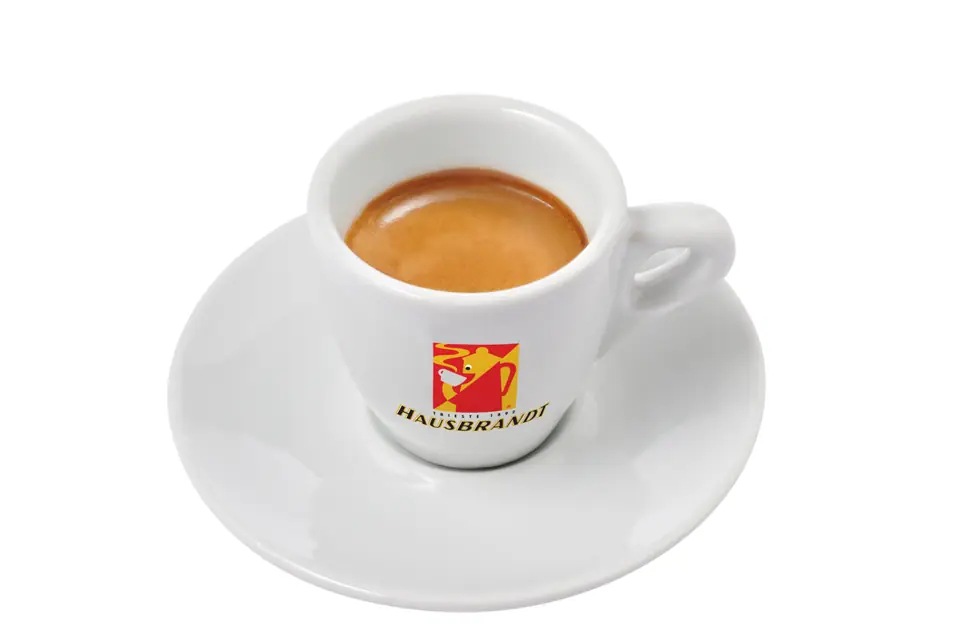
Trieste's counter excellence leans directly on pioneering port roasters who turned incoming raw dock cargo into lasting craft. Hermann Hausbrandt launched his roasting house in 1892. His sealed metal tins preserved crisp aroma across distant rail routes, before Francesco Illy patented nitrogen tins in 1933. Both breakthroughs anchored coastal craft firmly inside everyday Italian café culture.
Warm coffee fragrance still floats quietly along side lanes near working industrial roasteries and neighbourhood espresso bars alike. Locals step cleanly up to worn wooden bars, exchange crisp greetings with baristas and finish a swift nero before heading back onto piers.
Mid-afternoon counters soften slightly as office workers trade brisk morning espresso cups for slow pastry plates and folded newspapers. Even modest corner counters serve porcelain cups warm from steam trays so cream holds rich colour from start to finish. Friendly baristas happily decode regional milk terms whenever newcomers pause thoughtfully before tall coffee grinders.
Whether sitting under gilt mirrors near Piazza Tommaseo or leaning beside a wooden bar for a second capo in b, travellers taste dockside heritage in every sip. Corner tables stay welcoming from crisp morning pastry rounds until calm early evening pours. Paired with maritime roasteries in Genoa and grand parlours in Turin, Trieste shows how ocean shipping keeps street corners lively.
Where it is
- 1The Free Port, Porto Vecchio and the Triestine Coffee Code
- Trieste Airport (TRS) · about 30 km from here in a straight line
- Venice Marco Polo Airport (VCE) · about 112 km from here in a straight line
- Directions in Google Maps
Stations and taxi ranks: OpenStreetMap. Airports: OurAirports. Distances are in a straight line.
Traveller tips
Real advice from people who have been to Trieste. Every tip is read by our team before it goes live.
No tips yet. Been here? Yours could be the first.
Thank you! Your tip will appear here after a quick review.
More in Trieste
Continue exploring Trieste with related neighbourhood, food, and planning guides