Three Days in Varanasi: Riverfront, Old City and Sarnath
A three-day plan that groups Varanasi by area and keeps excursions flexible.
Three days in Varanasi work best when each day has one geographic focus. Give the riverfront its own time, keep the old-city and temple visit separate from longer excursions, and reserve a distinct day for Sarnath. The district lists the ghats and temple sites separately from its excursion destinations, while its official page places Sarnath 10 kilometres from Varanasi and Ramnagar 14 kilometres away. Those are source-stated distances, not journey-time estimates. Use the order below as a framework, then check current access notices and transport information. For a wider orientation, read the Varanasi travel guide.
Day one: learn the riverfront
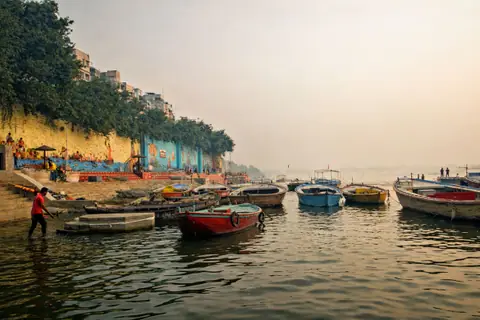
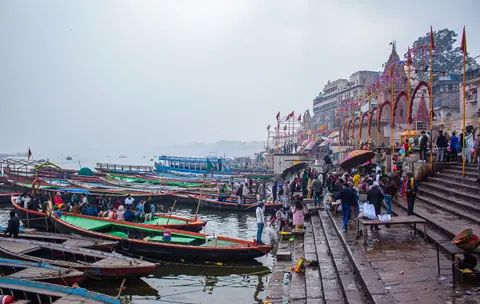
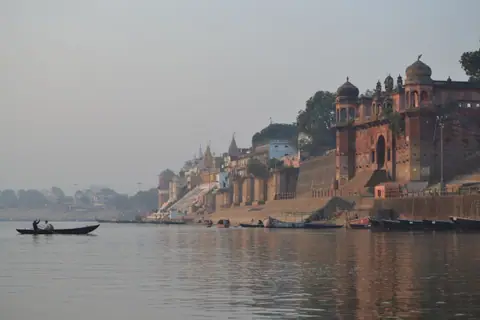
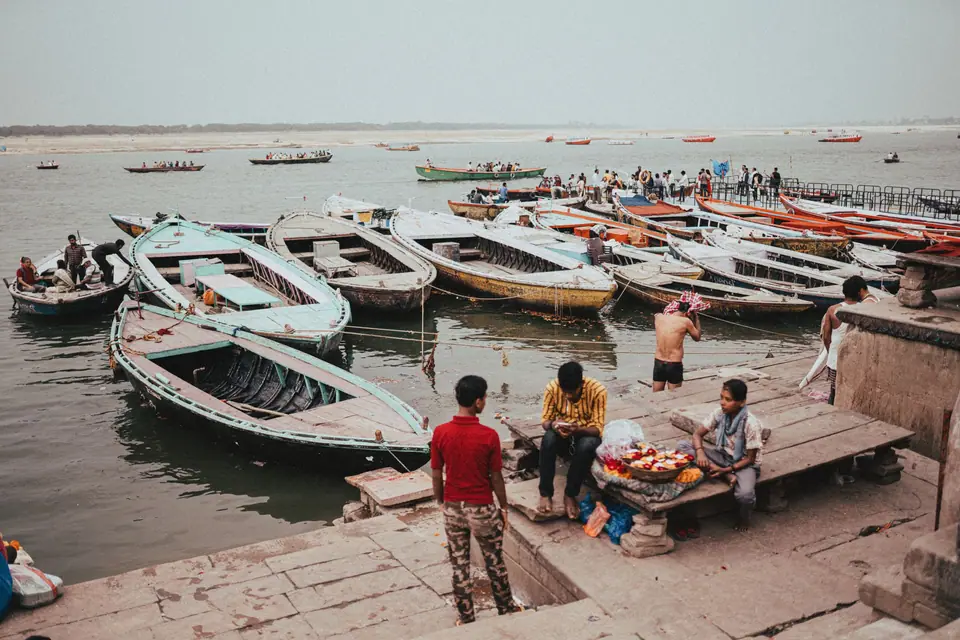
Keep arrival day light if you have just travelled into the city. Once settled, choose a manageable stretch of the Ganges and use it to understand the relationship between the river, steps and streets behind the ghats. The Kashi portal lists Assi Ghat, Manikarnika Ghat, Namo Ghat and other riverfront places individually. Do not treat them as identical stops or assume that every area is open for the same visitor activity.
Start from the ghat that best matches your base and follow public routes, signs and local directions. Leave room to pause and notice how the built edge changes along the river. Avoid making a boat ride essential to the day because availability and river conditions can change. The temple trust specifically notes that access through Ganga Dwar may change with river conditions and safety requirements. If water levels or access alter your plan, switch to a street-level walk or another confirmed visit.
Keep food simple on the first day. Official tourism material names local dishes such as kachori-sabzi and tamatar chaat, but it does not verify individual vendors or their current menus. Use our Varanasi food guide to recognise what is being offered rather than following an unsupported restaurant list. End the day near your base, and confirm the next day's temple instructions before setting out.
Day two: temple precinct and old-city lanes
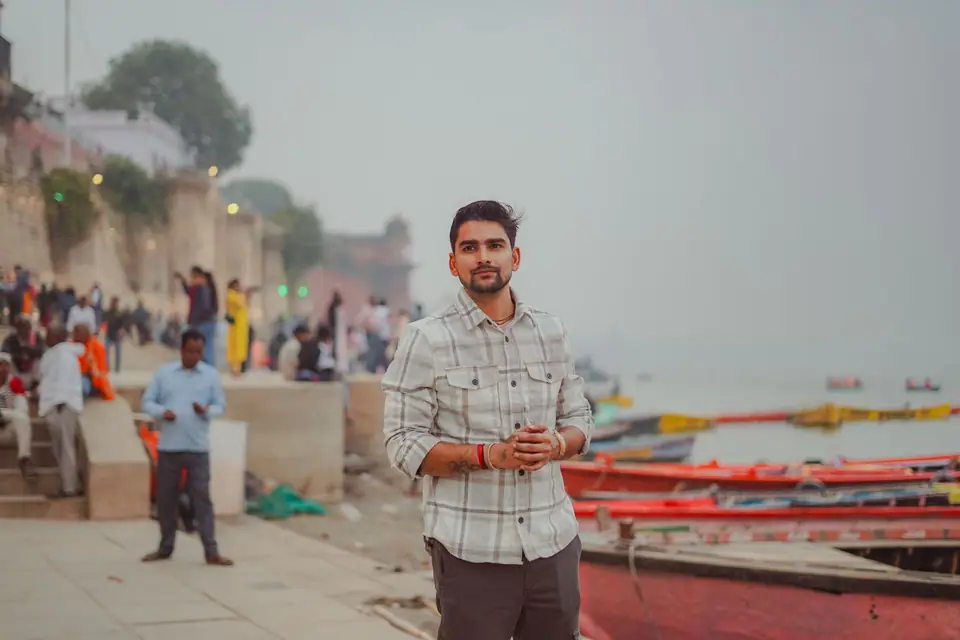
Make the temple district the main purpose of the second day. Before leaving, read the current Shri Kashi Vishwanath Temple Trust notices. They prohibit electronic devices inside temple premises and identify the Godowlia to Maidagin area as vehicle-restricted. These requirements affect what you carry and where a driver can stop. Conditions and rules can change, so confirm them close to the visit rather than relying on a saved itinerary.
After the temple visit, explore the surrounding lanes at a pace that allows you to retrace your route. Use a known landmark and check the way back to the vehicle drop-off or accommodation. The lanes and ghats are connected parts of the city, but they present different navigation and access questions. Our temple guide and old-city guide help you plan each part without treating the precinct as a drive-up attraction.
If you prefer an indoor visit after walking, consider Bharat Kala Bhavan at Banaras Hindu University. The university identifies it as its museum, but check its current visitor information before making it part of the day. Do not assume access or an opening schedule from a general destination page. The university district is a separate journey from the temple lanes, so include it only if you have enough time and transport flexibility.
Day three: choose Sarnath, with a Ramnagar alternative
Reserve the third day for Sarnath if Buddhist heritage and archaeology are priorities. The district excursion page describes Sarnath as 10 kilometres from Varanasi and lists Dhamekh Stupa, Chaukhandi Stupa, monastery remains and the Archaeological Museum. Treat the archaeological area and museum as related but distinct parts of the visit. Check current ASI information for site access, and leave the journey time flexible.
Do not combine Sarnath with a long temple circuit simply because both appear on a short list of city attractions. The separate journey takes time, and the archaeological grounds are not a quick photo stop. Read the dedicated Sarnath day-trip plan and decide in advance which parts matter most. If your interest is primarily architecture or local history, the heritage guide gives more context before you go.
Ramnagar is an alternative excursion, not a guaranteed add-on between Sarnath and the central city. The district gives it as 14 kilometres from Varanasi and describes a fort museum collection. Check current visitor information before travelling. Choose one excursion according to your interests and available time, rather than trying to fit both into a day without verified transport details.
Optional adjustments by travel style
- Temple-focused visit: keep day two flexible around current trust notices and do not carry prohibited devices.
- Museum interest: check Bharat Kala Bhavan access and pair it with the university area only if transport works.
- Archaeology: reserve the third day for Sarnath and check ASI notices before departure.
- Fort and river context: consider Ramnagar as the excursion, but verify current access separately.
- Limited walking: choose fewer stops and confirm vehicle drop-off and step-free needs with providers.
There is no need to visit every named ghat. The riverfront is more understandable when you choose a section and give it time instead of crossing back and forth. Similarly, the temple, museum and archaeological site each benefit from a separate block. If you have only two full days, retain the riverfront and the one site that matters most, then avoid a rushed third-day excursion.
What to confirm before each day
Check the latest temple notice before the temple day, the current ASI information before Sarnath, and the university museum page before Bharat Kala Bhavan. Confirm transport directly with the relevant operator or accommodation. Do not rely on route lists copied from older tourism pages, and do not attach exact travel times to distances published by the district.
Weather should influence the length and order of outdoor blocks. The IMD city station's 1991 to 2020 normals show a substantial range in monthly temperatures, but they are not a forecast. Check current conditions and adjust the walking plan. Our weather and timing guide explains which station data to use and how to interpret them.
Keep the plan movable
Varanasi's three-day structure is a way to reduce unnecessary backtracking, not a promise that every visit will happen as scheduled. River access can change, official visitor rules may be updated, and transport varies by date. Keep the day focused on one area, hold one optional activity in reserve, and move the order when an official notice requires it.
That flexibility is more valuable than packing every hour. Use the first day to orient yourself, the second for the old city and temple precinct, and the third for one carefully chosen excursion. For details on the separate journeys, consult our getting-around guide and accommodation guide before you finalise the base and transfers.
Where it is
- 1Varanasi
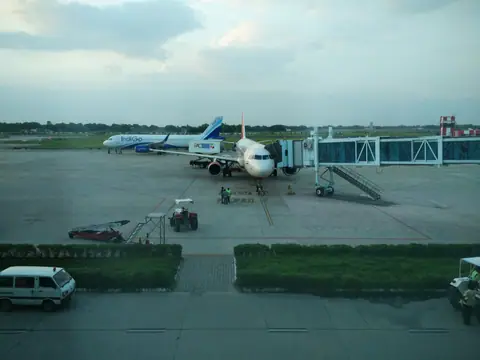
- Lal Bahadur Shastri International Airport (VNS) · about 19 km from Varanasi in a straight line
- Directions in Google Maps
Stations and taxi ranks: OpenStreetMap. Airports: OurAirports. Distances are in a straight line.
Traveller tips
Real advice from people who have been to Varanasi. Every tip is read by our team before it goes live.
No tips yet. Been here? Yours could be the first.
Thank you! Your tip will appear here after a quick review.
More in Varanasi
Continue exploring Varanasi with related neighbourhood, food, and planning guides