Sarnath Day Trip from Varanasi: Transport and Site Order
A flexible outing plan for Sarnath's archaeological remains and museum.
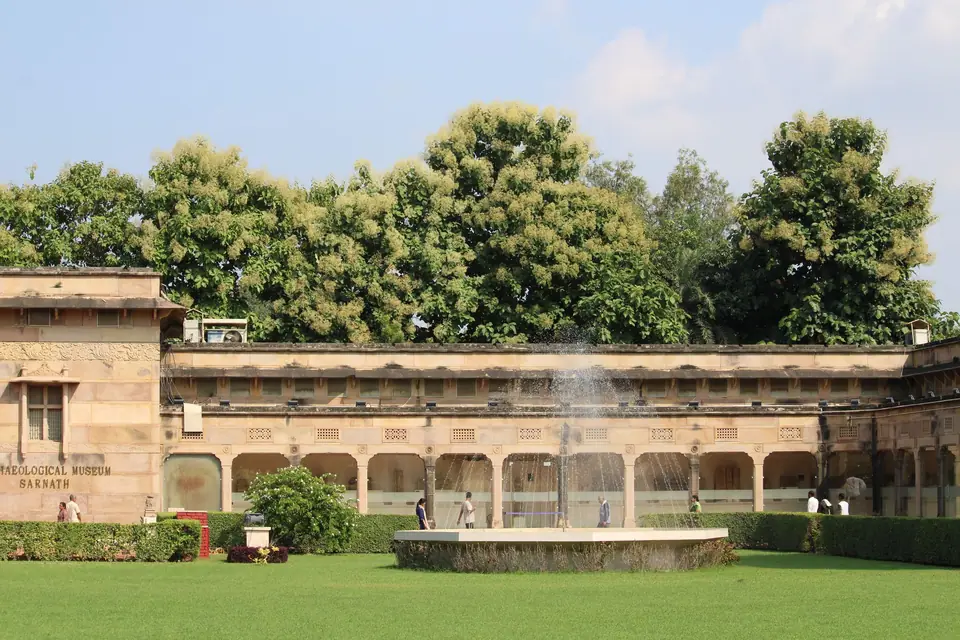
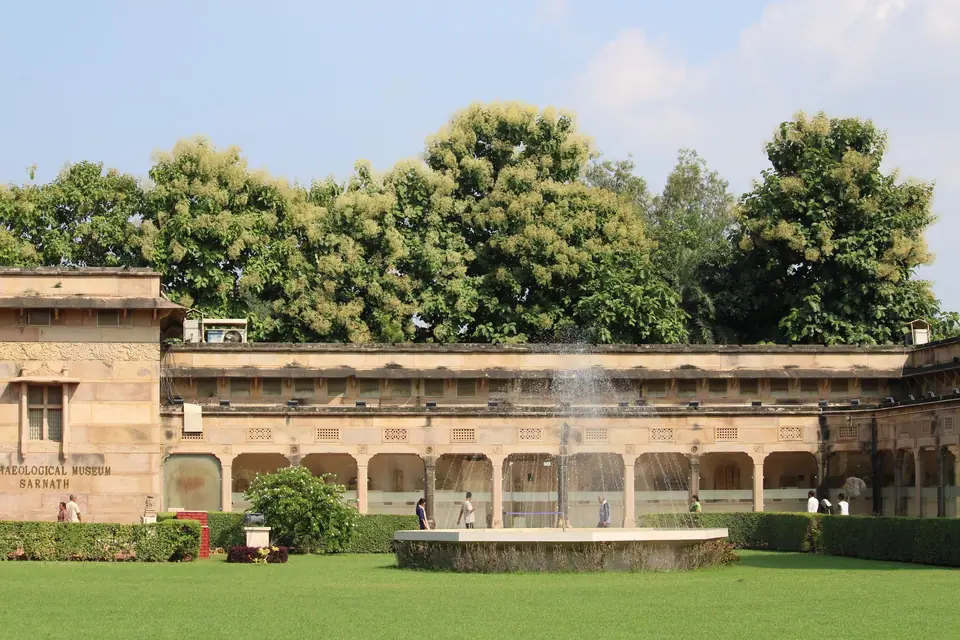
Sarnath is one of the clearest reasons to leave Varanasi's riverfront for a separate outing. The district describes it as the place where the Buddha preached his first sermon and gives the distance from Varanasi as 10 kilometres. It names Dhamekh Stupa, Chaukhandi Stupa, monastery remains and the Archaeological Museum. Use that list to plan the shape of the visit, then check current access with the Archaeological Survey of India before travelling. The distance is not a drive-time guarantee. Our heritage guide explains the site's components; this page focuses on the day plan.
Decide what you want from the excursion
Start by choosing whether your priority is the outdoor archaeological landscape, the museum or both. The district's list includes multiple named remains and a museum, but no source in the research pack establishes a standard visit duration. A traveller interested in detailed interpretation may want more time than someone making a shorter stop. Check current ASI visitor information and build the plan around the actual access arrangements.
Do not treat Sarnath as a quick detour on a central-city walking route. The district gives it as 10 kilometres from Varanasi, and the old city and riverfront involve different transport and access conditions. Allow for the road journey in both directions and for moving between the archaeological site and museum. Avoid scheduling an essential temple visit or departure connection immediately after returning.
The district says the Babatpur airport is 30 kilometres from Sarnath. This is a source-reported distance, not a travel-time promise. It does not establish that visiting Sarnath between a flight and another city journey is practical. Check current airport and transport details and leave a generous margin if your travel day includes the airport.
Arrange transport before leaving
Confirm the pickup point and return plan with your accommodation or chosen operator. Ask where the vehicle will drop you, whether it will wait or return later, and how to contact the driver. Agree on the fare before departure. Do not depend on a fixed journey time copied from a generic web page, and do not assume a vehicle can reach every part of the site.
Keep the address and contact details available offline. If the driver suggests a change, confirm the new destination before continuing. On return, use the agreed meeting point rather than improvising a pickup beside an unfamiliar road. These details matter more than a guessed timetable because the sources do not verify a regular public connection or specific service schedule for this excursion.
If you are travelling with mobility needs, contact ASI and the transport provider before the day. The sources reviewed do not establish step-free access throughout the grounds or between each named site. Ask about the route that will actually be used, surfaces, seating and vehicle access. Do not assume that an accessible vehicle guarantees an accessible archaeological path.
Use a flexible order at the site
- Check notices first: review current ASI information for the archaeological area and museum.
- Orient yourself outdoors: identify the listed structures and follow on-site interpretation.
- Visit Dhamekh Stupa: give the named monument time within the surrounding remains.
- Include Chaukhandi Stupa if accessible: confirm the current route and access rather than assuming it is part of one enclosed visit.
- Visit the Archaeological Museum if open: check its status and visitor rules before relying on entry.
- Return using the agreed pickup plan: leave enough flexibility for the road journey.
This is a planning sequence, not an official route map. Follow ASI signs and staff instructions if they differ. If the museum is closed or a structure is not accessible, do not force the plan. Spend time with the areas that are open to visitors and adjust the return time as needed.
What to check with ASI
The Archaeological Survey of India is the authority to consult for protected-monument rules, museum notices and closures. Its site directory provides links to circle and science-branch information, but a general directory is not itself a live update for every visitor arrangement. Verify the relevant current notice close to your travel date. This guide intentionally omits hours and prices because they were not verified and can change.
Do not assume that photography, food, bags or access to every structure are permitted. Follow signs, barriers and staff directions. The research pack does not establish a complete visitor etiquette code or a current photography policy. Ask at the site when uncertain and keep behaviour respectful around religious and archaeological settings.
Put the museum in context
The district identifies the Archaeological Museum as part of the Sarnath visit. A museum can help interpret the archaeological setting, but the sources reviewed for this guide do not verify a specific object display or gallery layout. Avoid promising that a named artefact will be on view. Check current official descriptions, then decide how much time to reserve for indoor interpretation.
Do not merge the museum and outdoor area into a single guaranteed ticket or access arrangement unless ASI confirms it. Treat them as related components with separate visitor information. If only one is open or suits your interests, adjust the plan rather than assuming the day has failed.
Food and breaks
The research pack does not verify particular restaurants, cafés or food facilities at Sarnath. Bring any essentials your party needs, and confirm available services through current local information rather than relying on an outdated listing. If you plan to return to Varanasi for a meal, make that choice flexible and avoid a fixed reservation tied to an uncertain return journey.
Keep the day focused. Adding Ramnagar or several central-city stops can create unnecessary cross-city travel. The district lists Ramnagar as another excursion 14 kilometres from Varanasi, but that does not show it is a quick stop on the same route. Choose one outing and give it enough time.
A reliable return plan
Before leaving Varanasi, confirm the return point and time arrangement with the driver or operator. Keep the vehicle contact accessible and identify the meeting place clearly. Do not assume that mobile signal, a public taxi or a ferry will be available at the exact point you finish. If the plan changes, contact the provider before starting back.
Once back in the city, keep any evening plans optional. A return journey can vary, and the district's distance figure cannot predict traffic. Use the three-day itinerary to keep the rest of your stay balanced, and the arrival guide if Sarnath falls on your departure day.
The practical decision
Give Sarnath its own excursion block, verify site access and museum status, and use the district's distance only as a location reference. The listed stupas, monastery remains and museum provide a clear structure for the visit without needing exaggerated claims. A confirmed return plan and a flexible schedule are more valuable than squeezing in every nearby destination.
If this is your first visit to Varanasi, pair the excursion with separate time for the riverfront and temple district. Those places have different access rules and should not be collapsed into the Sarnath day. Read the main guide to understand the wider city, then decide which other visit matters most to you.
Where it is
- 1Varanasi
- Lal Bahadur Shastri International Airport (VNS) · about 19 km from Varanasi in a straight line
- Directions in Google Maps
Stations and taxi ranks: OpenStreetMap. Airports: OurAirports. Distances are in a straight line.
Traveller tips
Real advice from people who have been to Varanasi. Every tip is read by our team before it goes live.
No tips yet. Been here? Yours could be the first.
Thank you! Your tip will appear here after a quick review.
More in Varanasi
Continue exploring Varanasi with related neighbourhood, food, and planning guides