

Spain Travel Guide: Regions, Routes and Practical Tips
How to plan a first trip across Spain: which regions to combine, how to link them by fast train, and the local habits and rules to know before you go.
Spain is bigger than it looks on a map of Europe, and much of it sits on a high, dry plateau with Madrid in the middle. The coasts are where most visitors go, the interior is where much of the history is, and the two feel like different countries in July. The regions have their own languages too: Catalan in Barcelona, Basque in San Sebastián, Galician in Santiago. This guide is about picking the right corner for a first trip, moving by fast train, and adjusting to a timetable where dinner starts when other countries are thinking about bed.
The quick version
Short answer: for a first trip, combine two or three cities on the high-speed lines that run out of Madrid, and give each at least three nights. Madrid, Barcelona and Andalusia (Seville and Granada) is the classic combination, and the trains between them take a few hours, not a day.
Spain suits people who like to eat late and well, walk a lot and stay out after dark. It is easy for families and one of the simplest countries in Europe to cover by train. It is harder on people who travel inland in July and August, who want a quiet dinner at seven, or who expect Barcelona and the islands to be relaxed in peak summer. Neither is.
The regions at a glance
Seventeen autonomous regions, and these are the ones that shape most first trips.
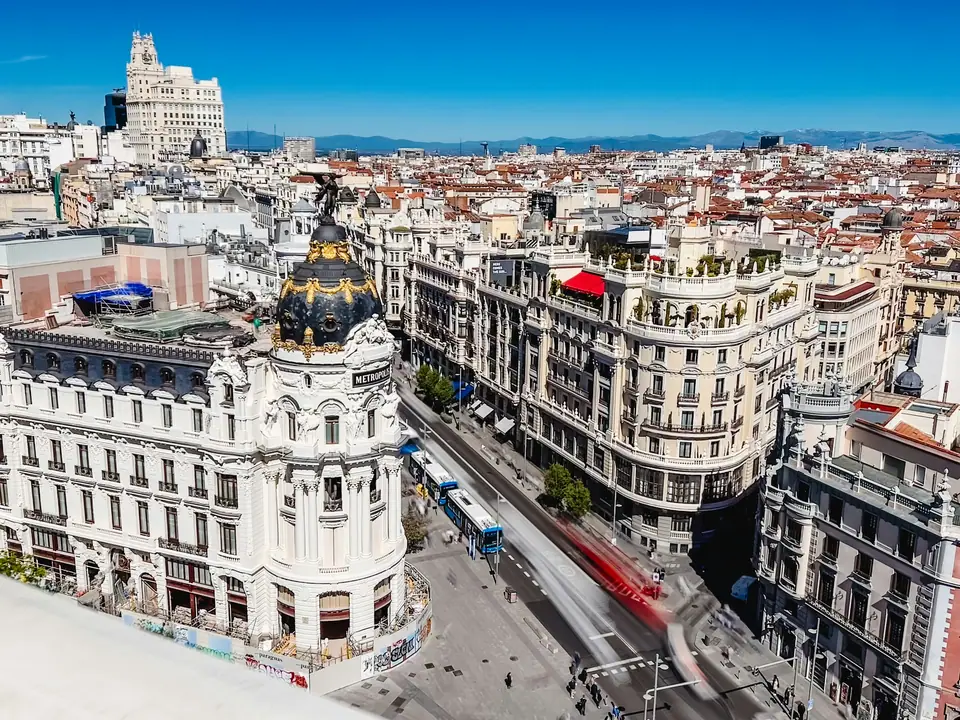
- Madrid. The capital is a city of art and late nights rather than one big monument. The Prado, the Reina Sofía (home of Picasso's Guernica) and the Thyssen sit within a short walk of each other on the Paseo del Prado. Evenings are for the tapas bars of La Latina and the terraces of Malasaña. Toledo and Segovia are day trips by fast train.
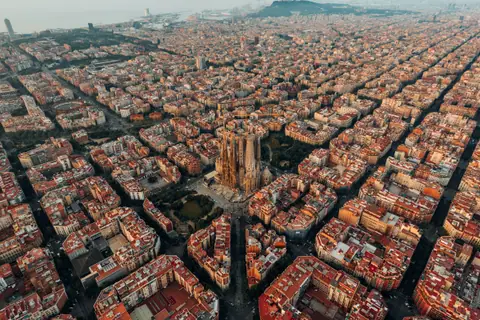
- Barcelona and Catalonia. Gaudí's buildings, the Gothic Quarter, a city beach and a food scene that never seems to sleep. We cover the city in depth in our Barcelona travel guide. Outside it, Girona and the Costa Brava coves are an easy train or bus ride north, and the monastery of Montserrat sits on its jagged mountain to the west.
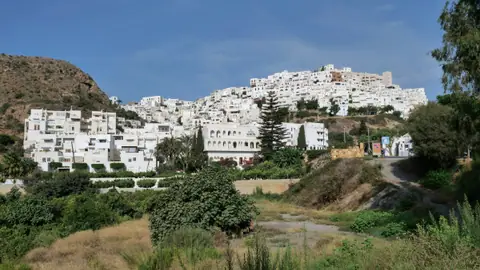
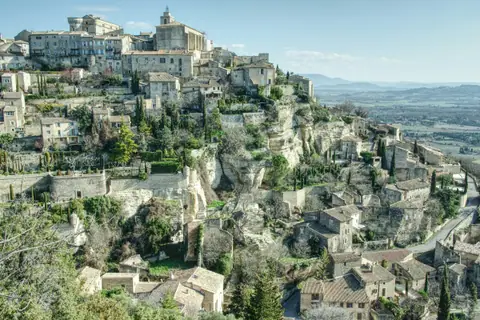
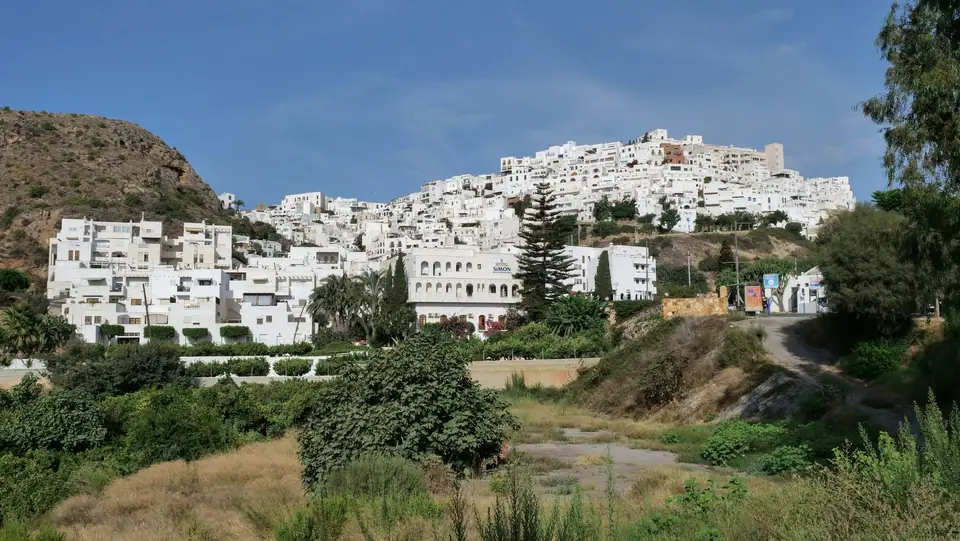
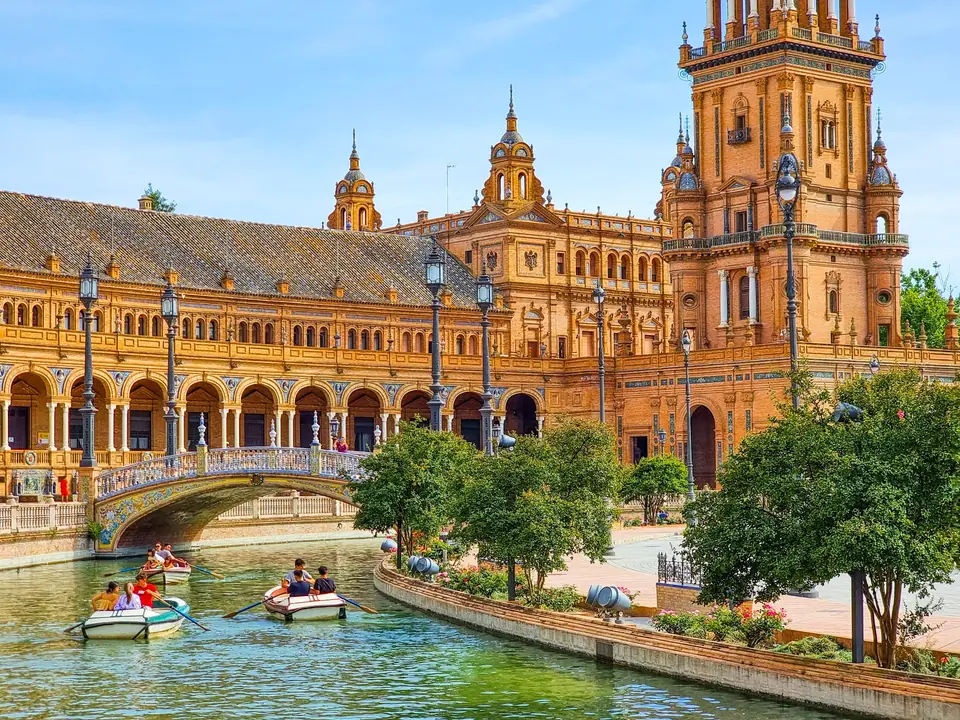
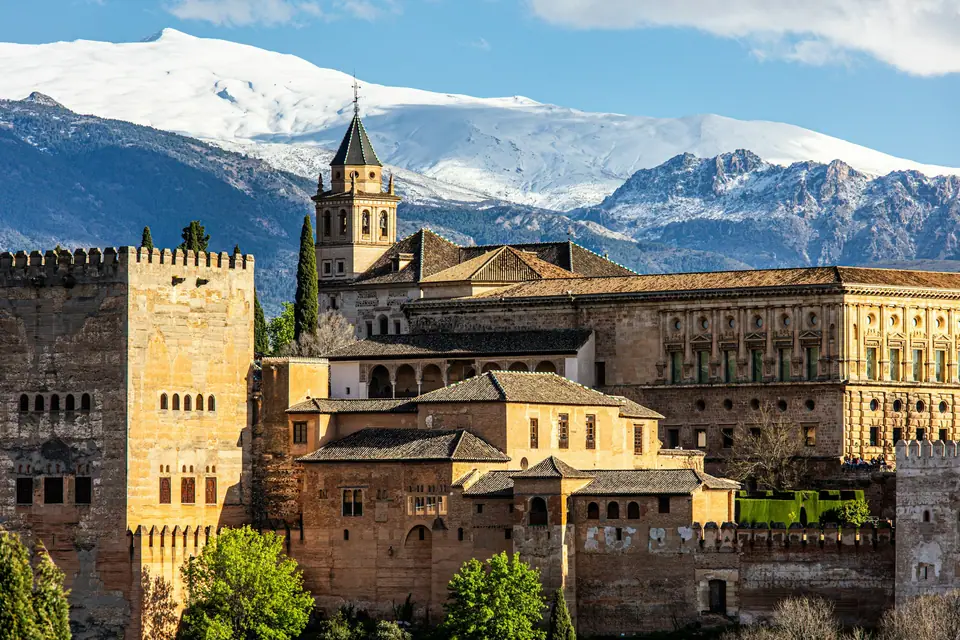
- Andalusia. The south: Seville's cathedral and Alcázar, the Alhambra in Granada, the Mezquita (the great mosque-cathedral) in Córdoba, white villages in the hills and beaches on the Costa del Sol. It is also the hottest part of the country in summer.
- Valencia. Spain's third city, with the futuristic City of Arts and Sciences, a long urban beach and a large park laid out in the old riverbed of the Turia. It is the home of paella, and under two hours from Madrid by train.
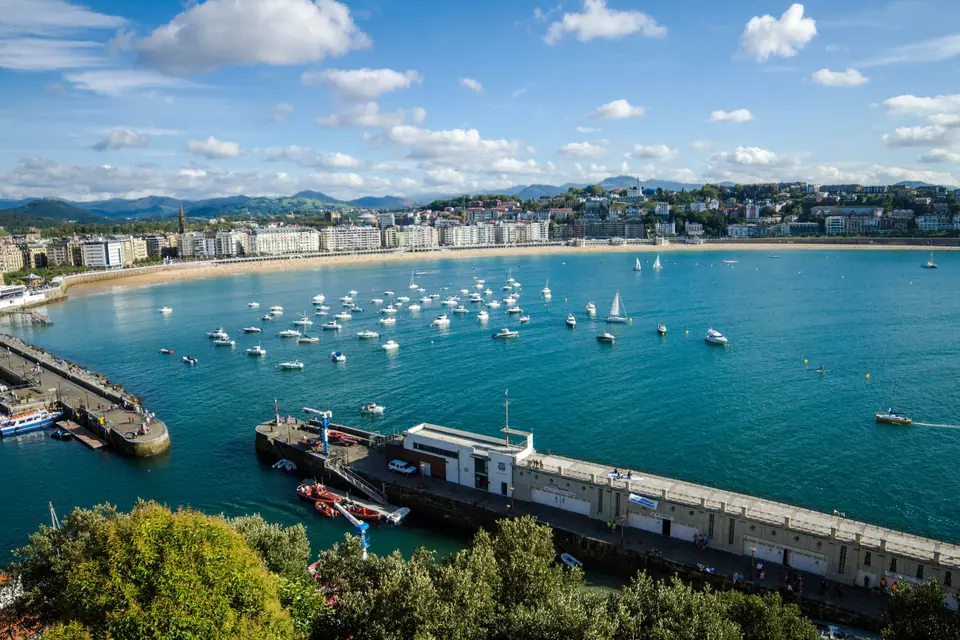
- The Basque Country and the green north. San Sebastián's bay and its pintxos bars, the Guggenheim Museum in Bilbao, and further west the mountains of the Picos de Europa in Cantabria and Asturias. Cooler, greener and rainier than the Spain in the brochures.
- Galicia and the Camino. The far northwest, with the cathedral city of Santiago de Compostela at the end of the Camino de Santiago pilgrim routes, a rugged Atlantic coast and excellent seafood. Many pilgrims walk only the last week, from Sarria.
- The Balearic and Canary Islands. Mallorca, Menorca and Ibiza in the Mediterranean are beach holidays with good old towns attached (Palma's cathedral is the highlight). The Canaries lie off the coast of Africa and stay warm all winter. Both are trips of their own rather than add-ons.
Three routes: 7, 10 and 14 days
Madrid is the hub. Almost every high-speed line starts or passes through it, so routes that use the capital as a hinge work better than ones that try to go around the edge. Book an open-jaw flight (into one city, out of another) and you save a day of backtracking.
7 days: Madrid and Barcelona
- Madrid, 3 nights, with a half day in Toledo.
- Barcelona, 4 nights. Our 3-day Barcelona itinerary covers the first three days, and the fourth is for the beach or Montserrat. Fly home from Barcelona.
For a first week focused on the south instead, swap Barcelona for Seville (3 nights) and a night in Córdoba on the way.
10 days: Madrid and Andalusia
- Madrid, 3 nights.
- Córdoba, 1 night, for the Mezquita early in the morning.
- Seville, 3 nights.
- Granada, 3 nights, with the Alhambra booked before you leave home. Fly home from Málaga, about an hour and a half away by bus or car.
14 days: north, centre and south
- Barcelona, 4 nights.
- San Sebastián, 3 nights, with a day in Bilbao.
- Madrid, 3 nights.
- Seville, 2 nights, then Granada, 2 nights. Fly home from Málaga.
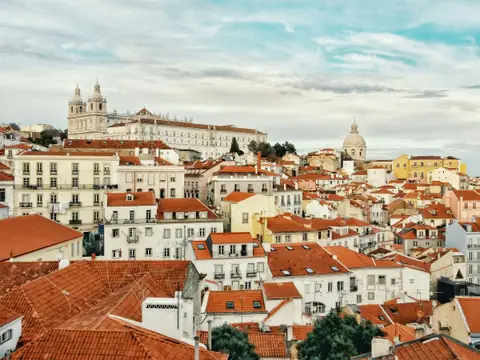
Travel between Barcelona and San Sebastián takes most of a day by train, so treat it as a moving day. If the north doesn't appeal, give the extra time to Valencia instead. And if you want a second country, Lisbon is a short flight from Madrid or Seville; our Lisbon guide shows how much time it needs.
Getting around by fast train and by car
Spain has the longest high-speed rail network in Europe, and on most city-to-city routes the train beats flying once you count the airport. Madrid to Barcelona takes as little as about two and a half hours, and so does Madrid to Seville. Madrid to Valencia is under two hours. Four brands run the main lines, and competition has made fares much lower than they were a few years ago:
- AVE is the state operator Renfe's main high-speed service, with the widest range of routes and more than one class.
- Avlo is Renfe's low-cost brand: one class, no catering, and strict luggage rules.
- Ouigo is the Spanish arm of the French budget operator, on routes from Madrid to Barcelona, Valencia, Alicante and Andalusia. Cheap if you travel light; extra bags cost more.
- Iryo runs red Italian-built trains between Madrid, Barcelona, Valencia and Andalusia, with three classes and good onboard food.
Compare all four before booking. Tickets are for a specific train and seat, and fares rise as the date approaches. Allow time at the station: bags go through an X-ray scanner before you reach the platform, much like at an airport. Madrid has two main stations, Atocha in the south and Chamartín in the north, and trains to the same city can leave from either, so read your ticket carefully. For arriving in Barcelona by train or plane, see our Barcelona getting there guide.
When a car makes sense
Rent one for the white villages of Andalusia (Ronda, Grazalema, Zahara de la Sierra), the Picos de Europa, the Costa Brava coves and the islands. Spanish motorways are good and many are toll-free. In cities, a car is more trouble than help: old centres are narrow, parking is scarce, and Madrid, Barcelona and many other cities run low-emission zones with cameras. Pick the car up after the cities, not before.
Spain also links easily with its neighbours. Direct trains run from Barcelona into France, and our France guide covers the other side of the border.
When to go, and the summer heat
Spring (April to early June) and autumn (late September to October) are the best seasons for most of the country. Andalusia is at its finest in April and May, when the orange trees flower in Seville and the city holds Semana Santa (Holy Week) and the April Fair; hotels fill up and prices rise for both, so book early or avoid those weeks.
Inland Spain in July and August is seriously hot. Seville, Córdoba and Madrid regularly pass 40°C in heatwaves, and the afternoons are for staying indoors. Locals do exactly that. If summer is your only option, head north to the Basque Country, Asturias or Galicia, or to the coast, and see the southern cities in the morning and late evening.
Winter works well for cities: Seville and Málaga are mild, museums are quieter, and the Canaries are warm enough for the beach. The Balearic Islands, on the other hand, go half asleep between November and March.
Money, tipping and meal times
Spain uses the euro, and card and contactless payment are accepted almost everywhere, including most tapas bars. Keep a little cash for markets, village bars and small tips.
- Tipping. Service is included in prices, and nobody expects 15 or 20 percent. Leaving the small change or rounding up after a good meal is normal. In a bar, nothing is expected at all.
- The menú del día. A fixed-price lunch of two courses, dessert or coffee and a drink, served on weekdays. It is the best-value meal in Spain and what office workers eat.
- Tourist tax. Catalonia and the Balearic Islands charge one per person per night, added to the bill at the hotel (more on this below).
- At check-in. Since December 2024, hotels and holiday rentals must collect more personal details from every guest for a national police register, so expect a longer form and have your passport ready.
Meal times take the most adjustment. Breakfast is light, often coffee and toast with tomato (pan con tomate). Lunch is the main meal, from about 14:00 to 16:00. Dinner rarely starts before 21:00, and in summer 22:00 is normal. Most kitchens close between lunch and dinner, which is why the late afternoon is tapas time.
What to eat, region by region
Spanish food is regional, and the best meals are usually simple ones made with local produce. Order what the place is known for.
- Madrid: cocido madrileño (a chickpea and meat stew served in courses), fried squid sandwiches around the Plaza Mayor, and churros with thick hot chocolate.
- Catalonia: pan con tomate, escalivada (roasted peppers and aubergine), crema catalana, and cava, the local sparkling wine.
- Andalusia: salmorejo (a thick cold tomato soup) and gazpacho, fried fish in Cádiz and Málaga, jamón ibérico, and sherry from Jerez. In Granada, many bars still bring a free tapa with each drink.
- Valencia: paella, the original version with chicken, rabbit and beans, eaten at lunch and never at night by locals. Also horchata, a cold drink made from tiger nuts.
- The Basque Country: pintxos, small bites on bread lined up on the bar counter, eaten standing and paid for at the end. Also grilled fish and txakoli, a light, slightly sparkling white wine.
- Galicia: pulpo a la gallega (octopus with paprika and olive oil), fresh shellfish, and tarta de Santiago, an almond cake.
Practical questions
What changed at the border in 2026?
The EU Entry/Exit System (EES) has been fully running since 10 April 2026. Non-EU visitors on a short stay give fingerprints and a facial image at the first Schengen border they cross, instead of receiving a passport stamp. The first registration takes longer, so allow extra time at Madrid and Barcelona airports. ETIAS, the online travel authorisation for visa-exempt visitors, is not live yet. It was due in late 2026, but the EU's IT agency has since said that is no longer realistic, and 2027 now looks likely. When it opens, apply only through the official EU site and ignore private sites selling "ETIAS applications".
How do tourist taxes work in Spain?
There is no national tourist tax. Catalonia charges one on every kind of accommodation, and Barcelona adds its own surcharge on top, which rose sharply in April 2026 and is set to rise again each year. The Balearic Islands charge a "sustainable tourism tax", higher in summer and lower in winter. In Galicia, Santiago de Compostela, A Coruña and Vigo have introduced their own, though public pilgrim hostels on the Camino are exempt. Other cities are discussing similar charges, so check your final booking price.
Is it still fine to rent an apartment?
Yes, but choose carefully. Anger over housing costs has led to street protests against mass tourism in Barcelona, Mallorca, the Canaries and elsewhere since 2024, and cities are tightening the rules. Barcelona has said it will not renew the licences of its tourist flats when they expire in November 2028. Book only a flat that shows a regional tourist licence number in the listing, and keep noise down late at night. Our Barcelona where to stay guide compares the neighbourhoods and the hotel option.
Is the Sagrada Família finished?
Not quite, but it is closer than ever. The central Tower of Jesus Christ was completed and blessed in June 2026, a hundred years after Gaudí's death, and it makes the basilica the tallest church in the world. Work on the rest continues. Tickets are timed and sell out, so read our Sagrada Família guide before you book.
How do we get Alhambra tickets?
Early, and only from the official Alhambra ticket site. Tickets are personal and carry your name, staff can ask to see the matching passport or ID, and entry to the Nasrid Palaces is at a fixed half-hour slot that you cannot change on the day. In spring and summer, slots can sell out weeks or months ahead.
Where we would start
For a first trip, we'd fly into Barcelona and out of Seville or Málaga, with Madrid in the middle. Two fast train rides, three very different cities, and no car. Book the Sagrada Família and the Alhambra as soon as your dates are fixed, plan dinners for nine or later, and in summer do your walking before lunch. Save the green north, the Camino and the islands for the next trip. Spain nearly always pulls people back for one.