Barcelona Travel Guide: What to Know Before You Go
The first thing that catches visitors out in Barcelona isn't the metro or the language. It's the clock. Restaurants that look closed at 7pm are simply not open yet, and a kitchen that serves dinner at 8.30 is catering to tourists. Shift your day an hour or two later and the city starts to make sense.
How the city is laid out
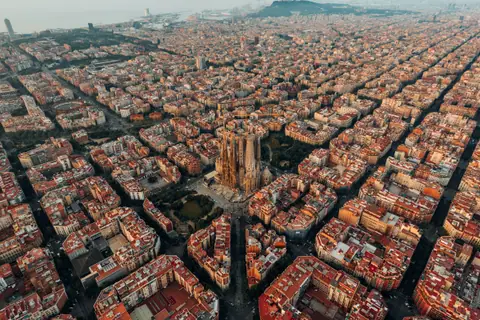
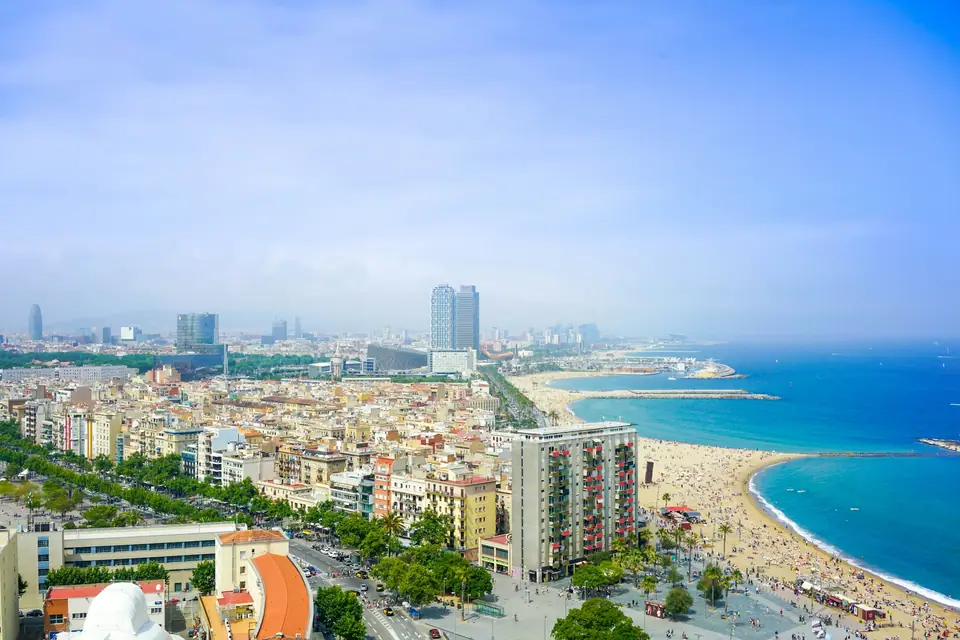
The old town, Ciutat Vella, sits by the port and is made up of the Gothic Quarter, El Born, El Raval and Barceloneta. Las Ramblas runs through the middle of it from the harbour up to Plaça de Catalunya. North of that square is the Eixample, the 19th-century grid designed by Ildefons Cerdà, with its cut-off corners (xamfrans) at every crossing. Further up again is Gràcia, once a separate town. Montjuïc hill rises to the south-west, Tibidabo to the north-west. If you lose your bearings, remember that the sea is downhill.
What to book before you land
The Sagrada Família and the monumental zone of Park Güell are sold as timed tickets online, and in spring and summer the popular slots go days or weeks ahead. Casa Batlló, La Pedrera and the Palau de la Música Catalana also run on time slots. Buy from the official websites, not the resellers that copy their names.
The tourist tax
Every overnight guest pays a per person, per night tax, made up of a Catalan regional charge plus a city surcharge. Since April 2026 the total has roughly doubled, and it varies with the type and category of your accommodation. It's usually collected at check-in rather than included in the room rate, so check your booking. Cruise passengers stopping for less than 12 hours pay a separate charge.
Meal times
Lunch runs from around 1.30 to 4pm and is the main meal for many people. Dinner starts at 9pm. In between, bars serve tapas and a vermut. On weekdays, the menú del dia (a set lunch with starter, main, dessert and a drink) is the cheapest way to eat well at a proper table.
Language
Catalan and Spanish are both official. Everyone understands Spanish, but a "bon dia" (good morning) or "gràcies" (thank you) in Catalan is noticed and appreciated. Menus in tourist areas are nearly always in English too.
Safety
Barcelona has a real pickpocket problem, and it's concentrated in a few places: Las Ramblas, the metro (especially line L3), Plaça de Catalunya, the Boqueria market and the beach. Keep your phone off café tables and your bag closed and in front. Violent crime against visitors is rare.
Plugs are the European two-pin type. Tap water is safe but tastes of chlorine, which is why so many locals buy bottled water.