


























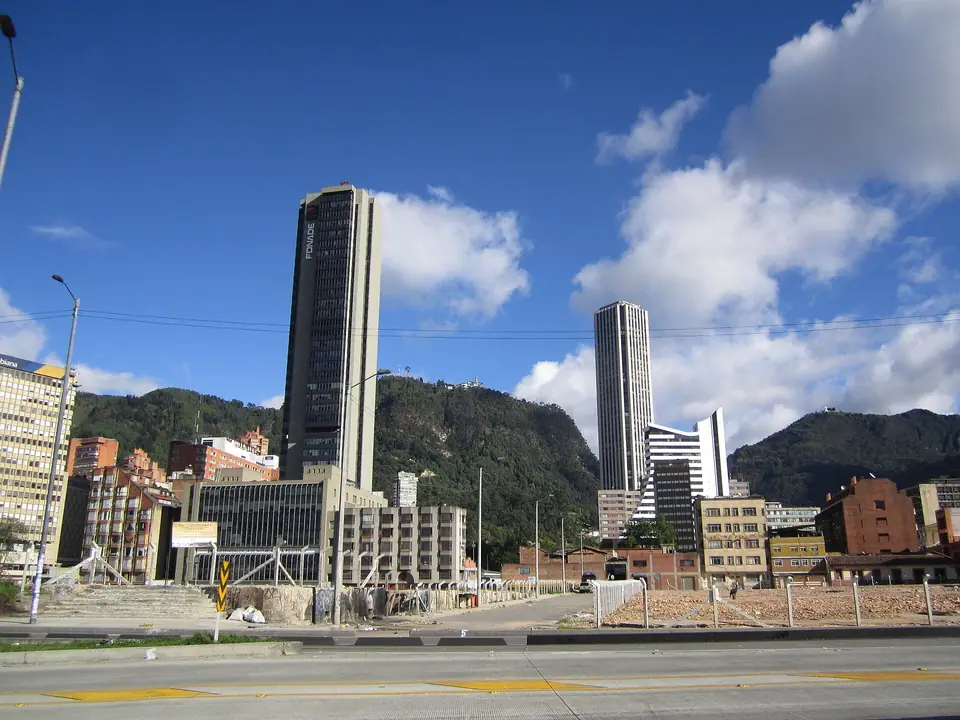
Best Time to Visit Bogotá: Month-by-Month Andean Climate and Seasons
Plan around Bogotá's bimodal Andean climate at 2,640 metres using official IDEAM 1991-2020 normals, comparing the December-February and July-August dry spells.
Because Bogotá sits close to the equator at 4°36'N but high in the Eastern Cordillera at 2,640 metres above sea level, the city experiences a subtropical highland climate (Köppen Cfb) where altitude rather than latitude dictates the thermometer. Instead of four thermal seasons, temperatures remain remarkably steady across all twelve months, while rainfall follows a bimodal Andean cycle with two drier periods (veranos) and two wetter periods (inviernos).
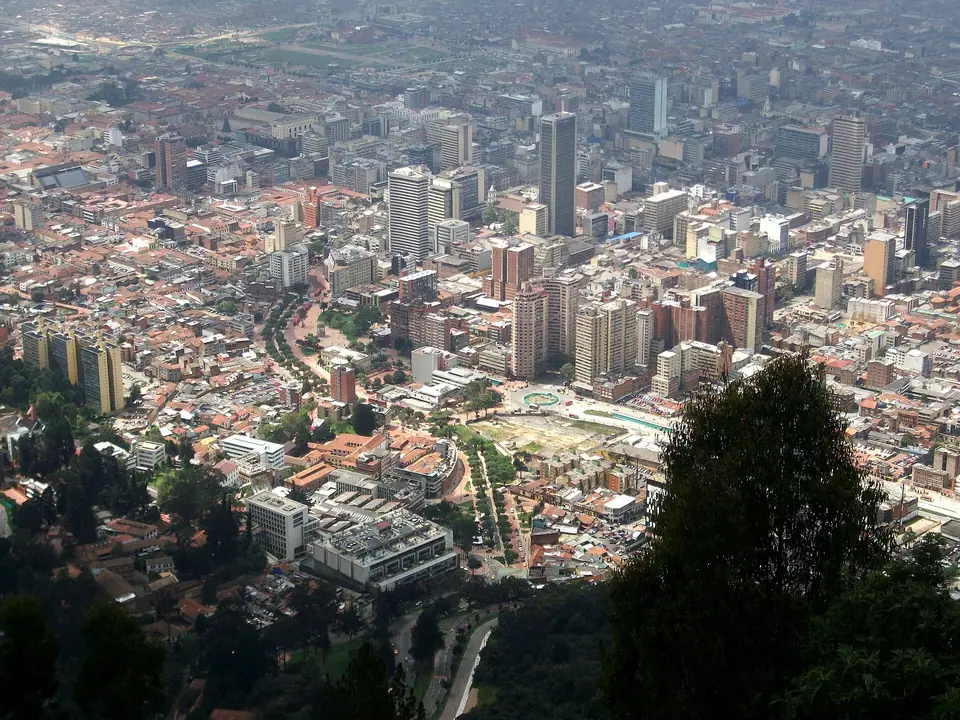
Official 1991 to 2020 IDEAM Climate Normals
According to 1991 to 2020 climatological normals recorded by Colombia's Institute of Hydrology, Meteorology and Environmental Studies (IDEAM) at El Dorado International Airport (2,547 m), average daytime highs stay between 18.5°C in July and 20.2°C in February, yielding an annual mean maximum of 19.4°C. Overnight lows average 8.3°C across the year, dipping to 6.4°C in January and 7.5°C in December when cloudless skies allow heat to radiate rapidly into the thin mountain air. Annual precipitation totals 877.3 millimetres spread across 119.9 rain days (defined as days with at least 1 mm of rain), and mean relative humidity holds steady near 80 percent.
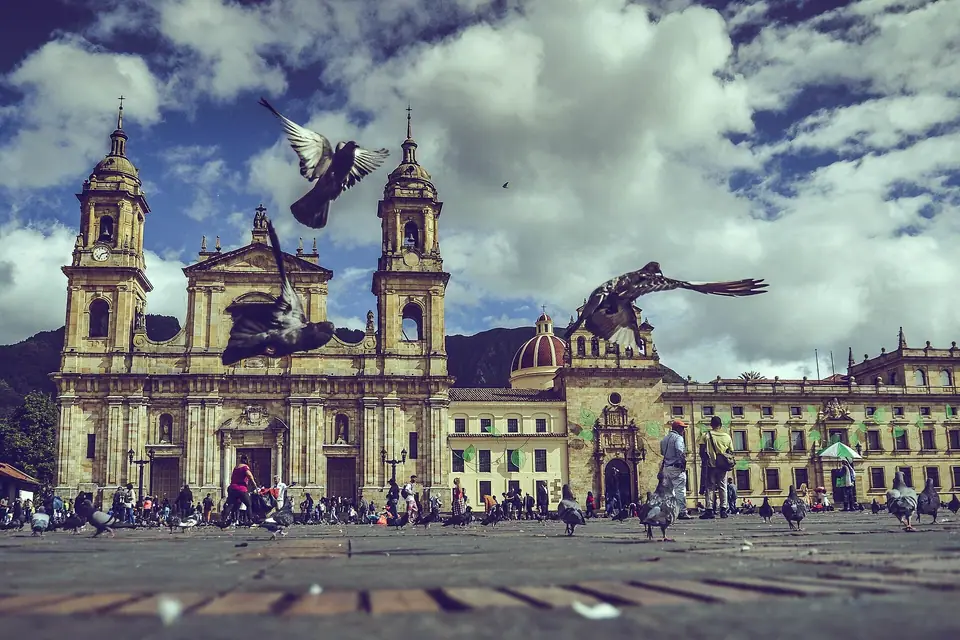
The Two Dry Seasons: December to February and June to September
The sunniest and driest window runs from December through February. January is the driest month of the year, averaging just 32.9 mm of rain across 5 precipitation days and recording 182.9 hours of bright sunshine (nearly 6 hours per day), followed closely by December (158.1 sunshine hours, 8 rain days) and February (51.4 mm, 7 rain days). Clear morning skies during these months create ideal visibility for riding the cable car up Cerro de Monserrate or hiking above Laguna de Guatavita, though pre-dawn frosts (heladas) can nip the surrounding savanna.
A second, breezier dry season arrives from June through September. August averages 44.3 mm of rain across 9 rain days and July records 48.6 mm across 10 rain days, accompanied by brisk trade winds across the plateau that make August the traditional month for kite-flying in Simón Bolívar Metropolitan Park.
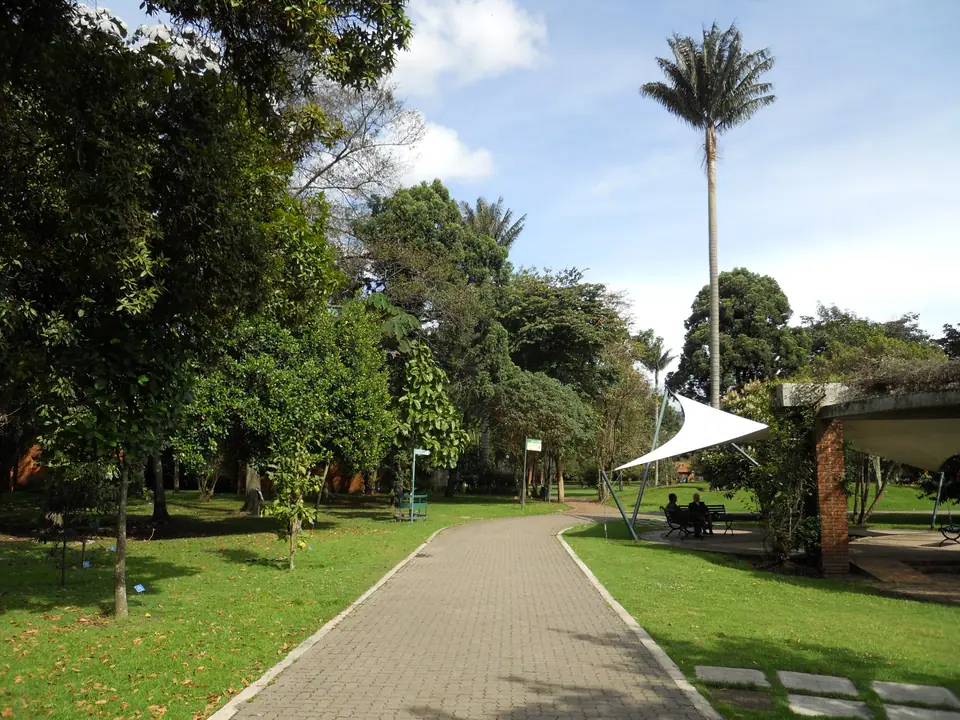
The Two Rainy Seasons: April to May and October to November
Rainfall peaks twice a year when the Intertropical Convergence Zone passes over the central Andes: first in April (116.7 mm, 13 rain days) and May (109.0 mm, 14 rain days), and again in October (108.2 mm, 12 rain days) and November (107.2 mm, 12 rain days). Even in the wettest months, mornings frequently start bright before heavy convective showers roll off the Eastern Hills after midday, making these afternoons ideal for indoor exploration inside the Museo del Oro and Museo Botero.
Traveller tips
Real advice from people who have been to Best Time to Visit Bogotá: Month-by-Month Andean Climate and Seasons. Every tip is read by our team before it goes live.
No tips yet. Been here? Yours could be the first.
Thank you! Your tip will appear here after a quick review.
More in Bogotá
Continue exploring Bogotá with related neighbourhood, food, and planning guides

3-Day Bogotá Itinerary: Historic Centre, Gold Museum, Monserrate and Day Trips
Bogotá, Colombia

What to Eat in Bogotá: Ajiaco Santafereño, Tamal, Chocolate and Markets
Bogotá, Colombia
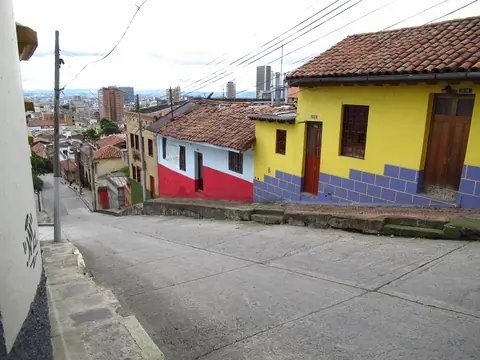
La Candelaria, Chorro de Quevedo and Colonial Streets in Bogotá
Bogotá, Colombia
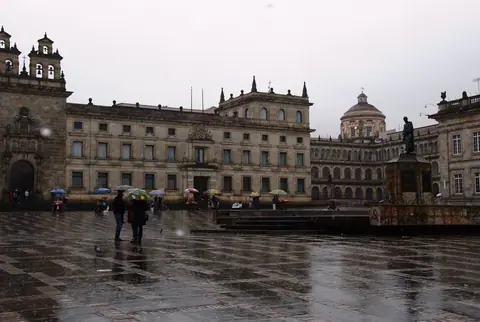
Plaza de Bolívar, Catedral Primada, Capitolio Nacional and Casa de Nariño
Bogotá, Colombia
