


























Chapinero, Usaquén, Simón Bolívar Park and José Celestino Mutis Botanical Garden
Explore northern and western Bogotá: neo-Gothic Lourdes Basilica in Chapinero, the Sunday flea market in Usaquén, Simón Bolívar Park, and the Botanical Garden.
Beyond the colonial core and downtown towers, northern and western Bogotá reveal a greener, more residential side of the capital. Travelling north along the Eastern Hills takes you through the brick gables of Chapinero to the colonial square of Usaquén, while heading west into Teusaquillo brings you to a 400-hectare metropolitan park and Colombia's premier high-Andean botanical garden.
Chapinero, Zona G and Usaquén's Sunday Market
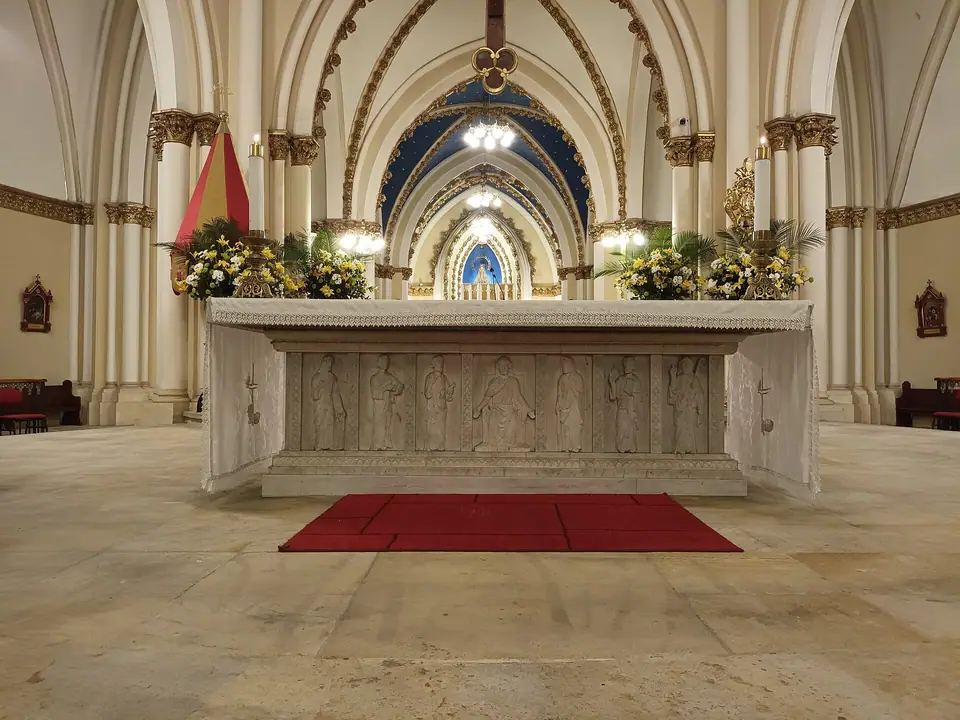
Settled in the 19th century as a country retreat for wealthy Bogotanos and named after the shoemakers who crafted high wooden-soled chapines for muddy country roads, Chapinero (Locality 2) stretches from Calle 39 to Calle 100. At its central square on Carrera 13 and Calle 63 rises the red-brick and stone Basílica Santuario Metropolitano de Nuestra Señora de Lourdes, begun in 1875 by Bogotano architect Julián Lombana in neo-Gothic and Moorish-revival style. Uphill to the east, the steep brick lanes of Chapinero Alto and the shaded blocks of Zona G (Calles 65 to 71 between Carreras 4 and 7) host artisan bakeries, micro-roasteries, and chef-led restaurants, while further north around Calle 82 and Carrera 12A, pedestrianised Zona T and Parque de la 93 anchor the city's northern dining and shopping scene.
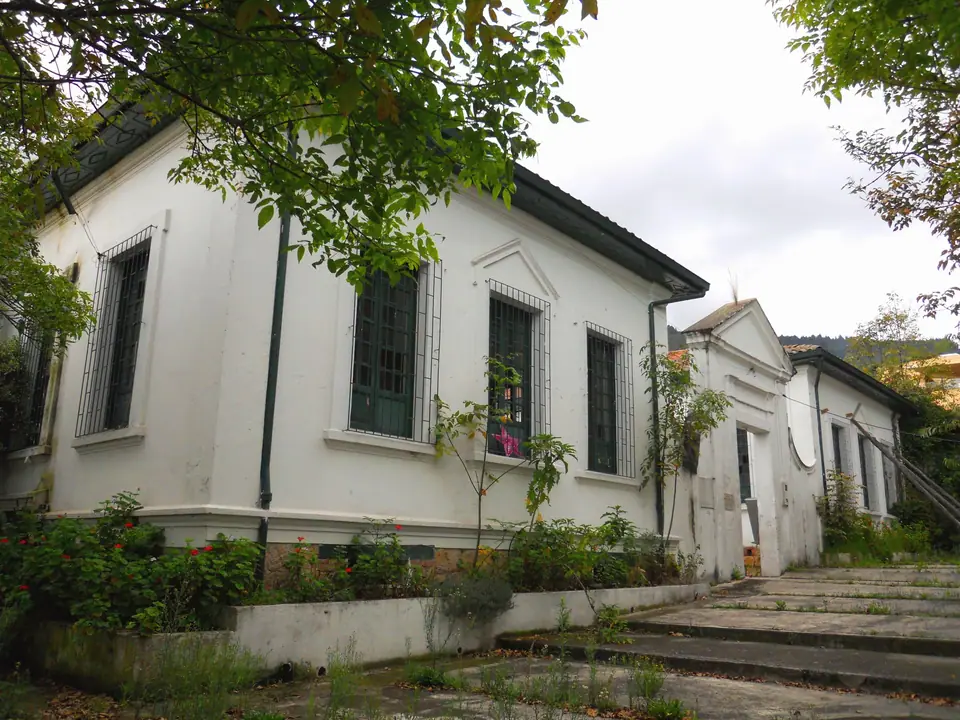
Around Calle 118 and Carrera 6 at the foot of the northern hills, Usaquén (Locality 1) originated as an indigenous Muisca settlement and functioned as an independent municipality of Cundinamarca until it was annexed into Bogotá in 1954. Its tree-shaded central square preserves the whitewashed Iglesia de Santa Bárbara de Usaquén, founded in 1665 with a colonial Baroque gilded altar, surrounded by low-slung houses converted into cafés and bistros. Every Sunday and public holiday, the surrounding cobblestone lanes host the Mercado de las Pulgas de San Pelayo (Usaquén Flea Market), where certified artisans sell hand-woven Wayuu bags, filigree jewellery, leatherwork, and ceramics.
Parque Simón Bolívar, Virgilio Barco Library and the Botanical Garden
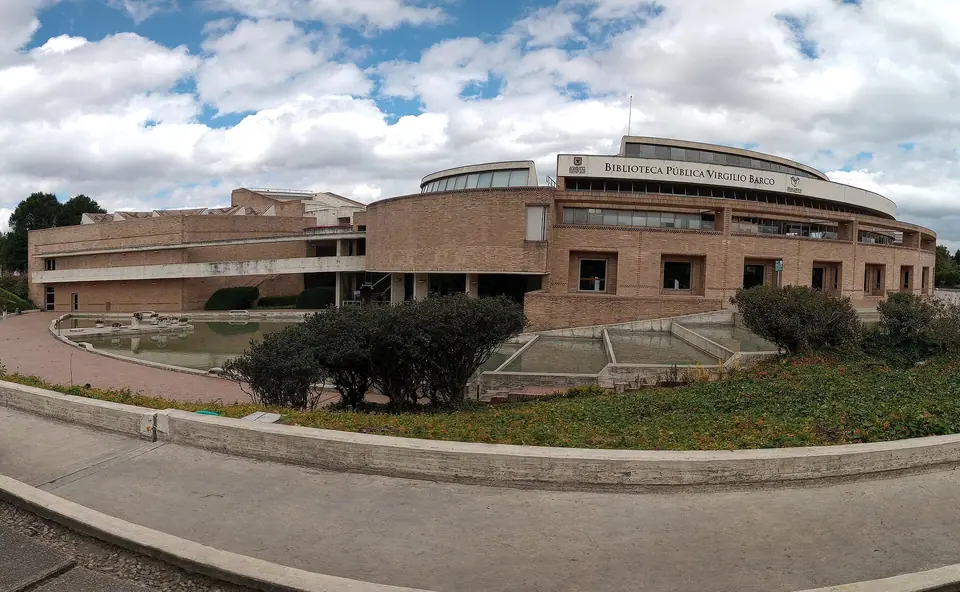
- Parque Metropolitano Simón Bolívar: Spanning over 400 hectares in the geographical centre of Bogotá (Teusaquillo locality), this green expanse features a 11-hectare boating lake, cycling tracks, and event lawns. At its northeastern corner sits the Biblioteca Pública Virgilio Barco (2001), designed by Rogelio Salmona as a sunken circular brick structure surrounded by shallow reflecting pools that mirror the Andean sky.
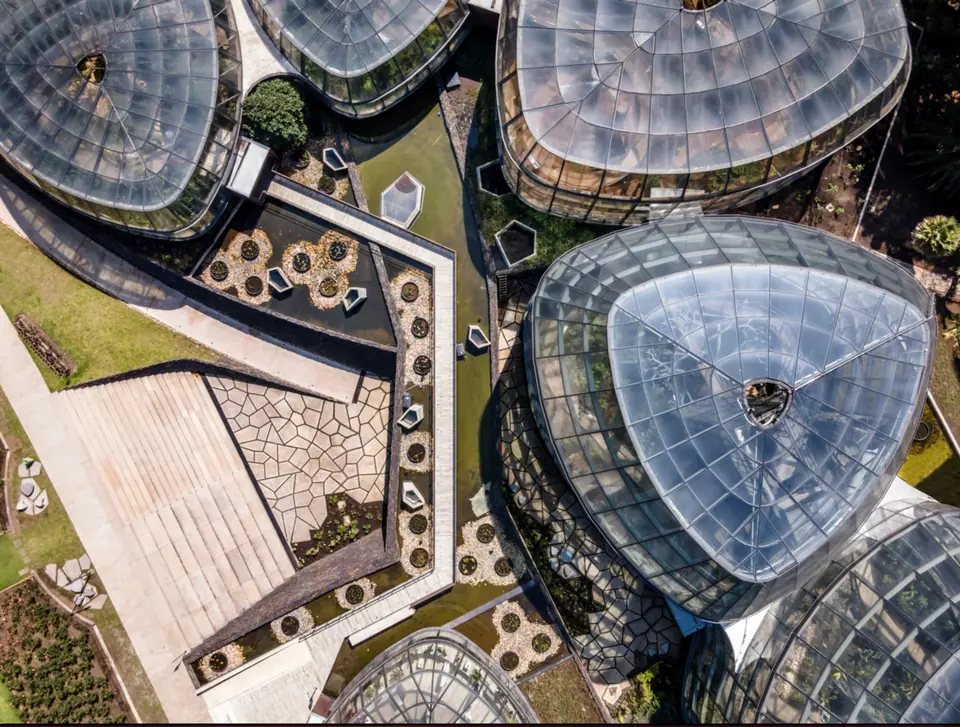
- Jardín Botánico de Bogotá José Celestino Mutis: Founded in 1955 across 19.5 hectares at Avenida Calle 63 (#68-95) in honour of the 18th-century leader of the Royal Botanical Expedition to New Granada, Colombia's largest botanical garden specialises in high-Andean cloud forest and páramo ecosystems. Walkways pass velvety frailejón (Espeletia) rosettes, groves of towering Quindío wax palms (Ceroxylon quindiuense, Colombia's national tree), an orchid conservatory, a cascading waterfall, and the modern glass domes of the Tropicario.
Traveller tips
Real advice from people who have been to Chapinero, Usaquén, Simón Bolívar Park and José Celestino Mutis Botanical Garden. Every tip is read by our team before it goes live.
No tips yet. Been here? Yours could be the first.
Thank you! Your tip will appear here after a quick review.
More in Bogotá
Continue exploring Bogotá with related neighbourhood, food, and planning guides
Bogotá: Complete Planning for Colombia's Andean Capital
Bogotá, Colombia

Things to Do in Bogotá: Best Attractions, Museums and Mountain Views
Bogotá, Colombia
How to Get to Bogotá: El Dorado Airport (BOG), TransMilenio and Transit
Bogotá, Colombia
Best Time to Visit Bogotá: Month-by-Month Andean Climate and Seasons
Bogotá, Colombia
