


























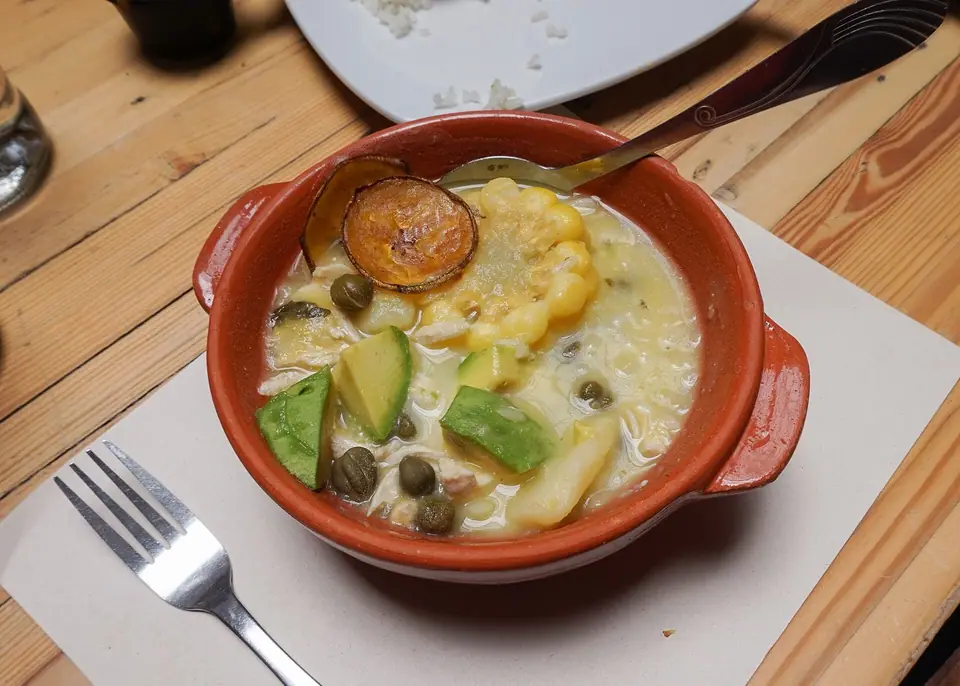
What to Eat in Bogotá: Ajiaco Santafereño, Tamal, Chocolate and Markets
Taste Bogotá's comforting Andean cuisine, from slow-simmered three-potato ajiaco santafereño and hot chocolate with cheese to exotic fruits at Paloquemao.
Shaped by the cool mountain air of the Cundiboyacense plateau and the agricultural bounty of Cundinamarca and Boyacá, Bogotá's table celebrates native tubers, heirloom maize, dairy cheeses, and aromatic Andean herbs. Because Colombia spans altitudes from sea level to snow-capped peaks within a few hours' drive, the capital's markets also overflow with tropical fruits rarely seen outside South America.
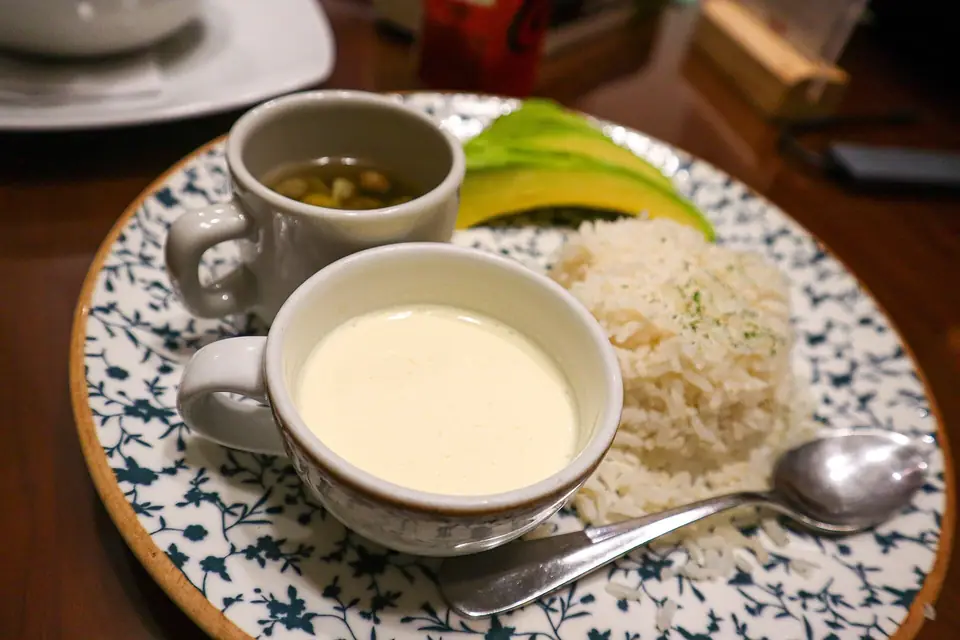
Ajiaco Santafereño and Highland Soups
The undisputed emblem of Bogotá cooking is ajiaco santafereño, a rich, velvety soup prepared with shredded chicken breast, sweetcorn on the cob (mazorca), and three distinct varieties of local potato: the small golden papa criolla (which dissolves to thicken and colour the broth), the floury papa pastusa, and the firmer papa sabanera. A bundle of guasca leaves (Galinsoga parviflora), an indigenous herb of the daisy family, infuses the pot with a gentle herbal aroma. Ajiaco is always brought to the table in a black clay pot (chamba) alongside white rice, a slice of ripe avocado, heavy cream (crema de leche), and salty capers (alcaparras) for guests to stir in to taste.
Cuchuco de Trigo and Highland Changua
Other beloved highland bowls include cuchuco de trigo con espinazo (a hearty barley or wheat soup cooked with pork spine, peas, broad beans, and potatoes) and changua, a comforting breakfast broth of milk and water poached with eggs and garnished with chopped scallions, coriander, and toasted bread.
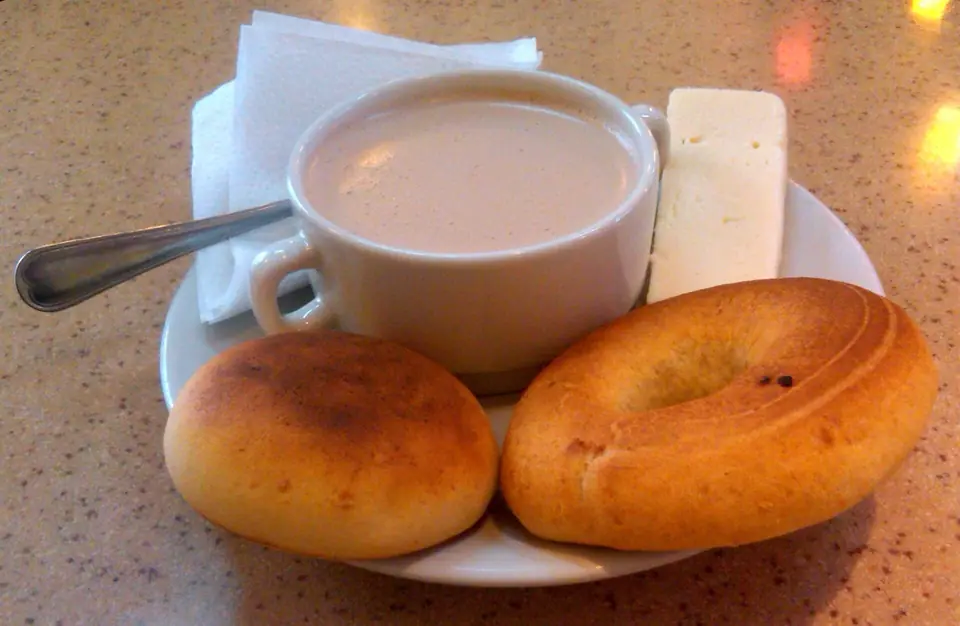
Onces Santafereñas: Hot Chocolate with Cheese and Bakery Classics
Around late afternoon in La Candelaria, historic tearooms along Calle 11 and Carrera 6 fill for las onces, Bogotá's traditional afternoon merienda. Waiters pour steaming chocolate santafereño, spiced with cloves and cinnamon and whipped into a thick foam using a carved wooden molinillo. Alongside the pitcher comes a block of mild, elastic farm cheese (queso campesino or doble crema) and warm corn-and-cheese breads such as almojábanas, pandebonos, and pan de yuca. The local custom is to cut cubes of cheese, drop them straight into the hot chocolate until they soften and stretch, and spoon them out between sips. On weekend mornings, families often pair their chocolate with a tamal bogotano or tamal tolimense steamed inside fragrant plantain leaves.
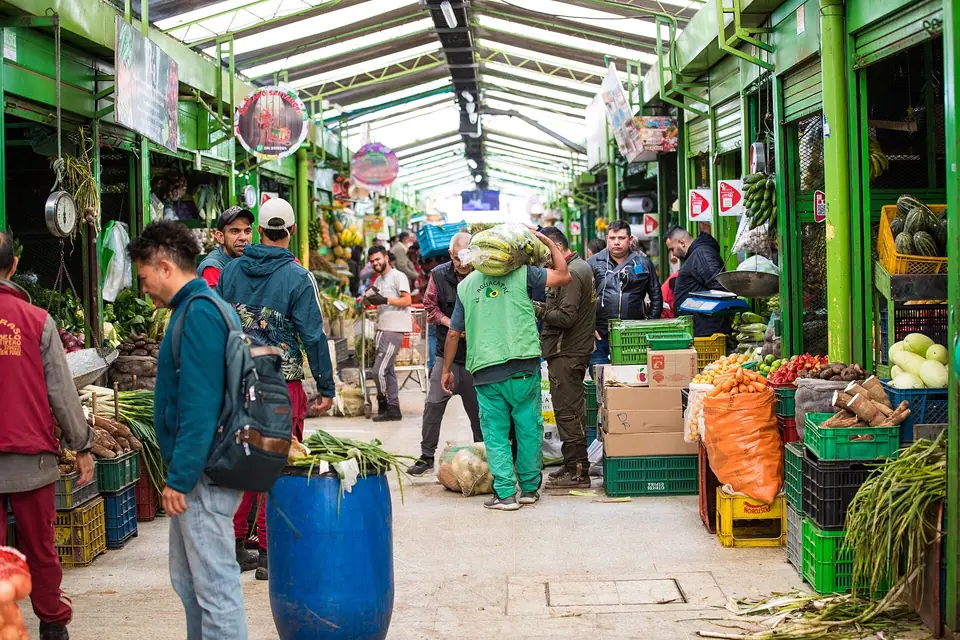
Exotic Fruits at Plaza de Mercado de Paloquemao
Located on Avenida Ciudad de Lima (Calle 19 #25-04) just west of downtown, Plaza de Mercado de Paloquemao is the city's premier wholesale and retail food hall. Arriving in the morning lets you walk past the flower pavilions and sample dozens of Colombian fruits: tart green lulo, banana-shaped curuba, golden uchuva (cape gooseberry), sweet jelly-filled granadilla, yellow pitahaya (dragon fruit), feijoa, and creamy chirimoya.
Traveller tips
Real advice from people who have been to What to Eat in Bogotá: Ajiaco Santafereño, Tamal, Chocolate and Markets. Every tip is read by our team before it goes live.
No tips yet. Been here? Yours could be the first.
Thank you! Your tip will appear here after a quick review.
More in Bogotá
Continue exploring Bogotá with related neighbourhood, food, and planning guides

Best Time to Visit Bogotá: Month-by-Month Andean Climate and Seasons
Bogotá, Colombia
Where to Stay in Bogotá: La Candelaria, Chapinero, Zona T and Usaquén
Bogotá, Colombia

3-Day Bogotá Itinerary: Historic Centre, Gold Museum, Monserrate and Day Trips
Bogotá, Colombia
La Candelaria, Chorro de Quevedo and Colonial Streets in Bogotá
Bogotá, Colombia
