


























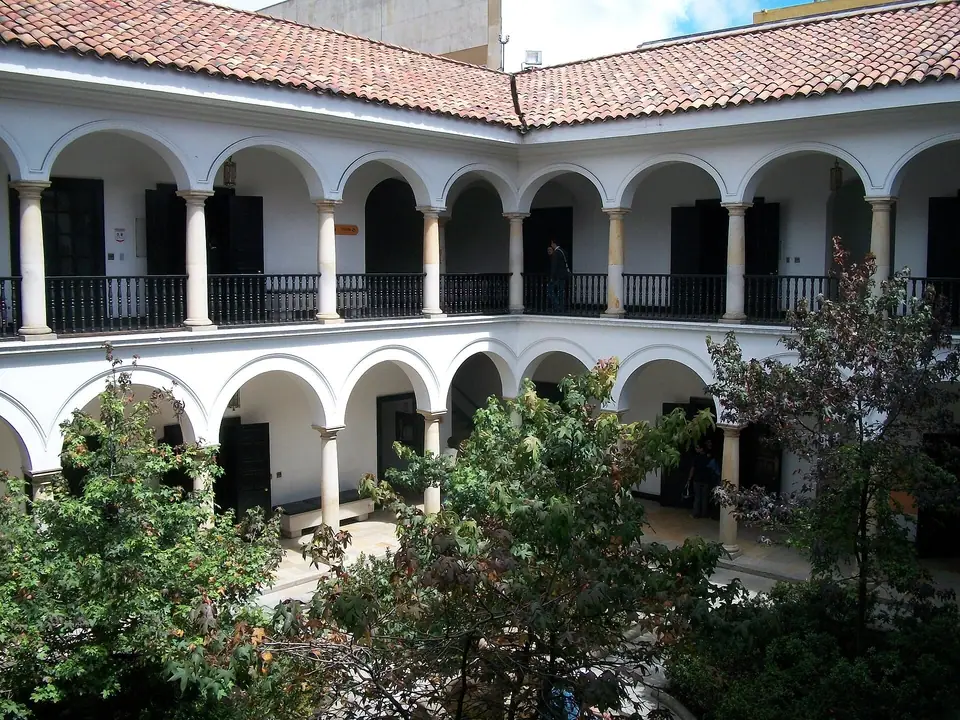
Museo Botero, Casa de Moneda and the Banco de la República Cultural Block
Tour the free museums of the Manzana Cultural on Calle 11 in La Candelaria, including Fernando Botero's 208 donated artworks, Casa de Moneda, and MAMU.
Two blocks east of Plaza de Bolívar along Calle 11 between Carreras 4 and 6 in La Candelaria, the Manzana Cultural del Banco de la República (Cultural Block of the Bank of the Republic) unites three major art and history museums with one of Latin America's busiest public libraries. Because the complex links its colonial courtyards and modernist wings internally, visitors can move seamlessly from 17th-century coin presses to 20th-century European Impressionism and Colombian volumetric sculpture.
Museo Botero: Botero's Donation of 123 Signature Works
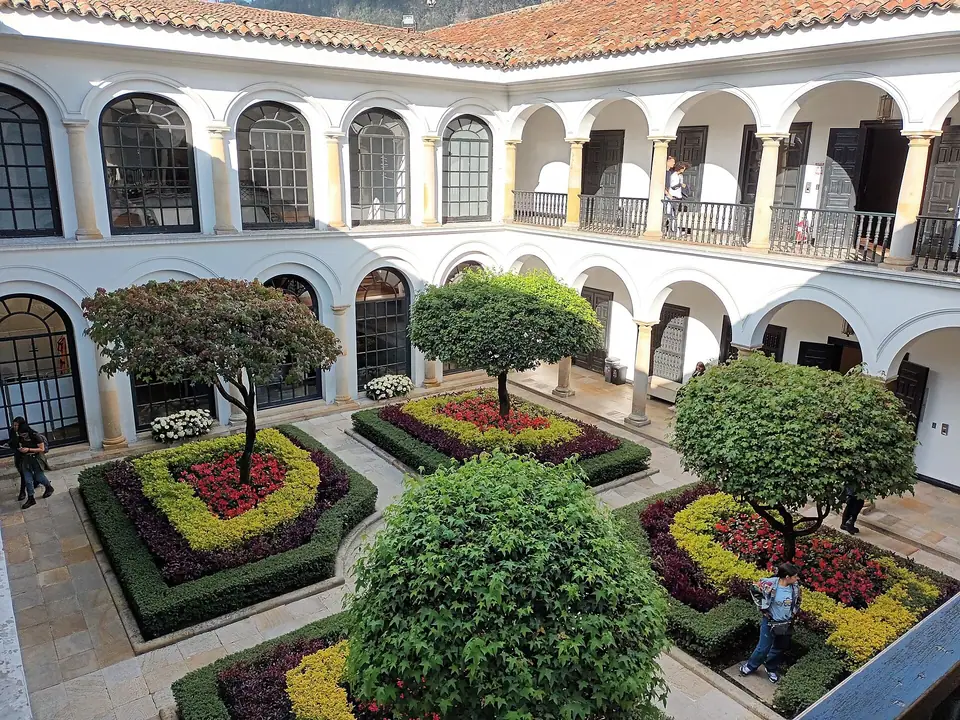
Housed inside a two-storey whitewashed mansion built in 1733 as the Archbishop's Palace and reconstructed in 1955 around a planted central garden, the Museo Botero opened in November 2000 after Medellín-born artist Fernando Botero (1932 to 2023) donated 208 works from his personal studio and private collection to the nation on the condition that admission remain permanently free. The eastern wing displays 123 of Botero's own oils, watercolours, pastel drawings, and bronze sculptures from the 1960s to the late 1990s, including his famously rounded version of the Mona Lisa, scenes of Colombian provincial life, bullfighters, and monumental bronze hands and torso sculptures in the courtyard.
European Masters in the Western Galleries
The western wing showcases 85 masterpieces by international artists that Botero collected over three decades, spanning French Impressionism, Cubism, and Surrealism. Galleries feature canvases and sculptures by Pablo Picasso, Claude Monet, Pierre-Auguste Renoir, Edgar Degas, Camille Pissarro, Henri Matisse, Salvador Dalí, Joan Miró, Marc Chagall, Max Beckmann, Alberto Giacometti, Henry Moore, and Francis Bacon.
Casa de Moneda (The Colonial Royal Mint)
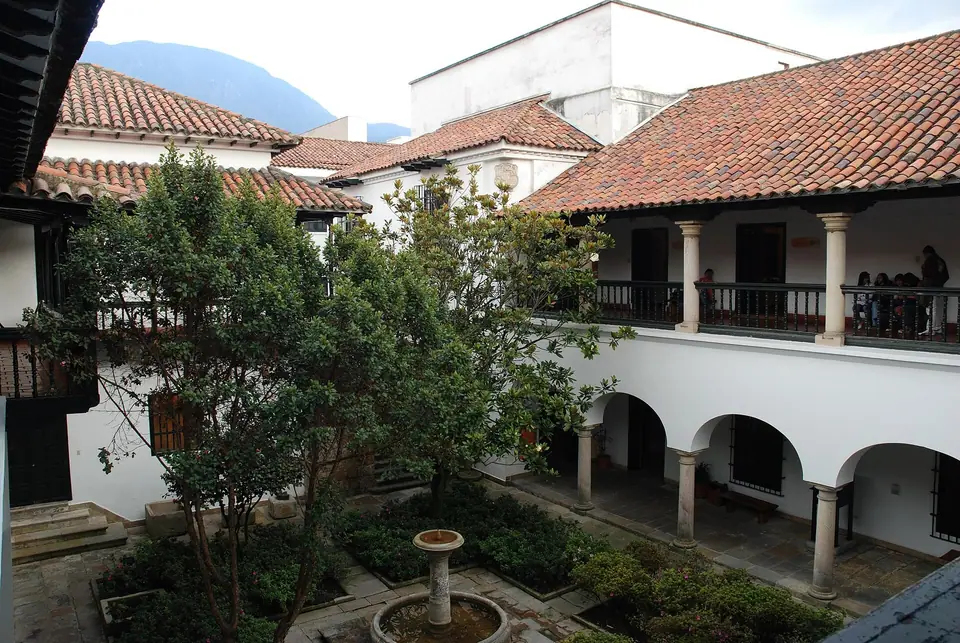
Directly connected to the Museo Botero on Calle 11 (#4-93), the Casa de Moneda was established in 1621 by royal decree of King Philip III, when military engineer Alonso Turrillo de Yebra set up smelting furnaces that struck the first gold doubloons (escudos) in South America. Its carved sandstone portal on Calle 11 bears an inscription from 1753 under Viceroy José Alfonso Pizarro, opening onto a tranquil stone-arched cloister. Eleven chronological halls trace Colombia's economic and political history through hammered golden macuquinas (cob coins), royal dies, early paper banknotes printed during 19th-century civil wars, and modern minting machinery.
Museo de Arte Miguel Urrutia (MAMU) and Biblioteca Luis Ángel Arango
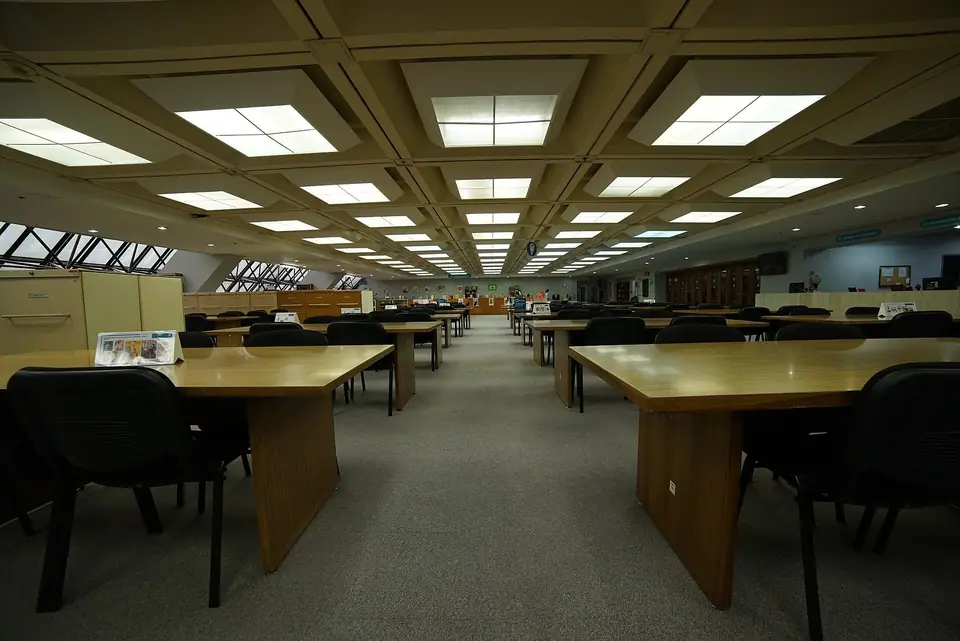
At the southern end of the same block stands the Museo de Arte Miguel Urrutia (MAMU), where the Banco de la República exhibits over 800 works of colonial, Republican, modern, and contemporary Colombian art by masters such as Alejandro Obregón, Fernando Botero, Beatriz González, Débora Arango, Guillermo Wiedemann, and Doris Salcedo. Across Calle 11 rises the Biblioteca Luis Ángel Arango (opened 1958), famous for its timber-ribbed oval concert hall designed by Germán Samper Gnecco. Check the official site before visiting, as the museums in the Manzana Cultural close on Tuesdays.
Traveller tips
Real advice from people who have been to Museo Botero, Casa de Moneda and the Banco de la República Cultural Block. Every tip is read by our team before it goes live.
No tips yet. Been here? Yours could be the first.
Thank you! Your tip will appear here after a quick review.
More in Bogotá
Continue exploring Bogotá with related neighbourhood, food, and planning guides
Cerro de Monserrate: Funicular, Teleférico, Shrine and Quinta de Bolívar
Bogotá, Colombia
Museo Nacional de Colombia, Centro Internacional and Torre Colpatria
Bogotá, Colombia
Chapinero, Usaquén, Simón Bolívar Park and José Celestino Mutis Botanical Garden
Bogotá, Colombia
Zipaquirá Salt Cathedral and Laguna de Guatavita Day Trips from Bogotá
Bogotá, Colombia
