


























Museo del Oro: Pre-Columbian Gold, the Muisca Raft and Tumbaga Craft
Explore the world's largest pre-Hispanic gold collection at Bogotá's Museo del Oro, from the Quimbaya Poporo and Muisca Raft to Parque Santander's churches.
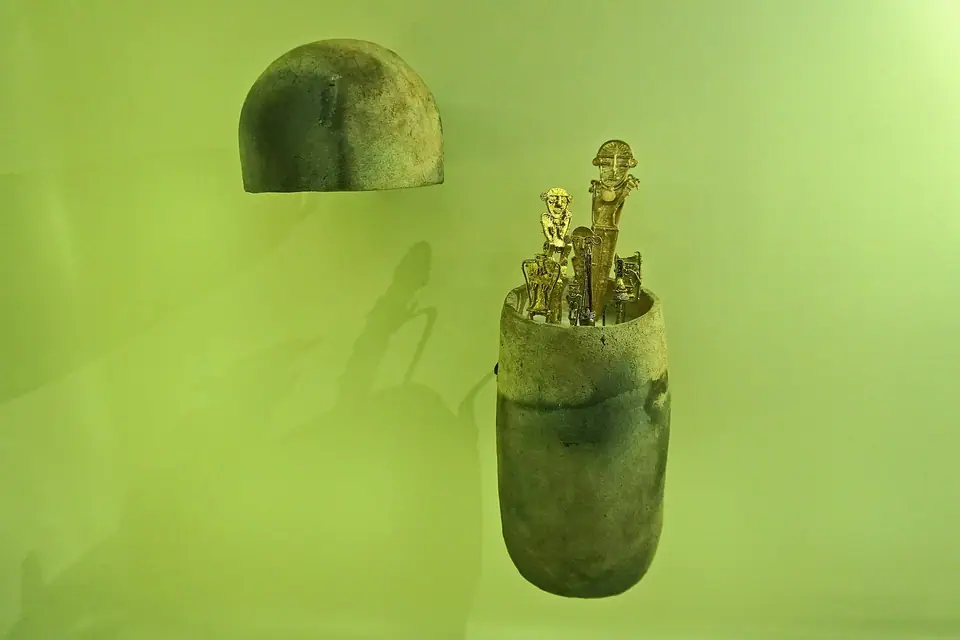
Standing on the eastern side of Parque Santander at Carrera 6 and Calle 16, the Museo del Oro (Gold Museum) of the Banco de la República holds the largest collection of pre-Hispanic goldwork on earth. Established in December 1939 when Colombia's central bank intervened to prevent the export of a masterpiece known as the Poporo Quimbaya, the museum safeguards more than 34,000 objects of gold, platinum, and tumbaga (a copper-gold alloy) alongside 20,000 bone, stone, shell, ceramic, and textile artefacts created by the indigenous societies of Colombia prior to European contact.
The Muisca Raft (Balsa Muisca) and the Legend of El Dorado
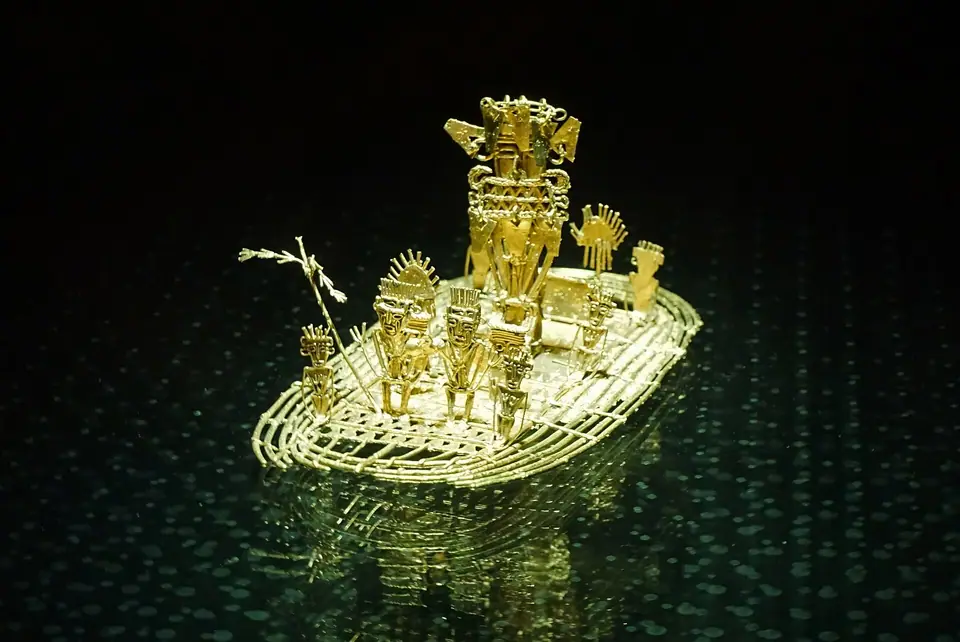
The museum's third-floor rotunda, the Room of the Offering (Sala de la Ofrenda), centres on the Muisca Raft (Balsa Muisca), discovered by farmers in 1969 inside a ceramic vessel hidden in a cave in Pasca, Cundinamarca. Measuring 19.5 by 10.1 centimetres and cast in a single piece using the lost-wax technique (cera perdida) from high-purity gold alloyed with native silver and copper, the sculpture depicts the royal investiture ceremony on Laguna de Guatavita. At the centre of the reed-shaped platform stands the new zipa (ruler), taller than his attendants and wearing a nose ring, crown, and ear spools; according to Muisca tradition, the heir coated his skin in sticky resin and gold dust before plunging into the sacred crater lake while priests cast gold votive figures (tunjos) and emeralds into the water.
Regional Metallurgy: Calima, Quimbaya, Zenú, Tayrona and Tolima
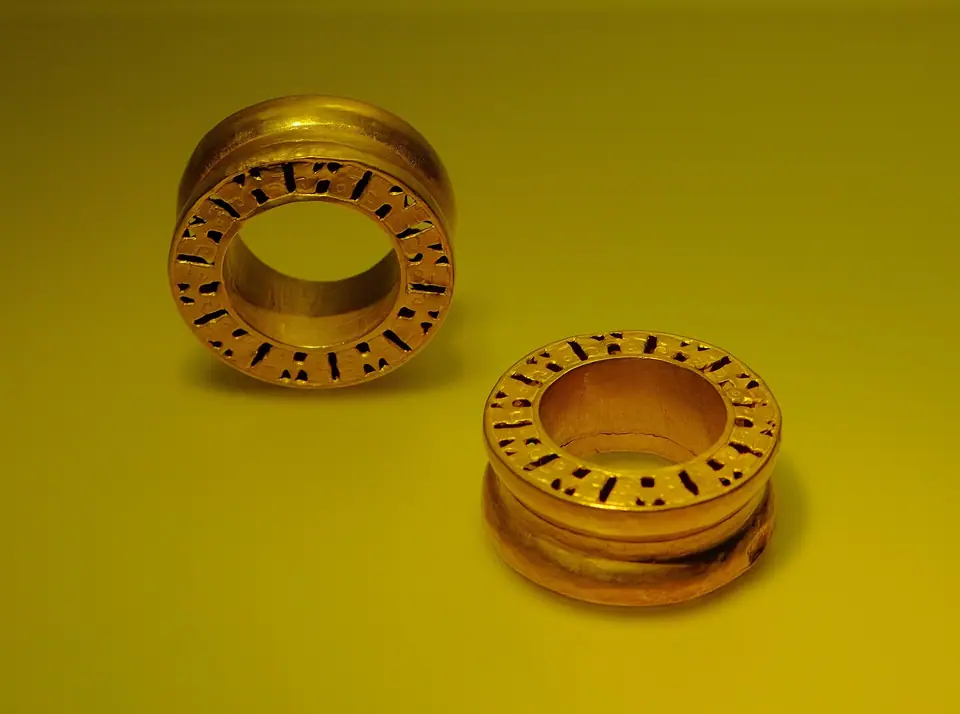
- Second-Floor Cultural Halls: Chronological and regional vitrines trace how diverse societies worked metal not as currency, but as a sacred, sun-linked material embodying spiritual transformation. Highlights include hammered Calima funerary masks and breastplates from the Cauca Valley, serene lost-wax Quimbaya lime flasks (poporos) used in ceremonial coca-leaf chewing, delicate filigree earrings cast by amphibious Zenú goldsmiths of the Caribbean plains, bat-human pectorals crafted by the Tayrona of the Sierra Nevada de Santa Marta, and geometric Tolima pendants.
- Third-Floor Cosmology and the Exploratorium: The third floor explores shamanic flight, jaguar transformation, and funerary rites, while the fourth-floor Exploratorium hosts interactive ethnographic displays.
- Practical Visiting Advice: Labels throughout the galleries are bilingual in Spanish and English; check the official site of Banrepcultural before your visit, as the museum closes on Mondays.
Parque Santander and Iglesia de San Francisco
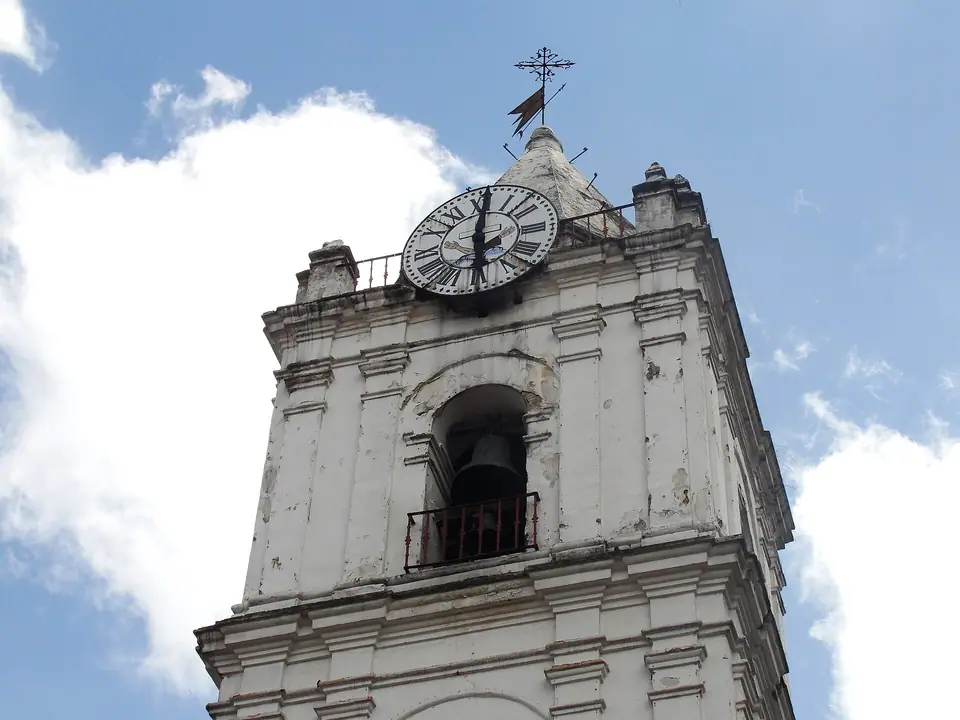
Stepping out of the Museo del Oro onto tree-shaded Parque Santander, cross Avenida Jiménez to enter the Iglesia de San Francisco, built between 1557 and 1621 and preserved as the oldest surviving church in Bogotá. Beneath a carved Mudéjar coffered wood ceiling, its nave glows with a monumental gilded wooden Baroque retablo completed in the early 17th century by sculptor Ignacio García de Ascucha, standing right beside the colonial Iglesia de la Veracruz and Iglesia de la Tercera on the walk south toward Plaza de Bolívar.
Traveller tips
Real advice from people who have been to Museo del Oro: Pre-Columbian Gold, the Muisca Raft and Tumbaga Craft. Every tip is read by our team before it goes live.
No tips yet. Been here? Yours could be the first.
Thank you! Your tip will appear here after a quick review.
More in Bogotá
Continue exploring Bogotá with related neighbourhood, food, and planning guides
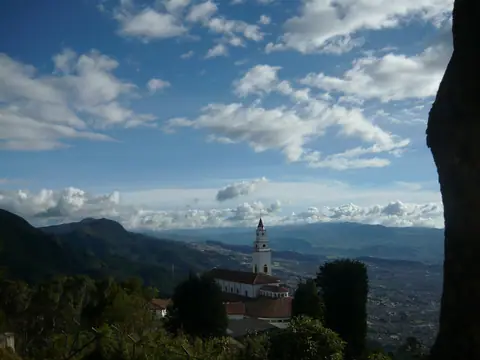
Cerro de Monserrate: Funicular, Teleférico, Shrine and Quinta de Bolívar
Bogotá, Colombia
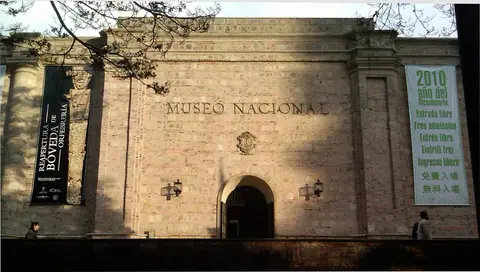
Museo Nacional de Colombia, Centro Internacional and Torre Colpatria
Bogotá, Colombia
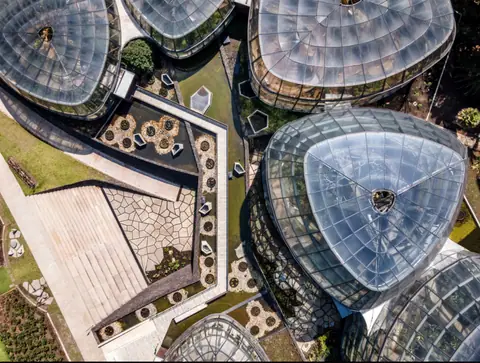
Chapinero, Usaquén, Simón Bolívar Park and José Celestino Mutis Botanical Garden
Bogotá, Colombia
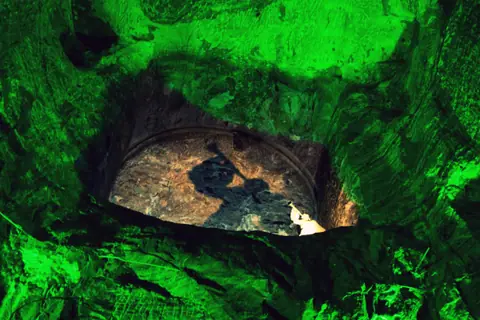
Zipaquirá Salt Cathedral and Laguna de Guatavita Day Trips from Bogotá
Bogotá, Colombia
