


























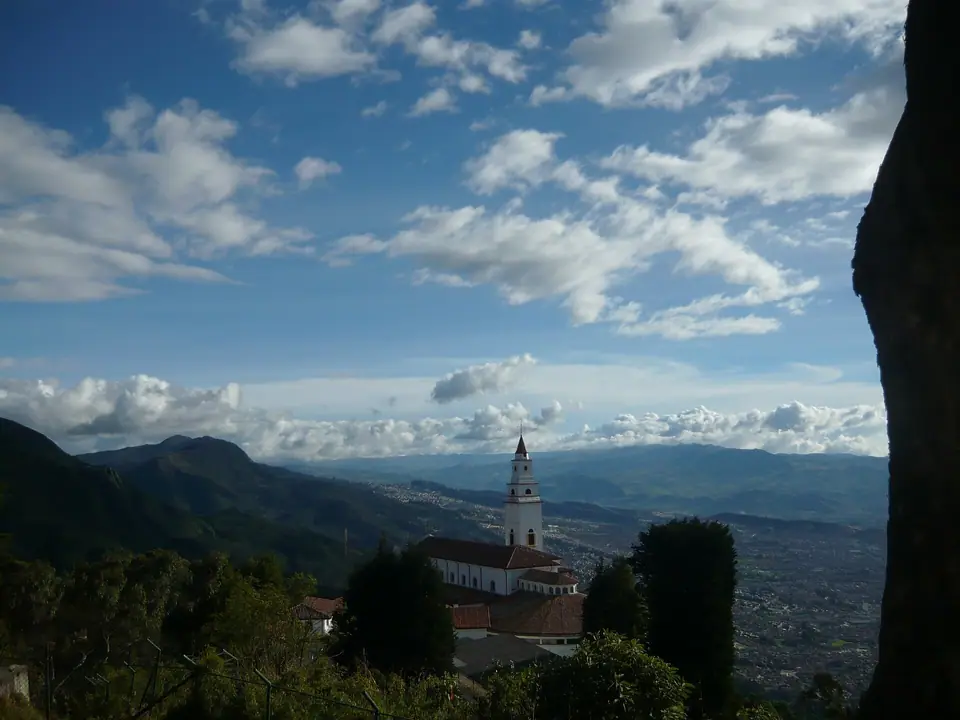
Cerro de Monserrate: Funicular, Teleférico, Shrine and Quinta de Bolívar
Ascend 3,152-metre Cerro de Monserrate by funicular, cable car, or stone trail for Bogotá's widest panorama, then visit Simón Bolívar's Quinta at the base.
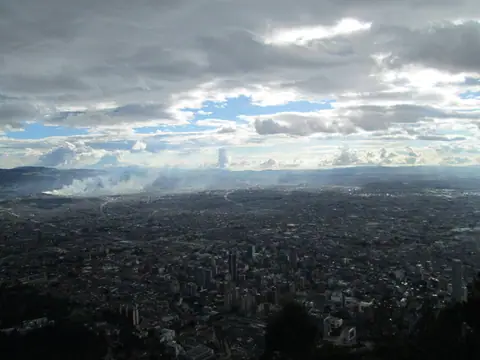
Rising abruptly along the eastern edge of downtown Bogotá to an elevation of 3,152 metres (10,341 feet) above sea level, Cerro de Monserrate towers roughly 500 metres above the urban streets of La Candelaria. Known to the indigenous Muisca as Quijicha Caca ("Grandmother's Foot"), the peak aligns with the solstices when viewed from the ancient square below and has served for nearly four centuries as both a Catholic pilgrimage sanctuary and the capital's premier panoramic lookout.
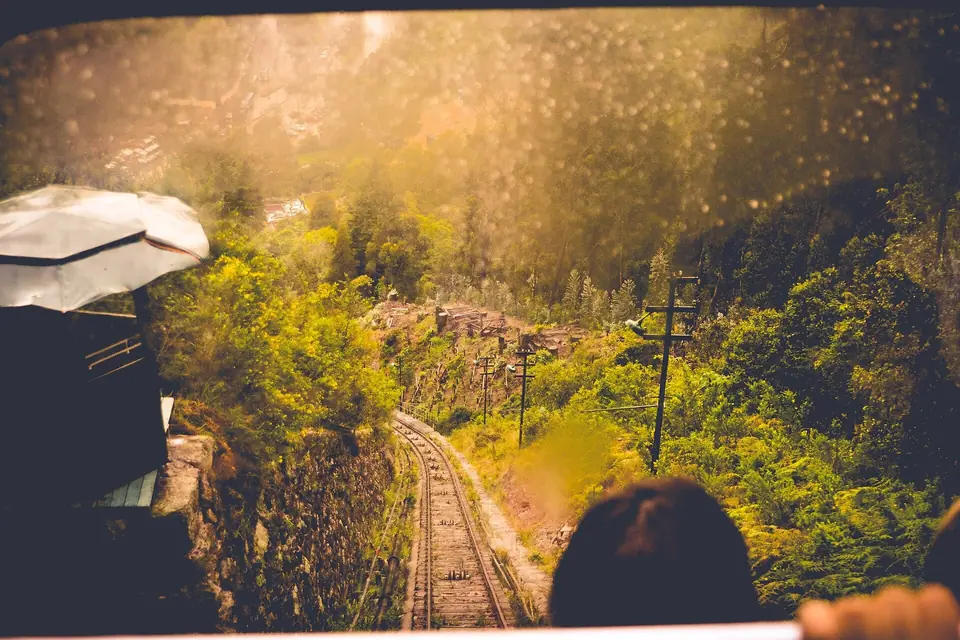
Three Ways Up the Mountain: Funicular, Teleférico and Footpath
All three ascents begin at the base complex along Paseo Bolívar (Carrera 2 Este #21-48) at the foot of the Eastern Hills:
- The Funicular Railway (Funicular a Monserrate): Inaugurated on 18 August 1929, the glass-roofed funicular carriages climb a 800-metre track at gradients reaching up to 80 percent, passing through a rock tunnel hollowed out of the cliffside before emerging onto the summit terrace.
- The Aerial Cable Car (Teleférico a Monserrate): Opened on 27 September 1955, the bright cabin suspended from steel cables glides 820 metres above the high-Andean cloud forest in roughly four minutes, offering floor-to-ceiling views across the city's red roofs and high-rises.
- The Stone Pedestrian Trail (Sendero Peatonal): A 2.4-kilometre paved stone staircase with 1,605 irregular steps winds up the mountain beneath eucalyptus and native cloud-forest trees. Because the climb gains 500 vertical metres in thin mountain air, attempt the trail only after acclimatising to Bogotá's altitude, stay on the main policed path during official morning opening hours, and check the official site for trail closures (the footpath typically closes on Tuesdays for maintenance).
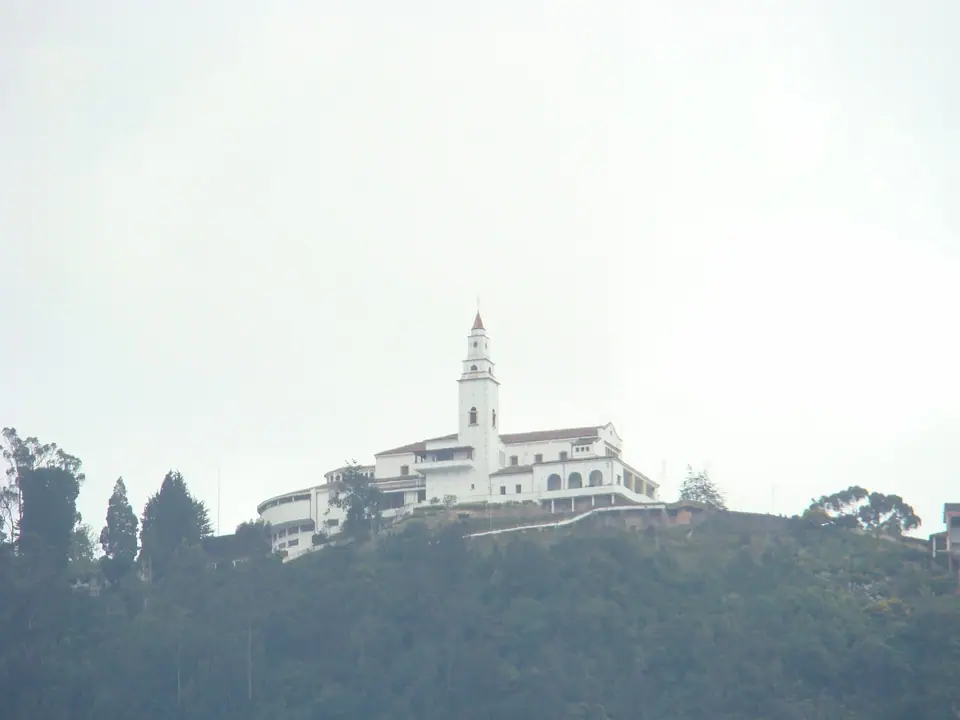
Sanctuary of El Señor Caído and Casa Museo Quinta de Bolívar
In the 1640s, colonial governor Juan de Borja authorised the construction of a hilltop hermitage dedicated to Our Lady of Montserrat (named after the monastery near Barcelona). In 1656, local sculptor Pedro de Lugo Albarracín carved the polychrome wood-and-lead statue of El Señor Caído ("The Fallen Lord" of Monserrate), which quickly drew thousands of pilgrims up the mountain. The current whitewashed neo-colonial basilica was completed in 1920 and elevated to a minor basilica by Pope Pius XII in 1956. Behind the church, a shaded Stations of the Cross walkway and two 19th-century mansion restaurants (Casa San Isidro and Casa Santa Clara) overlook the entire Sabana de Bogotá.
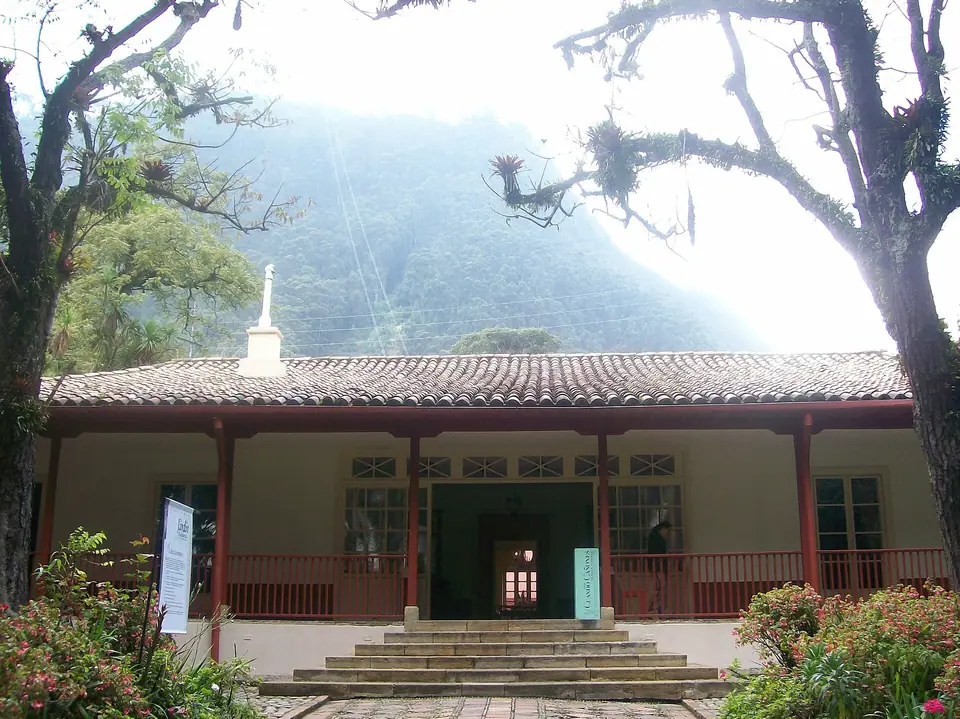
Just 300 metres south of the Monserrate ticket station at Calle 21 (#4A-30 Este), the Casa Museo Quinta de Bolívar occupies an early 19th-century country estate built by merchant José Antonio Portocarreño and purchased in 1820 by the newly independent government of New Granada as a gift of gratitude to Simón Bolívar. Surrounded by cypress hedges, stone water channels fed by mountain springs, and an orchard of native trees, the single-storey villa preserves the dining room, study, bedroom, and outdoor bathhouse where Bolívar and Manuela Sáenz stayed intermittently between 1820 and 1830.
Traveller tips
Real advice from people who have been to Cerro de Monserrate: Funicular, Teleférico, Shrine and Quinta de Bolívar. Every tip is read by our team before it goes live.
No tips yet. Been here? Yours could be the first.
Thank you! Your tip will appear here after a quick review.
More in Bogotá
Continue exploring Bogotá with related neighbourhood, food, and planning guides
Bogotá: Complete Planning for Colombia's Andean Capital
Bogotá, Colombia

Things to Do in Bogotá: Best Attractions, Museums and Mountain Views
Bogotá, Colombia

How to Get to Bogotá: El Dorado Airport (BOG), TransMilenio and Transit
Bogotá, Colombia
Best Time to Visit Bogotá: Month-by-Month Andean Climate and Seasons
Bogotá, Colombia
