





















What to Wear in Brussels: Cobblestone Footwear, North Sea Rain Layers & Museum Cloakroom Rules
Pack smartly for Brussels' 17th-century porphyry cobblestones, changeable North Sea breezes, museum bag-check lockers, and smart-casual brasserie evenings.
Packing well for Brussels comes down to two practical realities of the Belgian landscape. Underfoot, the historic core is paved from end to end in uneven seventeenth- and nineteenth-century stone setts. Overhead, westerly breezes blowing inland from the North Sea (100 kilometres northwest) can bring a passing shower in any month. Dressing in versatile, wind-resistant layers keeps you comfortable across both halves of the city. Supportive rubber-soled footwear serves you equally well on the Mont des Arts steps, inside the Coudenberg Palace vaults, and in Art Nouveau brasseries.
Why footwear is your single most important decision on Brussels pavés
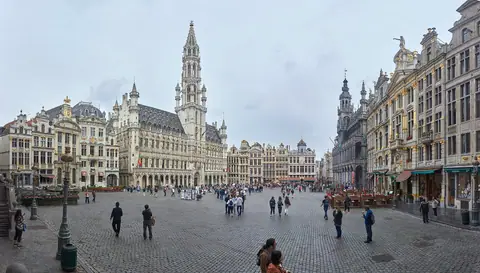
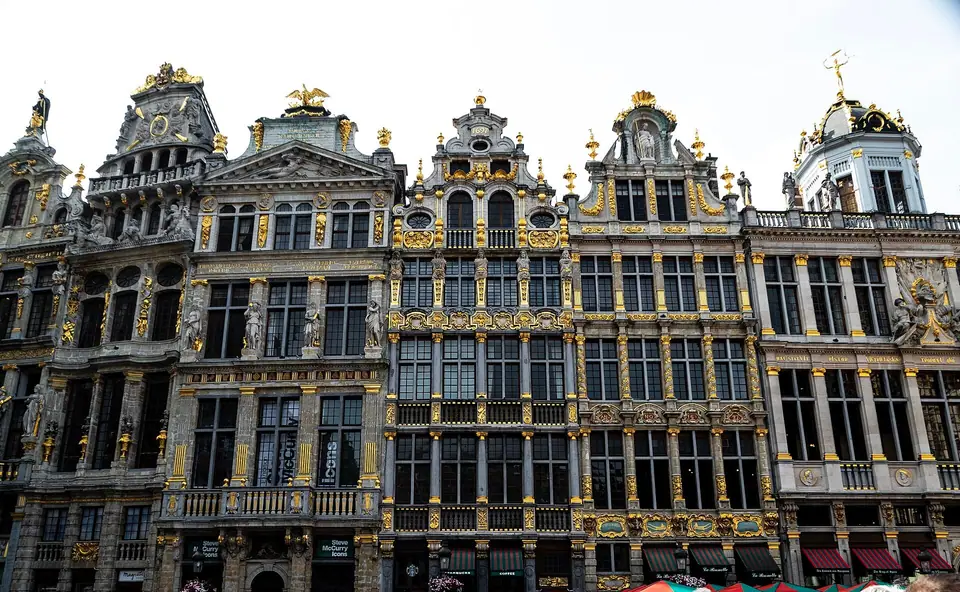
Few European cities are as unforgiving on thin-soled or high-heeled shoes as the historic Pentagon of Brussels. The entire Grand-Place and the narrow lanes of the Îlot Sacré around Rue des Bouchers are paved in stone. Squared blocks of Belgian porphyry and sandstone, known locally as pavés, cover Rue de l'Étuve, the Grand Sablon, and the Marolles. The city rises 40 to 75 metres between the Lower Town valley (15 to 25 metres altitude) and the Upper Town ridge (55 to 100 metres altitude). Each day involves walking up and down stepped stone ramps and sloped cobbled lanes that turn slick during light Atlantic drizzle.
- What works best: Pack broken-in leather walking trainers, low-profile waterproof city hikers, or flat leather Chelsea boots with vulcanised rubber lug soles. A cushioned midsole absorbs the shock of walking 12,000 to 18,000 steps a day across stone setts and museum parquet floors. Water-resistant uppers also keep your socks dry when puddles collect between uneven curbstones around Place Sainte-Catherine.
- What to leave at home: Stiletto heels and narrow kitten heels catch repeatedly in the wide mortar joints between seventeenth-century cobblestones. Smooth leather dress soles without a rubber grip slide easily on wet bluestone steps at the Mont des Arts and Petit Sablon. Canvas plimsolls with paper-thin soles leave your feet sore after an afternoon on porphyry setts.
- Art Nouveau house etiquette: Booked visits to fragile UNESCO domestic interiors on our Victor Horta and Art Nouveau townhouse walk have strict floor rules. At the Horta Museum, Hôtel Solvay, and Maison Hannon, sharp heels are barred to protect original 1890s oak parquet and marble stairs. Museum staff often provide protective felt overshoes to slip over your street footwear at the entrance.
Season-by-season layering for North Sea breezes and showers
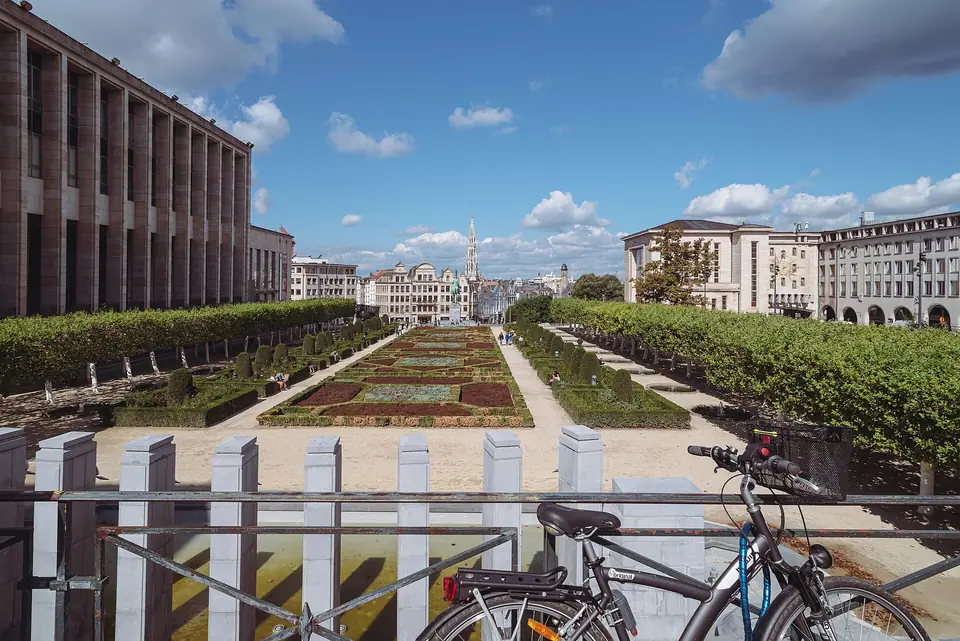
Official RMI Uccle Observatory records show that Brussels averages 9 to 14 rain days every month of the year. April sees the lowest average at 9 rain days, while December sees 14 rain days. Rather than day-long downpours, Belgian rain usually arrives as passing 20-minute showers pushed by brisk 20 to 30 km/h breezes. Wind funnels noticeably between the glass towers of the European Quarter around the Berlaymont. Open gusts also sweep across the Heysel Plateau beneath the 102-metre Atomium. A hooded waterproof shell or trench coat works far better than a flimsy folding umbrella that inverts in wind tunnels.
- Spring (March to May): Daytime highs reach 11 to 19°C while overnight lows sit between 3 and 10°C. Bring a mid-weight waterproof trench coat or breathable hooded rain shell. Layer it over a fine merino wool jumper, long-sleeved cotton shirts, and dark jeans or tailored chinos. Add a light woven scarf for crisp mornings on canal boat rides in Bruges and Ghent.
- Summer (June to August): Afternoon highs average 22 to 24°C and overnight lows sit around 13 to 15°C. Pack breathable linen or cotton shirts, light trousers or midi skirts, and sunglasses. Carry a packable waterproof jacket or unstructured blazer for cooler evenings on terraces at Place Flagey. Even on a warm 24°C July afternoon, keep a light sweater in your day bag. Underground halls at the Coudenberg Palace beneath Place Royale and the cellars of Brasserie Cantillon stay near 14 to 16°C all year.
- Autumn (September to November): Highs range from 10 to 20°C and lows drop from 12°C to 5°C. Layer a water-resistant wool coat or waxed jacket over knitwear, wool socks, and weatherproof leather boots. Temperatures cool steadily from 20°C in September to 10°C in November as rain days rise to 13 per month.
- Winter (December to February): Daytime highs average 6 to 7°C and overnight lows hover around 1 to 2°C. Damp North Sea humidity makes winter evenings at the Winter Wonders chalets feel extra brisk. Pack thermal base layers, a lined wool overcoat or insulated down parka, a knit hat, leather gloves, a scarf, and waterproof boots.
Museum cloakroom rules, churches, and evening brasserie style
One detail that surprises many visitors is how strictly Brussels museums enforce bag-size rules. Strict checks apply at the Magritte Museum, Old Masters Museum, Musical Instruments Museum, and Belgian Comic Strip Center. The same policy holds at the House of European History and the Parlamentarium. Backpacks, rucksacks, wet umbrellas, and bags larger than 40 by 30 by 15 centimetres must go into the free ground-floor cloakroom (vestiaire). Carrying a compact crossbody bag or small shoulder tote lets you keep your phone, wallet, and reading glasses inside the galleries. Keeping a 1-euro or 2-euro coin in your pocket helps with older mechanical museum lockers.
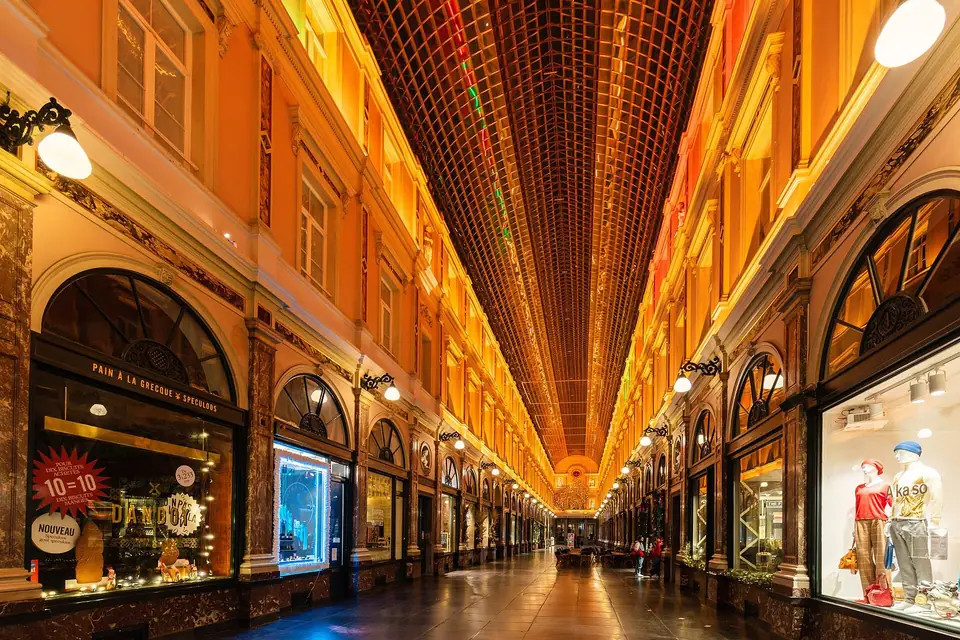
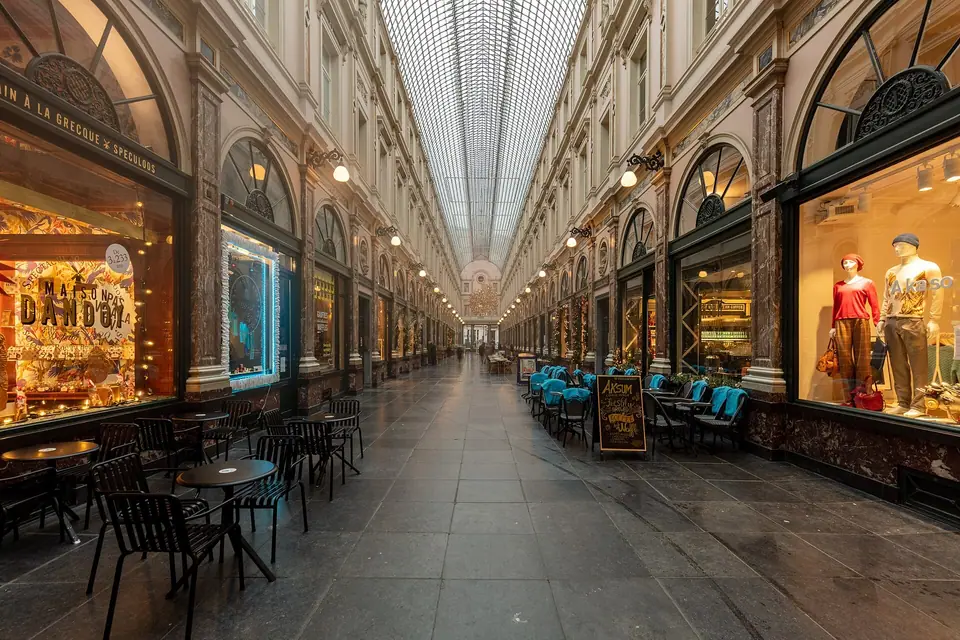
Active churches such as the 1226 to 1519 Cathedral of St. Michael and St. Gudula and fifteenth-century Notre-Dame du Sablon expect respectful street attire. Visitors should keep shoulders covered and remove hats inside the nave during services and organ recitals. In the evening, Brussels locals favour understated European smart-casual dress across all neighbourhoods. Dark denim or tailored trousers, a neat merino jumper or collared shirt, and clean leather shoes work everywhere. You will feel comfortable in wood-panelled beer taverns, Saint-Gilles wine bars, and classic seafood brasseries around Place Sainte-Catherine or the Galeries Royales Saint-Hubert.
Traveller tips
Real advice from people who have been to Brussels. Every tip is read by our team before it goes live.
No tips yet. Been here? Yours could be the first.
Thank you! Your tip will appear here after a quick review.
More in Brussels
Continue exploring Brussels with related neighbourhood, food, and planning guides
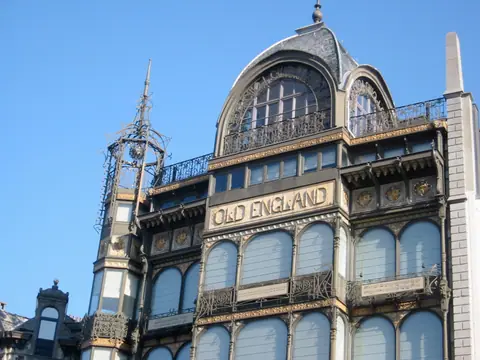
Mont des Arts, Royal Museums, Magritte Museum, MIM, Sablon & Marolles Guide
Brussels, Belgium
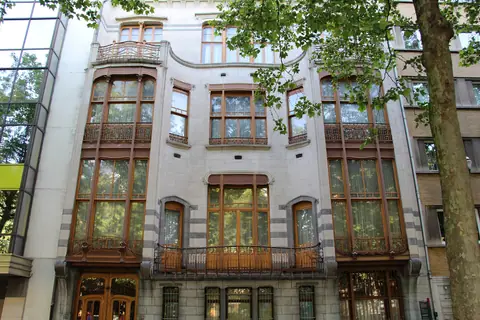
Victor Horta & Art Nouveau Walk: Horta Museum, Hôtel Tassel, Hôtel Solvay, Maison Hannon & Ixelles
Brussels, Belgium
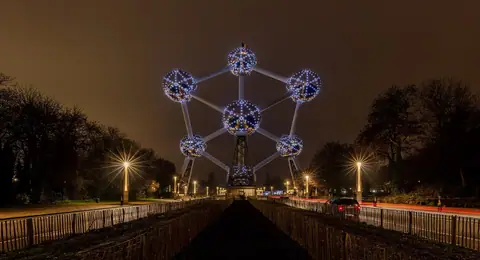
Atomium, Royal Greenhouses of Laeken, Parc du Cinquantenaire & Train World Guide
Brussels, Belgium
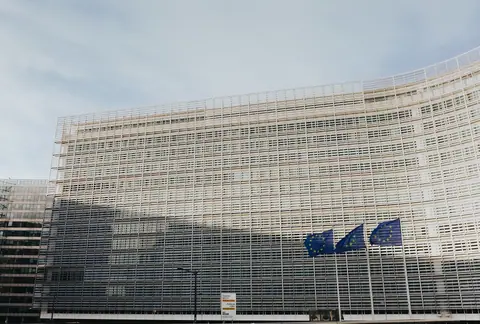
European Quarter Guide: Parlamentarium, Hemicycle, House of European History, Berlaymont & Leopold Park
Brussels, Belgium
