


























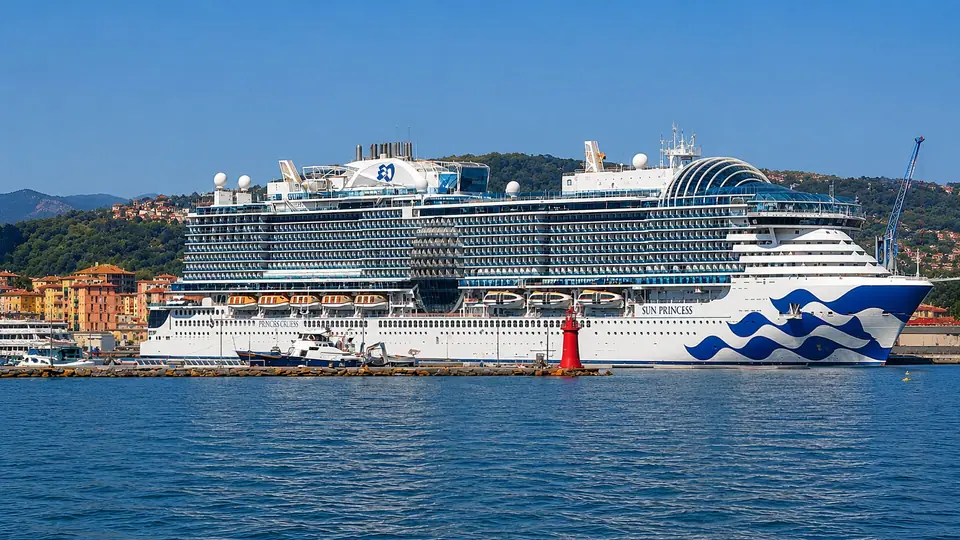
Photo: Loco Steve from Bromley , UK · CC BY-SA 4.0
La Spezia, Castello San Giorgio, Naval Museum & Lerici Guide: Gulf of Poets
Explore the naval port of La Spezia, hilltop Castello San Giorgio, and its medieval art collections. We also cover easy ferry excursions across the bay to Lerici and Tellaro.
Most travellers treat La Spezia purely as a railway junction when arriving from Florence, Pisa, or Milan. They step off a mainline train and switch straight onto the Cinque Terre Express shuttle. Yet spending half a day in this port city unlocks historic maritime collections and a lively morning seafood market. Up on the hill, a Genoese castle displays prehistoric stone warrior statues. Our where to stay in Cinque Terre guide highlights La Spezia's value as a transport base. The waterfront serves as the main hub for ferries and buses across the Gulf of Poets (Golfo dei Poeti). Boats and coastal buses connect the city waterfront directly with Portovenere and the eastern castle towns of Lerici and Tellaro.
Castello San Giorgio and the prehistoric Statue Stele
Castello San Giorgio rises on the Poggio hill directly above La Spezia's pedestrian shopping spine, Via del Prione. It stands among the finest medieval fortifications in eastern Liguria. Nicolò Fieschi erected an early watchtower on this high ground. Later, the Republic of Genoa rebuilt and expanded the upper citadel to command the gulf. Today, the two-tiered stone fortress is effortlessly accessible without climbing steep stairs. A system of free public lifts and escalators climbs straight inside the hill from Via del Prione and Via XX Settembre right to the castle gate.
Upper stone ramparts command sweeping views across the naval harbour basin to the marble peaks of the Apuan Alps. Inside the keep sits the Ubaldo Formentini Archaeological Museum. Its centrepiece is the extraordinary collection of Lunigiana Statue Stele (Statue Stele Lunigianesi). The galleries display enigmatic sandstone monoliths carved between the Copper Age and the Iron Age. Archaeologists discovered these flat human-shaped stone slabs across the nearby Magra River valley. Ancient Ligurian tribes carved the monoliths in relief with daggers, axes, collar rings, and U-shaped faces. Visitors can also inspect Roman marble sculptures, mosaics, and glass vessels excavated from the nearby ancient port of Luni.
| La Spezia & Gulf Sight | Category & Highlight | Location | Transport Link |
|---|---|---|---|
| Castello San Giorgio | Medieval fortress & Bronze Age Statue Stele | Via XXVII Marzo (upper hill) | Free public lifts from Via del Prione |
| Museo Civico Amedeo Lia | Historic paintings, bronzes & manuscripts | Via del Prione | Short walk from La Spezia Centrale station |
| Museo Tecnico Navale | Figureheads, submarines & Marconi radio | Viale Amendola (Arsenal gate) | Walking distance from station along seafront gardens |
| Passeggiata Morin & Thaon Bridge | Palm-lined sea promenade & swing footbridge | Waterfront pier | Departure dock for Cinque Terre & Lerici ferries |
| Lerici & San Terenzo | Historic castle & Villa Magni | Eastern shore of Gulf of Poets | ATC Bus Line L/S or Gulf ferry from La Spezia |
| Tellaro | Clifftop pink church & sea caves | East of Lerici | Coastal footpath or local bus from Lerici |
The Technical Naval Museum (Museo Tecnico Navale) and the Arsenal
La Spezia's modern identity was forged in the nineteenth century under Prime Minister Camillo Benso, Count of Cavour, and military engineer Domenico Chiodo. Together they selected its sheltered natural bay as the primary naval base of the newly unified Kingdom of Italy. Napoleon Bonaparte had earlier praised the gulf as the finest natural harbour in Europe. The Military Maritime Arsenal (Arsenale Militare Marittimo) occupies the western side of the city centre. Its historic dry docks and sheltered basins still serve the Italian Navy.
Immediately beside the main monumental gate of the Arsenal on Viale Amendola stands the Technical Naval Museum (Museo Tecnico Navale della Spezia). Tracing its royal Savoy naval collection back to Villafranca (Nice) before moving to La Spezia, it ranks among the notable maritime institutions in Italy. Across two indoor floors and a shaded courtyard, the museum exhibits wooden nineteenth-century ship figureheads (polene) such as the Atalanta. Visitors can examine intricate scale models of Venetian galleys and modern battleships. Adjacent cases display historic deep-sea diving suits and World War II manned torpedoes (Maiali). A dedicated hall preserves original radio telegraph instruments used by Guglielmo Marconi during his wireless experiments in the gulf. Nearby cases display polar relics from the airship Italia expedition. Check the official Italian Navy museum portal for current admission details.
Museo Amedeo Lia, Piazza Cavour market, and Passeggiata Morin
Strolling down pedestrianised Via del Prione and tree-lined Corso Cavour from the railway station toward the sea takes you past several cultural and culinary stops:
- Museo Civico Amedeo Lia. This gallery occupies the restored convent of San Francesco di Paola on Via del Prione. It displays the broad historic collection donated to the city by Amedeo Lia. Highlights include Limoges enamels, medieval illuminated miniatures, and Renaissance paintings attributed to Titian, Pontormo, Tintoretto, Bellini, and Canaletto.
- Mercato di Piazza Cavour. Every morning except Sunday, the open iron-and-glass canopies of Piazza Cavour host the city's main food market. Local fishmongers sell fresh Gulf of Spezia mussels (muscoli), Monterosso anchovies, wild herbs, and hot slices of chickpea farinata.
- Cattedrale di Cristo Re. Modernist architect Adalberto Libera designed this striking circular concrete cathedral above Piazza Europa. Following its construction, its wide plaza overlooks the port.
- Giardini Pubblici, Passeggiata Morin & Ponte Thaon di Revel. At the foot of Via Chiodo, nineteenth-century seaside gardens lead onto Passeggiata Costantino Morin. Coastal ferries depart directly from this palm-lined waterfront promenade. At its eastern end, the white cable-stayed Thaon di Revel swing footbridge crosses the harbour channel to the superyacht marina of Porto Mirabello.
Across the Gulf of Poets: Lerici and the fishing village of Tellaro
Looking directly across the bay from Passeggiata Morin, the eastern arm of the Gulf of Poets cradles the towns that gave the bay its literary title. During the Romantic era, English poets Percy Bysshe Shelley and Lord Byron lived along these shores together with Mary Shelley (author of Frankenstein). Their circle gathered at the white arcaded seaside house of Villa Magni in San Terenzo. ATC Bus Line L or S links central La Spezia with Lerici regularly throughout the year. In summer, passenger ferries also cross the bay from Passeggiata Morin and Portovenere. At the western end stands the medieval castle of San Terenzo. Across the bay, the monumental polygonal keep of Castello di Lerici crowns the eastern promontory. Inside the ramparts stands the Gothic Chapel of Santa Anastasia. Further south by coastal bus or cliffside olive-grove footpath lies Tellaro, ranked among the Borghi più belli d'Italia. There, the pastel-pink Church of San Giorgio sits right on the wave-lashed basalt rocks above the sea. Between San Terenzo and Lerici, a flat seaside promenade passes the sandy lido of Venere Azzurra. Walkers can easily pair a morning castle visit with an afternoon swim in the sheltered gulf. Afterwards, stop at a harbourfront bakery in Lerici for a slice of warm chickpea farinata. Late-afternoon ferries then carry you back across the bay to La Spezia. Back at Passeggiata Morin, a shaded evening walk beneath the palms leads straight to the seafood trattorias and wine bars of the pedestrian quarter. Combining these calm bay excursions with your village hikes reveals the wider maritime heritage of the eastern Ligurian coast. Strolling beneath the palm trees of the waterfront gardens offers a relaxing pause between museum visits and boat departures. Taking the harbour bus or ferry across the bay reveals quiet castle towns away from the main railway line. Stopping at the covered morning food market lets you sample local Ligurian snacks before heading to the pier.
Where it is
- 1La Spezia, Castello San Giorgio, Naval Museum & Lerici
- Pisa International Airport (PSA) · about 65 km from here in a straight line
- Directions in Google Maps
Stations and taxi ranks: OpenStreetMap. Airports: OurAirports. Distances are in a straight line.
Traveller tips
Real advice from people who have been to Cinque Terre. Every tip is read by our team before it goes live.
No tips yet. Been here? Yours could be the first.
Thank you! Your tip will appear here after a quick review.
More in Cinque Terre
Continue exploring Cinque Terre with related neighbourhood, food, and planning guides
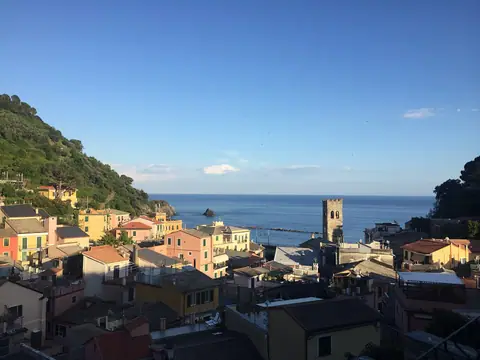
Cinque Terre: Coastal Villages, Trains & Park Rules
Cinque Terre, Italy
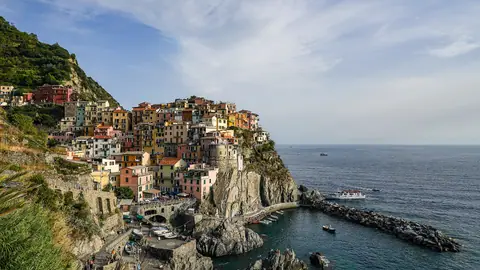
Things to Do in Cinque Terre: Villages, Cliff Trails & Boat Trips
Cinque Terre, Italy
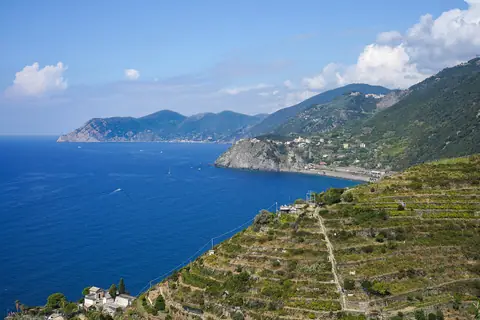
How to Get to Cinque Terre: Airports, Trains & Coastal Ferries
Cinque Terre, Italy
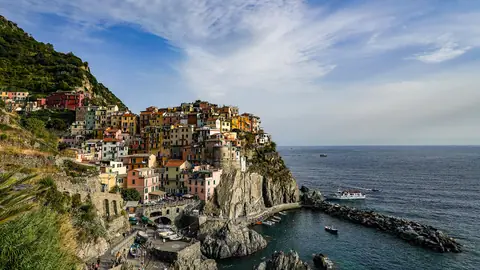
Best Time to Visit Cinque Terre: Weather, Trails & Ferry Season
Cinque Terre, Italy
