


























Photo: trolvag · CC BY-SA 3.0
Monterosso al Mare Guide: Fegina Beach, Aurora Tower & Old Town
Discovering Monterosso al Mare, split by the San Cristoforo promontory between the sandy Fegina beach promenade and a striped-marble medieval Old Town.
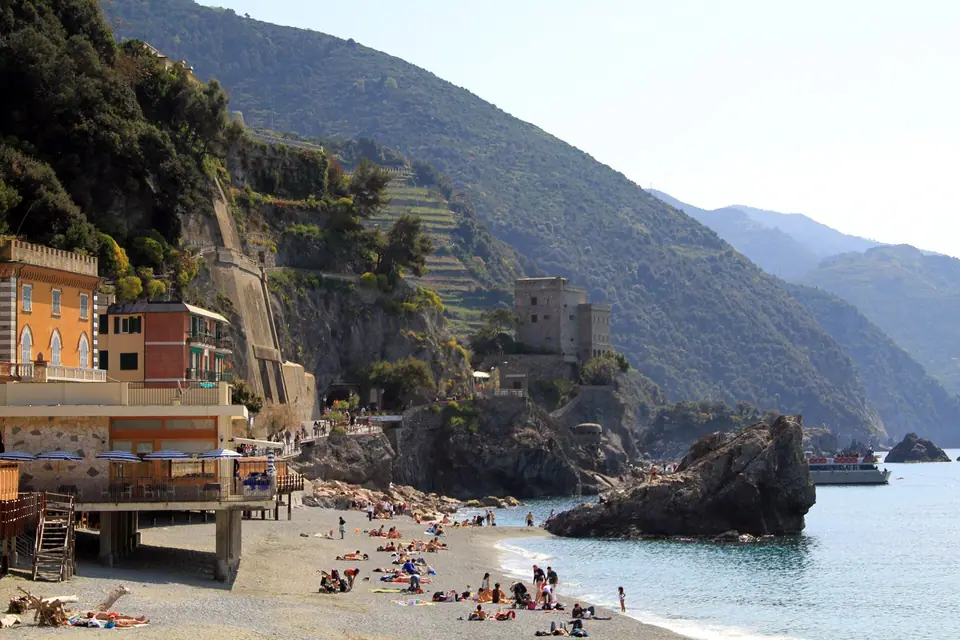
Monterosso al Mare anchors the northwestern end of the coastal area inside the curve of Punta Mesco. It is a flat, resort-like settlement in the Cinque Terre. Its southern neighbours squeeze into narrow rock clefts with small stone boat ramps. By contrast, Monterosso spreads across two wide coastal bays divided by the Colle di San Cristoforo headland. A hundred-metre pedestrian tunnel runs through the base of that central headland. The passage links the modern beach quarter of Fegina in the west with the medieval Centro Storico (Old Town) in the east. Because the Trenitalia railway station sits right on the Fegina seafront, Monterosso is the premier base for seafront hotels with lifts and sandy beach swimming. At the same time, its eastern half preserves historic Ligurian Gothic churches and lemon-scented alleys.
Fegina beach promenade and the Il Gigante (Neptune) statue
Stepping out of the Monterosso railway station places you directly above the palm-lined promenade of Via Fegina. Below stretches the widest sand-and-gravel beach in the Parco Nazionale delle Cinque Terre. Spiaggia di Fegina stretches between the western cliffs and the San Cristoforo headland. Private beach clubs (stabilimenti balneari) with orange-and-green parasols alternate with two free public beach zones (spiaggia libera). Those free public zones sit right in front of the station and beside the eastern rocks. Nobel Prize-winning Italian poet Eugenio Montale spent his childhood summers here. His family stayed in the yellow-towered Art Nouveau pagoda villa just west of Fegina. Those coastal summers inspired his famous poetry collection Ossi di Seppia (Cuttlefish Bones).
Towering over the western boulder terrace of Fegina beach is Monterosso's strangest and most monumental landmark: Il Gigante (The Giant, or Statue of Neptune). Giovanni and Juanita Pastine, residents of Monterosso who had returned wealthy from Argentina, commissioned the monument. Ferrara sculptor Arrigo Minerbi and engineer Levacher crafted the concrete sculpture out of iron and reinforced concrete. Originally, the bearded sea god held a giant trident in his hand. His shoulders supported a cantilevered concrete seashell that served as a dance terrace for Villa Pastine. Allied aerial bombardment in World War II destroyed the villa and knocked off Neptune's arms, trident, and shell. Later, a violent sea storm damaged the legs before a comprehensive structural restoration stabilized the armless colossus against the cliff.
| Monterosso Landmark | Quarter / Location | Historical Period | Highlights & Visiting Notes |
|---|---|---|---|
| Spiaggia di Fegina | Fegina (West of tunnel) | Modern era | Widest sandy beach in Cinque Terre, station access |
| Statua del Gigante (Neptune) | Western end of Fegina | Minerbi period | Concrete sea god statue built into cliff |
| Torre Aurora | San Cristoforo headland | Genoese era | Divides Fegina and Old Town above the sea cliff |
| Capuchin Monastery & Church | Crest of San Cristoforo | Convento era | Panoramic terrace & Crucifixion canvas (Van Dyck school) |
| Church of San Giovanni Battista | Old Town (Piazza Don Minzoni) | Ligurian Gothic period | Bichrome striped marble facade & Genoese watchtower |
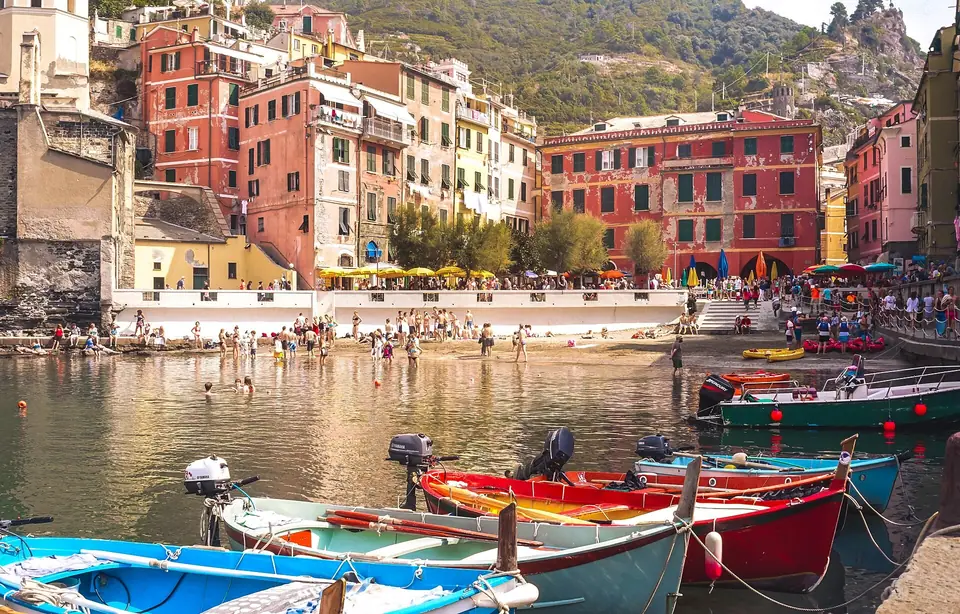
Torre Aurora and the Capuchin Monastery on San Cristoforo hill
The rocky spur of Colle di San Cristoforo rises directly between Fegina and the Old Town. Its crest holds the remains of the medieval castle built by the Obertenghi and Genoa. Right at the water's edge above the pedestrian tunnel stands the crenelated stone bastion of Torre Aurora (Aurora Tower). The Republic of Genoa built this bastion as part of its coastal watchtower network designed to repel Ottoman and Barbary corsair raids. Pirate commanders Khair ad-Din Barbarossa and Turgut Reis (Dragut) had repeatedly sacked regional ports. Today, the tower takes its name from the dawn views across the eastern bay.
Instead of walking through the flat tunnel underneath the headland, take the scenic stone staircase that climbs the flank of San Cristoforo past Torre Aurora. At the crest stands the Convento dei Frati Cappuccini and Church of San Francesco. From the cypress-lined churchyard parvis, you can look down on both bays of Monterosso simultaneously. Step inside the single-nave church striped in black and white bands to view its finest artwork. A seventeenth-century oil canvas of the Crucifixion is attributed to the workshop of Anthony van Dyck, who worked extensively in Genoa. Just above the convent lies the monumental hillside cemetery installed inside the medieval castle ruins.
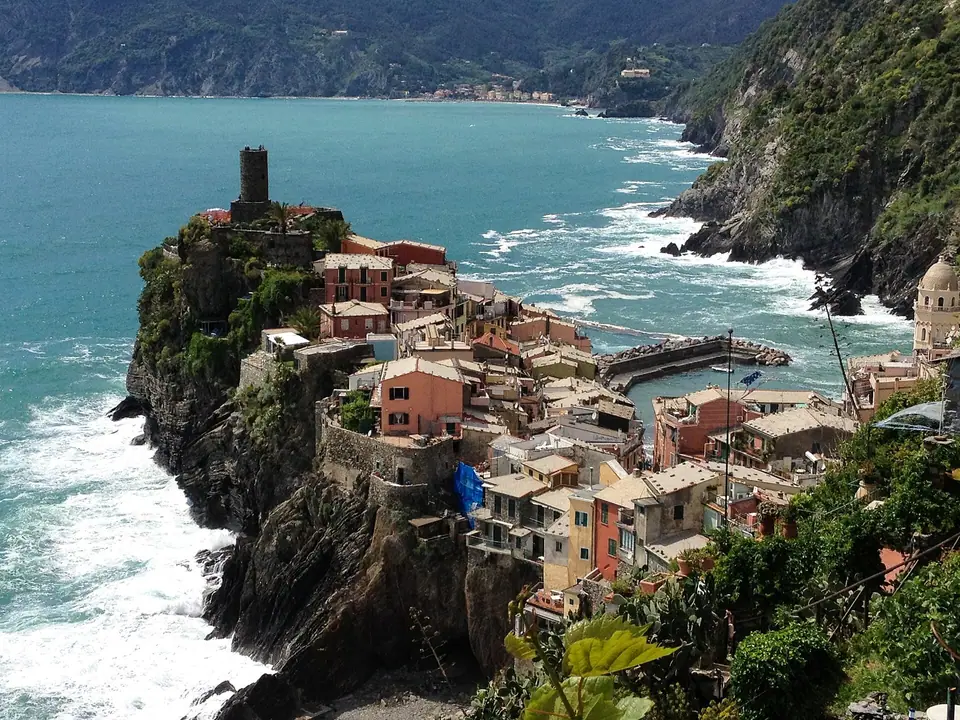
The Old Town: Church of San Giovanni Battista and Oratorio dei Neri
Descend the eastern stairs from San Cristoforo hill onto waterfront Piazza Garibaldi. Here sit the regional ferry pier and the sheltered Old Town beach of Spiaggia di Tragagià. From the beach, the medieval spine of Via Vittorio Emanuele and Via Roma runs inland under tall pastel facades. These cool pedestrian lanes smell of lemon pastries, salted anchovies in terracotta jars, and wood-fired focaccia.
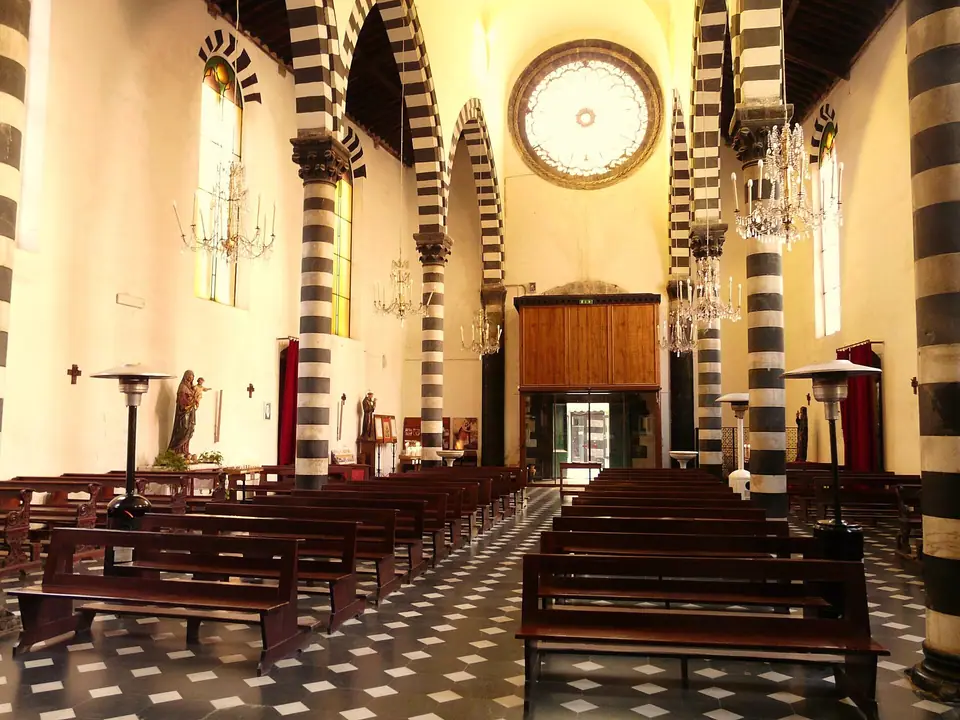
Two hundred metres inland in Piazza Don Giovanni Minzoni stands the parish Church of San Giovanni Battista. Builders constructed the sanctuary in classic Ligurian Gothic style. Its striking western facade is faced in horizontal alternating bands of white Carrara marble and dark green serpentinite stone from Levanto. At the centre shines an intricate fourteenth-century white marble lacework rose window above a pointed Gothic portal depicting the Baptism of Christ. Look up at the rectangular crenellated bell tower on the eastern flank of the church. Genoa erected it as a freestanding military watchtower (torre di avvistamento) before converting it into a campanile. Directly beside the parish church stands the baroque Oratorio Mortis et Orationis (Confraternita dei Neri). The oratory is easily recognized by the carved stone skulls over its doorway.
Hiking to Vernazza, Punta Mesco (Sant'Antonio), and Soviore Sanctuary
Monterosso al Mare anchors the northern end of the Cinque Terre hiking trail system, offering distinct stone routes out of town. Remember to wear the gripped hiking soles required by our packing guide. Walking through the pedestrian rock tunnel between the beach promenade and the old town takes just a brief stroll. Browsing the lemon groves and bakery lanes of the historic quarter makes a relaxing afternoon activity after swimming. Reserving a seafront umbrella early in the morning secures a shaded spot along the pebble shoreline. Evening strolls past the medieval watchtower offer breezy views across the open bay.
- Sentiero Verde-Azzurro (SVA2) South to Vernazza. Start at the eastern cliff edge of the Old Town past Hotel Porto Roca. Walking this paid trail requires the Cinque Terre Card. It climbs steep stone steps up Punta Corone before contouring through lemon and olive terraces to Vernazza.
- Trail to Punta Mesco and Levanto. Start behind the Il Gigante statue at the western end of Fegina beach. This free stone staircase climbs through pine woods towards the high promontory of Punta Mesco. At the top stand the medieval stone ruins of the Hermitage of Sant'Antonio del Mesco and an old naval semaphore station. From that lookout, you can see the coastal settlements lined up along the cliffs before the trail descends into Levanto.
- Trail Inland to the Sanctuary of Nostra Signora di Soviore. Climb up the Buranco valley behind the Old Town towards the revered Marian sanctuary on the ridge. You can also reach the shrine by ATC bus from the village. Back at sea level, an evening stroll through the pedestrian tunnel between Fegina and the Old Town links breezy beach promenades with quiet medieval wine bars. Pausing along the sea wall at dusk lets you watch fishing boats return across the calm bay.
Where it is
- 1Monterosso al Mare
- Pisa International Airport (PSA) · about 79 km from here in a straight line
- Directions in Google Maps
Stations and taxi ranks: OpenStreetMap. Airports: OurAirports. Distances are in a straight line.
Traveller tips
Real advice from people who have been to Cinque Terre. Every tip is read by our team before it goes live.
No tips yet. Been here? Yours could be the first.
Thank you! Your tip will appear here after a quick review.
More in Cinque Terre
Continue exploring Cinque Terre with related neighbourhood, food, and planning guides
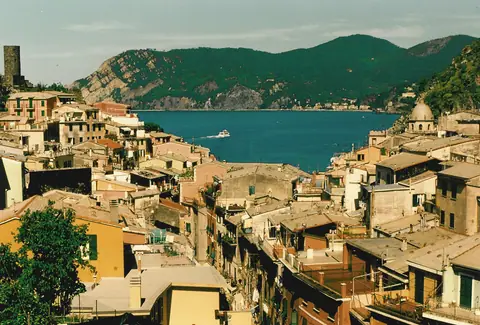
Cinque Terre 3-Day Itinerary: Villages, Blue Trail & Portovenere
Cinque Terre, Italy
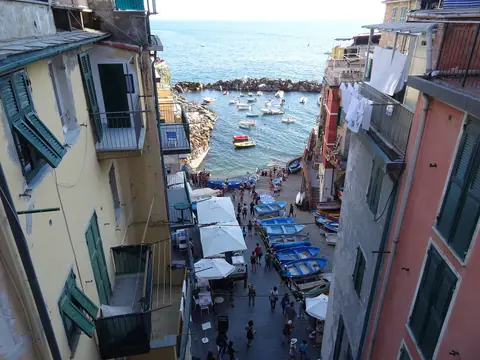
Riomaggiore Guide: Marina Slipway, Via dell'Amore & Hilltop Castle
Cinque Terre, Italy
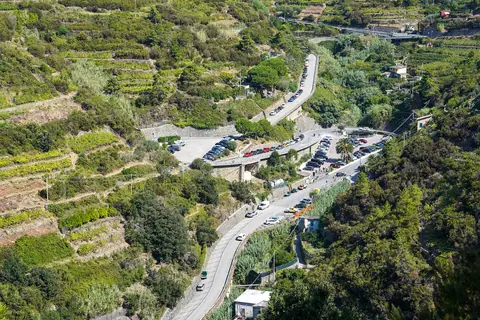
Manarola Guide: Punta Bonfiglio Viewpoint, Vineyards & San Lorenzo
Cinque Terre, Italy
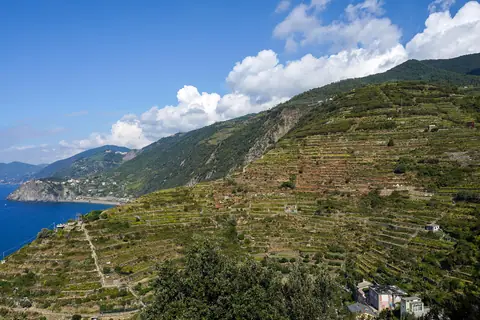
Corniglia Guide: Lardarina Steps, San Pietro Church & Cliff Views
Cinque Terre, Italy
