


























Best Time to Visit Dublin: Month-by-Month Weather, Daylight Hours and Festivals
How Dublin's mild maritime climate shapes daylight hours, rainfall patterns, St Patrick's Festival, Bloomsday, and coastal walking seasons.
Dublin experiences a temperate maritime climate moderated by the North Atlantic Drift and sheltered to the south by the granite peaks of the Wicklow Mountains. Unlike continental European cities, Dublin rarely suffers extreme summer heatwaves or prolonged winter freezes. Instead, the decisive factor when choosing your travel dates is daylight: sitting past 53 degrees north latitude, the city swings from over sixteen and a half hours of daylight around the June solstice to barely seven and a half hours in late December.
Rainfall myth vs East Coast reality
Travellers often assume Ireland's capital is drenched in heavy rain year-round, yet Met Éireann's 1991 to 2020 climate normals at Dublin Airport show an average annual rainfall of 758 millimetres, roughly half the precipitation of Ireland's Atlantic west coast (such as Valentia or Connemara) and drier than many cities in western Britain. February, March, and April are statistically the driest months of the year (51 to 55 millimetres of rain per month), while October and November are the wettest (77 to 82 millimetres). Showers in Dublin occur on roughly 11 to 13 days per month across the year, but they typically pass as light Atlantic breeze and drizzle rather than all-day downpours. Packing a breathable waterproof shell jacket, a sweater layer, and water-resistant walking shoes lets you move comfortably between Trinity College, Dublin Castle, and the Howth Cliff Walk in any season.
Late spring and summer (May to August): long twilight and coastal walks
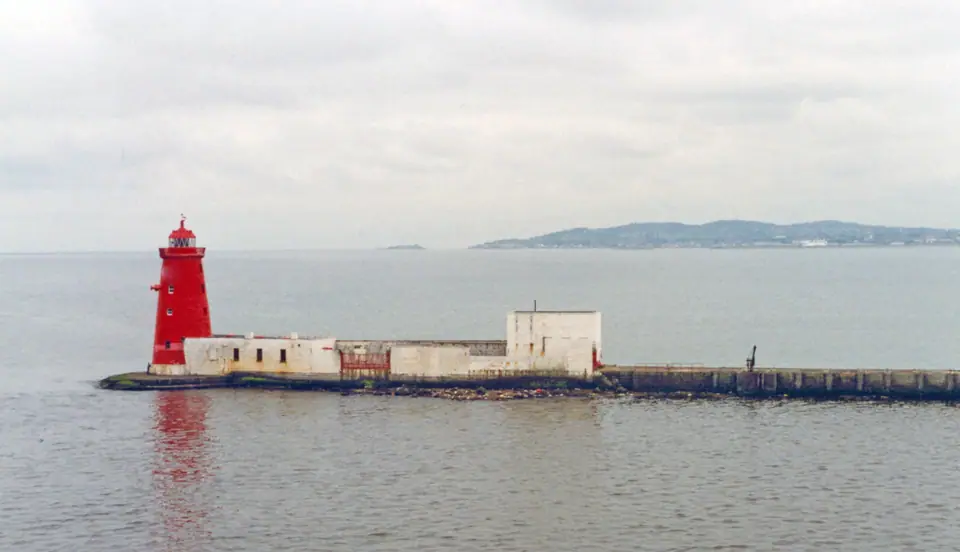
May, June, July, and August offer the longest days and the most reliable conditions for Dublin Bay excursions and park picnics:
- May and June: Average afternoon highs climb from 15.4°C in May to 18.1°C in June, with the lowest monthly wet-day counts of the year. Around the summer solstice in late June, twilight lingers over the River Liffey quays until well after ten in the evening. On 16 June each year, Bloomsday fills Sandycove, Eccles Street, Sweny's Historic Pharmacy on Lincoln Place, and Georgian Dublin with readings, Edwardian straw boaters, and walks celebrating James Joyce's Ulysses.
- July and August: The warmest months of the year, averaging 19.9°C in July and 19.5°C in August. Yellow gorse and purple bell heather bloom across the sea cliffs of Howth Head, and outdoor cultural events take place in Temple Bar and Merrion Square.
Autumn (September and October): cultural festivals and golden parks
September brings mild daytime highs around 17.3°C and thinner queues at major sights once school holidays end. Late September and October mark Dublin's busiest arts calendar, anchored by the Dublin Theatre Festival (founded in 1957, Europe's oldest specialised theatre festival), Culture Night in late September when museums, libraries, and historic buildings open late without charge, and the four-day Bram Stoker Festival over the October bank holiday weekend celebrating the Dublin-born author of Dracula, who studied at Trinity College and worked as a civil servant at Dublin Castle. By mid-October, beech and horse-chestnut trees turn gold across St Stephen's Green and Phoenix Park.
Winter and early spring (November to April): TradFest and St Patrick's Day
From November through February, daytime highs hover between 8.3°C and 10.5°C with overnight lows around 2.5°C to 4.5°C. Short daylight hours suit indoor itineraries focused on the free national galleries, library reading rooms, and cosy fireside pubs serving Irish lamb stew and beef and Guinness stew. Late January brings TradFest, which stages traditional Irish music concerts inside St Patrick's Cathedral, Dublin Castle, and historic halls across The Liberties. In mid-March, the multi-day St Patrick's Festival culminates on 17 March with the national parade from Parnell Square down O'Connell Street, over O'Connell Bridge, and past Christ Church to Kevin Street; book accommodation several months ahead if visiting during that week.
Traveller tips
Real advice from people who have been to Best Time to Visit Dublin: Month-by-Month Weather, Daylight Hours and Festivals. Every tip is read by our team before it goes live.
No tips yet. Been here? Yours could be the first.
Thank you! Your tip will appear here after a quick review.
More in Dublin
Continue exploring Dublin with related neighbourhood, food, and planning guides
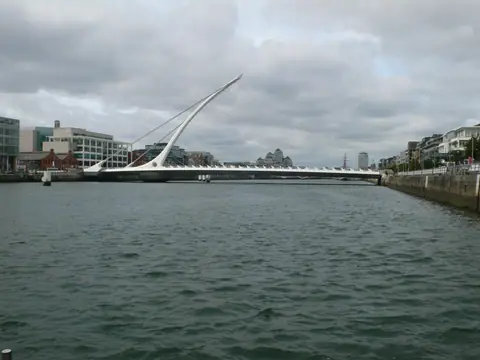
3 Days in Dublin: Medieval Core, Kilmainham, Georgian Museums and Howth Peninsula
Dublin, Ireland
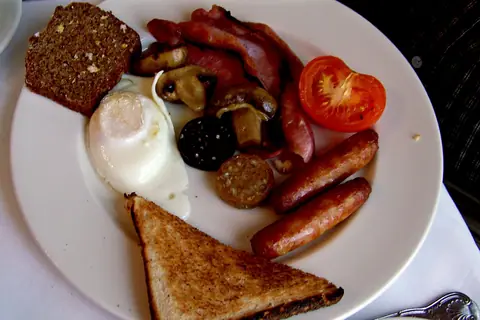
What to Eat in Dublin: Irish Stew, Guinness Beef Stew, Boxty, Soda Bread and Full Irish
Dublin, Ireland
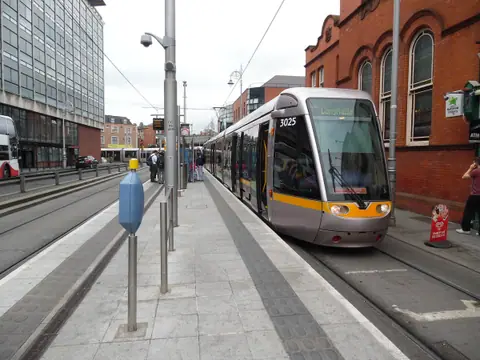
Getting Around Dublin: DART Coastal Trains, Luas Trams, Buses and TFI Leap Card
Dublin, Ireland
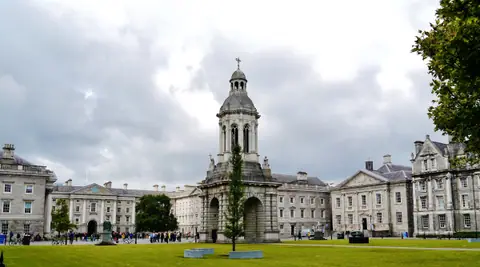
Trinity College Dublin and the Book of Kells: Old Library Long Room and Campus Squares
Dublin, Ireland
