


























Dublin: River Liffey Layout, Postcodes, Leap Transit and First-Time Planning
How Dublin divides across the River Liffey between the canals, plus Eircode postcodes, passport rules, currency, and advance booking essentials.
Dublin (in Irish, Baile Átha Cliath, meaning the town of the hurdled ford, paired with the Norse-Gaelic name Dubh Linn, meaning black pool) is the capital and largest city of Ireland, set at the mouth of the River Liffey on the east coast of the island. Although the Greater Dublin Area is home to over 1.4 million residents, the historic core inside the eighteenth-century ring of the Royal Canal and Grand Canal measures barely four kilometres across, making it one of the easiest capitals in Europe to explore on foot.
How the River Liffey divides the city
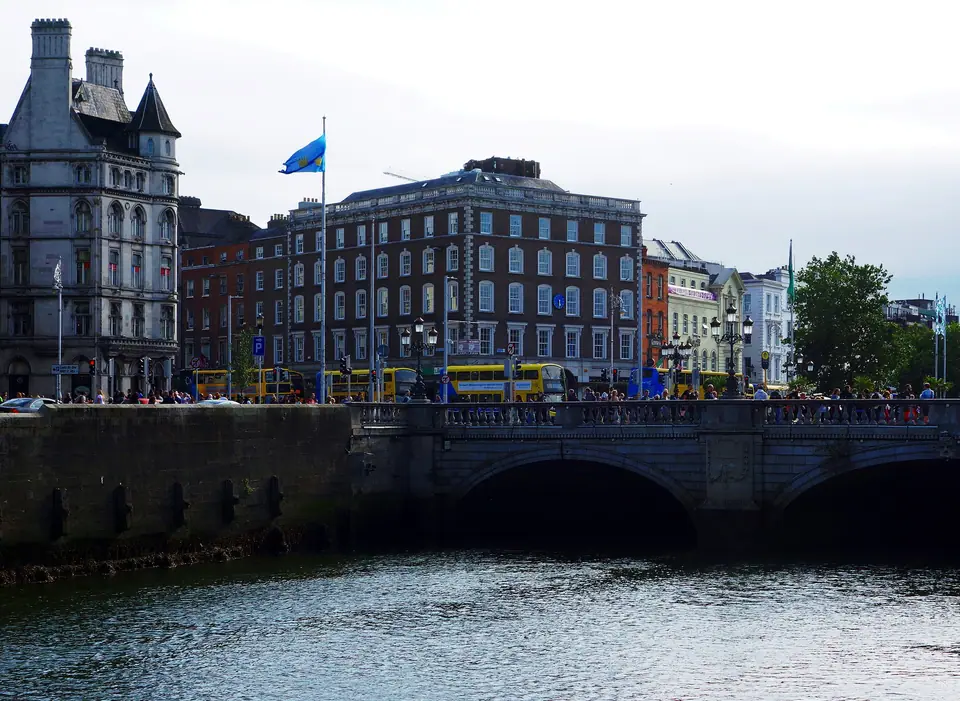
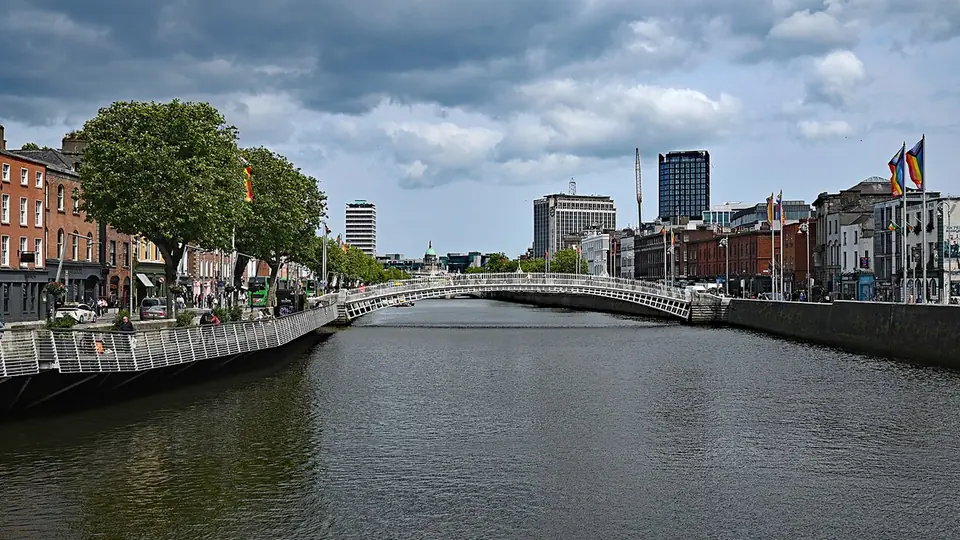
The River Liffey flows straight from west to east through the middle of Dublin before emptying into Dublin Bay between the Great South Wall and North Bull Island. Locals orient everything by the river: the Northside uses odd-numbered postal routing keys (D01, D03, D07, D09) while the Southside uses even-numbered routing keys (D02, D04, D06, D08). O'Connell Bridge links O'Connell Street and the 1818 General Post Office (GPO) on the Northside to Westmoreland Street, D'Olier Street, and College Green on the Southside, where the gates of Trinity College Dublin stand directly opposite the curving colonnade of the former Irish Houses of Parliament.
Understanding Dublin's historic quarters
Four central quarters hold the majority of visitor sights:
- Medieval and Viking Core (D02 and D08): Perched on the ridge above the former confluence of the Liffey and the underground River Poddle, centred on Dublin Castle, Christ Church Cathedral, and St Patrick's Cathedral.
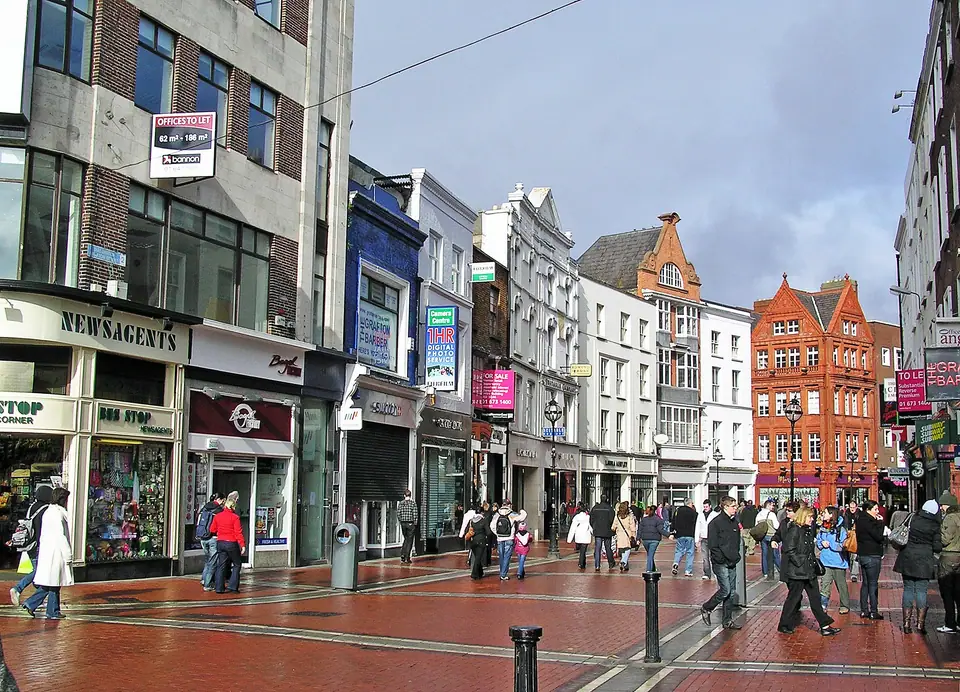
- Georgian Southside (D02): Stretching south and east of Grafton Street around St Stephen's Green, Kildare Street, and Merrion Square, where Ireland's free national museums and gallery cluster around Leinster House.
- The Liberties and Kilmainham (D08): West of Christ Church along Thomas Street and James's Street, home to the Guinness Storehouse, historic whiskey distilleries, the Royal Hospital Kilmainham, and Kilmainham Gaol.
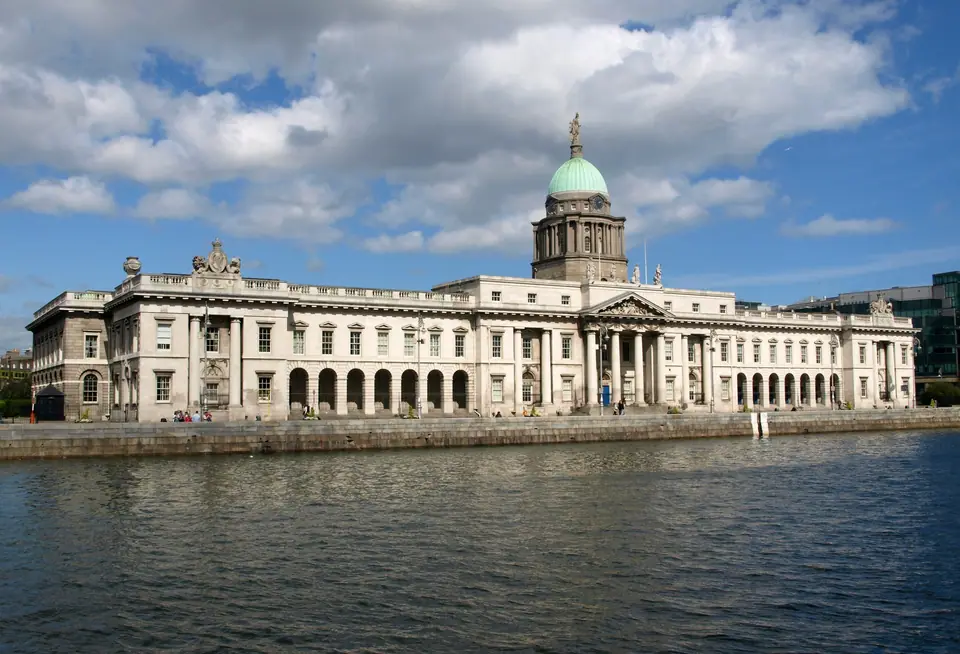
- Northside Georgiana and Phoenix Park (D01 and D07): Running from James Gandon's Custom House (1791) and the Four Courts (1802) along the north quays through Smithfield to the 707-hectare walled grounds of Phoenix Park.
Passports, currency, plugs and advance tickets
The Republic of Ireland is a member of the European Union and uses the Euro (EUR), though it is not part of the Schengen Area. Instead, Ireland belongs to the Common Travel Area with the United Kingdom; all visitors arriving by air at Dublin Airport pass through Irish immigration control and must carry a valid passport (or a national identity card for EEA and Swiss citizens). Bear in mind that if your itinerary continues north across the land border into Belfast or Derry in Northern Ireland, the currency switches from Euro to Pounds Sterling (GBP) and road signs change from kilometres per hour to miles per hour.
Tipping, bilingual signage and booking ahead
Ireland uses British-style Type G three-pin electrical sockets at 230 volts. Contactless card payments are accepted at almost every retail counter, pub, restaurant, and taxi, though public buses require either a TFI Leap Card or exact coins. All street signs, railway station boards, and destination displays on buses and trams appear in both Irish (Gaelic) and English. In sit-down restaurants, leaving a 10 to 12.5 percent tip for attentive table service is customary unless a service charge is already listed on the bill, whereas tipping is not expected when ordering drinks at a pub bar counter.
Two tickets require strict advance planning before you fly: guided tours of Kilmainham Gaol release online exactly 28 days ahead at midnight Irish time and sell out within minutes, while timed entry to the Book of Kells Experience and the Guinness Storehouse should be reserved online several days in advance.
Traveller tips
Real advice from people who have been to Dublin: River Liffey Layout, Postcodes, Leap Transit and First-Time Planning. Every tip is read by our team before it goes live.
No tips yet. Been here? Yours could be the first.
Thank you! Your tip will appear here after a quick review.
More in Dublin
Continue exploring Dublin with related neighbourhood, food, and planning guides
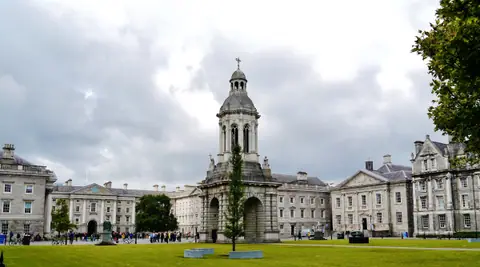
Trinity College Dublin and the Book of Kells: Old Library Long Room and Campus Squares
Dublin, Ireland
Guinness Storehouse and The Liberties: St James's Gate, Gravity Bar and Distilleries
Dublin, Ireland
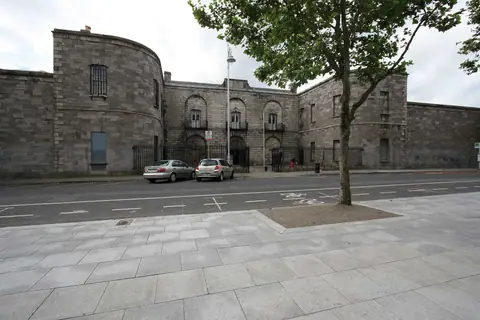
Kilmainham Gaol and Phoenix Park: 1916 Rising History, IMMA and Fallow Deer Herds
Dublin, Ireland
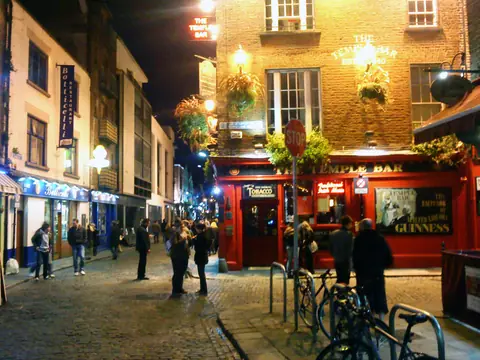
Temple Bar and the River Liffey Bridges: Ha'penny Bridge, Cultural Quarter and Quays
Dublin, Ireland
