


























Howth Cliff Walk and Dún Laoghaire Day Trip: DART Coastal Villages and Pier Walks
How to take the DART coastal train from central Dublin to the Howth Cliff Path Loop, Baily Lighthouse, Dún Laoghaire East Pier, and Dalkey.
One of Dublin's greatest advantages is its immediate access to the Irish Sea. Recognized in 2015 as the UNESCO Dublin Bay Biosphere Reserve, the horseshoe bay stretches from the rocky peninsula of Howth Head in the north to the granite headlands of Dún Laoghaire, Sandycove, and Dalkey in the south. Because the electrified DART train traces the entire shoreline from Connolly, Tara Street, and Pearse stations in under thirty minutes, you can hike dramatic sea cliffs or walk Victorian harbour walls without renting a car or booking a tour bus.
Howth Harbour, Ireland's Eye and the West Pier
Board a northbound DART train marked "Howth" (check the destination board carefully at Connolly or Pearse, as alternating trains split at Howth Junction and Donaghmede toward Malahide) and ride twenty-eight minutes to the terminus right beside Howth Harbour. Built between 1807 and 1813 by Scottish engineer John Rennie as the original packet-boat port for mail steamers from Holyhead before the harbour silted up, Howth remains one of Ireland's busiest fishing ports.
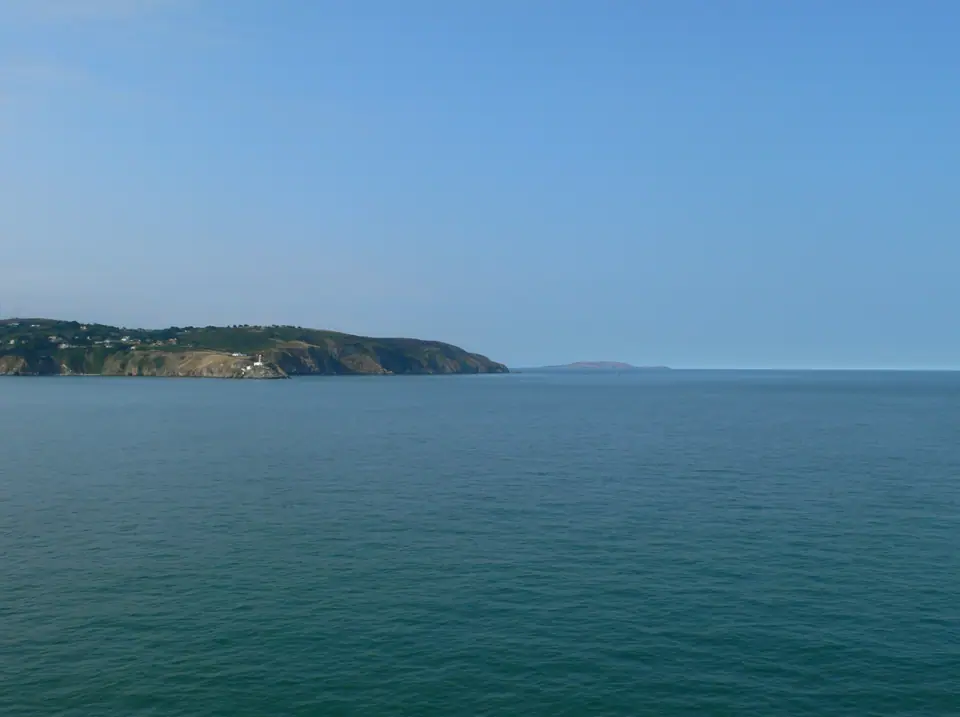
Stroll along the West Pier past the fishmongers and seafood restaurants, where wild harbour seals regularly swim beside the trawlers, and walk out along the granite East Pier to the 1817 stone lighthouse for an unobstructed view across the sound to Ireland's Eye (Inis Mac Neasáin). Just 1.5 kilometres offshore, this uninhabited island sanctuary holds an eighth-century ruined stone church, an 1804 Napoleonic Martello tower, and summer breeding colonies of puffins, guillemots, razorbills, kittiwakes, and gannets; local boat operators run seasonal landings and island circuits from the West Pier in calm weather.
Choosing your route on the Howth Cliff Path Loop
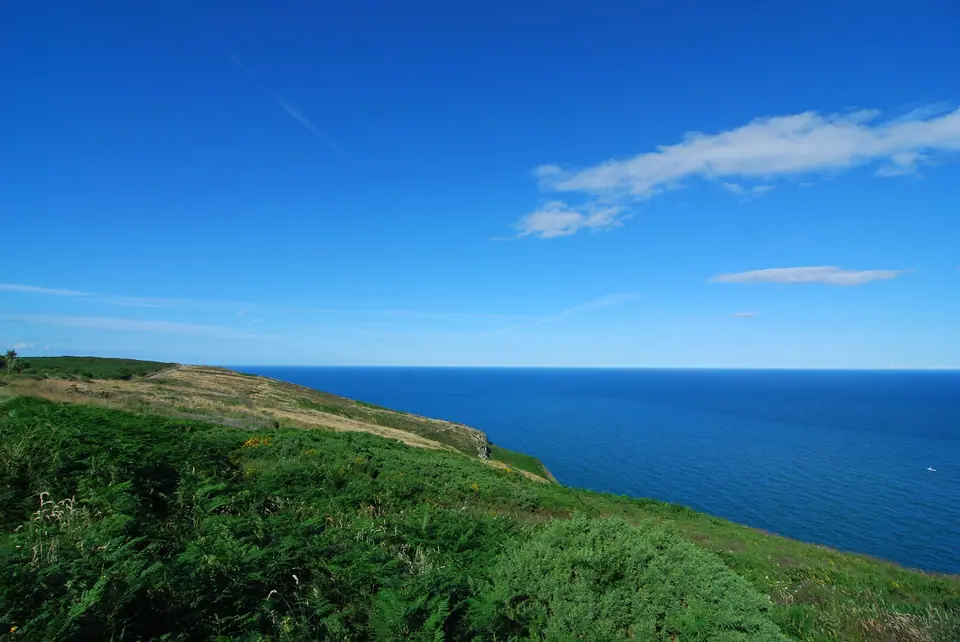
From the end of Harbour Road beside the DART station, follow Balscadden Road uphill past Balscadden Bay to reach the trailhead of the Howth Cliff Path Loop. Four colour-coded waymarked loops shared along the eastern sea cliffs let you tailor the distance to your schedule and weather:
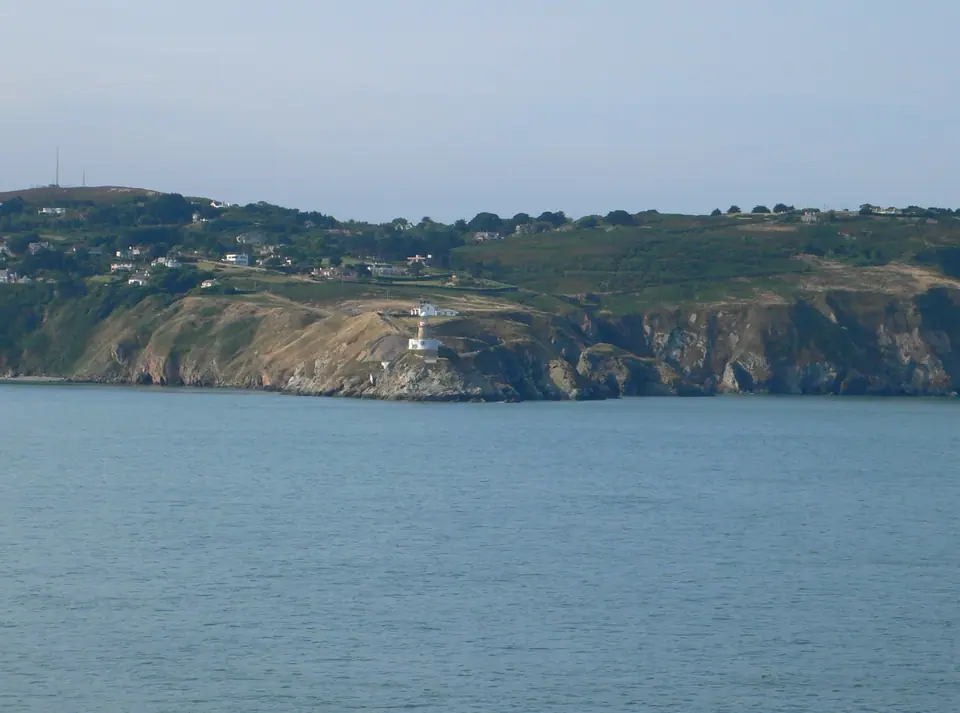
- Green Route (Howth Cliff Path Loop, 6 km, roughly 1.5 to 2 hours): The classic route for most visitors. It climbs above the Nose of Howth along the cliff edge with sweeping views south across Dublin Bay toward the red-and-white Poolbeg chimneys, Dún Laoghaire, and the Wicklow Mountains before turning inland above the Baily Lighthouse (established on a prehistoric promontory fort site in 1814 and automated in 1997 as Ireland's last manned lighthouse) and returning along quiet lanes to Howth village.
- Blue Route (Tramline Loop, 7 km, roughly 2 hours): Extends the Green loop further up toward the Summit car park before returning along the gentle gradient of the former Great Northern Railway open-top electric hill tramway (which operated between 1901 and 1959).
- Red Route (Bog of the Frogs Loop, 12 km, roughly 3 to 3.5 hours): Continues past the Baily Lighthouse and Red Rock beach before climbing inland across heathland and returning past the prehistoric Neolithic portal tomb of Aideen's Grave in the grounds of Howth Castle.
Alternatively, Dublin Bus Route H3 runs directly from Lower Abbey Street in the city centre up through Howth village to the Howth Summit bus stop, allowing walkers who prefer a downhill route to start near Baily Lighthouse and walk back down along the cliffs to the harbour for a plate of seafood chowder and brown soda bread.
Southbound DART: Dún Laoghaire East Pier, Sandycove and Dalkey
If winds are strong on the northern cliffs or you want a second coastal outing, board a southbound DART train from Pearse Station toward Bray or Greystones:
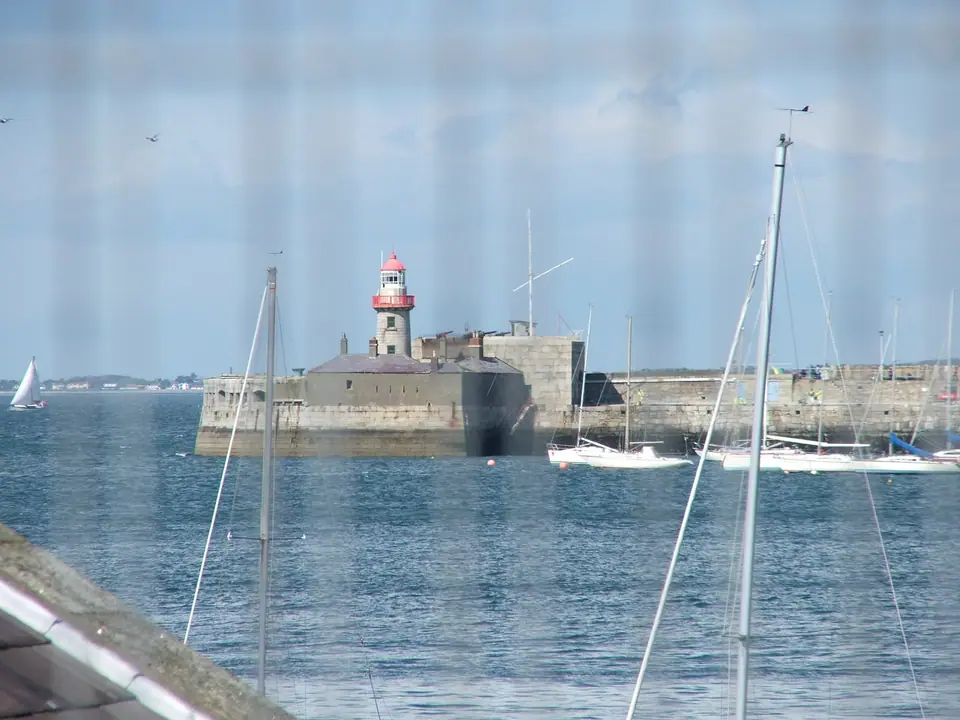
- Dún Laoghaire (22 minutes from Pearse): Built from Dalkey granite between 1817 and 1842 to replace Howth as the mail-packet harbour, Dún Laoghaire is famous for its 1.3-kilometre East Pier walk out to the red-domed lighthouse and Victorian bandstand, bordered by the striking modern dlrcoco LexIcon library and the National Maritime Museum of Ireland inside the 1837 Mariners' Church.
- Sandycove and Glasthule (25 minutes from Pearse): Walk ten minutes along the seafront from the station to the James Joyce Tower and Museum (housed in an 1804 Martello tower where Joyce stayed for six nights in September 1904 with Oliver St John Gogarty) and the adjacent Forty Foot granite bathing promontory.
- Dalkey (28 minutes from Pearse): A hillside village with medieval tower houses (Dalkey Castle and Heritage Centre), quiet pubs on Castle Street, and the scenic walk up Killiney Hill for views over the curving beach of Killiney Bay.
Traveller tips
Real advice from people who have been to Howth Cliff Walk and Dún Laoghaire Day Trip: DART Coastal Villages and Pier Walks. Every tip is read by our team before it goes live.
No tips yet. Been here? Yours could be the first.
Thank you! Your tip will appear here after a quick review.
More in Dublin
Continue exploring Dublin with related neighbourhood, food, and planning guides
3 Days in Dublin: Medieval Core, Kilmainham, Georgian Museums and Howth Peninsula
Dublin, Ireland
What to Eat in Dublin: Irish Stew, Guinness Beef Stew, Boxty, Soda Bread and Full Irish
Dublin, Ireland

Getting Around Dublin: DART Coastal Trains, Luas Trams, Buses and TFI Leap Card
Dublin, Ireland

Trinity College Dublin and the Book of Kells: Old Library Long Room and Campus Squares
Dublin, Ireland
