


























Things to Do in Dublin: Libraries, Historic Gaols, Georgian Squares and Coastal Trails
How to prioritise Dublin's illuminated manuscripts, state museums, 1916 Rising landmarks, literary walks, and Dublin Bay coastal excursions.
Dublin rewards visitors who balance its indoor literary and historical collections with long walks along its Georgian squares, canal towpaths, and Irish Sea headlands. Because the city's national museums and gallery offer free permanent admission while its historic gaol, cathedral naves, and college library require timed tickets, grouping your days by neighbourhood prevents backtracking across the River Liffey.
Manuscripts, cathedrals and the medieval ridge
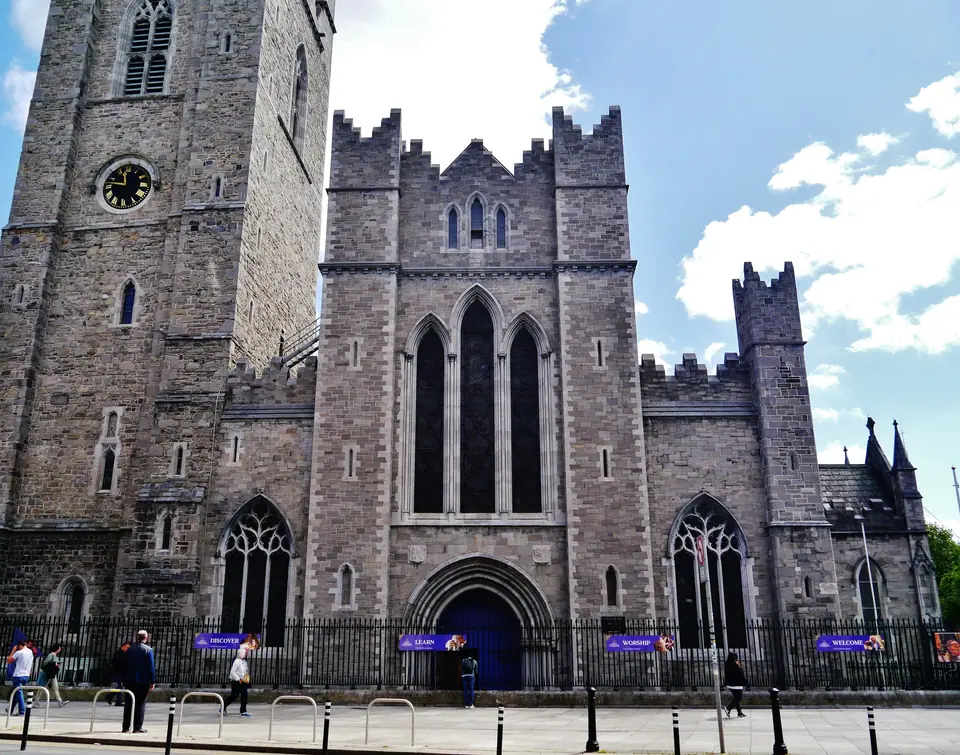
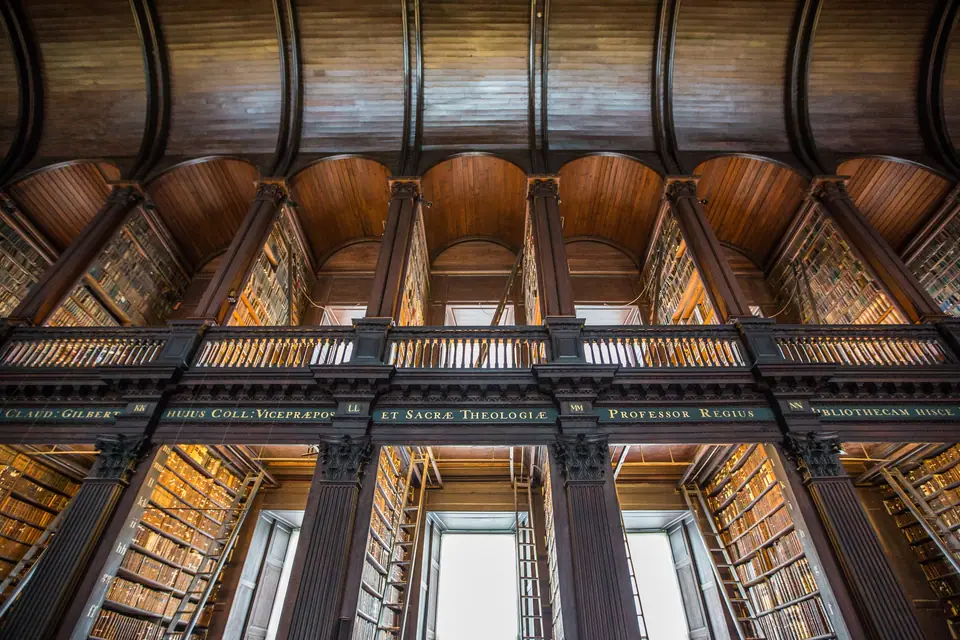
Start in the collegiate and medieval core on the south bank. Inside Trinity College Dublin, the eighteenth-century Old Library houses the ninth-century Book of Kells alongside the 65-metre barrel-vaulted Long Room and the medieval Brian Boru harp. Ten minutes west along Dame Street, Dublin Castle stands above Viking earthworks and the subterranean Powder Tower, sharing its garden terrace with the Chester Beatty Museum, whose collection of Islamic, East Asian, and biblical manuscripts is free to enter. Continue along Lord Edward Street to Christ Church Cathedral, founded around 1030 with its twelfth-century stone crypt, and walk five minutes south to St Patrick's Cathedral, built between 1220 and 1260, where Jonathan Swift served as dean and rests beneath the nave.
Free national museums around Kildare Street and Merrion Square
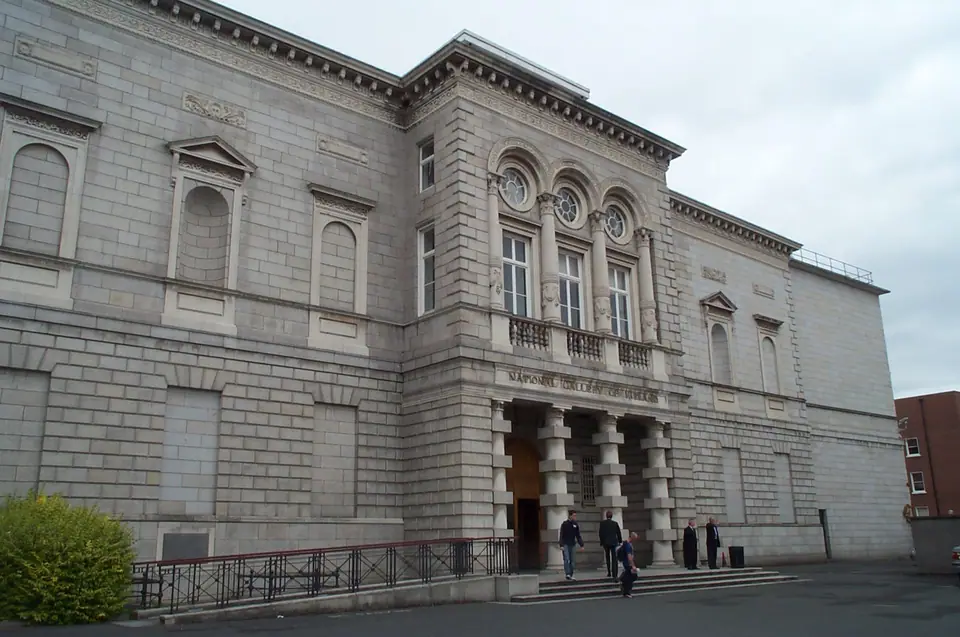
Unlike many European capitals, Ireland's state museums charge no admission fee for their permanent collections. On Kildare Street, the National Museum of Ireland Archaeology displays Bronze Age gold lunulae and collars alongside the eighth-century Ardagh Chalice, the Tara Brooch, and Iron Age bog bodies. Across the Leinster House complex on Merrion Square West, the National Gallery of Ireland exhibits works by Caravaggio (including The Taking of Christ), Vermeer, and Jack B. Yeats. Directly next door stands the Natural History Museum, established in 1857 and affectionately known to Dubliners as the Dead Zoo, while the National Library of Ireland on Kildare Street hosts an exhibition dedicated to poet William Butler Yeats. Across the river near Heuston Station, a second branch of the National Museum at Collins Barracks (Decorative Arts and History) explores Irish silver, furniture, and military history inside a 1702 barracks designed by Thomas Burgh.
1916 Rising history, brewing heritage and Phoenix Park
West of the medieval core, The Liberties and Kilmainham trace Ireland's industrial and political transformation. At St James's Gate, where Arthur Guinness signed a 9,000-year lease on 31 December 1759, the Guinness Storehouse explains the brewing of dry stout before opening onto the seventh-floor Gravity Bar. Further west, Kilmainham Gaol preserves the limestone cells and Stonebreakers' Yard where leaders of the 1916 Easter Rising were held and executed. Pair the gaol with the seventeenth-century Royal Hospital Kilmainham (home to the Irish Museum of Modern Art) and a walk across the Liffey into the 707-hectare grounds of Phoenix Park, where a wild herd of fallow deer grazes near the 62-metre Wellington Testimonial.
Literary museums and northside cultural landmarks
On the southside of St Stephen's Green at Newman House, the Museum of Literature Ireland (MoLI) celebrates Irish storytelling from James Joyce's first copy of Ulysses to contemporary writers. North of the Liffey on O'Connell Street, the GPO Witness History exhibition inside the 1818 General Post Office recounts the Easter Week battle of 1916, while Parnell Square at the top of the boulevard houses the Hugh Lane Gallery (featuring Francis Bacon's reconstructed London studio) and the Garden of Remembrance.
Dublin Bay cliffs, piers and sea swimming
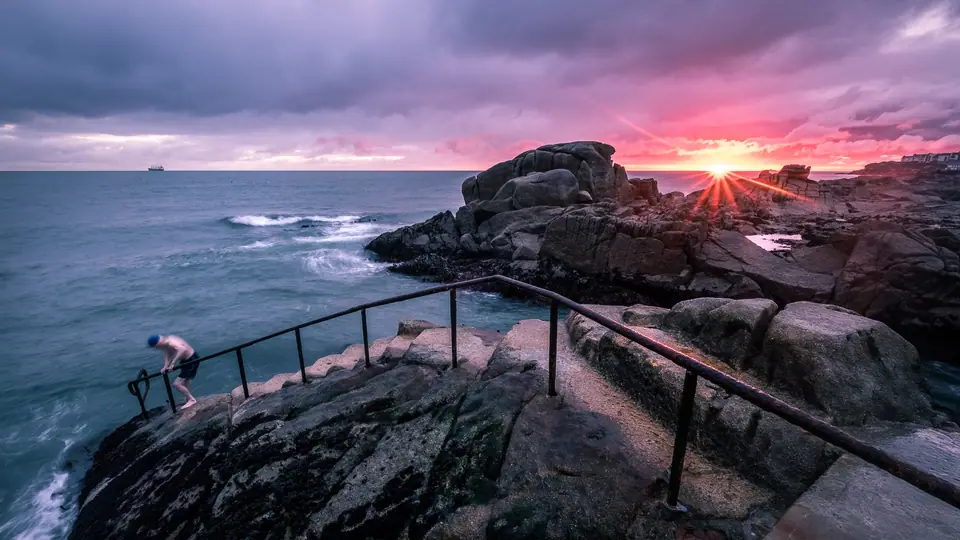
Never leave Dublin without riding the DART coastal train out to the bay. Northbound trains reach the fishing port of Howth for the Howth Cliff Path Loop past Baily Lighthouse. Southbound trains run to Dún Laoghaire's granite East Pier and Sandycove, where year-round swimmers plunge into the Irish Sea at the Forty Foot beneath the James Joyce Tower and Museum, the Napoleonic Martello tower featured in the opening chapter of Ulysses.
Traveller tips
Real advice from people who have been to Things to Do in Dublin: Libraries, Historic Gaols, Georgian Squares and Coastal Trails. Every tip is read by our team before it goes live.
No tips yet. Been here? Yours could be the first.
Thank you! Your tip will appear here after a quick review.
More in Dublin
Continue exploring Dublin with related neighbourhood, food, and planning guides
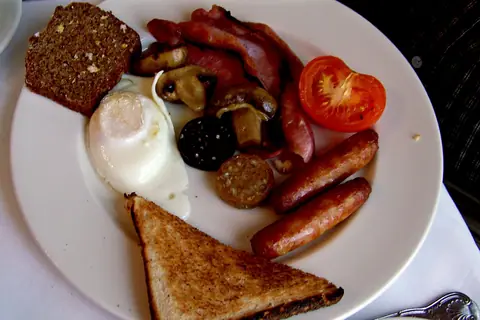
What to Eat in Dublin: Irish Stew, Guinness Beef Stew, Boxty, Soda Bread and Full Irish
Dublin, Ireland

Getting Around Dublin: DART Coastal Trains, Luas Trams, Buses and TFI Leap Card
Dublin, Ireland
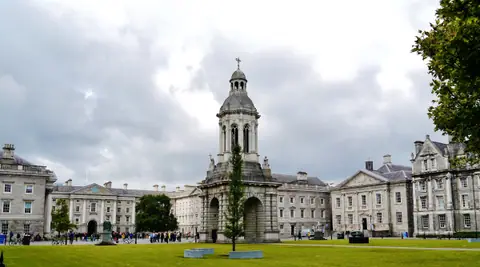
Trinity College Dublin and the Book of Kells: Old Library Long Room and Campus Squares
Dublin, Ireland
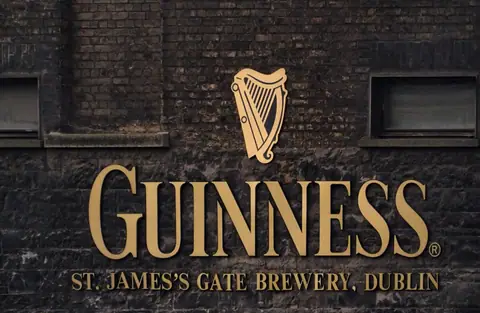
Guinness Storehouse and The Liberties: St James's Gate, Gravity Bar and Distilleries
Dublin, Ireland
