


























What to Eat in Dublin: Irish Stew, Guinness Beef Stew, Boxty, Soda Bread and Full Irish
Five classic Irish dishes to try in Dublin, each explained with its ingredients, culinary history, and where it fits into a day of sightseeing.
Dublin's food culture reflects both Ireland's limestone pastures and the maritime trade of Dublin Bay. For centuries, rural Irish cooking relied on cast-iron bastible pots suspended over turf fires, slow-braised sheep and cattle raised on rain-fed grass, salted dairy butter, buttermilk, oats, and potatoes. Meanwhile, the capital's working-class tenements and taverns developed their own slow-simmered comfort dish known as Dublin coddle: thick pork sausages, back-bacon rashers, sliced onions, and potatoes layered in a lidded pot and braised gently in broth without browning, a dish long associated with Dublin writers Jonathan Swift and Seán O'Casey. Today, historic Victorian pubs around St Stephen's Green, neighbourhood bistros in Stoneybatter and Camden Street, and harbour kitchens in Howth and Dún Laoghaire serve these foundational recipes using traceable county produce.
Irish Stew (Stobhach Gaelach)
Recognised as Ireland's national dish since at least the early nineteenth century, traditional Irish stew (Stobhach Gaelach) was originally cooked in a single pot over an open hearth using mutton or hogget neck chops, floury potatoes, onions, water, and parsley, thickened naturally as the starch from the potatoes dissolved into the simmering liquid. In contemporary Dublin pubs and dining rooms, chefs typically use tender Wicklow or Connemara hill lamb, sweet carrots, pearl barley, and fresh thyme, serving the rich, clear broth in deep earthenware bowls alongside warm crusty bread after a damp walk through medieval Dublin.
Beef and Guinness Stew
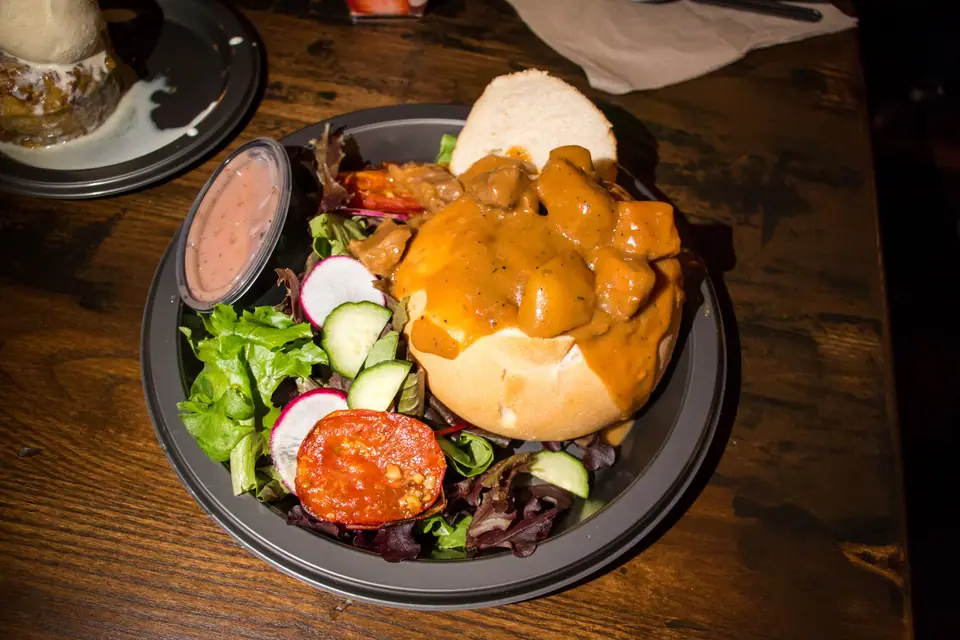
While classic pastoral Irish stew uses clear lamb or mutton stock, Dublin's brewing heritage around St James's Gate and The Liberties inspired the darker, malty variation known across the capital as Beef and Guinness Stew. Cubes of Irish shin or chuck beef are seared with smoked bacon lardons, garlic, celery, and carrots, then braised slowly for several hours in dry stout brewed with roasted barley. The roasted malt gives the gravy a deep mahogany colour and a subtle bitter-sweet finish that balances the sweetness of root vegetables and mashed potatoes or a hollowed-out crusty bread bowl.
Irish Boxty (Bacstaí)
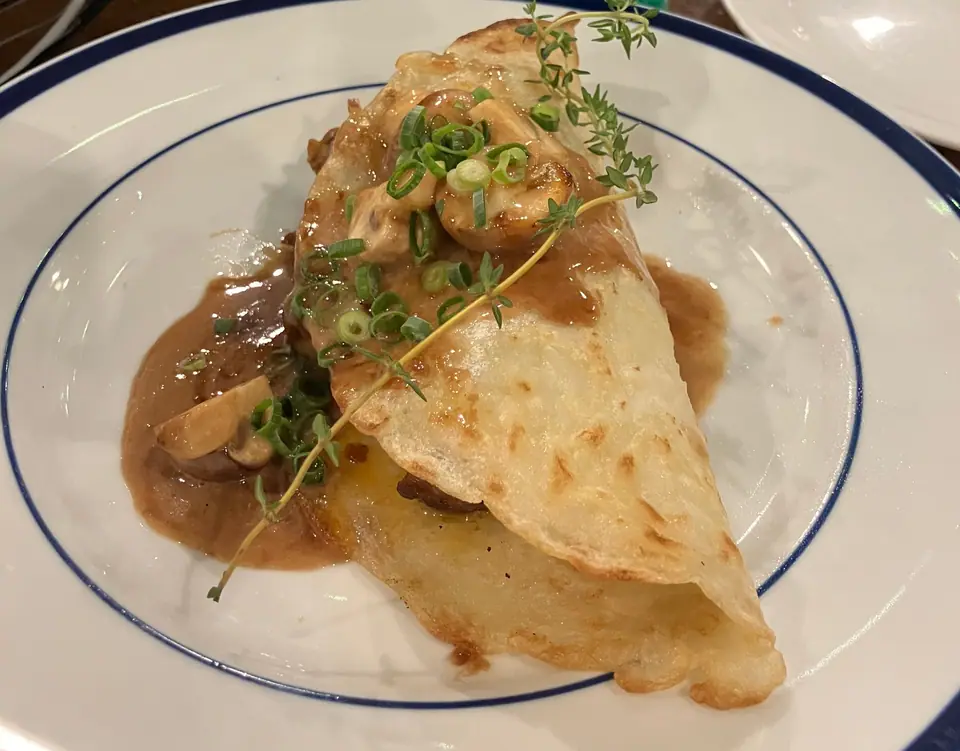
Originating in the northern midlands and western counties of Leitrim, Cavan, Donegal, Sligo, and Mayo, boxty (from the Irish arán bocht tí, meaning poor-house bread, and celebrated in the traditional folk rhyme "Boxty on the griddle, boxty in the pan") transforms two textures of potato into a single dish. Finely grated raw potato is squeezed in a cloth to release its starch, then combined with smooth mashed potato, flour, buttermilk, and salt before being griddled on a hot cast-iron pan into thin, crisp-edged potato pancakes or boiled as smooth dumplings and sliced before frying. In Dublin, folded pan boxty is served stacked with salted butter or filled with smoked salmon, mushrooms, or slow-cooked beef near Temple Bar and Grafton Street.
Brown Irish Soda Bread
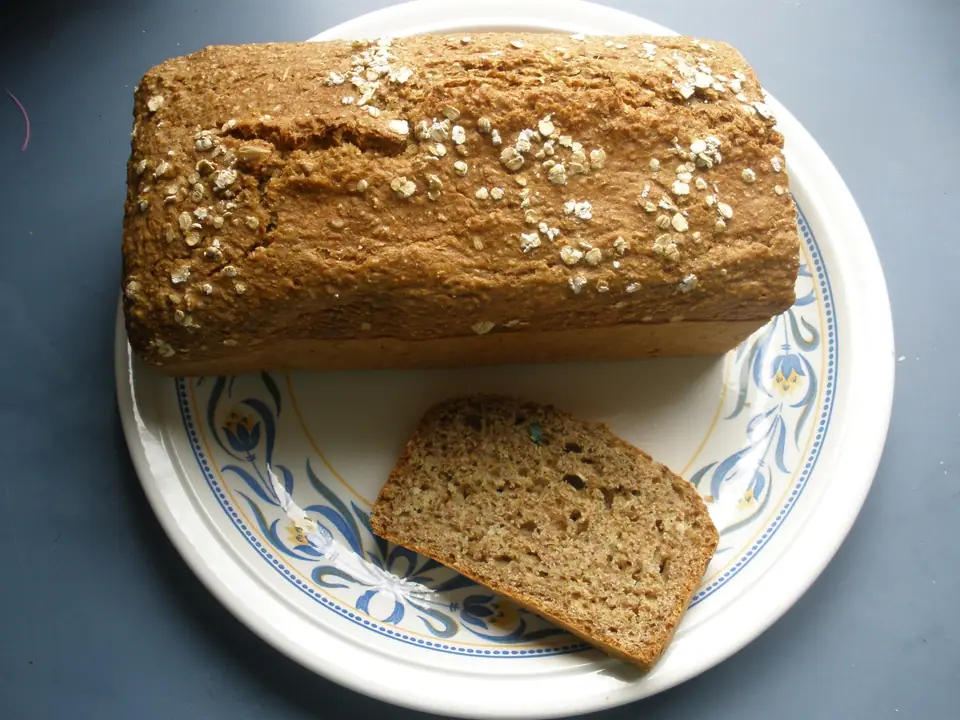
After sodium bicarbonate was introduced to Ireland in the 1830s and 1840s, soda bread (arán sóide) became the daily staple of Irish home baking because the chemical reaction between alkaline bread soda and lactic acid in soured milk or buttermilk produced an instant rise without yeast, baking reliably in a lidded iron bastible pot over turf embers. Every traditional Dublin meal, from a bowl of Dublin Bay seafood chowder in Howth to a lunch soup near Trinity College, arrives with thick slices of coarse wholemeal brown soda bread and golden salted Irish creamery butter, with a deep cross scored across the top crust so heat penetrates the dense dough evenly during baking and allows the finished loaf to divide cleanly into four quarters (farls).
Full Irish Breakfast
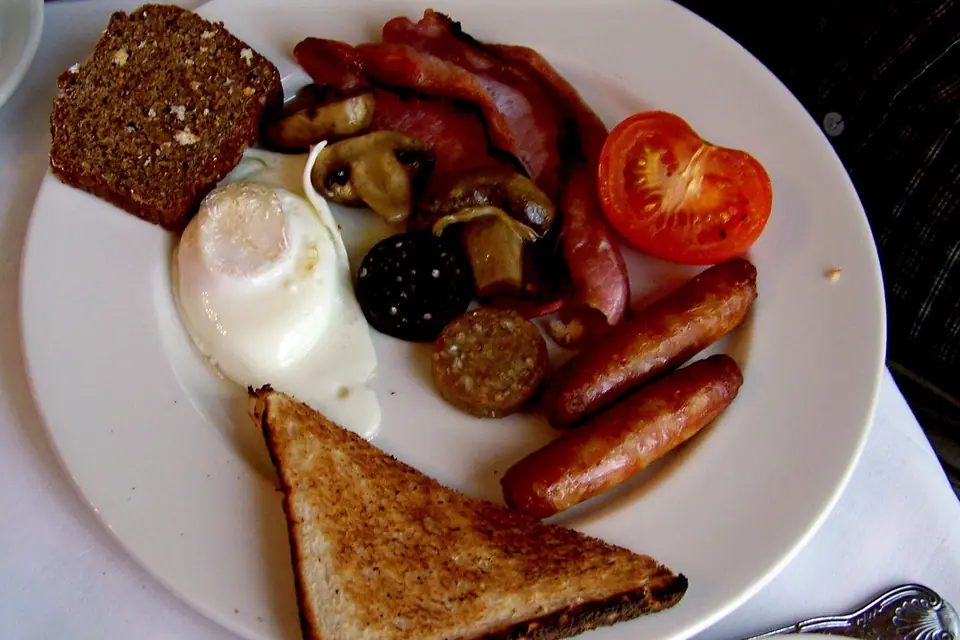
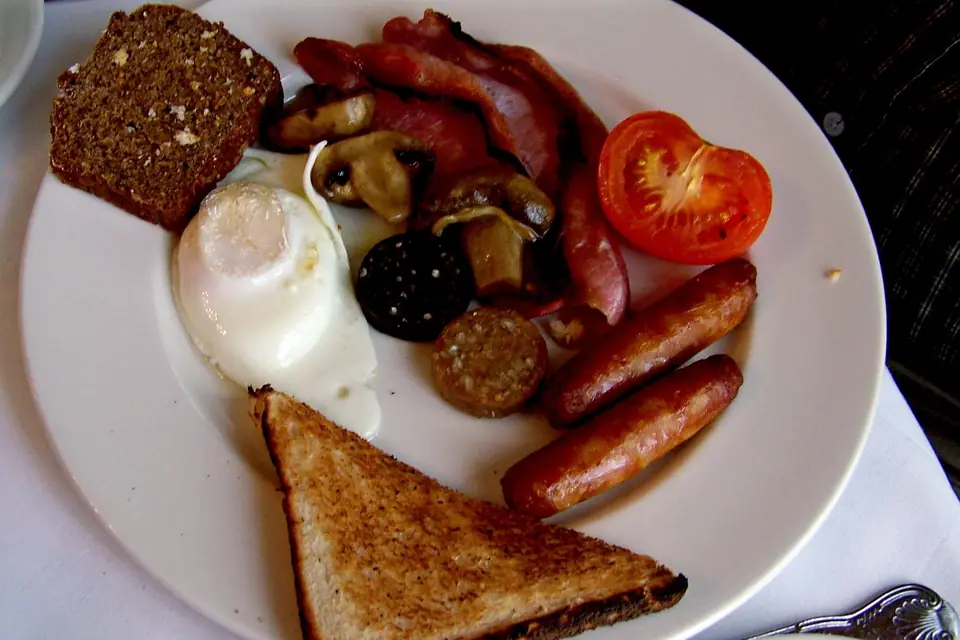
Served in Dublin hotels, guesthouses, and neighbourhood cafes from early morning until midday, the full Irish breakfast easily fuels a long hike around Phoenix Park or Howth Head. Alongside thick back-bacon rashers, butcher's pork sausages, fried or poached free-range eggs, grilled tomato, and button mushrooms, a traditional Irish breakfast plate includes crispy slices of spiced black pudding and oatmeal-and-pork white pudding, accompanied by buttered toast, brown soda bread, or triangular griddled potato farls and a pot of strong Irish breakfast tea.
Traveller tips
Real advice from people who have been to What to Eat in Dublin: Irish Stew, Guinness Beef Stew, Boxty, Soda Bread and Full Irish. Every tip is read by our team before it goes live.
No tips yet. Been here? Yours could be the first.
Thank you! Your tip will appear here after a quick review.
More in Dublin
Continue exploring Dublin with related neighbourhood, food, and planning guides
Best Time to Visit Dublin: Month-by-Month Weather, Daylight Hours and Festivals
Dublin, Ireland
Where to Stay in Dublin: St Stephen's Green, Merrion Square, Liberties and Smithfield
Dublin, Ireland
3 Days in Dublin: Medieval Core, Kilmainham, Georgian Museums and Howth Peninsula
Dublin, Ireland
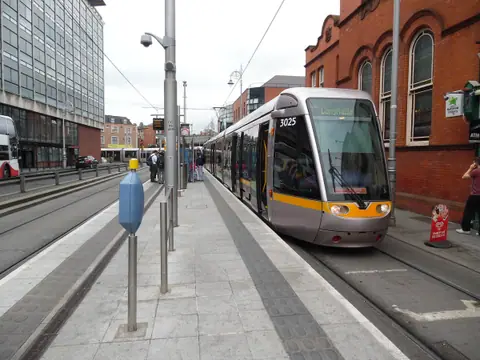
Getting Around Dublin: DART Coastal Trains, Luas Trams, Buses and TFI Leap Card
Dublin, Ireland
