


























Kilmainham Gaol and Phoenix Park: 1916 Rising History, IMMA and Fallow Deer Herds
How to book and visit Kilmainham Gaol, explore the Royal Hospital Kilmainham (IMMA), and walk the 707-hectare walled grounds of Phoenix Park.
Three kilometres west of O'Connell Bridge, where the River Liffey enters Dublin between the limestone terraces of Inchicore and the woodlands of the northside, three of Ireland's most important historical and natural landmarks sit within a fifteen-minute walk of one another: Kilmainham Gaol, the Royal Hospital Kilmainham, and Phoenix Park. Grouping them into a single morning and early afternoon creates one of the most rewarding half-days in our 3-day Dublin itinerary.
Kilmainham Gaol: architecture and the 1916 Easter Rising
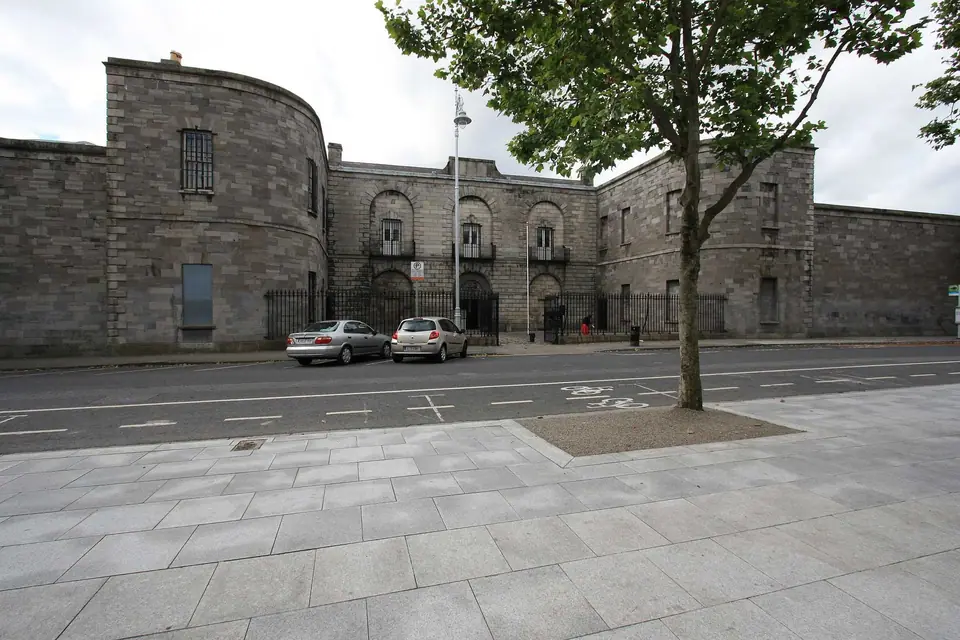
Opened in 1796 as the new County Gaol for Dublin (originally called the "New Gaol" to distinguish it from the medieval dungeons of Newgate), Kilmainham held ordinary men, women, and children convicted of petty theft alongside nearly every generation of Irish political prisoners over 128 years. Leaders of the 1798 United Irishmen Rebellion (Henry Joy McCracken), the 1803 rebellion (Robert Emmet), the 1848 Young Irelanders (William Smith O'Brien), the 1867 Fenian Rising, the Land War (Charles Stewart Parnell in 1881), the 1916 Easter Rising, the War of Independence, and the Irish Civil War were all imprisoned within its limestone walls before the gaol closed in 1924 after the release of its final prisoner, Éamon de Valera.
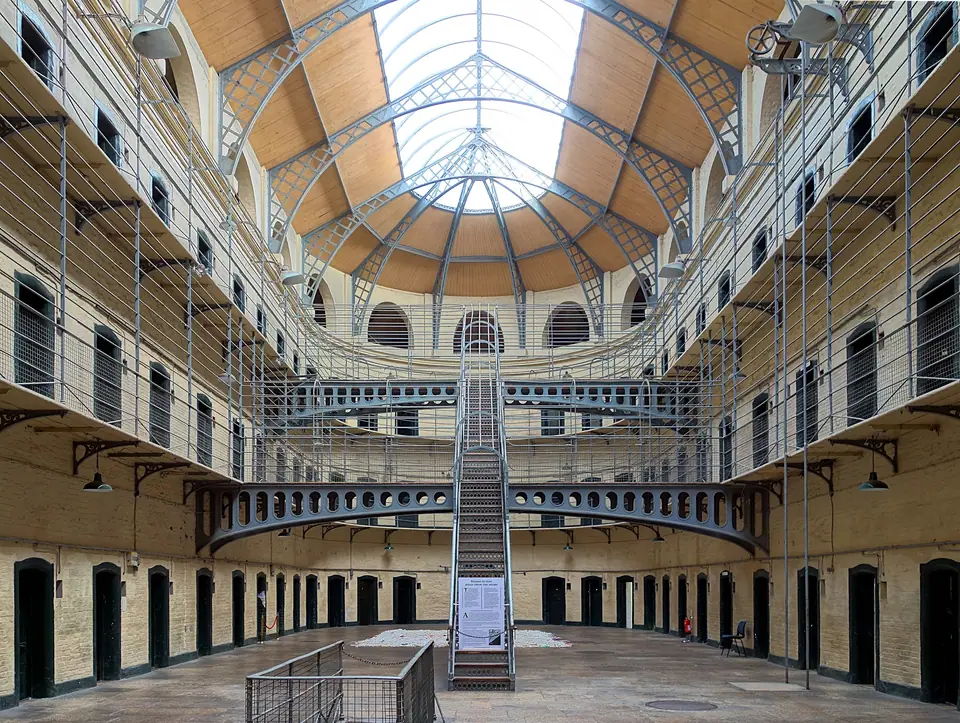
Access to Kilmainham Gaol is exclusively by 60-minute guided tour operated by the Office of Public Works (OPW / Heritage Ireland). The tour moves from the gaol chapel (where Joseph Plunkett married Grace Gifford hours before his execution on 4 May 1916) through the dark West Wing corridors into the Victorian East Wing (designed by architect John McCurdy following an 1857 competition, with ninety-six cells across three iron tiers visible from a central viewing area beneath a vast skylight), and finally out into the Stonebreakers' Yard, where fourteen leaders of the 1916 Easter Rising (including Patrick Pearse, James Connolly, and Tom Clarke) were executed by firing squad between 3 and 12 May 1916.
Crucial booking rule: Tickets are released on the official Kilmainham Gaol Museum website exactly 28 days in advance at midnight Irish time. If the 28-day window is sold out for your dates, check the official booking page again on the morning of your visit between nine and half past nine, when small batches of cancellation tickets are frequently released.
Royal Hospital Kilmainham (IMMA) and Collins Barracks
Immediately east of the gaol stands the Royal Hospital Kilmainham, founded in 1680 by James Butler, Duke of Ormonde, and designed by Surveyor-General Sir William Robinson as a retirement home for soldiers on the model of Les Invalides in Paris. Ireland's finest seventeenth-century classical building, built around a colonnaded central courtyard and a formal baroque garden, has housed the Irish Museum of Modern Art (IMMA) since 1991; entry to the grounds and permanent exhibitions is free. From the hospital's North Gate, a footpath leads down to Dublin Heuston Station and across the Liffey to the National Museum of Ireland Decorative Arts and History at Collins Barracks.
Phoenix Park: monuments, residences and wild fallow deer
Entering through Parkgate Street beside Heuston Station brings you into Phoenix Park (in Irish, Páirc an Fhionnuisce, from fionn uisce meaning clear water, referring to a spring near the Phoenix Monument). Enclosed by a 16-kilometre limestone wall and covering 707 hectares (1,752 acres), it is the largest enclosed public park in any European capital city, more than twice the size of New York's Central Park and nearly five times the area of London's Hyde Park.

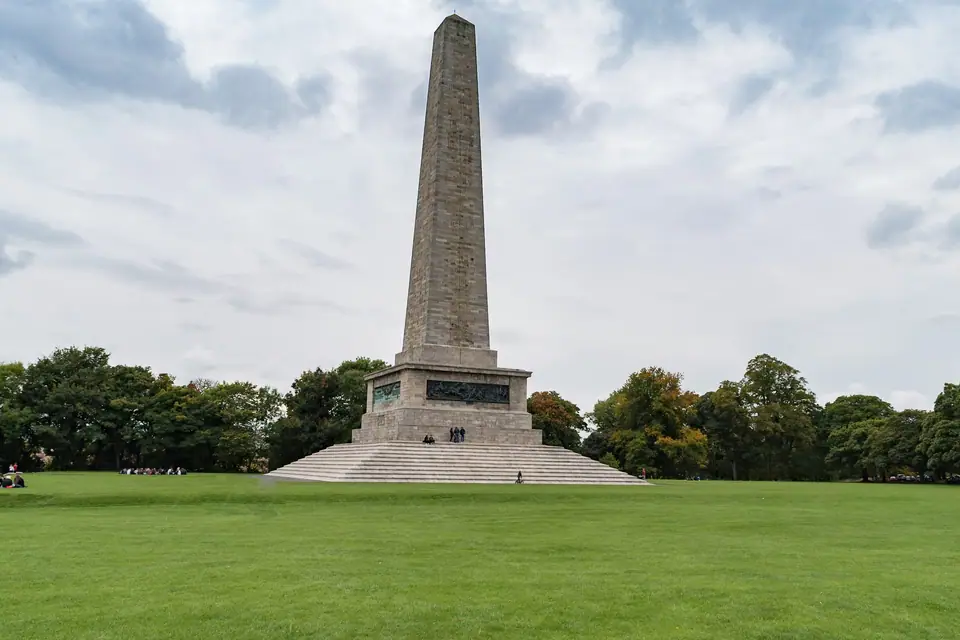
Established in 1662 by the Duke of Ormonde as a royal deer park for King Charles II, the park still supports a free-roaming herd of roughly 600 wild fallow deer, most often spotted grazing on the Fifteen Acres meadow west of the Papal Cross (keep at least 50 metres away and never feed the deer). Rent a bicycle from the kiosk just inside the Parkgate Street entrance to link the 62-metre granite Wellington Testimonial (completed in 1861, the tallest obelisk in Europe), the Victorian People's Flower Gardens, Dublin Zoo (opened in 1831), the seventeenth-century Ashtown Castle and Visitor Centre, and the viewing point along Chesterfield Avenue looking toward Áras an Uachtaráin, built in 1751 and now the official residence of the President of Ireland.
Traveller tips
Real advice from people who have been to Kilmainham Gaol and Phoenix Park: 1916 Rising History, IMMA and Fallow Deer Herds. Every tip is read by our team before it goes live.
No tips yet. Been here? Yours could be the first.
Thank you! Your tip will appear here after a quick review.
More in Dublin
Continue exploring Dublin with related neighbourhood, food, and planning guides
Dublin: River Liffey Layout, Postcodes, Leap Transit and First-Time Planning
Dublin, Ireland
Things to Do in Dublin: Libraries, Historic Gaols, Georgian Squares and Coastal Trails
Dublin, Ireland
How to Get to Dublin: Airport Buses, Holyhead Ferries and Intercity Rail Stations
Dublin, Ireland
Best Time to Visit Dublin: Month-by-Month Weather, Daylight Hours and Festivals
Dublin, Ireland
