Houston Historic District
The Historic District between Buffalo Bayou, Main Street and Preston Street is where Houston began in 1836, and a few old buildings still stand.
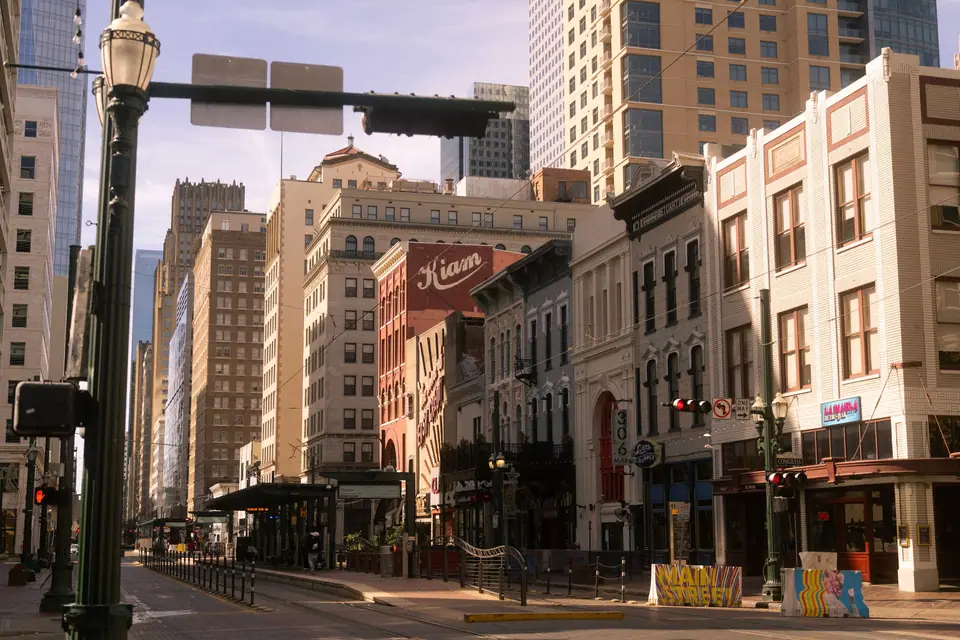
Houston is not a city that advertises its past, which is exactly why the Historic District rewards a slow morning. The compact grid between Buffalo Bayou, Main Street and Preston Street is where the city began in 1836, when two New York brothers named Augustus and John Allen sold lots to settlers on a muddy bend of the water. Today a handful of nineteenth-century buildings sit among glass towers, and we find the contrast more interesting than any single monument.
Allen's Landing and the founding story
Start at Allen's Landing, the little plaza on the bayou where the founders stepped ashore and where a ship channel later grew. Interpretive panels explain how steamboats once moved cotton here and why the port eventually moved east. From the landing we follow the bayou path toward Buffalo Bayou Park, a pleasant walk that links the founding site to the modern green corridor.
Sam Houston Park and the Heritage Society houses
On the edge of the district, Sam Houston Park holds a small collection of preserved buildings run by the Heritage Society, including the Kellum-Noble House, built in 1847, the oldest brick house in the city. Most visits are by guided tour, so read the booking arrangements ahead of time, as a walk-up visit can miss the slot. The frame houses, a little church and a pioneer cabin make a surprising village in the shadow of the towers, and children often enjoy the cabin more than the grand rooms.
Cotton, hotels and the commercial skyline
Houston grew rich on cotton, rail and then oil, and the architecture shows each phase. The Cotton Exchange Building from 1884 still stands in red brick and ironwork, and the Rice Hotel, which hosted presidents and oilmen, has found a new life as apartments. Look up at cornices and carved stone detail, then compare them with the plain concrete of later decades. The Julia Ideson Building, a Spanish Renaissance library from 1926, is a quiet architectural treat.
Tunnels, trams and the downtown underground
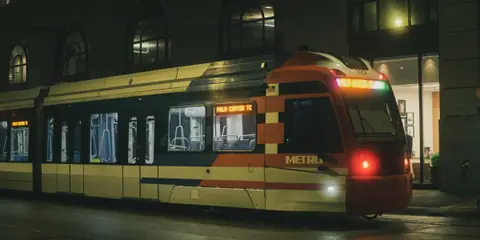
A network of pedestrian tunnels runs beneath the central blocks, linking office towers, restaurants and shops in air conditioning. We use them in summer when walking above ground feels like wading through warm soup. It is easy to emerge on the wrong block, so keep a map and remember that many tunnel shops close in the evening and at weekends. For above-ground navigation, METRORail trains run along Main Street and connect to the wider city.
Pairing the district with Main Street and the theatres
The historic blocks flow directly into Market Square Park and Main Street, where old warehouses now hold bars, restaurants and small music venues. A few blocks west, the Houston Theater District adds opera, ballet and symphony to an evening plan. If you only have limited time, our three days in Houston itinerary shows how to fit this district between a museum morning and a night in the theatre.
Murals cover many of the plain side walls, and brass plaques tell the stories of cotton barons, early mayors and long-vanished hotels. They give the district a layered feel, as if the city is quietly annotating itself. Houston public art and murals lists further stops if you want to build a walk around painted walls and sculpture.
Practical advice on timing and weather
The district is calmest on weekday mornings, when the offices are busy and the streets are quiet. In July and August, humidity is heavy, so we start early, carry water and pause in cafes or museum lobbies. After heavy rain, the bayou path can be closed, and low sections near the water can flood quickly. Wear comfortable shoes, because the plainest route into the district's story is simply to walk it, block by block, with your head up.
Traveller tips
Real advice from people who have been to Houston Historic District. Every tip is read by our team before it goes live.
No tips yet. Been here? Yours could be the first.
Thank you! Your tip will appear here after a quick review.
More in Houston
Continue exploring Houston with related neighbourhood, food, and planning guides