The Menil Collection and Rothko Chapel
The Menil Collection and Rothko Chapel form a calm art campus in Montrose, created by Dominique and John de Menil and open without an admission charge.
Few cities of Houston's size have a gallery as quietly confident as the Menil Collection, or a chapel as unusual as the one that stands a few minutes away. Both were created by Dominique and John de Menil, oil-wealthy patrons who moved to Houston from France and spent decades gathering art and building an unusual cultural campus in the leafy streets of Montrose. Admission to the museum and the chapel is free, which is rare for collections of this calibre.
A museum that feels like a neighbourhood
The main museum building, opened in 1987, was designed by Renzo Piano. It has a low profile of grey-painted wood, long steel and concrete lines, and clever roof louvres that filter Texas sun into the galleries. Around it sit small bungalows painted the same soft grey, lawns where visitors lie in the grass, and a handful of satellite buildings, so the whole area feels more like a village than a museum.
What hangs on the walls
The collection is wonderfully eclectic. Surrealist paintings by Magritte, Max Ernst and Yves Tanguy sit alongside Byzantine icons, ancient Mediterranean sculpture, and art from Oceania and Africa. The galleries are arranged with space to breathe, and the light is natural and soft. We find that an hour here feels as restorative as a walk in the park.
The Twombly and Flavin buildings
Two nearby buildings reward a stroll. The Cy Twombly Gallery, also designed by Renzo Piano, is a quiet space devoted to the work of that American painter. A little further along, a former grocery store known as Richmond Hall holds a permanent installation of fluorescent light by Dan Flavin, which glows with coloured light at the end of a residential street. Our tip is to see it later in the day, when the colours spill out of the windows.
The Menil Drawing Institute, a newer low building with a garden courtyard, is devoted to modern and contemporary drawing. Its pale walls and slim roofs fit the neighbourhood so well that they almost disappear, and we enjoy it even from the pavement.
Inside the Rothko Chapel
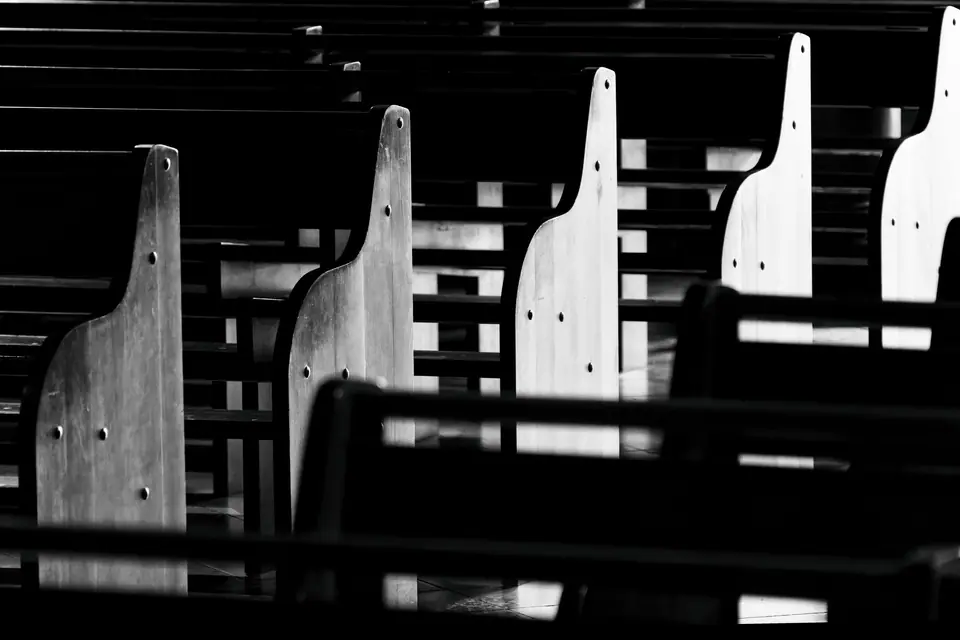
Founded in 1971, the Rothko Chapel is an octagonal brick building that holds fourteen dark, monumental canvases by Mark Rothko. There is no altar and no single creed. People of every faith and none sit quietly on benches, and the paintings seem to shift as your eyes adjust to the light. Outside, in a reflecting pool, stands Barnett Newman's steel sculpture Broken Obelisk, dedicated to Martin Luther King Jr.
We ask visitors to treat it as a place for stillness, with phones put away and voices lowered.
Reaching Montrose without a car
The campus is not on a rail line. We walk from central Montrose, take a rideshare from the Red Line stops, or drive and park on the museum's own lots and side streets. The route from the Museum District is short, so the two make an easy combined day alongside the Museum of Fine Arts.
Public art on the way
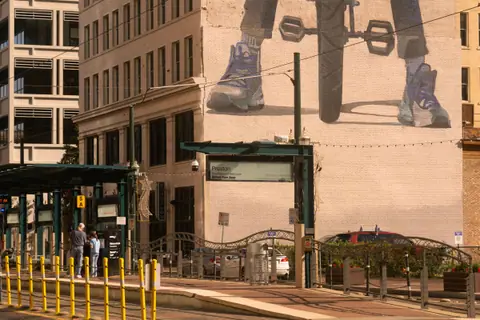
The district around the Menil is full of murals, house-sized sculptures and quiet gardens. If you enjoy outdoor art, our guide to Houston public art and murals lists more stops. In hot weather we keep to the shaded sidewalks and take frequent breaks in the air-conditioned galleries, which is easy because the buildings are small and unhurried. The Menil never rushes anyone: seats sit where you want to rest, guards speak softly, and there are no loud audio guides. We visit the museum first, walk to the Twombly and Flavin buildings, and finish at the chapel when our minds are quiet.
Traveller tips
Real advice from people who have been to The Menil Collection and Rothko Chapel. Every tip is read by our team before it goes live.
No tips yet. Been here? Yours could be the first.
Thank you! Your tip will appear here after a quick review.
More in Houston
Continue exploring Houston with related neighbourhood, food, and planning guides