Houston Zoo
The Houston Zoo opened in 1922 inside Hermann Park, and its shaded paths make the highlights easy to see in a single family morning.
The Houston Zoo opened in 1922 and sits inside Hermann Park, which makes it one of the easiest zoos in America to reach from the middle of a big city. The animals are grouped by region, the paths are wide and shaded by mature trees, and the whole site is compact enough that a family can see the highlights in a single morning. We treat it as a half-day with a long lunch break rather than a marathon.
Getting there on the Red Line
METRORail's Red Line stops at Hermann Park and Rice University, and from there the zoo is a pleasant walk through the park. We prefer rail to driving because zoo car parks fill on weekends and school holidays. See our guide to METRORail for how the line connects with the Museum District and downtown.
Giants of the Savanna
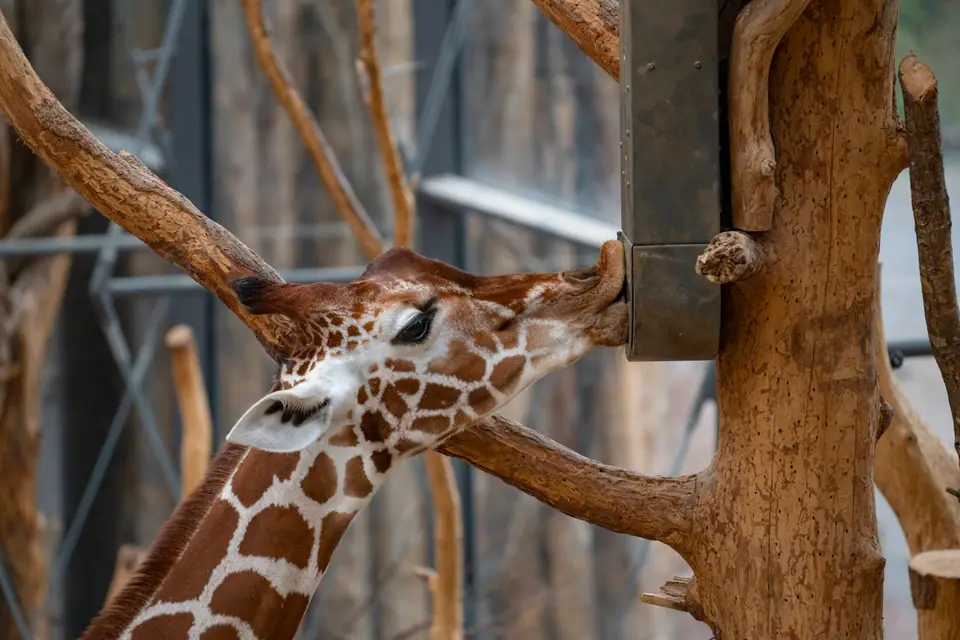
The African savanna area is the centrepiece, with elephants, giraffes, zebras and rhinoceroses in large open habitats. Visitors can watch the animals from several vantage points, and we enjoy the giraffe feeding station. We try to arrive early here, since the animals are often most active when the temperature is lower.
Primates, birds and reptiles
We usually head for this side of the zoo once the savanna has been seen. The Wortham World of Primates houses gorillas, orangutans and other apes in landscaped spaces. The Carruth Natural Encounters area holds birds and smaller animals, and the Reptile and Amphibian house is a cool indoor refuge, a relief when the sun is fierce. The Kipp Aquarium offers a calmer change of pace for younger visitors who need to sit down.
Tropical birds fly through a large walk-in aviary, and the animals in the smaller houses are often easier to see than the big mammals outdoors, because they live in cooled interiors and do not retreat from the sun.
Surviving the heat
Houston summers are long, humid and hot, so we visit in the morning, drink a lot of water, and take advantage of shade and the indoor houses. The best seasons are autumn and spring, though a sudden thunderstorm can arrive in any month and clear the paths. Bring a light rain jacket rather than an umbrella, and wear closed shoes that can handle wet pavement. Spring and autumn weekends are the busiest, so a weekday visit in those months is the sweetest combination of mild weather and thin crowds.
Seeing it with children
Strollers are common and the paths are flat, so the zoo suits toddlers as well as older children. Picnic lawns sit close by in the park, and we often eat lunch outside the gates, then return for the afternoon once the midday sun has eased. Houston families often hold annual memberships because the zoo is so close to the centre of the city, and it shows in the number of regulars who know the keepers by name.
The zoo also runs conservation programmes for species in Texas and abroad, which gives children a reason to care about the animals beyond the enclosure.
Planning the rest of the day
A zoo visit leaves energy for more, so we plan a second stop in the afternoon. The zoo shares its neighbourhood with the Houston Museum of Natural Science, and the rest of Hermann Park offers picnics, paddle boats and open lawns for tired legs. Younger travellers can find a wider list of ideas in our Houston with children guide. We also recommend booking ahead on busy days, because timed entry is common during holidays, and joining the queue early saves a lot of waiting under the sun.
Traveller tips
Real advice from people who have been to Houston Zoo. Every tip is read by our team before it goes live.
No tips yet. Been here? Yours could be the first.
Thank you! Your tip will appear here after a quick review.
More in Houston
Continue exploring Houston with related neighbourhood, food, and planning guides