





















Best Things to Do in Melbourne: Laneways, Arcades, Galleries, MCG & Coastal Day Trips
Explore the essential experiences in Melbourne, from Victorian shopping arcades, State Library Victoria, and UNESCO Carlton Gardens to NGV International, the MCG, St Kilda penguins, and the Twelve Apostles.
Melbourne does not rely on a single postcard monument to impress visitors. Instead, its appeal lies in how easily you can move between nineteenth-century gold-rush architecture, free public collections, bluestone laneway dining, and coastal wildlife in one day. Everything fans out from the central intersection of Swanston and Flinders streets. Within a twenty-minute walk or tram ride sit the oldest and most visited art gallery in Australia and a UNESCO World Heritage exhibition pavilion from 1880. You will also find a 100,024-seat sporting stadium and more than 40 pedestrian lanes painted with street murals.
Ten essential experiences in the city
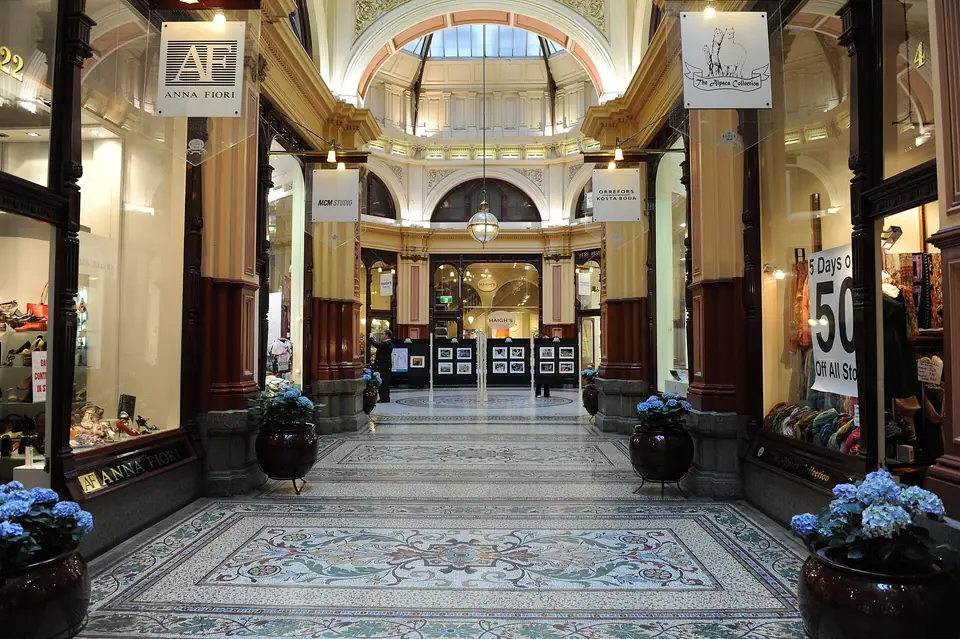
- Walk the nineteenth-century shopping arcades and espresso laneways. Step off Collins Street into the 1892 Block Arcade, which was modelled on Milan's Galleria Vittorio Emanuele II. Admire its imported English mosaic floors and pass the window of the historic Hopetoun Tearooms. Next, cross Bourke Street Mall into the 1870 Royal Arcade, the oldest surviving arcade in Australia. Every hour, the 1892 pinewood statues of Gog and Magog strike Gaunt's clock at the southern arch. Pair both arcades with a flat white in Degraves Street and Centre Place.
- Look down from Level 6 of the La Trobe Reading Room at State Library Victoria. Founded in 1854 and opened in 1856 on Swanston Street, State Library Victoria is free to enter every day. Its centrepiece is the 1913 octagonal La Trobe Reading Room. The reinforced concrete dome measures 34.75 metres (114 feet) in both height and diameter above radial timber desks for 320 readers. Visit the upper gallery to see the original 1880 iron armour of bushranger Ned Kelly on our Arcades and State Library walk.
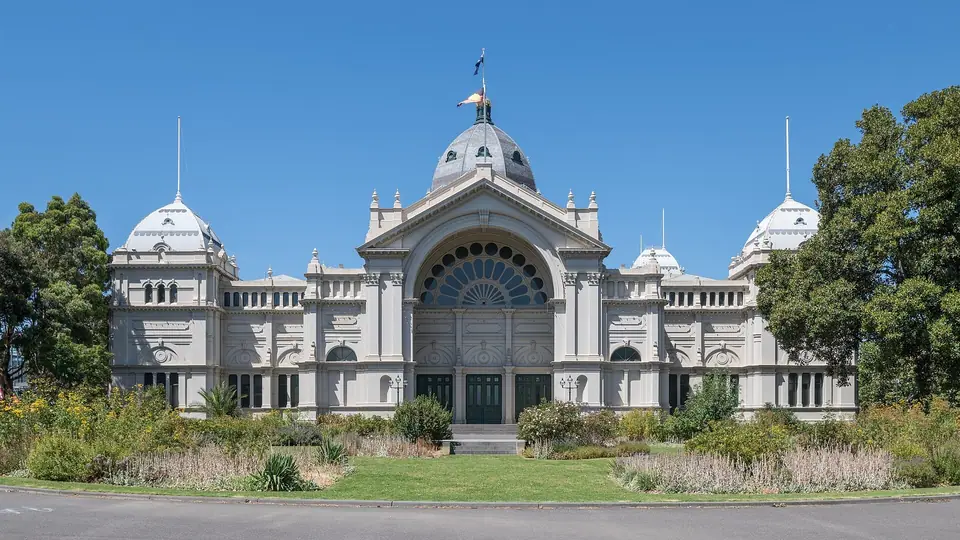
- Tour the UNESCO World Heritage Royal Exhibition Building and Melbourne Museum. Walk 500 metres northeast of the library into the 26-hectare Carlton Gardens to see the 1880 Royal Exhibition Building. In 2004, it became the first building in Australia inscribed on the UNESCO World Heritage List. It also hosted the opening of the first Parliament of Australia on 9 May 1901. Directly behind it stands Melbourne Museum, the largest museum in the Southern Hemisphere. Inside are the Bunjilaka Aboriginal Cultural Centre, the living Forest Gallery, racehorse Phar Lap, and the 85-percent-complete Triceratops skeleton Horridus.
- Stand beneath the stained-glass ceiling at NGV International and Fed Square. Founded in 1861, the National Gallery of Victoria splits its collection across two free-entry landmarks. NGV International on St Kilda Road is famous for its cascading entrance waterwall and Leonard French's 68.5-metre stained-glass ceiling. That Great Hall canopy is the world's largest suspended stained-glass ceiling. Across the river at Federation Square sits The Ian Potter Centre: NGV Australia. Opened in 2002, it is the world's first major public gallery dedicated solely to Australian Indigenous and non-Indigenous art.
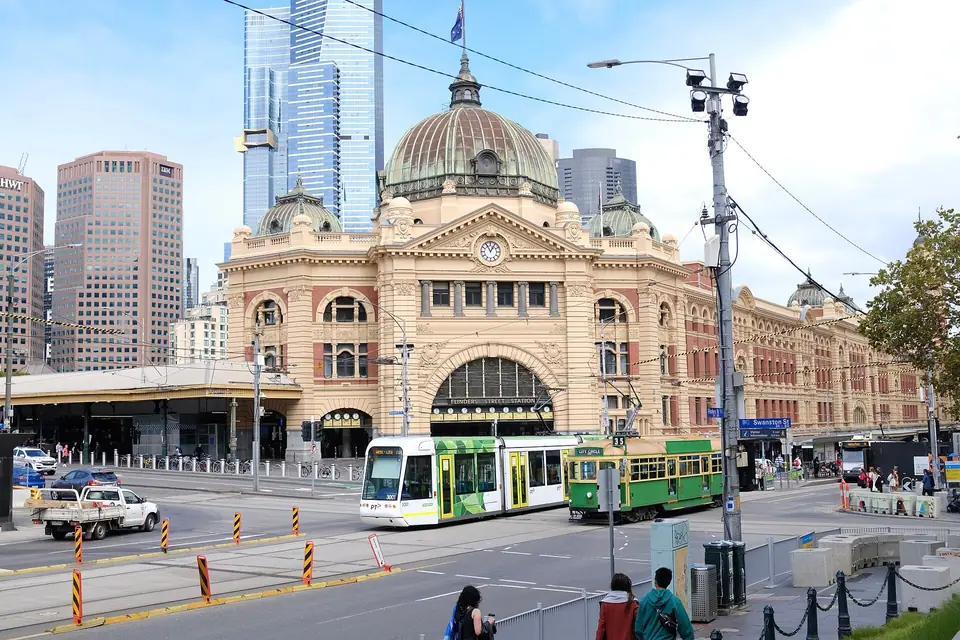
- Explore Flinders Street Station, Federation Square, and Hosier Lane street art. Meet under the 9 clocks of the 1910 Flinders Street Station dome. Along the river side runs its 708-metre Platform 1, which is the longest railway platform in Australia. Cross the road into Federation Square to visit ACMI and the Koorie Heritage Trust. Afterwards, photograph the multi-storey aerosol murals covering the bluestone cobbles of Hosier Lane and AC/DC Lane.
- Wander the 38-hectare Royal Botanic Gardens and the Shrine of Remembrance. Climb to the upper balcony of the 1934 Shrine of Remembrance for a view straight down Swanston Street. Next door, spend an afternoon in the 1846 Royal Botanic Gardens. Its 38 hectares hold 8,500 plant species, Ornamental Lake black swans, Fern Gully tree ferns, and the restored Guilfoyle's Volcano reservoir.
- Go behind the scenes at the Melbourne Cricket Ground (MCG) and Melbourne Park. Join a guided tour of the 100,024-capacity MCG, the largest stadium in the Southern Hemisphere. The ground staged the world's first Test cricket match in 1877 and the 1956 Summer Olympics. You can also attend an Australian Rules Football (AFL) match in winter or the Boxing Day Test in December. Every January, the Australian Open tennis tournament takes over neighbouring Rod Laver Arena (14,820 capacity).
- Graze through the 1878 Queen Victoria Market and 1851 Chinatown. Spend a morning tasting warm jam doughnuts, Turkish borek, and Victorian cheeses across the 7-hectare Queen Victoria Market. It is the largest open-air market in the Southern Hemisphere. Later, dine on soup dumplings in Little Bourke Street or Italian espresso and pasta along Lygon Street in Carlton.
- Ride Tram Route 96 from bohemian Fitzroy to St Kilda Pier at sunset. Browse the vintage boutiques, vinyl stores, and Victorian cast-iron balconies of Brunswick Street and Gertrude Street in Fitzroy. Then ride the light rail south to St Kilda to see the 1912 Mr Moon entrance at Luna Park. You can also detour to the 82 Brighton Bathing Boxes and watch Little Penguins return to the St Kilda breakwater at dusk.
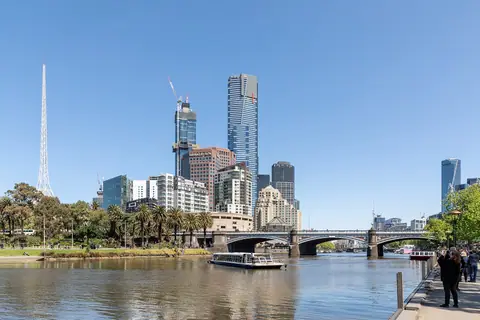
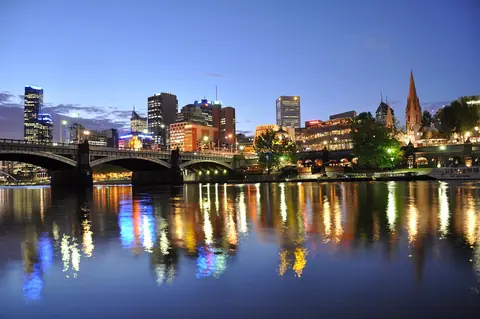
- Ascend Melbourne Skydeck or walk the Yarra River promenade at dusk. Cross the Evan Walker Bridge to Southbank for sunset views of the CBD skyline. For a higher perspective, ride the lift to the 88th floor (285 metres) of the 297-metre Eureka Tower, the tallest viewing platform in the Southern Hemisphere.
How to group your sightseeing by tram and walking corridors
Because the central city is flat and served by the Free Tram Zone, you can group your sightseeing into compact half-day clusters. That layout prevents unnecessary backtracking across the Yarra River. Combine the nineteenth-century shopping arcades, Bourke Street Mall, Little Bourke Street's Chinatown, State Library Victoria, and the Carlton Gardens museums into one northern walking loop. On your second loop, pair Federation Square, Flinders Street Station, Hosier Lane, NGV International, the Shrine of Remembrance, and the Royal Botanic Gardens. Save the Melbourne Cricket Ground, Melbourne Park, and Fitzroy Gardens for an eastern walk along Birrarung Marr.
Choosing the right day trip beyond the city
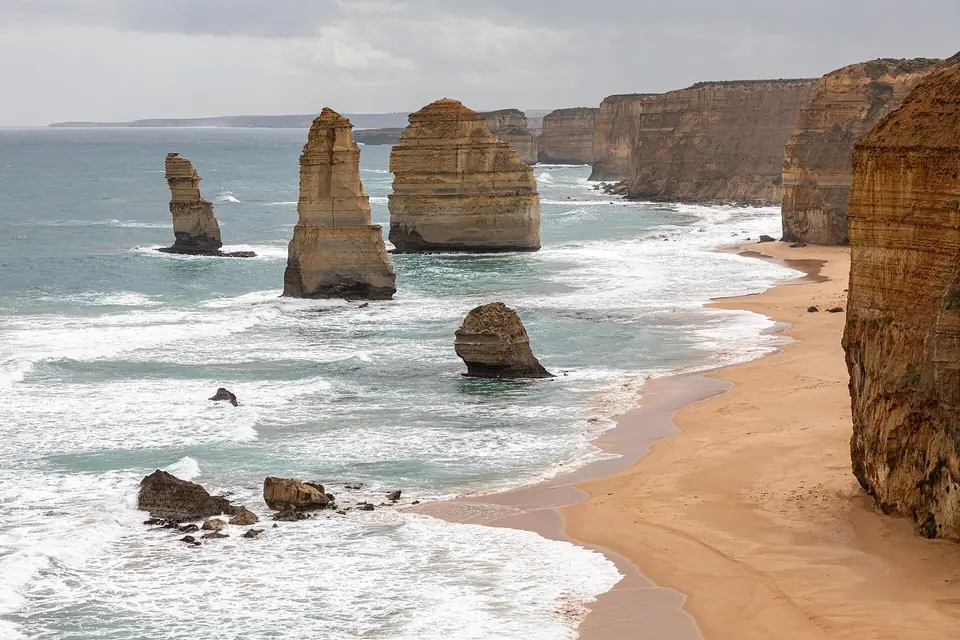
If your schedule allows four or five days, add at least one regional excursion from our Melbourne day trips guide. The signature full-day journey follows the 243-kilometre Great Ocean Road, built between 1919 and 1932 as the world's largest war memorial. The coastal highway passes Bells Beach, wild koalas in the Otway eucalypts, and the 45-metre limestone stacks of the Twelve Apostles and Loch Ard Gorge. For wildlife closer to the city, head 140 kilometres southeast to Phillip Island for the nightly Penguin Parade at Summerland Beach. Wine lovers can travel 50 kilometres northeast into the Yarra Valley, where Victoria's first vines were planted in 1838. Nearby in the Dandenong Ranges runs the 1900 Puffing Billy narrow-gauge steam railway.
Traveller tips
Real advice from people who have been to Melbourne. Every tip is read by our team before it goes live.
No tips yet. Been here? Yours could be the first.
Thank you! Your tip will appear here after a quick review.
More in Melbourne
Continue exploring Melbourne with related neighbourhood, food, and planning guides
Melbourne 3-Day Itinerary: Hoddle Grid Laneways, Southbank Arts, MCG & Great Ocean Road
Melbourne, Australia
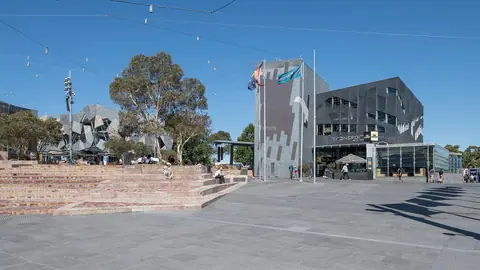
Federation Square, Flinders Street Station, St Paul's Cathedral & Hosier Lane Walk
Melbourne, Australia
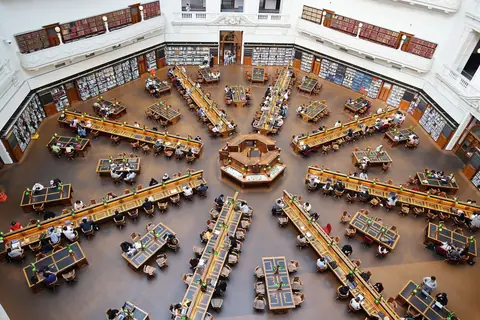
Block Arcade, Royal Arcade, Bourke Street Mall, Chinatown & State Library Walk
Melbourne, Australia
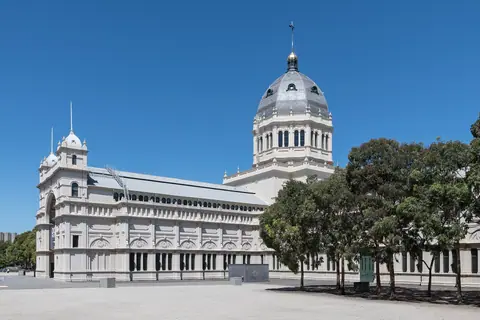
Royal Exhibition Building, UNESCO Carlton Gardens, Melbourne Museum & Lygon Street
Melbourne, Australia
