





















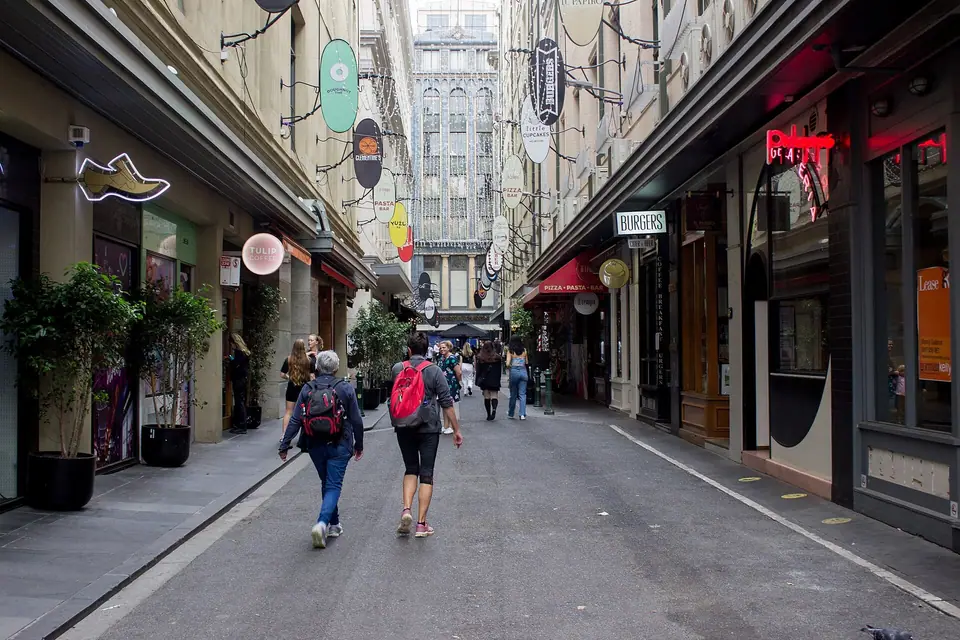
What to Wear in Melbourne: Layering for Cool Changes, High UV & Laneway Style
Pack smart for Melbourne with our three-layer rule for rapid 10 to 15°C cool changes, SunSmart SPF 50+ UV advice, Melbourne's signature black aesthetic, and Great Ocean Road wind protection.
Ask any Melburnian how to pack for their city and you will hear two pieces of advice within the first minute. Bring three layers you can put on or peel off quickly, and pack plenty of black. Melbourne sits at 37.8 degrees South between Australia's hot inland plains and the cold Southern Ocean across Bass Strait. A sunny 30°C morning in the Hoddle Grid can turn into a brisk 16°C afternoon within 20 to 30 minutes. That sudden temperature drop happens whenever a southwesterly "cool change" sweeps up Port Phillip Bay. At the same time, Melbourne is Australia's most fashion-conscious capital. Locals favour tailored coats, fine Australian merino knits, and comfortable leather boots over casual beachwear.
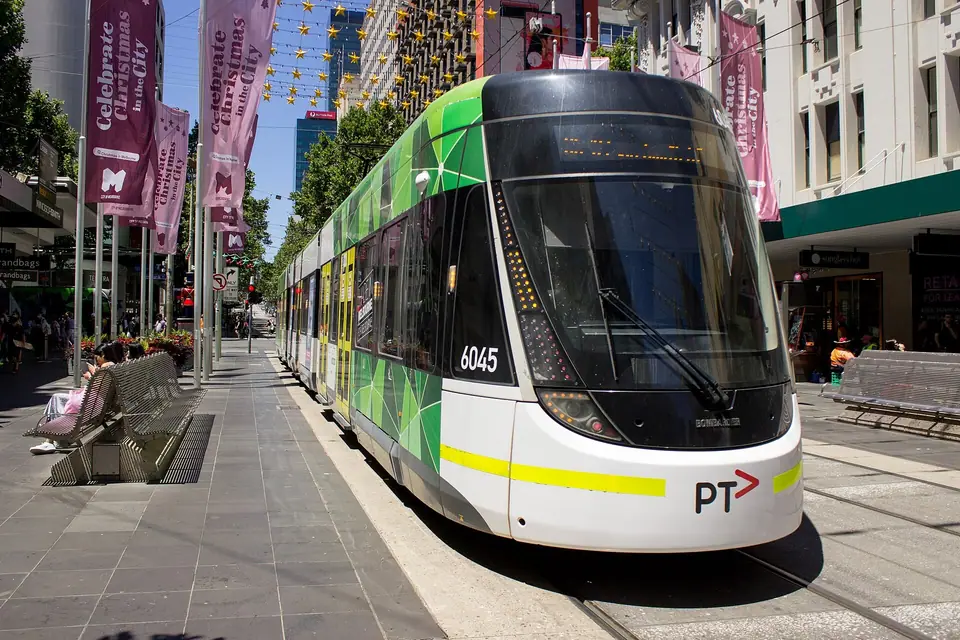
The three-layer system and Melbourne's monochrome aesthetic
Even if the morning forecast promises clear skies, never leave your hotel without a three-layer combination. All three pieces should fit neatly into a daypack or tote bag:
- Breathable base layer. Choose a crisp cotton or linen shirt, t-shirt, or lightweight dress. Natural fabrics stay comfortable when midday sun warms the sheltered brick walls of Degraves Street and Hosier Lane.
- Mid-layer of Australian merino wool. Pack a fine-gauge merino wool jumper, cardigan, or tailored blazer. Merino wool regulates temperature across a 15°C swing without adding bulk to your bag. It also transitions easily from afternoon galleries at NGV International to an evening wine bar on Flinders Lane.
- Windproof outer shell or trench coat. Bring a lightweight trench coat, a tailored wool overcoat in winter, or a packable windproof jacket. This outer layer blocks the bay breeze funnelled down Collins and Bourke streets. Pair it with a compact wind-resistant umbrella rather than a flimsy disposable one.
Visitors arriving from beach-oriented Australian cities quickly notice the famous "Melbourne uniform". Local wardrobes are dominated by black, charcoal, navy, camel, and olive tones. You certainly do not need to dress exclusively in black during your visit. Smart-casual jeans, chinos, linen trousers, and neat trainers fit right in across every neighbourhood. However, rubber flip-flops ("thongs") and boardshorts look out of place inside the CBD arcades, Fitzroy bistros, and theatre foyers.
Extreme Southern Hemisphere UV and SunSmart essentials
One of the biggest surprises for northern hemisphere visitors is the strength of the Australian sun on cool days. During the austral summer, the Southern Hemisphere experiences a closer Earth-sun distance and thinner stratospheric ozone over southern latitudes. As a result, the ultraviolet (UV) index in Melbourne regularly reaches 8 to 12+ (Very High to Extreme) between September and April. A crisp 21°C breeze blowing off Port Phillip Bay masks the heat of the sun on your skin. Unprotected skin can burn within 15 minutes under clear spring or summer skies.
Follow the five SunSmart habits pioneered by Cancer Council Victoria when spending time outdoors. Wear wraparound sunglasses meeting Australian Standard AS/NZS 1067 or offering UV400 protection. Pack a broad-brimmed or legionnaire-style hat for walks through the 26-hectare Carlton Gardens and 38-hectare Royal Botanic Gardens. Choose tightly woven long-sleeved shirts during peak midday hours. After landing, buy a bottle of Australian SPF 50+ broad-spectrum, water-resistant sunscreen at a local pharmacy or supermarket. Australia regulates sunscreen strictly as a therapeutic product rather than a cosmetic. Check our best time to visit Melbourne guide for monthly temperature and rainfall breakdowns.
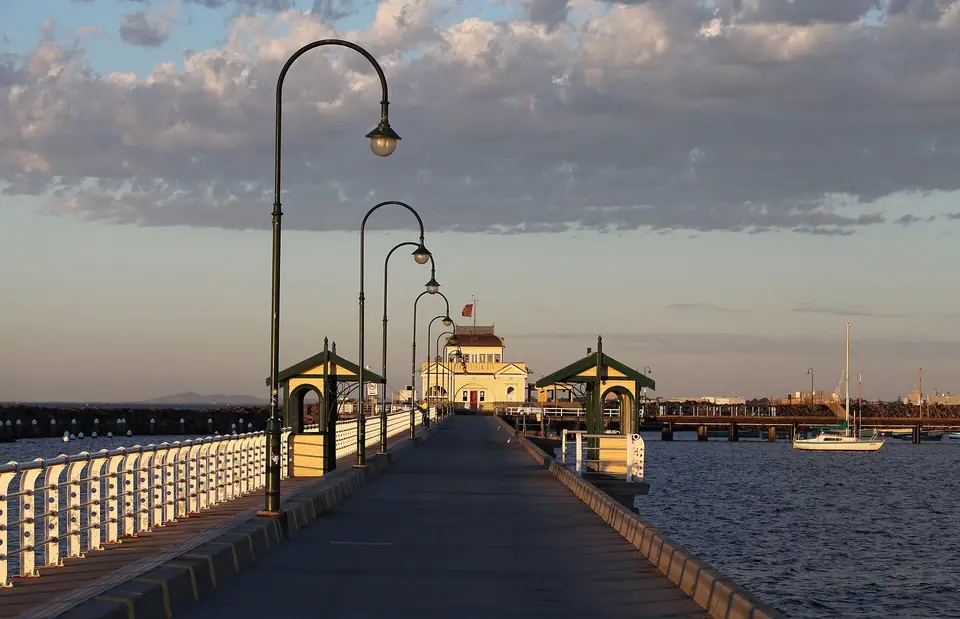
What to pack for each of the four seasons
- Summer (December to February, average highs 25°C to 27°C, lows 14°C to 16°C, 5 to 6 rain days/month). Pack breathable linen and cotton shirts, light dresses, tailored shorts, and swimwear for St Kilda Beach and Brighton. Include UV400 sunglasses, a broad sun hat, and one light denim jacket or windbreaker for cool evening sea breezes. Trams and museums also run strong air conditioning in summer. If attending the January Australian Open at Melbourne Park, bring a refillable water bottle, a peaked cap, and a linen overshirt.
- Autumn (March to May, average highs 17°C to 24°C, lows 10°C to 14°C, 6 to 8 rain days/month). Autumn is the prime season for trench coats, light leather jackets, cotton jumpers, ankle boots, and long trousers. Mornings in April and May start around 10°C to 12°C before warming into sunny 20°C afternoons under golden elm trees.
- Winter (June to August, average highs 14°C to 15°C, lows 7°C to 8°C, 9 to 10 rain days/month). Daytime temperatures rarely drop below 10°C in the city centre. Even so, damp southerly winds off Bass Strait make 14°C feel brisk during evening AFL games at the Melbourne Cricket Ground. Pack a proper wool coat or insulated down jacket, thermal base layers, merino jumpers, a scarf, and water-resistant leather boots.
- Spring (September to November, average highs 18°C to 23°C, lows 9°C to 13°C, 8 to 9 rain days/month). Spring is the most changeable season of the year in Victoria. Warm northerly winds carry grass pollen across the plains, so hay-fever sufferers should pack antihistamines. Those warm winds alternate with sudden 12°C showers, requiring mix-and-match layers and a water-resistant trench.
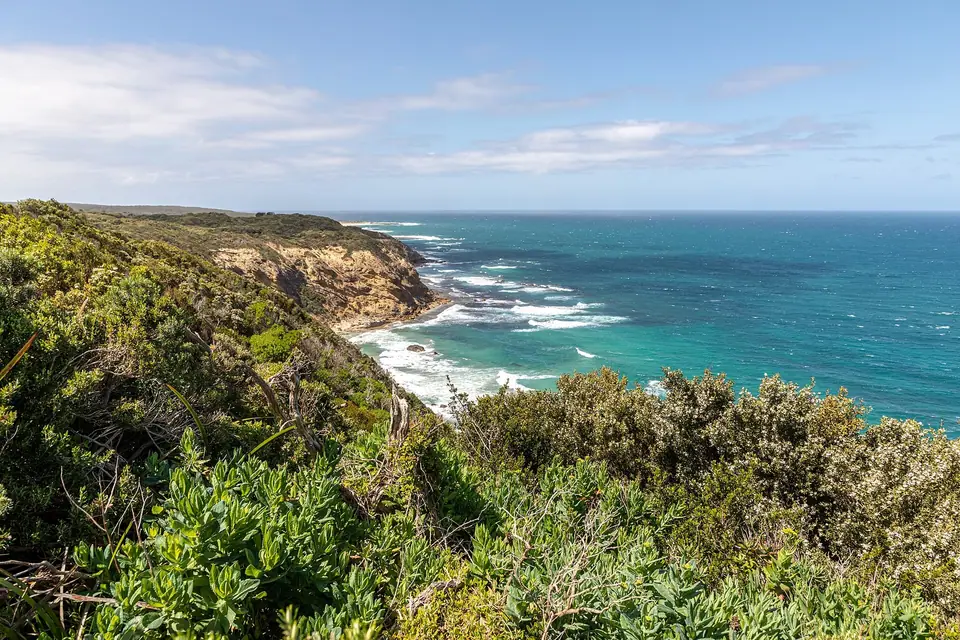
Footwear for bluestone cobbles, coastal cliffs, and venue dress codes
You will easily cover 10 to 15 kilometres on foot each day across Melbourne's flat Hoddle Grid. Leave thin-soled sandals and stiletto heels behind for daytime sightseeing. Nineteenth-century hand-cut bluestone (basalt) cobblestones in Hosier Lane, Rutledge Lane, and around Queen Victoria Market have wide mortar joints. Polished mosaic tiles inside the Block and Royal arcades can also become slick after a rain shower. Cushioned leather sneakers, loafers, or classic Australian elastic-sided Chelsea boots (such as R.M. Williams or Blundstone boots) work best.
If your itinerary includes our Great Ocean Road or Phillip Island day trips, pack a warm windproof jacket and fleece or wool jumper. Wear long trousers and closed walking shoes even in the middle of January. Clifftop boardwalks at the Twelve Apostles (243 kilometres southwest) and dusk stands at the Phillip Island Penguin Parade face Southern Ocean winds. Finally, note that several iconic Melbourne venues enforce formal dress codes. The Melbourne Cricket Club (MCC) Members' Reserve at the MCG requires a collared shirt, tailored trousers, and enclosed shoes, with no ripped denim. The Spring Racing Carnival at Flemington Racecourse in November requires racewear suits, ties, and millinery.
Traveller tips
Real advice from people who have been to Melbourne. Every tip is read by our team before it goes live.
No tips yet. Been here? Yours could be the first.
Thank you! Your tip will appear here after a quick review.
More in Melbourne
Continue exploring Melbourne with related neighbourhood, food, and planning guides
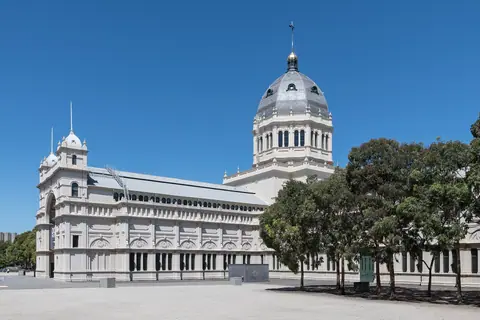
Royal Exhibition Building, UNESCO Carlton Gardens, Melbourne Museum & Lygon Street
Melbourne, Australia
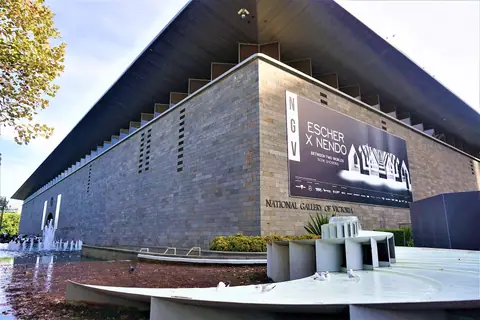
NGV International, Southbank Arts Precinct, Shrine of Remembrance & Botanic Gardens
Melbourne, Australia
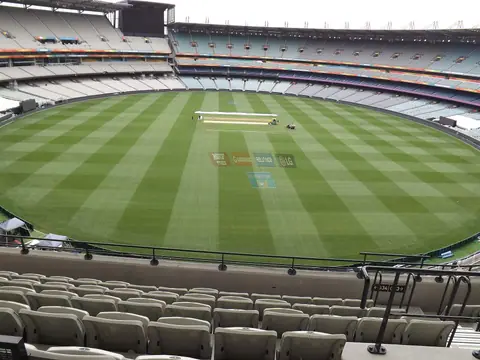
Melbourne Cricket Ground (MCG), Melbourne Park, Fitzroy Gardens & Yarra River Trail
Melbourne, Australia
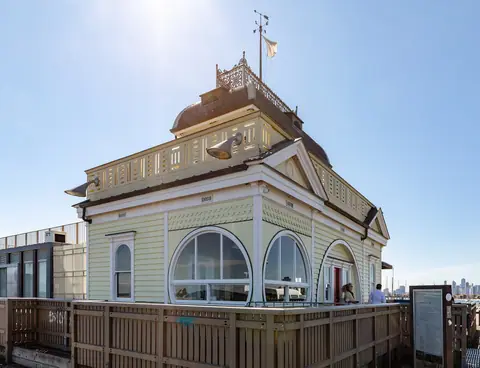
Fitzroy, Collingwood, Brunswick Street, St Kilda Pier & Brighton Bathing Boxes Guide
Melbourne, Australia
