





















Best Time to Visit Melbourne: BoM Climate Normals, Four Seasons & Major Events
Plan your trip around Melbourne's official 1991-2020 BoM climate normals, the famous 'four seasons in one day' cool change, golden autumn parks, and the Grand Slam and festival calendar.
Locals have a famous shorthand expression for Melbourne's climate, immortalised in song by Crowded House: "four seasons in one day". Sitting at latitude 37.8 degrees South at the top of Port Phillip Bay, Melbourne occupies a meteorological frontier. Hot, dry air from the continental interior lies to the north, while cold waters of the Southern Ocean and Bass Strait sit to the south. Understanding how those two air masses interact, together with the city's packed sporting and cultural calendar, makes choosing your travel dates easy.
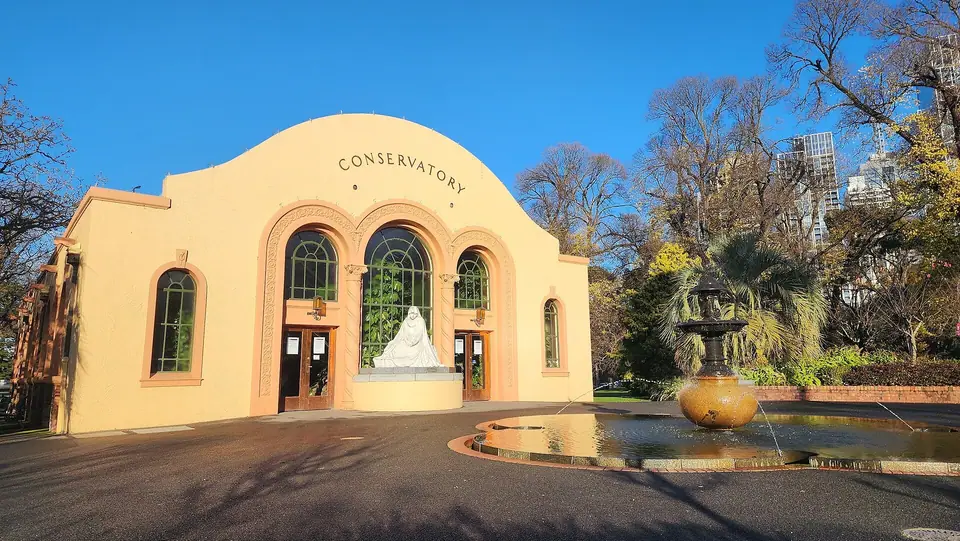
Official 1991 to 2020 BoM climate normals and the "cool change"
According to the Australian Bureau of Meteorology (BoM) 1991 to 2020 climate normals, Melbourne enjoys a temperate oceanic climate. Summers are warm, springs and autumns are mild, and winters are crisp. Despite its reputation for changeable skies, Melbourne receives lower total annual rainfall than Sydney. Yearly precipitation averages around 600 to 650 millimetres across 94 rain days of 1 millimetre or more. What makes the weather feel dramatic is the rapid wind shift known locally as the cool change. During summer and spring, northerly winds blowing off the outback can push Melbourne's afternoon temperature past 35°C. A cold front off the Southern Ocean then swings the wind 180 degrees to the southwest, dropping temperatures by 10°C to 15°C within 30 minutes.
Across the twelve months of the year, the official BoM 1991 to 2020 monthly averages break down as follows:
- Summer (December, January, February). These are the warmest and driest months of the year. Average daily maximums reach 25°C in December and 27°C in both January and February. Overnight minimums sit at 14°C in December and 16°C in January and February. Rain days (>=1 mm) average 6 days in December, 6 days in January, and 5 days in February, the driest month of the year. Long summer evenings stay bright under Australian Eastern Daylight Time.
- Autumn (March, April, May). Melburnians widely regard autumn as the most settled and comfortable time to visit. Average daytime highs ease from 24°C in March to 21°C in April and 17°C in May. Overnight lows average 14°C, 12°C, and 10°C across the three months, with 6, 7, and 8 rain days per month respectively. Wind speeds drop noticeably in April and May. Meanwhile, the elm and plane tree avenues of Carlton Gardens, Fitzroy Gardens, and the Royal Botanic Gardens turn amber and gold.
- Winter (June, July, August). Winter days are cool and overcast, though snow never falls in the city centre. Nearest winter snowfields lie 2 to 3 hours northeast at Mount Buller, Mount Baw Baw, and Lake Mountain. Daytime maximums average 15°C in June, 14°C in July (the coolest month), and 15°C in August. Overnight lows average 8°C, 7°C, and 8°C, with 9, 10, and 10 rain days per month falling mostly as light showers.
- Spring (September, October, November). Spring weather is mild and breezy across Port Phillip Bay. Daytime highs rise from 18°C in September to 20°C in October and 23°C in November. Overnight lows average 9°C, 11°C, and 13°C, accompanied by 9, 9, and 8 rain days per month.
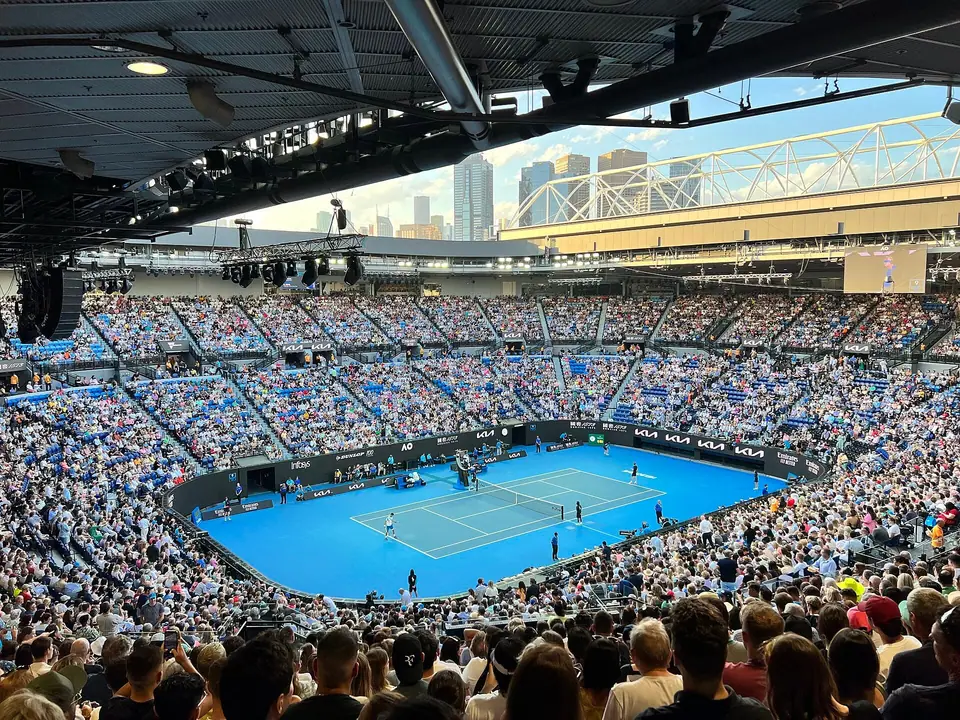
Season-by-season festival and sporting calendar
Melbourne is the only city in Australia with statewide public holidays dedicated to a football grand final and a horse race. Major international events can book out central CBD and Southbank hotels months ahead:
- Summer (December to February). Cricket and tennis take over the Melbourne Sports Precinct. On 26 December, the historic Boxing Day Test begins at the 100,024-seat MCG. For two weeks in mid-to-late January, the Australian Open turns Melbourne Park and Birrarung Marr into an open-air festival. It is the first of the four annual tennis Grand Slams and the highest-attended Grand Slam in the world. February brings the Midsumma Festival, Lunar New Year dragon parades through Chinatown on Little Bourke Street, and the beachfront St Kilda Festival.
- Autumn (March to May). March is Melbourne's busiest events month. The Formula 1 Australian Grand Prix races around the 5.278-kilometre Albert Park Lake circuit, and the Moomba Festival fills the Yarra River banks over Labour Day weekend. March also brings the Melbourne Food and Wine Festival and the Melbourne International Flower and Garden Show inside the UNESCO Carlton Gardens. From late March through April, the Melbourne International Comedy Festival (one of the three largest comedy festivals in the world) fills CBD theatres.
- Winter (June to August). Australian Rules Football (AFL) runs every weekend from March to September at the MCG and Marvel Stadium. In June, the RISING Melbourne festival illuminates the river and city laneways with night-time art and music installations. Winter also features the NGV Winter Masterpieces exhibition and the Wednesday Winter Night Market at Queen Victoria Market. Founded in 1952 as one of the oldest film festivals in the world, the Melbourne International Film Festival (MIFF) screens across the Forum, Capitol, and Astor theatres each August.
- Spring (September to November). The last Saturday in September brings the AFL Grand Final before 100,000 spectators at the MCG, preceded by a Friday public holiday parade. October hosts the Melbourne Fringe Festival and the Melbourne International Jazz Festival. On the first Tuesday in November, the Melbourne Cup Carnival runs at Flemington Racecourse, where the cup was first run in 1861.
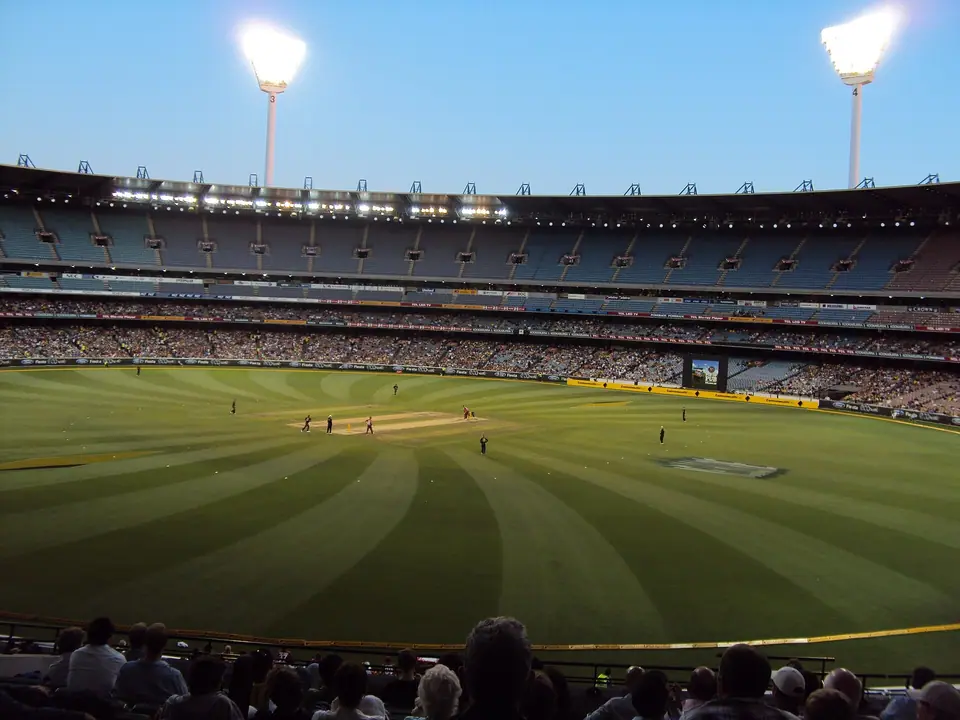
Our recommendation: when to book your trip
Aim for March through early May (autumn) or late October through November (late spring) for warm 20°C to 24°C daytime walking weather. Those months bring golden park foliage and calm seas along the Great Ocean Road and Twelve Apostles. If you want long beach evenings in St Kilda and Grand Slam tennis, visit in January or February. Budget-conscious travellers who love galleries, cosy wine bars, and live AFL football will find the lowest hotel rates between June and August. Pair your dates with our what to wear in Melbourne packing guide.
Traveller tips
Real advice from people who have been to Melbourne. Every tip is read by our team before it goes live.
No tips yet. Been here? Yours could be the first.
Thank you! Your tip will appear here after a quick review.
More in Melbourne
Continue exploring Melbourne with related neighbourhood, food, and planning guides
Where to Stay in Melbourne: CBD Paris End, Laneways, Southbank, Fitzroy & St Kilda
Melbourne, Australia
Melbourne 3-Day Itinerary: Hoddle Grid Laneways, Southbank Arts, MCG & Great Ocean Road
Melbourne, Australia
Federation Square, Flinders Street Station, St Paul's Cathedral & Hosier Lane Walk
Melbourne, Australia
Block Arcade, Royal Arcade, Bourke Street Mall, Chinatown & State Library Walk
Melbourne, Australia
