


























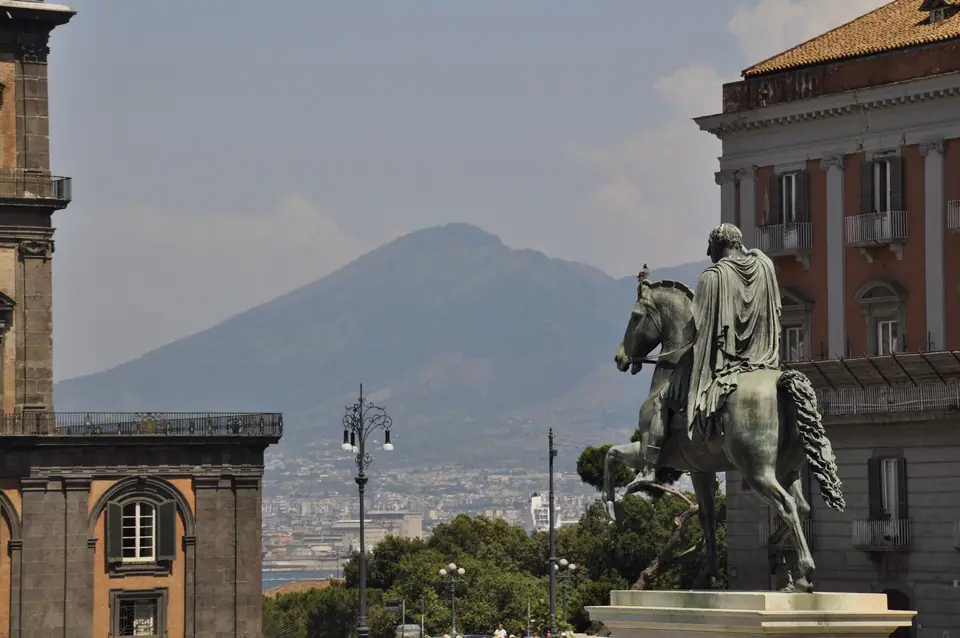
Naples: Greek foundations, royal palaces and volcanic bays
Naples is the capital of Campania and Italy's third-largest city, where a sixth-century BC Greek street plan meets Baroque chapels, Bourbon palaces, and views across the Bay of Naples to Mount Vesuvius.
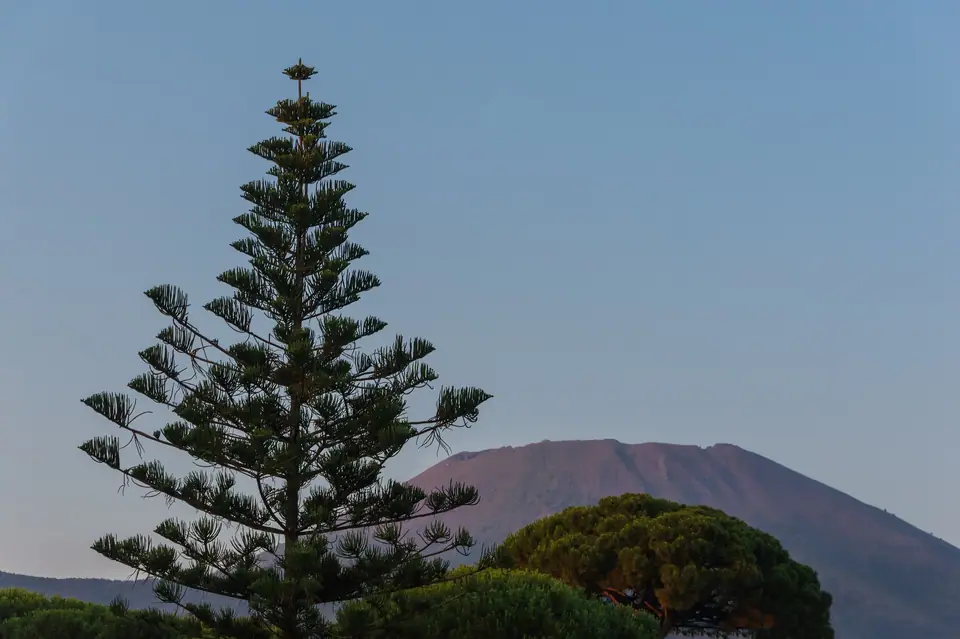
Rising from the northern shore of the Bay of Naples between the volcanic caldera of the Phlegraean Fields (Campi Flegrei) and the 1,281-metre cone of Mount Vesuvius, Naples (Napoli) is the regional capital of Campania and the third-most populous municipality in Italy after Rome and Milan. Settled by Greeks from Cumae first at Parthenope on the headland of Pizzofalcone in the eighth century BC and refounded as Neapolis ("New City") in the late sixth century BC, the city has been continuously inhabited for more than 2,500 years. Its 1,021-hectare Historic Centre of Naples was inscribed as a UNESCO World Heritage Site in 1995 in recognition of how its ancient urban fabric, medieval churches, and monumental royal palaces preserve the layered history of the Mediterranean basin.
How the city is laid out
Understanding Naples is straightforward once you divide the city into four distinct geographical tiers that step upwards from the Tyrrhenian Sea:
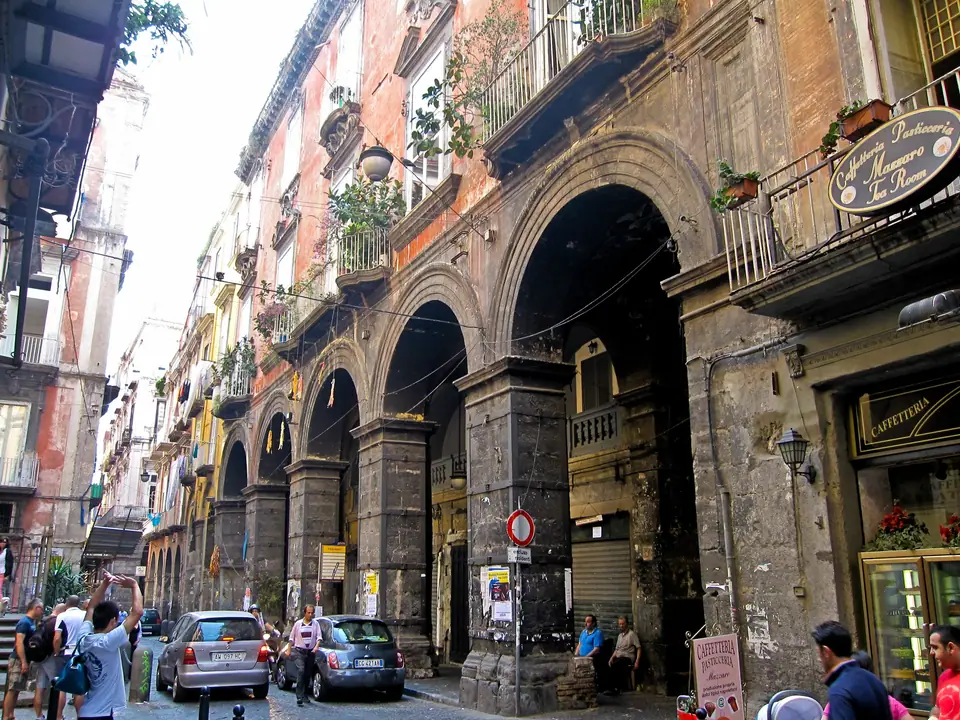
- Centro Storico (Historic Centre): East of Via Toledo, the ancient walled heart still follows the Hippodamian grid of Neapolis. Three parallel east-to-west avenues called decumani (Via Anticaglia and Via della Sapienza to the north, Via dei Tribunali and Spaccanapoli in the middle and south) are intersected by narrow north-to-south lanes known as cardini. Here stand Naples Cathedral and the Cappella Sansevero, cloistered monasteries, and centuries-old pizzerias.
- Monumental Centre and Toledo: Stretching south along the sixteenth-century Spanish viceregal avenue of Via Toledo toward the harbour, this zone opens onto Piazza del Plebiscito, the Royal Palace, and Teatro di San Carlo, flanked on the west by the tightly gridded hillside lanes of the Quartieri Spagnoli.
- Santa Lucia, Chiaia, and Mergellina: Along the western curve of the bay, the Castel dell'Ovo and the Lungomare seafront promenade lead past the Villa Comunale public gardens into the elegant shopping streets of Chiaia and the marina of Mergellina.
- Vomero and Capodimonte Hills: High above the lower city, the star-shaped Castel Sant'Elmo and the Certosa di San Martino crown the Vomero ridge, while further north the former Bourbon hunting estate of Museo e Real Bosco di Capodimonte overlooks the city and bay.
Advance bookings and practical preparation
Most churches, piazzas, and monumental castles in Naples can be entered with tickets purchased on the day or free of charge, but a small group of sites require advance planning:
- Cappella Sansevero: Home to Giuseppe Sanmartino's 1753 marble sculpture of the Veiled Christ, this compact Baroque chapel enforces strict capacity limits. Timed-entry tickets must be reserved in advance on the official museum website.
- Summit crater of Mount Vesuvius: Access to the Gran Cono crater trail inside Vesuvius National Park requires a pre-booked timed entry slot purchased online before travelling up the volcano; check the Pompeii, Herculaneum and Vesuvius day trip guide for transport pairings.
- Footwear and walking surfaces: Almost the entire historic centre is paved with dark grey slabs of volcanic basalt (basoli) that become polished and slick after rain. Pack supportive rubber-soled shoes rather than thin leather soles.
Connecting your itinerary
For a balanced first visit, pair the 3-day Naples itinerary with neighbourhood comparisons in the where to stay guide and transit advice in the getting around Naples guide. Food travellers can map historic wood-fired ovens, street frying counters, and traditional pastry bars through the what to eat in Naples guide, while seasonal weather patterns and festival dates are covered in the best time to visit Naples guide.
Traveller tips
Real advice from people who have been to Naples: Greek foundations, royal palaces and volcanic bays. Every tip is read by our team before it goes live.
No tips yet. Been here? Yours could be the first.
Thank you! Your tip will appear here after a quick review.
More in Naples
Continue exploring Naples with related neighbourhood, food, and planning guides
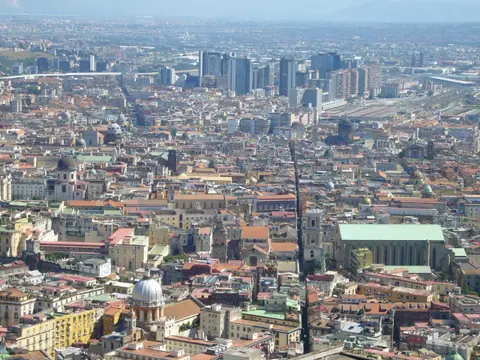
Spaccanapoli and the Centro Storico: walking the ancient Greek-Roman grid
Naples, Italy
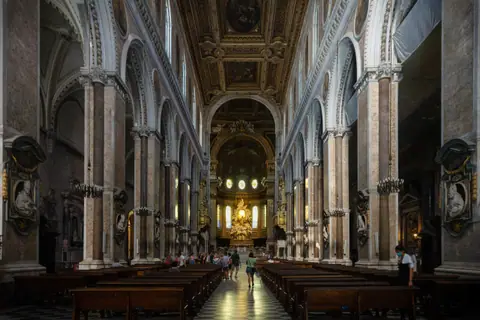
Cappella Sansevero and Duomo di Napoli: the Veiled Christ and San Gennaro
Naples, Italy

National Archaeological Museum (MANN) and Capodimonte: Farnese and Roman treasures
Naples, Italy
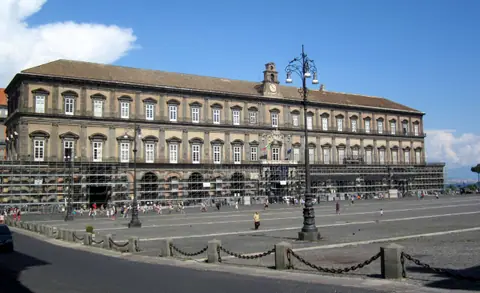
Piazza del Plebiscito and Royal Palace: San Carlo, Galleria Umberto and Castel Nuovo
Naples, Italy
