


























What to eat in Naples: Neapolitan pizza, sfogliatella, babà and ragù
Protected by UNESCO intangible heritage status, the art of the Neapolitan pizzaiuolo anchors a culinary tradition that spans Pizza Margherita and Marinara, pizza fritta, crisp sfogliatelle, and rum-soaked babà.
Few cities in Europe have shaped global food culture as profoundly as Naples. Fed by the mineral-rich volcanic soils of Mount Vesuvius and the Agro Sarnese-Nocerino plain, water buffalo dairies in Campania, and the fishing grounds of the Gulf of Naples, Neapolitan cooking pairs aristocratic Franco-Bourbon court pastries with exuberant street food born in the densely populated lanes of the Centro Storico and Quartieri Spagnoli. In December 2017, UNESCO inscribed the Art of the Neapolitan 'Pizzaiuolo' on its Representative List of the Intangible Cultural Heritage of Humanity.
Neapolitan Pizza: Marinara, Margherita, and Pizza Fritta
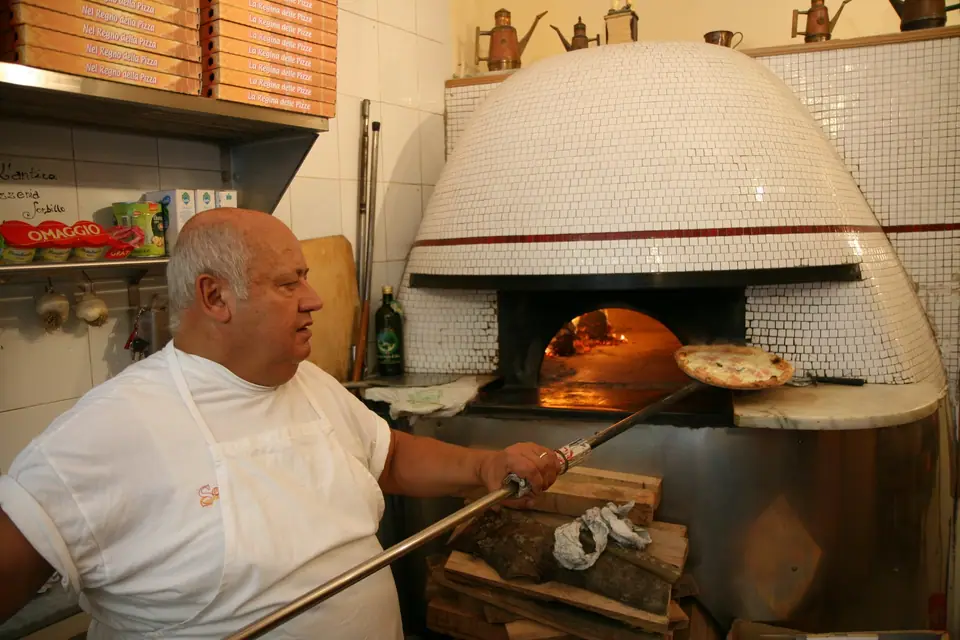
According to the strict production regulations codified by the Associazione Verace Pizza Napoletana (AVPN, founded in Naples in 1984), true Neapolitan pizza dough is made solely from type 0 or 00 wheat flour, natural Neapolitan yeast or brewer's yeast, salt, and water. After rising, the dough ball is stretched entirely by hand without a rolling pin, creating a soft, elastic centre no thicker than four millimetres bordered by a raised, blistered rim (cornicione) of one to two centimetres. It bakes directly on the stone floor of a wood-fired domed brick oven at approximately 485°C (905°F) for just 60 to 90 seconds. Two classic toppings are officially recognised:
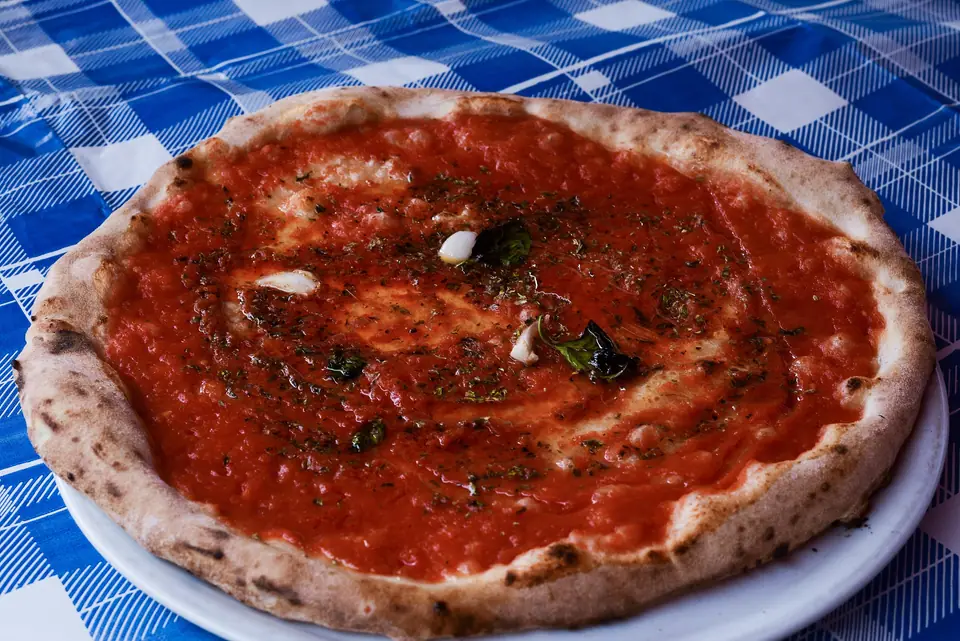
- Pizza Marinara: Topped with crushed San Marzano tomatoes, sliced garlic, oregano, and extra-virgin olive oil. Introduced in the eighteenth century, its name derives not from seafood, but because its shelf-stable ingredients could be easily stored by Gulf of Naples seamen (marinai) on long voyages.
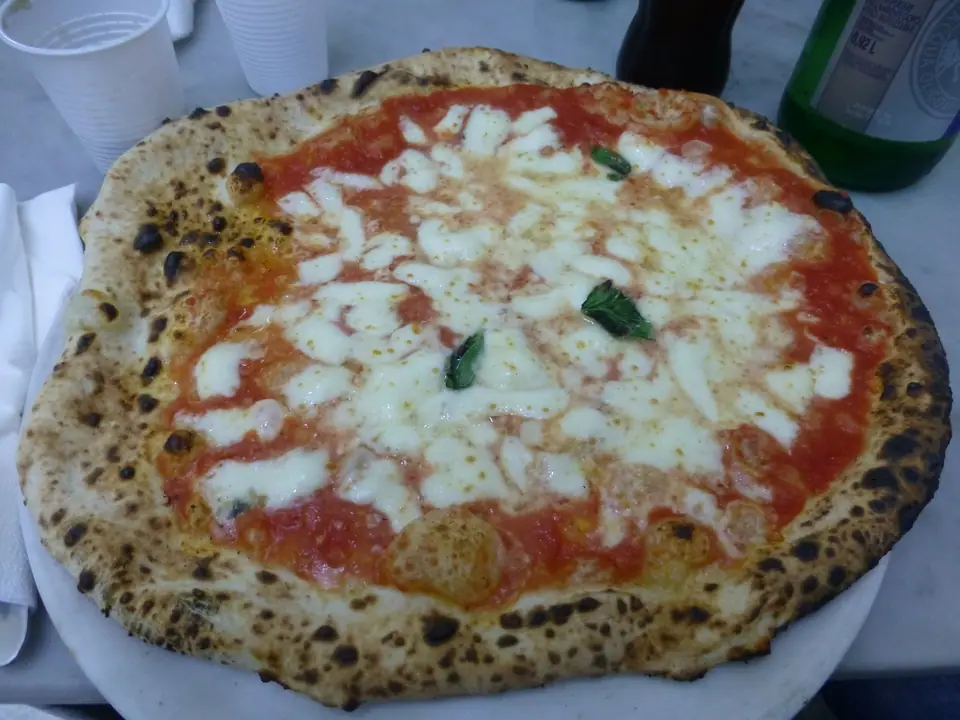
- Pizza Margherita: Topped with crushed peeled tomatoes, mozzarella di bufala Campana or fior di latte, fresh basil leaves, and extra-virgin olive oil. A marble commemorative plaque outside Pizzeria Brandi off Via Chiaia records how pizzaiolo Raffaele Esposito prepared this tricolour combination in June 1889 in honour of Queen Consort Margherita of Savoy during her stay at the Capodimonte Palace.
- Pizza Fritta and Pizza a Portafoglio: Along Via dei Tribunali and inside the La Pignasecca market near Montesanto station, street counters also serve pizza a portafoglio (a smaller wood-fired pizza folded into four quarters like a wallet and wrapped in baking paper) and pizza fritta, a crescent or disc of pizza dough stuffed with ricotta, provola, pork cracklings (cicoli), and black pepper, then fried until golden in hot oil.
Traditional Neapolitan Pastries: Sfogliatella, Babà, and Pastiera
Every morning walk in Naples begins at a neighbourhood pastry bar alongside a short, intensely dark Neapolitan espresso served in a pre-heated porcelain cup:
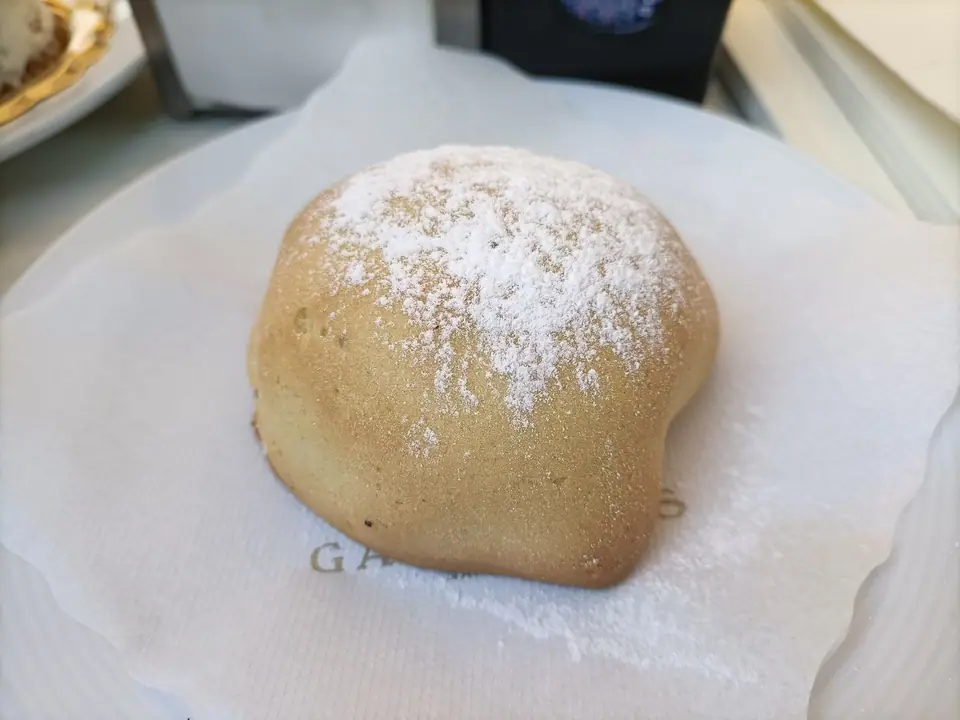
- Sfogliatella (Riccia and Frolla): Tracing its origins to the seventeenth-century monastery of Santa Rosa on the Amalfi Coast before being refined into its modern ricotta-filled recipe by Neapolitan pastry chef Pasquale Pintauro on Via Toledo in 1818, the sfogliatella comes in two distinct textures. Both hold the same warm filling of cooked semolina, sheep's milk ricotta, candied orange peel, eggs, and cinnamon, but sfogliatella riccia wraps it in dozens of crisp, clam-shaped layers of lard-brushed puff pastry, whereas sfogliatella frolla encloses it in a smooth, round dome of tender shortcrust pastry.
- Babà al Rum: Originally created in eighteenth-century Lorraine at the court of exiled Polish King Stanisław Leszczyński and brought to Naples by French chefs working in aristocratic kitchens (monsù), the Neapolitan babà is a tall, mushroom-shaped yeast sponge cake saturated in warm sugar syrup infused with dark rum (or coastal limoncello).
- Pastiera Napoletana: Traditionally baked across the city for Easter and sold year-round in historic bakeries, pastiera is a lattice-topped shortcrust tart filled with whole wheat berries (grano cotto) simmered in milk, fresh ricotta, candied citron, cinnamon, and fragrant orange blossom water (acqua di millefiori).
Slow-simmered Sunday sauces: Ragù Napoletano and Genovese
Sit-down trattorias in the Santa Lucia, Chiaia, and Centro Storico quarters centre their menus on two slow-cooked sauces:
- Ragù Napoletano: Unlike Bolognese meat sauce made with minced beef, Neapolitan ragù simmers whole cuts of beef and pork (including braciole rolls stuffed with pine nuts, raisins, parsley, and pecorino) in San Marzano tomato passata for hours over a gentle flame until the sauce turns deep mahogany; it is tossed with ziti or Manfredi pasta while the meats are served as a second course.
- La Genovese: Despite its name, this sauce is thoroughly Neapolitan: chuck beef and abundant golden onions are braised slowly for hours with white wine and a touch of carrot and celery until the onions melt into a rich, sweet-savory cream served over hand-broken ziti spezzati with grated pecorino.
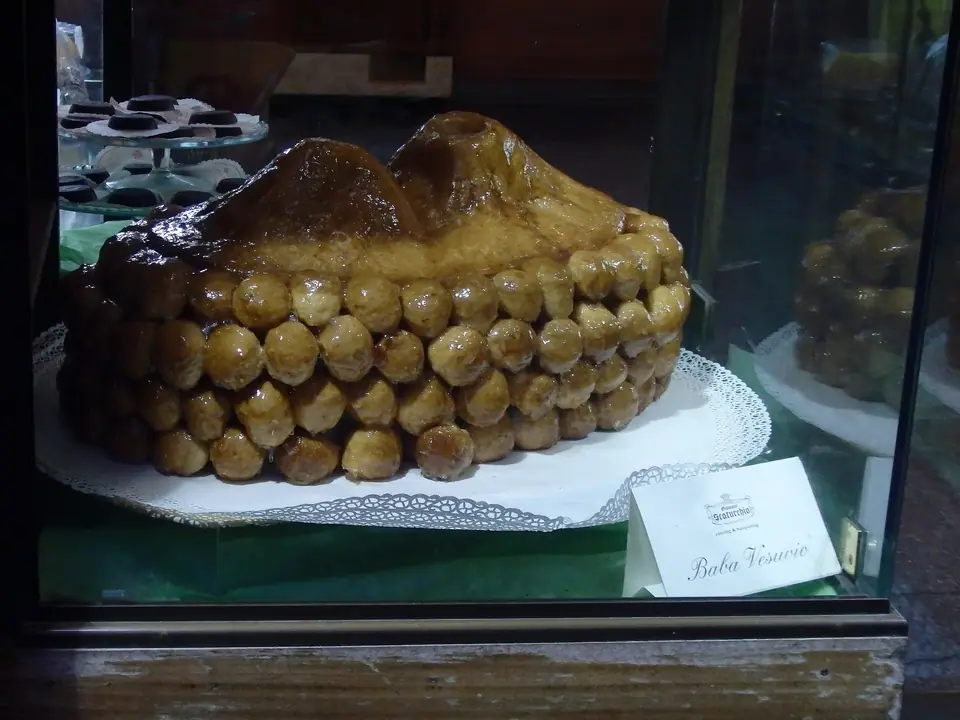
Traveller tips
Real advice from people who have been to What to eat in Naples: Neapolitan pizza, sfogliatella, babà and ragù. Every tip is read by our team before it goes live.
No tips yet. Been here? Yours could be the first.
Thank you! Your tip will appear here after a quick review.
More in Naples
Continue exploring Naples with related neighbourhood, food, and planning guides

Best time to visit Naples: Mediterranean seasons, weather and Christmas alleys
Naples, Italy
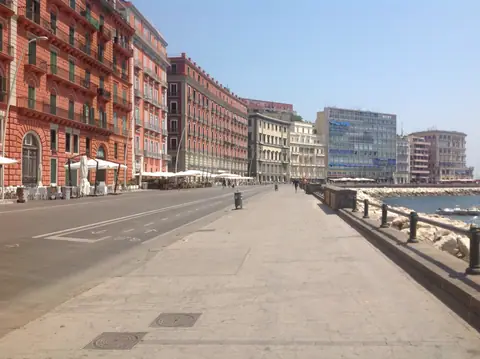
Where to stay in Naples: Centro Storico, Chiaia, Santa Lucia and Vomero
Naples, Italy
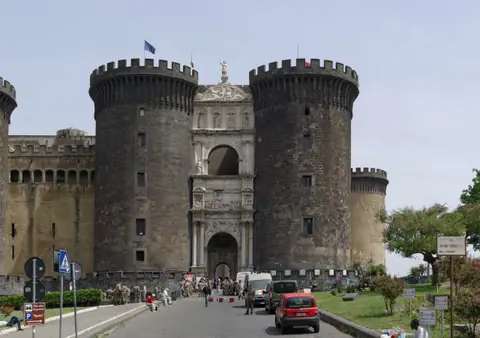
3 days in Naples itinerary: historic decumani, royal palaces and Pompeii
Naples, Italy

Getting around Naples: Metro Line 1 Art Stations, funiculars and Circumvesuviana
Naples, Italy
