

Day Trips from Tokyo
Tokyo's rail network reaches well beyond the city, and four day trips stand out. Each needs an early start. Pick one, maybe two, rather than trying to see them all.
Kamakura
The old seat of the shoguns, about an hour south by JR Yokosuka line from Tokyo Station. The Great Buddha at Kotoku-in is a bronze figure over 11 metres tall that has sat in the open air since a tsunami washed its hall away in the 15th century. Nearby Hase-dera has sea views and hydrangeas in June. Tsurugaoka Hachimangu shrine is at the top of Komachi-dori, a shopping street of snacks. The small Enoden train runs along the coast to Enoshima island. Kamakura gets very crowded at weekends, so come on a weekday.
Nikko
Mountains, cedar forests and Toshogu, the mausoleum of the first Tokugawa shogun, covered in gold leaf and carvings (look for the three wise monkeys). The Tobu Spacia X from Asakusa takes about two hours. Buses climb the hairpin Irohazaka road to Lake Chuzenji and the Kegon Falls. Nikko is two or three degrees cooler than Tokyo, and in late October the maples are extraordinary. The JR Tokyo Wide Pass covers another route there, a direct train from Shinjuku.
Hakone
A hot spring area in the hills, and the classic loop. Take the Odakyu Romancecar from Shinjuku to Hakone-Yumoto, then ride a mountain train, a cable car and the ropeway over Owakudani, a valley of steaming sulphur vents where eggs boiled black in the springs are sold. Finish with a boat across Lake Ashi, where Fuji appears on clear days. The Hakone Freepass covers the loop and the Odakyu return, but the Romancecar needs a supplement. The ropeway sometimes stops when volcanic gas levels rise, so check the day's status. Stay a night in a ryokan if your schedule allows.
The Fuji Five Lakes
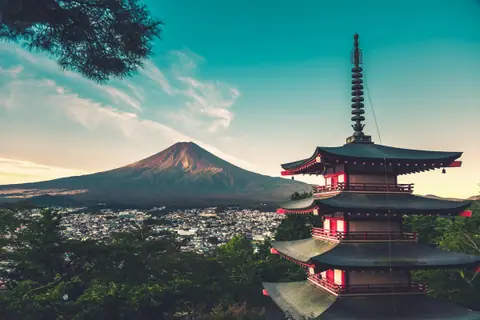
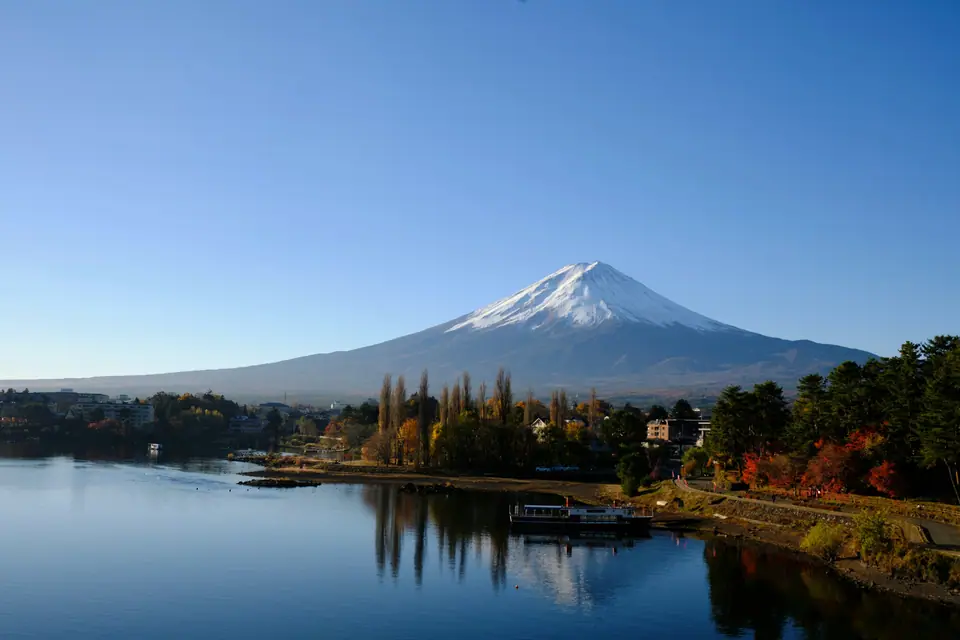
Kawaguchiko is the easiest lake to reach, about two hours from Shinjuku by highway bus or the Fuji Excursion limited express train. Climb the steps to the Chureito Pagoda for the famous view of the pagoda with Fuji behind it. Fuji hides in cloud for much of the summer, and the clearest views come on winter mornings. Look at the live cameras before you set out.
Can I climb Mount Fuji on a day trip?
We wouldn't. The official climbing season runs from early July to 10 September. All four main trails now charge a climbing fee. The Yoshida trail needs an online reservation and has a daily limit of 4,000 climbers, and its gate at the 5th Station is closed from 2pm to 3am unless you have a mountain hut booking. The Shizuoka trails require pre-registration through an app. That is designed to stop "bullet climbs" without rest, which cause altitude sickness and accidents. Plan an overnight climb with a hut instead, and check the official Mt. Fuji climbing site. Visitors who just go up to the 5th Station for the view and a short walk don't pay the fee.