Best Things to Do in Tokyo
No list can cover Tokyo, because much of the pleasure is in walking a neighbourhood with no plan at all. These are the places we'd build a first trip around, starting with the famous and ending with the local. Mix them.
- Senso-ji, Asakusa. Tokyo's oldest temple, with the huge red lantern of the Kaminarimon gate and a shopping street of snacks leading to the main hall. The grounds never close. Our Asakusa guide has a walking route.
- Meiji Jingu. A Shinto shrine to the Emperor Meiji, set in a planted forest of around 100,000 trees right next to Harajuku station. Walk under the giant wooden torii early, when the gravel paths are almost silent.
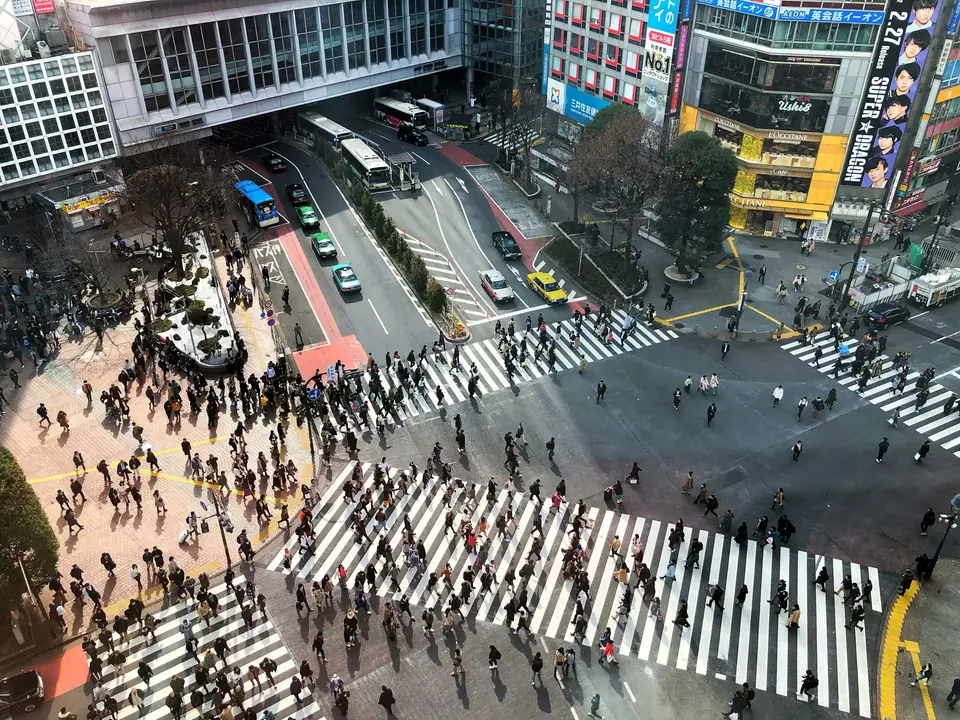
- Shibuya Crossing. Up to a few thousand people cross at once when the lights change. Cross it, then watch it from above. See our Shibuya and Shinjuku guide.
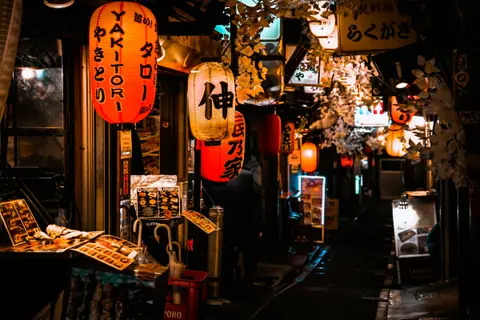
- Shinjuku after dark. Yakitori smoke in Omoide Yokocho, the tiny bars of Golden Gai, and the neon of Kabukicho.
- Tsukiji Outer Market. The wholesale fish market moved to Toyosu in 2018, but the outer market of food stalls stayed. Come for breakfast: tamagoyaki (sweet rolled omelette) on a stick, grilled scallops, a small bowl of sushi rice topped with tuna. Most stalls wind down by early afternoon.
- teamLab. Digital art rooms you walk through. Planets in Toyosu has you wading through water barefoot, and is scheduled to run until the end of 2027. Borderless, now at Azabudai Hills, is more of a maze. Both need timed tickets.
- Tokyo National Museum, Ueno. The country's oldest museum, with samurai armour, swords, lacquer and Buddhist statues. Ueno Park around it has more museums, a pond of lotus leaves and a shrine gilded in gold.
- The Imperial Palace East Gardens. The palace itself is closed to the public, but the gardens on the site of Edo Castle are free, with the massive stone bases of the old keep still standing.
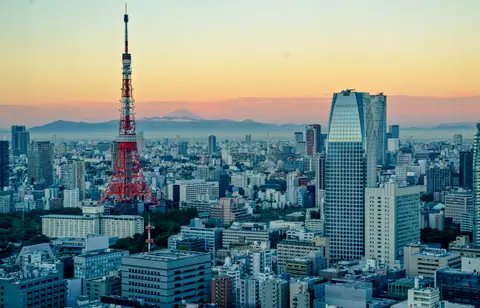
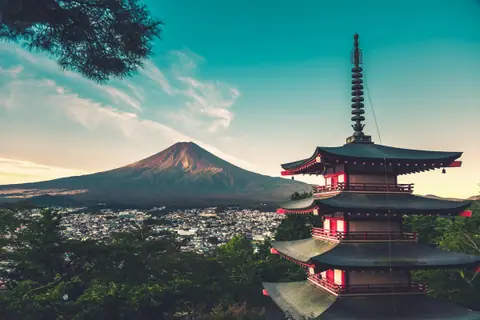
- The free city view. The Tokyo Metropolitan Government Building in Shinjuku has free observation floors on the 45th floor. On clear winter mornings you can see Mount Fuji.
- Yanaka. One of the few districts that survived the war and the earthquake: small temples, a quiet cemetery, and the Yanaka Ginza shopping street of croquette stands and old sweet shops.
- Akihabara. Electronics, anime shops, retro game stores and multi-storey arcades. Even without an interest in any of it, it's a spectacle.
- Shimokitazawa. Vintage clothes, record shops, small theatres and coffee stands, a short train ride from Shibuya.
- Sumo. Tokyo tournaments take place at the Ryogoku Kokugikan in January, May and September. Outside those months, some stables let visitors watch morning practice through an organised booking.
- A sento. A neighbourhood public bath, with hot tubs and often a painting of Mount Fuji on the tiled wall. Wash first at the stools, then soak. It's how many older Tokyoites end the day.
Temples, shrines, parks, the palace gardens and the government building view cost nothing, so a Tokyo day doesn't have to be expensive.